
Getting dementia right is key to good care. The ICD-10 code F03.9 is a global standard for dementia without a clear type. It helps doctors and healthcare teams a lot.
Use the dementia icd 10 code for F03.9. Discover amazing scary facts and find powerful, vital ways to manage essential cognitive health data.
The code F03.9 is for dementia cases where the exact type and how bad it is aren’t clear. The ICD-10-CM says F03.90 is a code you can bill for. It started being used on October 1, 2024, with the 2025 edition.
It’s very important for doctors to use this code right. It helps with billing and keeping records accurate. We’ll look into how and why the icd-10 code for dementia unspecified is used.
Key Takeaways
- The ICD-10 code F03.9 is used for unspecified dementia.
- F03.90 is a billable code effective from October 1, 2024.
- Accurate use of this code is very important for healthcare providers.
- The code is used when the type and severity of dementia are not clear.
- The 2025 edition of ICD-10-CM includes updates to this code.
Understanding the ICD-10 Code F03.9 for Dementia

Unspecified dementia, coded as F03.9 in ICD-10, is a common challenge in healthcare. It’s used when a specific diagnosis isn’t clear.
Definition and Clinical Meaning of F03.9
The ICD-10 code F03.9 is for unspecified dementia. It shows a significant decline in cognitive function that affects daily life. Yet, it doesn’t specify the type or severity. This code is key for medical records and billing.
To learn more about dementia coding, check out the Dementia ICD-10 Fact Sheet. It offers detailed info on dementia codes.
F03.90: The Current Billing Specification
F03.90 is a specific billing code under F03.9. It means unspecified dementia without behavioral disturbance. This detail is important for both medical records and getting insurance paid.
Absence of Behavioral and Psychological Symptoms
F03.90 is for adults aged 15-124. It’s used for dementia that isn’t specified. The lack of behavioral and psychological symptoms is key for doctors when picking the right code for care.
- F03.9 is used for unspecified dementia.
- F03.90 specifies the absence of behavioral disturbances.
- Accurate coding is essential for effective patient management and billing.
The ICD-10-CM Classification System for Dementia ICD10
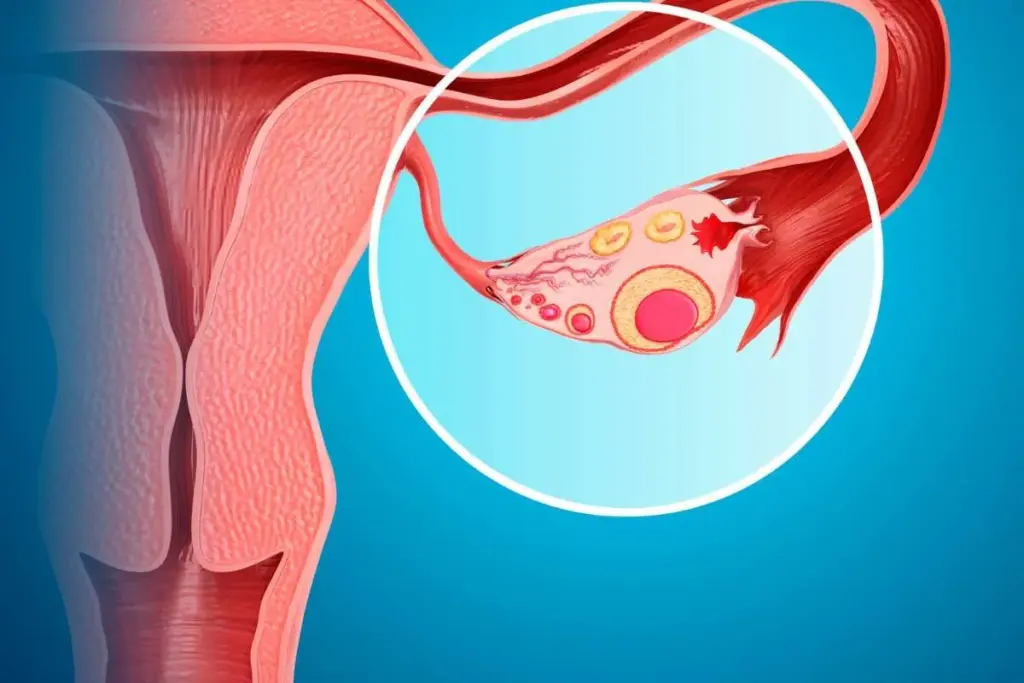
The ICD-10-CM system helps doctors classify mental and behavioral disorders, like dementia. It’s key for coding diagnoses right. This ensures patients get the care they need and helps with insurance.
Overview of Mental and Behavioral Disorder Coding
The ICD-10-CM codes range from F01-F99 for mental and behavioral disorders. F01-F03 are for dementia. This system helps us manage dementia well.
Accurate coding is key for tracking dementia and research. The ICD-10-CM system lets us categorize dementia in detail. This helps us understand and manage it better.
How F03.9 Fits Within the Broader Classification
F03.9 is a specific code for unspecified dementia. It’s used when dementia is diagnosed but the type isn’t known. Knowing how F03.9 fits in the system helps doctors and coders.
Relationship to Other Dementia Codes
F03.9 is part of a bigger coding structure for dementia. For example, F01.- codes are for vascular dementia. G30.- and F02.8- codes are for Alzheimer’s. Knowing these relationships is key for accurate coding.
When coding dementia, doctors must decide if it’s specified or unspecified. The right code affects patient care and insurance. This is important for conditions like memory loss or memory impairment.
Understanding the ICD-10-CM system and codes like F03.9 helps doctors improve their work. This leads to better patient care and more accurate tracking of dementia. It’s also important for memory loss icd10 and memory impairment icd10.
Clinical Criteria for Unspecified Dementia Diagnosis
Diagnosing unspecified dementia needs a deep understanding of its clinical criteria. It’s a tough condition to manage because the exact type and severity are unclear.
Diagnostic Features of Unspecified Dementia
The ICD-10-CM code F03 is for unspecified dementia, excluding dementia with delirium or acute confusional state (F05). It includes cognitive decline, memory loss, and changes in behavior that affect daily life.
Key Diagnostic Criteria:
- Cognitive decline
- Memory loss
- Changes in behavior
Differentiating Between Specified and Unspecified Dementia
Specified dementia has a clear diagnosis, like Alzheimer’s disease (icd10 code for alzheimer’s disease: G30.-, F02.8-). Unspecified dementia, on the other hand, lacks this clarity. This might be due to incomplete diagnostic evaluation or mixed dementia presentations.
When to Use F03.9 in Clinical Practice
We use F03.9 when the dementia diagnosis is not further specified. This code is key in cases where dementia with behavioral disturbance is present, but the cause is unclear (dementia with behavioral disturbance icd10: F03.91).
|
Dementia Type |
ICD-10 Code |
|---|---|
|
Unspecified Dementia |
F03.9 |
|
Dementia with Behavioral Disturbance |
F03.91 |
As the ICD-10-CM guidelines state, accurate coding is vital for clinical documentation and reimbursement. “The correct use of ICD-10 codes ensures that patients receive appropriate care and that healthcare providers are adequately reimbursed.”
“The correct use of ICD-10 codes ensures that patients receive appropriate care and that healthcare providers are adequately reimbursed.”
The Prevalence of Unspecified Dementia Coding
Unspecified dementia coding is a big issue in healthcare. It affects how we diagnose and treat dementia patients. Codes like F03.9 are used a lot in clinics.
Statistical Data on F03.9 Usage
Research shows that unspecified dementia codes are a big part of dementia diagnoses. The ICD-10-CM coding guidelines say F03.90 is for dementia without behavioral issues. F03.9 is one of the top dementia codes used.
Why Unspecified Codes Account for 40% of Dementia Cases
Unspecified codes are common because they help when a specific diagnosis is hard. Often, figuring out the exact cause of dementia is tough because of complex symptoms.
Challenges in Determining Dementia Etiology
Finding the cause of dementia can be hard because symptoms can overlap. This makes it hard to pinpoint a single cause. For example, patients might have memory issues that are coded under “memory loss icd10.”
In some cases, dementia can cause behavioral disturbances. The ICD-10 code for dementia with behavioral disturbance is used for these cases. This shows the need for accurate coding and documentation.
Global Impact of Dementia and Coding Implications
Dementia is a big problem worldwide. It affects about 55 million people. By 2050, this number is expected to triple.
WHO Statistics: 55 Million Cases Worldwide
The World Health Organization says dementia is a major health issue. There are currently 55 million cases. This shows we need better coding for dementia.
The ICD-10 code F03.9 is often used for unspecified dementia. It highlights the challenge of diagnosing and coding dementia.
Projected Tripling of Cases by 2050
By 2050, dementia cases could reach over 150 million. This will be a big challenge for healthcare systems. It will also affect how we code dementia and related issues like brain fog and memory loss.
Economic and Healthcare System Impacts
Dementia costs trillions of dollars worldwide. Healthcare systems will face a big challenge in caring for more dementia patients. Accurate coding is key to managing these costs and impacts.
As more people age, precise coding for dementia will become even more important. Understanding dementia’s global impact and coding needs is vital for better healthcare strategies.
Recent Updates to ICD-10-CM Dementia Codes
The 2025 edition of ICD-10-CM starts on October 1, 2024. It includes important changes to dementia coding. Healthcare providers need to know and use these updates correctly.
October 2024 Revisions Explained
The October 2024 updates to ICD-10-CM focus on detailing dementia types and severity. This change shows how our understanding and treatments for dementia have grown.
Key revisions include:
- Enhanced specificity in coding for dementia types
- Updated guidelines for coding dementia severity
- Revised clinical documentation requirements
Impact on Clinical Documentation Requirements
The new ICD-10-CM codes need more detailed clinical notes. Healthcare providers must record specific details about dementia type and severity in patient files.
Transition Timeline for Healthcare Providers
To make the transition easier, healthcare providers should:
- Review the updated ICD-10-CM codes by September 2024
- Update clinical documentation practices
- Train staff on the new coding rules
By getting familiar with these updates, healthcare providers can code dementia diagnoses accurately. This includes the icd10 code for memory loss. It helps improve patient care and follow rules.
Importance of Specificity in Dementia Coding
Accurate dementia coding is key for patient care and getting insurance to pay. Codes like F03.90 give the needed details for both care and billing.
Benefits of Detailed Coding for Patient Care
Detailed coding helps in giving better patient care. It gives a clear view of the patient’s health. This helps doctors make treatment plans that fit the patient’s needs.
For example, using specific codes lets doctors track dementia’s progress. They can then change treatments as needed. This focus on detail is essential for top-notch care.
Insurance and Reimbursement Implications
The detail in ICD-10 coding also affects insurance payments. Correct codes mean doctors get paid right for their work.
Wrong or vague coding can cause claims to be denied. This can hurt a healthcare group’s finances.
Quality Measures and Reporting Requirements
Specific coding is also key for quality tracking and reports. Accurate ICD-10 codes help in following patient results and healthcare quality.
|
Code |
Description |
Reimbursement Impact |
|---|---|---|
|
F03.90 |
Unspecified dementia without behavioral disturbance |
Standard reimbursement rate |
|
F03.91 |
Unspecified dementia with behavioral disturbance |
Higher reimbursement rate due to complexity |
In summary, the detail in dementia coding is critical for patient care and healthcare finances. Using precise ICD-10 codes boosts patient results and ensures fair payment.
Related ICD-10 Codes for Cognitive Disorders
It’s important to know the ICD-10 codes for cognitive disorders for accurate diagnosis and treatment. These disorders include Alzheimer’s disease, vascular dementia, and other cognitive impairments. Accurate coding helps healthcare providers diagnose, treat, and bill patients correctly.
Alzheimer’s Disease Codes (G30.-, F02.8-)
Alzheimer’s disease is a progressive disorder that affects memory, thinking, and behavior. The ICD-10 codes for Alzheimer’s disease are G30.-, which includes early onset (G30.0), late onset (G30.1), and unspecified (G30.9). F02.8- is used for dementia in Alzheimer’s disease. Accurate use of these codes helps track the disease’s progression and manage patient care.
Vascular Dementia Codes (F01.-)
Vascular dementia occurs when blood flow to the brain is reduced. The ICD-10 codes for vascular dementia are F01.-, with specific codes for delirium (F01.0), delusions (F01.1), and depressive symptoms (F01.2). Accurate coding is key to differentiating it from other dementias and guiding treatment.
Memory Loss and Cognitive Impairment Codes
Memory loss and cognitive impairment can signal various conditions. ICD-10 codes like R41.3 (other memory loss) and F09 (unspecified mental disorder due to known physiological condition) document these symptoms. Accurate coding helps identify causes and develop treatment plans.
In conclusion, knowing and using the right ICD-10 codes for cognitive disorders is vital for quality patient care and accurate billing. Healthcare professionals should familiarize themselves with codes for Alzheimer’s disease, vascular dementia, and other cognitive impairments. This improves clinical documentation and patient outcomes.
Practical Applications of F03.9 in Healthcare Settings
Using the F03.9 code helps doctors work together better. It’s key for giving patients the best care possible. This code is important for healthcare providers to work together well.
Documentation Guidelines for Clinicians
Doctors need to follow certain rules when using F03.9. They must do full patient checks and keep detailed records. This helps in planning care and using resources wisely.
Multidisciplinary Approaches Enabled by Proper Coding
F03.9 makes it easier for teams to care for dementia patients. A group of doctors work together to give the best care. This ensures patients get the support they need.
Care Planning and Resource Allocation
Planning care well is key in managing dementia. The F03.9 code helps doctors use resources right. This means patients get care that fits their needs.
Using F03.9 right can make care better for patients. It’s vital for memory loss icd10 and icd10 dementia cases. It helps with billing and getting insurance to pay.
Conclusion: The Future of Dementia Coding in Healthcare
The ICD-10 code F03.9 is key for healthcare providers dealing with dementia. The ICD-10-CM system updates often to keep up with new practices and rules. This ensures dementia coding stays relevant for both patients and doctors.
Future updates will focus on making diagnoses more specific and accurate. The icd10 code for dementia will remain essential in patient care. It helps doctors give focused support and treatment.
Healthcare providers need to keep up with dementia coding changes. This is even more important as dementia cases worldwide increase. Accurate coding is vital for top-notch patient care.
FAQ
What is the ICD-10 code for unspecified dementia?
The ICD-10 code for unspecified dementia is F03.9. F03.90 is used for cases without behavioral disturbances.
What is the difference between specified and unspecified dementia?
Specified dementia has a known cause or type, like Alzheimer’s disease. Unspecified dementia is used when the cause is unknown.
What is the ICD-10 code for Alzheimer’s disease?
Alzheimer’s disease is coded as G30.-. Dementia due to Alzheimer’s is coded as F02.8-. An additional code shows the stage of Alzheimer’s.
How common are unspecified dementia codes?
Unspecified dementia codes, like F03.9, make up about 40% of dementia cases. This shows the difficulty in figuring out dementia’s cause.
What are the implications of using unspecified dementia codes?
Using these codes can affect patient care, insurance, and quality measures. It highlights the need for accurate coding.
What is the global impact of dementia?
The WHO says there are 55 million dementia cases worldwide. This number is expected to triple by 2050. This shows the urgent need for better coding and care.
How do recent updates to ICD-10-CM dementia codes affect clinical practice?
Recent updates, like the October 2024 changes, will change how we document dementia. Healthcare providers must adjust to ensure accurate coding.
What is the significance of specificity in dementia coding?
Specific coding is key for patient care. It helps in detailed documentation, planning, and insurance claims.
What are some related ICD-10 codes for cognitive disorders?
Related codes include Alzheimer’s disease (G30.-, F02.8-) and vascular dementia (F01.-). These codes are vital for full patient care.
How does proper coding impact care planning and resource allocation?
Proper coding leads to better care planning and resource use. It improves patient outcomes and makes healthcare more efficient.
Reference
National Center for Biotechnology Information. Evidence-Based Medical Insight. Retrieved from



 Departments
 Related Videos
 Our Doctors
 News
News