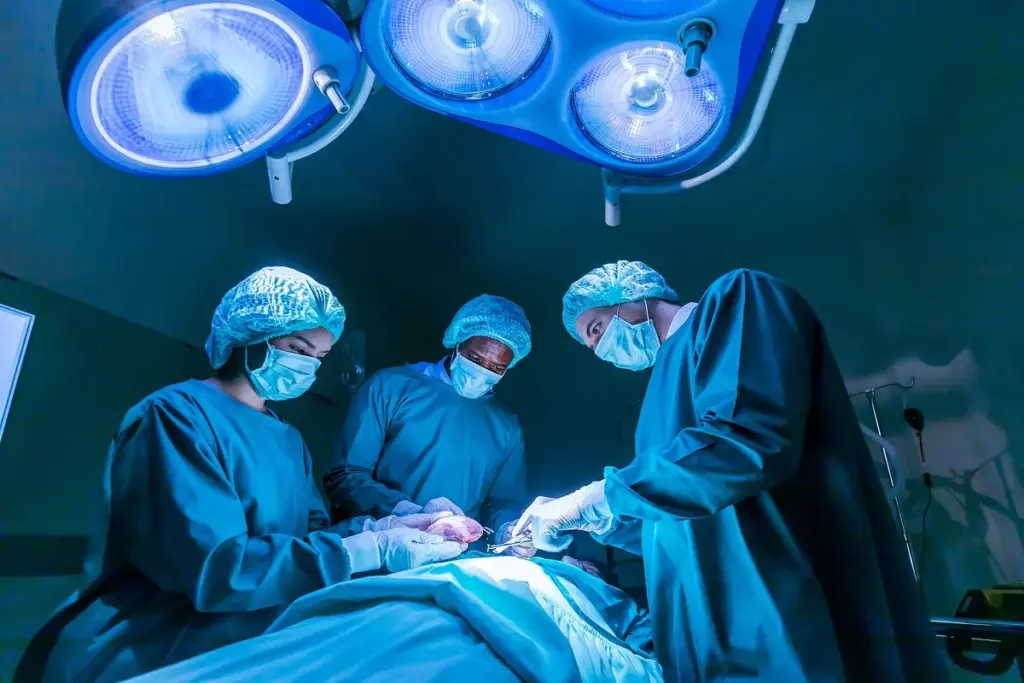
As more older people get heart surgery, it’s key to know how it might affect their minds. Understanding this link helps patients make informed health decisions.
New studies say heart surgery doesn’t greatly raise the risk of dementia or Alzheimer’s. They found no big jump in memory loss after surgery for up to 15 years.
At , we follow the latest science to keep minds sharp. Our goal is to give top-notch care and support to patients from around the world. We dive into the link betweenheart surgery and vascular dementia, sharing the newest research.
Key Takeaways
- Heart surgery is not a significant risk factor for dementia.
- Long-term studies show no substantial increase in cognitive decline post-surgery.
- Evidence-based protocols are key for protecting brain health.
- Knowing about dementia symptoms is important for heart surgery patients.
- Good support is vital for patients from other countries.
The Nature and Impact of Dementia
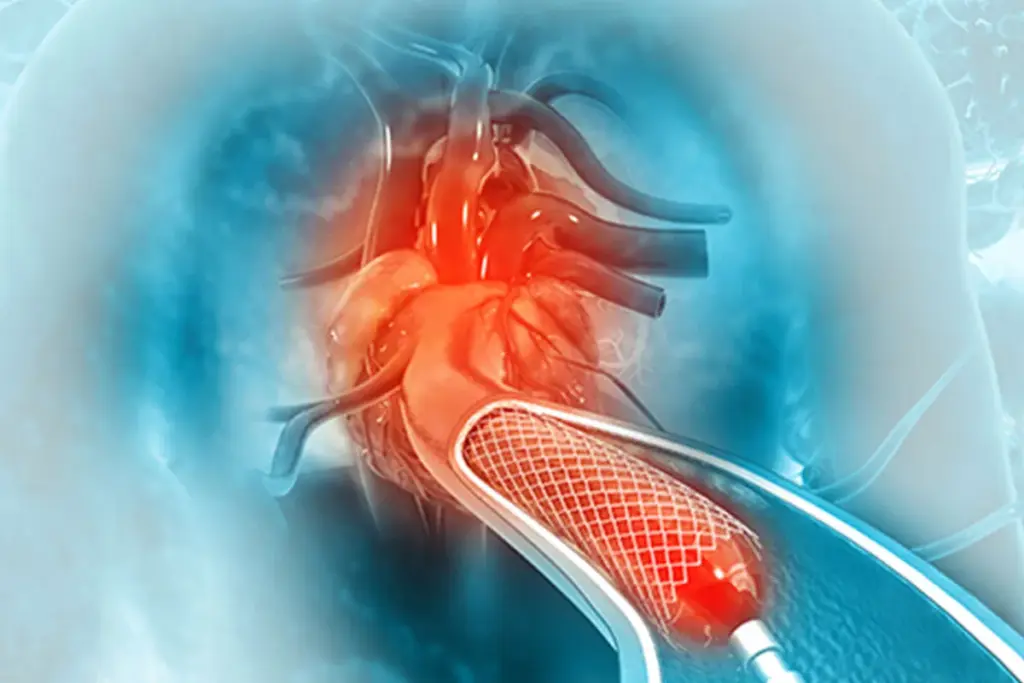
Dementia is a group of brain disorders that cause memory loss and problems with thinking and behavior. It gets worse over time, affecting how people live their daily lives and their health in the long run.
What Defines Dementia as a Condition
Dementia is marked by a decline in brain function, including memory loss and trouble with communication and problem-solving. These changes make everyday tasks hard. Knowing what dementia meaning is helps patients and their families understand it better.
- Memory loss that disrupts daily life
- Challenges in planning or solving problems
- Difficulty completing familiar tasks
- Confusion with time or place
Common Types of Dementia
There are many types of dementia, each with its own features. Vascular dementia happens when the brain doesn’t get enough blood, often due to a stroke. Alzheimer’s disease is the most common, making up 60-80% of dementia cases. Knowing the difference between vascular dementia and Alzheimer’s is key for the right treatment.
Men with dementia might have trouble with spatial awareness, mood changes, and wanting to be alone more. Spotting these signs early is important for the right care and support. While dementia is a symptom of alzheimer’s often, not all dementia is Alzheimer’s. This shows the need for a full medical check-up.
- Alzheimer’s Disease
- Vascular Dementia
- Lewy Body Dementia
- Frontotemporal Dementia
Dementia Symptoms: Recognizing the Warning Signs
It’s important to spot the early signs of dementia to get timely help. Dementia causes a drop in brain function, leading to memory loss, confusion, and trouble focusing. Knowing these signs helps families and patients get medical help fast.
Cognitive Manifestations
Memory loss is a big sign of dementia. People might forget recent things or have trouble learning new stuff. Confusion and disorientation make it hard to know where they are or what time it is. Trouble concentrating and making choices also affects daily life a lot.
Behavioral and Psychological Changes
Dementia can also cause big changes in behavior and mood. People might have mood swings, agitation, or aggression. This can upset both the person and their caregivers. Depression and anxiety are common too, needing careful handling and support.
Functional Decline in Daily Activities
As dementia gets worse, people find it hard to do everyday tasks. They might struggle with personal care, managing money, or cooking. Spotting these changes early helps plan the right care and support.
Knowing the signs of dementia helps families and patients deal with its challenges. Early action can greatly improve life quality for those with dementia.
Heart Surgery: Common Procedures and Their Purposes
Heart surgery includes many procedures to treat heart issues. These surgeries aim to fix or lessen heart problems. This improves life quality for those with heart disease.
We do heart surgery for a few main reasons. We want to make the heart work right and improve blood flow. The surgery type depends on the patient’s condition, health, and past medical history.
Coronary Artery Bypass Grafting (CABG)
CABG is a common heart surgery. It uses grafts to bypass blocked or narrowed coronary arteries. These grafts often come from the leg or chest. This helps blood flow to the heart muscle, lowering heart attack risk and easing chest pain.
CABG is suggested for those with severe coronary artery disease. It can be done with open-heart surgery or less invasive methods. This choice depends on the patient’s health and the surgeon’s skill.
Valve Repair and Replacement
Heart valves are key for blood flow through the heart. When a valve gets damaged or diseased, surgery is needed. This can be due to stenosis or regurgitation.
Valve repair fixes the current valve. Replacement uses a mechanical or biological valve. The choice between these depends on the valve’s state and the patient’s health.
Other Cardiac Surgical Interventions
There are more cardiac surgeries than CABG and valve surgery:
- Arrhythmia surgery for irregular heart rhythms
- Aneurysm repair for abnormal heart or blood vessel bulges
- Heart transplant for severe heart failure
- Surgery for congenital heart defects
These surgeries show the wide range of treatments for heart conditions. Each surgery is customized for the patient’s needs. The goal is to enhance heart function and overall health.
The Historical Concern: Why Heart Surgery Was Linked to Dementia
For years, patients and doctors have worried about a possible link between heart surgery and brain decline. This worry started with early observations and reports. They suggested that heart surgery might raise the risk of dementia.
Early Observations and Case Reports
Early studies and reports were key in spotting a possible heart surgery-dementia link. These early findings were important. They made people aware and led to more research into the brain effects of heart surgery.
Notable cases in medical papers added to the worry. They showed the need to understand how heart surgery affects the brain.
Theoretical Mechanisms of Cognitive Impact
Several theories explain how heart surgery might harm brain function. These include the effects of cardiopulmonary bypass, possible brain blockages, and the body’s inflammatory response to surgery.
- Cardiopulmonary bypass and its possible harm to the brain
- Brain blockages during surgery that could affect thinking
- The body’s inflammatory response to surgery and its effect on brain health
Evolution of Surgical Techniques and Concerns
As surgery methods have improved, so have worries about their brain effects. New advances in heart surgery, like better anesthesia and surgical techniques, aim to lower brain risk.
The long-standing worry has pushed for more research into making heart surgery safer for the brain. This includes creating new surgical protocols to reduce brain risks.
Evidence-Based Research: 15-Year Studies on Heart Surgery and Dementia
Long-term studies give us a clear view of heart surgery’s effects on the brain. Recent studies aim to see if heart surgery raises dementia risk. We look at key studies that tracked patients for years.
Long-term Follow-up Studies of CABG Patients
Research on Coronary Artery Bypass Grafting (CABG) patients has shed light on heart surgery’s long-term brain effects. A major study tracked CABG patients for 15 years. It compared their brain health to the general public.
The study found no big difference in dementia rates between CABG patients and the general public. This suggests CABG might not raise dementia risk.
Statistical Analysis of Dementia Risk Post-Surgery
Big data analyses have looked into dementia risk after heart surgery. These studies found no big increase in dementia risk for heart surgery patients. One study said,
“The risk of dementia after cardiac surgery is not significantly different from that of the general population when adjusted for age and comorbidities.”
The 27,000 Patient Study: Non-Cardiac Surgery Findings
A study with over 27,000 patients who had non-cardiac surgery found similar results. It showed surgery, in general, doesn’t raise dementia risk. The study stressed the need to look at each patient’s situation when checking for brain risk.
Postoperative Delirium: A Temporary Cognitive Disturbance
After heart surgery, some patients face a condition called postoperative delirium. It’s a sudden change in how they think. This can upset both patients and their families. It’s key to know what causes it, its risks, and how it’s different from dementia.
Defining Postoperative Delirium
Postoperative delirium is a sudden confusion that can hit after surgery, mostly in older people. It shows as a change in how they think and feel. Delirium can show as agitation, getting lost, or trouble focusing. Knowing what delirium is helps in treating it.
Risk Factors for Developing Delirium After Surgery
Many things can make someone more likely to get delirium after surgery. These include being older, having brain problems before, and having other health issues. The type of surgery, the anesthesia, and how pain is managed after surgery also matter. Knowing these risks helps in preventing delirium.
Distinguishing Delirium from Dementia
Delirium and dementia both affect how we think, but they’re different. Delirium starts suddenly and changes a lot, while dementia gets worse slowly. It’s important to know the difference to treat it right. Doctors use special tools to tell them apart.
By spotting the signs of postoperative delirium and knowing its risks, doctors can help prevent and treat it. This makes patients do better after heart surgery.
Pre-existing Dementia and Heart Surgery Outcomes
Pre-existing dementia can greatly affect heart surgery results. It changes both how likely patients are to die and their hospital stay. As more people live longer, more with dementia are having heart surgery. It’s vital to know how dementia impacts surgery outcomes.
Mortality Rates and Survival Statistics
Research shows patients with dementia before surgery face higher death rates after it. Knowing these numbers helps patients and families make better choices. We look at survival data to show the risks of heart surgery for those with dementia.
Hospital Course Differences
Dementia makes hospital stays longer and increases the chance of confusion after surgery. Good planning and care are essential to reduce these risks. We talk about how hospital stays differ and how they affect patient care.
Special Care Considerations
Patients with dementia need care plans that fit their specific needs. This includes special care after surgery and ways to help them recover. We explain the special care needed for these patients.
Understanding dementia’s effect on heart surgery outcomes helps us support patients and their families. Our aim is to give complete care that meets both surgical and overall health needs.
Vascular Health and Cognitive Function: The Real Connection
Learning about the link between vascular health and brain function is key. It helps us prevent and manage dementia. Keeping blood vessels healthy is essential for a sharp mind.
Cardiovascular Risk Factors and Brain Health
Heart problems like high blood pressure, diabetes, and high cholesterol harm the brain too. These issues can cause vascular dementia by damaging brain blood vessels. This reduces oxygen and blood to brain cells.
Key cardiovascular risk factors that impact brain health include:
- Hypertension: High blood pressure can cause blood vessels in the brain to burst, leading to cognitive decline.
- Diabetes: Uncontrolled diabetes can damage blood vessels and nerves, affecting cognitive function.
- High cholesterol: Elevated levels of bad cholesterol can lead to the buildup of plaque in blood vessels, reducing blood flow to the brain.
How Heart Surgery May Improve Vascular Health
Heart surgery, like CABG, can improve vascular health. It fixes heart problems, which helps the brain too. This is because the heart works better, reducing strain on the whole body.
For example, CABG can make the heart healthier. This can improve blood flow to the brain. This might lower the chance of brain problems caused by poor blood flow.
Preventive Strategies for Vascular Dementia
To stop vascular dementia, we need to tackle heart risks and live healthy. This might mean surgery in some cases.
Preventive measures include:
- Managing hypertension through medication and lifestyle changes.
- Controlling diabetes with diet, exercise, and medication.
- Maintaining healthy cholesterol levels through diet and, if necessary, medication.
- Engaging in regular physical activity to improve overall cardiovascular health.
- Avoiding smoking and limiting alcohol consumption.
By understanding the link between vascular health and brain function, we can protect our brains. This reduces the risk of vascular dementia.
Modern Surgical Approaches to Protect Cognitive Function
Modern heart surgery now aims to save lives and protect brain function. New surgical methods, anesthesia, and brain protection measures have greatly improved results.
Advancements in Surgical Techniques
Recent years have brought big changes in surgery to lower brain decline risk. These include:
- Minimally invasive surgery: Smaller incisions mean less risk of problems.
- Off-pump coronary artery bypass: Surgery without a heart-lung machine may reduce brain risks.
- Enhanced imaging techniques: Better imaging helps surgeons be more precise.
Anesthesia Protocols for Brain Protection
Anesthesia has evolved to protect the brain during surgery. Key advancements include:
- Neuroprotective anesthetics: Some anesthetics help protect the brain.
- Monitoring depth of anesthesia: The right anesthesia depth is key for recovery.
- Temperature management: Keeping the right temperature during surgery is important.
Intraoperative Neuroprotection Measures
Neuroprotection during surgery involves many strategies. These include:
- Maintaining optimal blood pressure: Blood pressure must support both heart and brain.
- Monitoring cerebral oxygenation: Keeping the brain oxygenated is vital.
- Avoiding emboli: Strategies to prevent brain-damaging emboli are used.
By using these modern methods, we can greatly lower brain decline risk in heart surgery patients.
Multidisciplinary Care Teams: The Approach
focuses on teamwork to give top-notch care to heart surgery patients. Our teams have experts from many fields working together. They aim to give full care to each patient.
Evidence-Based Academic Protocols
follows evidence-based care plans to improve patient results. These plans are based on the newest research and guidelines. This ensures our patients get the safest and most effective care.
Our care plans cover many areas, like checking patients before surgery, the surgery itself, and care after. Following these plans helps lower the chance of problems and helps patients heal well.
|
Protocol Component |
Description |
Benefits |
|---|---|---|
|
Preoperative Evaluation |
Comprehensive assessment of patient’s medical history and current health status |
Identifies possible risks and helps make the patient’s condition better before surgery |
|
Surgical Techniques |
Use of advanced surgical methods and technologies |
Reduces surgical damage and helps patients recover faster |
|
Postoperative Management |
Close monitoring and care after surgery |
Lessens the chance of problems after surgery and helps in a smooth recovery |
Specialized Care Pathways for Cognitive Protection
We know how important protecting the mind is during heart surgery. Our special care paths aim to lower the risk of brain problems. We make sure our patients get the best care.
These paths involve many experts, like cardiologists and anesthesiologists. Working together, we spot risks and find ways to avoid them.
Collaborative Team Structure
is proud of its team work. Our teams work together to give full care to patients. This way, we make sure all parts of their health are looked after.
Our team has regular meetings and talks to keep everyone on the same page. This teamwork helps us give care that focuses on the patient.
Patient and Family Education: Understanding Surgical Risks
Before heart surgery, we talk about the risks and benefits. It’s key to educate patients and families. This helps them make informed choices and know what to expect.
Preoperative Counseling About Cognitive Outcomes
Preoperative counseling is a big part of our care. We discuss possible cognitive changes after surgery. This includes risks of delirium and long-term brain changes. that educating patients before surgery improves their satisfaction and outcomes.
We explain the surgery, recovery, and possible brain changes. We also answer any questions or concerns. This way, patients and families feel supported.
Recognizing Normal vs. Concerning Postoperative Changes
After surgery, patients might see cognitive changes. These can range from mild confusion to severe delirium. It’s important for patients and families to know what’s normal and when to get help.
|
Normal Postoperative Changes |
Concerning Postoperative Changes |
|---|---|
|
Mild confusion that resolves within a few days |
Severe confusion or disorientation that persists |
|
Temporary memory lapses |
Significant memory loss or difficulty learning new information |
|
Fatigue and sleep disturbances |
Hallucinations or significant agitation |
Resources for Families and Caregivers
Heart surgery affects not just the patient but also their loved ones. We offer resources and guidance for families and caregivers. This helps them care for their loved ones during recovery.
Our team is here to answer questions and offer support. We believe in working together for the best outcomes for our patients.
Post-Surgical Cognitive Rehabilitation Options
Post-surgical cognitive rehabilitation is key for those who have had heart surgery. It helps support patients’ brain health during recovery.
Heart surgery patients often struggle with memory and focus. But, there are ways to help them recover. These include various rehabilitation options.
Cognitive Stimulation Therapies
Cognitive stimulation therapies aim to improve brain function after surgery. They include memory games, problem-solving, and brain exercises. These activities help patients regain their cognitive abilities and improve their life quality.
We create personalized plans for each patient. This might involve therapy sessions or special software. It’s all about meeting their specific needs and goals.
Physical Activity and Cognitive Recovery
Physical activity is also important for brain recovery. Gentle exercises like walking or yoga boost blood flow to the brain. This supports brain health and can prevent cognitive decline.
We encourage patients to start with simple exercises. Then, they can gradually do more challenging activities. Always under the guidance of their healthcare team.
Medication Management Considerations
Managing medications is critical after surgery. Some drugs can affect brain function. It’s important to manage these carefully to avoid cognitive side effects.
Our team reviews patients’ medications to find ways to improve. This helps reduce cognitive risks and supports brain health.
Long-term Cognitive Monitoring After Heart Surgery
Heart surgery is complex, and long-term cognitive monitoring is key. It helps ensure patients recover well and catch any issues early.
Recommended Follow-up Schedule
We suggest a follow-up plan to check on cognitive health after surgery. This usually includes checks at 3, 6, and 12 months post-op. The schedule can change based on each patient’s needs.
Regular visits help doctors track cognitive changes. They can address concerns quickly and make the right care plans.
Cognitive Assessment Tools
Many tools are used to check cognitive function after heart surgery. These include:
- Mini-Mental State Examination (MMSE)
- Montreal Cognitive Assessment (MoCA)
- Tests focused on memory, attention, and executive function
These tools help doctors spot cognitive changes. They decide if more tests or help are needed.
When to Consider Specialist Referral
If big cognitive changes or concerns show up, we might refer patients to specialists. Experts like neurologists or geriatricians can offer more help.
Referral is key if patients show signs of dementia or significant cognitive decline. Early action can make a big difference.
Lifestyle Factors That Protect Both Heart and Brain Health
Choosing certain lifestyle habits can greatly help your heart and brain. Making smart choices can lower your risk of heart disease and dementia. This improves your overall life quality.
Dietary Approaches for Cardiovascular and Cognitive Health
Eating a balanced diet is key for heart and brain health. Focus on whole foods like fruits, veggies, whole grains, lean proteins, and healthy fats. The Mediterranean diet, full of these, is great for both heart and brain.
Nutritional Benefits:
- Fruits and veggies give you important vitamins and antioxidants.
- Whole grains are full of fiber, good for your heart.
- Lean proteins like fish and poultry have omega-3s and other brain-friendly nutrients.
- Healthy fats in nuts, seeds, and olive oil are good for your heart.
Physical Activity Recommendations
Regular exercise is vital for heart and brain health. Aim for 150 minutes of moderate exercise, 75 minutes of vigorous, or a mix, each week. Adding strength training also boosts your health.
|
Activity Type |
Frequency |
Benefits |
|---|---|---|
|
Aerobic Exercise |
At least 150 minutes/week (moderate intensity) |
Improves heart health, lowers dementia risk |
|
Strength Training |
2-3 times/week |
Builds muscle, strengthens bones |
Managing Modifiable Risk Factors
It’s important to manage risk factors for heart and brain health. Work with your doctor to keep an eye on blood pressure, diabetes, and cholesterol. Changing your diet and exercising more can help a lot.
By focusing on a healthy diet, regular exercise, and managing risk factors, you can lower your risk of heart disease and brain decline. This approach can greatly improve your health.
Conclusion: Making Informed Decisions About Heart Surgery and Cognitive Health
It’s important for patients to understand how heart surgery affects their brain health. Recent studies have shown both risks and benefits of heart surgery. This knowledge helps patients make better choices about their care.
At , we focus on top-notch healthcare for international patients. Our teams use the latest research to protect your brain during heart surgery. This way, we aim for the best results for you.
Staying updated on heart surgery and brain health is key. Patients can work with their doctors to choose the best path for them. We suggest talking openly with your team to get the support you need during treatment.
FAQ
What is dementia, and how does it affect patients?
Dementia is a complex condition that affects memory, cognitive function, and behavior. It can significantly impact a patient’s quality of life and daily activities.
What are the common types of dementia?
The most common types of dementia include vascular dementia, Alzheimer’s disease, and mixed dementia. Understanding the type of dementia is key for proper diagnosis and treatment.
Can heart surgery cause dementia?
There were once concerns that heart surgery might increase dementia risk. But recent research has shown the relationship is not as simple as once thought.
What are the symptoms of dementia?
Symptoms include memory loss, confusion, and changes in behavior. These changes can affect daily activities.
How can postoperative delirium be distinguished from dementia?
Postoperative delirium is a temporary condition. It starts suddenly and can change often. Unlike dementia, it is usually reversible.
How can patients with pre-existing dementia be cared for during heart surgery?
Patients with dementia need special care during heart surgery. This includes careful planning before surgery, close monitoring during, and tailored care after.
What are the preventive strategies for vascular dementia?
Preventive strategies include managing heart risk factors and living a healthy lifestyle. Regular cognitive checks are also important.
How can cognitive function be protected during heart surgery?
Modern surgery techniques and anesthesia can protect the brain. These advancements help keep cognitive function safe during surgery.
What are the post-surgical cognitive rehabilitation options?
Options include cognitive stimulation, physical activity, and managing medications. These help patients recover after surgery.
How can patients protect their heart and brain health?
Patients can protect their health by eating well, staying active, and managing risk factors. These habits are key to heart and brain health.
What is the recommended follow-up schedule after heart surgery?
Follow-up should include regular cognitive checks. These are usually done every 6-12 months to catch any issues early.
What are the signs of dementia in men?
Signs include cognitive decline, memory loss, and mood changes. These can also include difficulty concentrating and behavioral changes.
Can dementia be a symptom of Alzheimer’s disease?
Yes, dementia can be a symptom of Alzheimer’s disease. This is a progressive disorder that affects memory and behavior.
Is dementia a disease?
Dementia is not a single disease but a syndrome. It can be caused by various conditions, including Alzheimer’s and vascular dementia.
Can you die from dementia?
While dementia itself is not usually fatal, it can increase mortality risk. This is because it makes patients more vulnerable to infections and other complications.
What is vascular dementia?
Vascular dementia is caused by reduced blood flow to the brain. This is often due to a stroke or small vessel disease.
What are the stages of vascular dementia?
The stages vary based on the cause and extent of brain damage. Generally, there is a decline in cognitive function and daily activities.
References:
National Center for Biotechnology Information. Evidence-Based Medical Insight. Retrieved from https://pmc.ncbi.nlm.nih.gov/articles/PMC7763731/