
It’s important to know how much radiation you get from dental x-rays and CT scans. At Liv Hospital, we focus on keeping you safe and informed. This is true for all our diagnostic imaging.
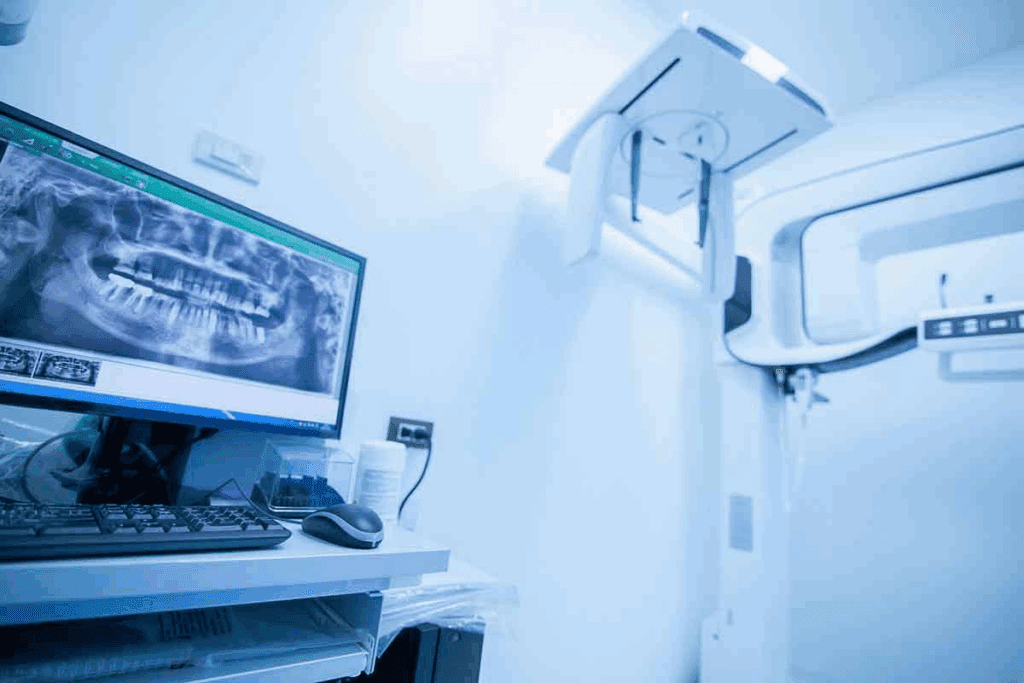
Today’s dental imaging is much safer. It uses very low radiation doses. We’ll look at the different types of dental imaging and their radiation levels. This will help you understand the good and bad sides.Discover the dental radiation dose in our ultimate guide. We reveal the shocking truth about X-rays and CT scans with powerful safety insights.
Key Takeaways
- Modern dental imaging techniques deliver extremely low radiation doses.
- Dental x-rays and CT scans are essential for accurate diagnosis.
- Liv Hospital prioritizes patient safety and transparency in diagnostic imaging.
- Understanding radiation exposure helps patients make informed decisions.
- Advanced dental imaging is a key tool in modern dentistry.
Understanding X-Radiation in Dentistry
X-radiation in dentistry has changed how we find and fix oral health problems. It’s a type of energy that goes through the body, showing us what’s inside. This tech is key for spotting issues we can’t see with just a regular check-up.
What Is X-Radiation and How It Works
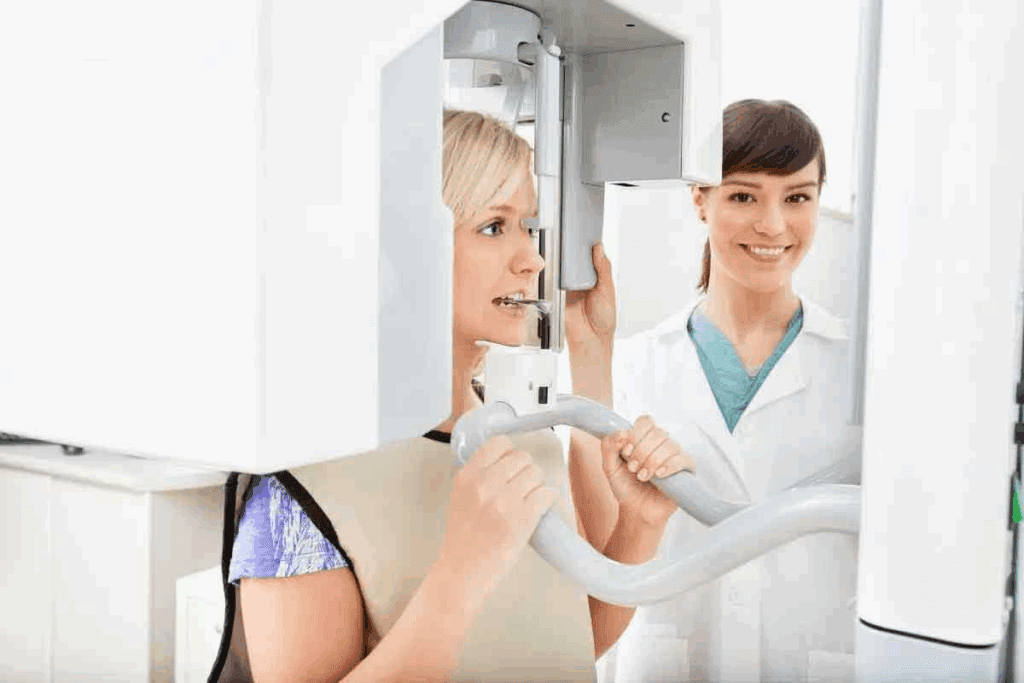
X-radiation, or X-rays, is a kind of electromagnetic wave. When X-rays hit the mouth, they go through soft tissues but get stopped by denser things like bones and teeth. This makes images that show us the teeth’s details, helping dentists find cavities, abscesses, and bone loss.
It works by shining X-rays on the area we want to see. The X-rays that get through are caught by a digital sensor or film. This creates an image we can study. It’s a big help in dentistry, letting us catch and fix problems early.
How Radiation Is Measured: Microsieverts and Grays of Radiation
Radiation levels are measured in millisieverts (mSv) and grays (Gy). Microsieverts (μSv) are for smaller doses, with 1 mSv being 1,000 μSv. Grays (Gy) measure how much radiation is absorbed. Knowing these units helps us see how safe dental X-rays are.
Dental X-rays usually give very low doses, often in microsieverts. For example, one intraoral X-ray might give 1-8 μSv, depending on the X-ray type and equipment. This is much less than the 2.4 mSv of background radiation we get each year from nature. This shows dental X-rays are pretty safe.
Dental Radiation Dose: A Complete Overview
Dental radiation dose is complex, influenced by many factors. These include the imaging type and technology used. The radiation exposure from dental imaging can vary a lot.
Factors That Affect Radiation Exposure in Dental Imaging
Several factors impact the radiation dose in dental imaging. These include:
- The type of dental X-ray: Different types, like intraoral, panoramic, or cone beam computed tomography (CBCT), expose patients to varying levels of radiation.
- The technology used: Modern digital X-ray systems generally emit less radiation than older film-based systems.
- Patient factors: The size and anatomy of the patient can influence the amount of radiation required for a diagnostic image.
Table: Factors Influencing Radiation Exposure in Dental Imaging
| Factor | Description | Impact on Radiation Dose |
| Type of X-ray | Intraoral, panoramic, or CBCT | Varies by modality |
| Technology | Digital vs. film-based | Digital reduces dose |
| Patient size | Smaller vs. larger patients | Adjustments needed for diagnostic quality |
Comparing Dental Radiation to Daily Background Exposure
To understand dental radiation better, we compare it to natural background radiation. The average person gets about 2.4 millisieverts (mSv) of background radiation each year from natural sources.
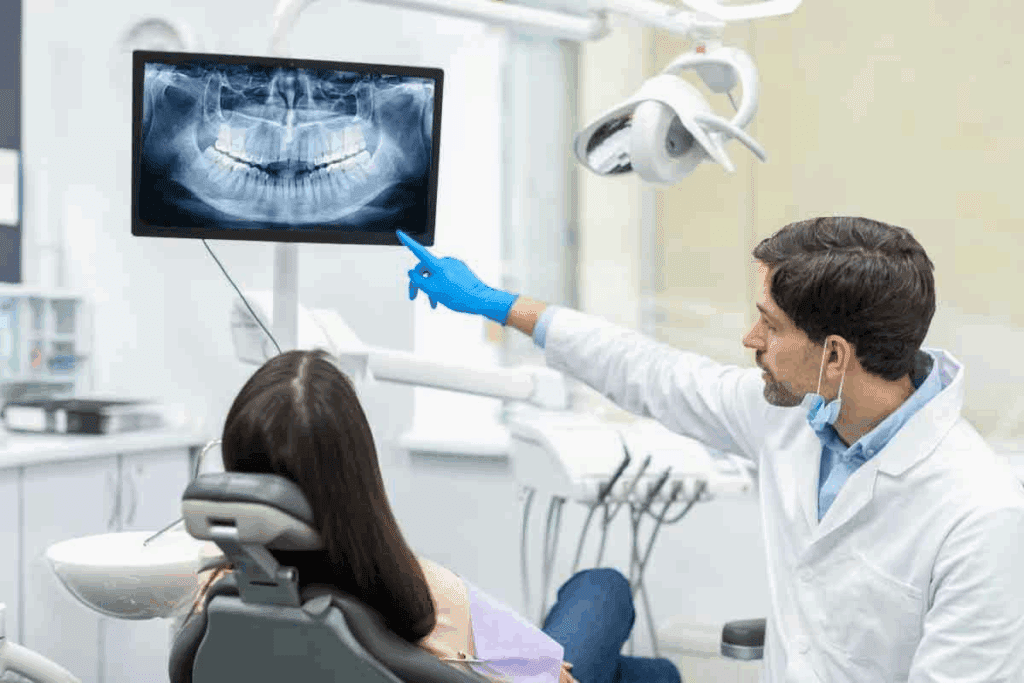
Dental X-rays expose us to a small amount of radiation. For example, a typical intraoral X-ray might expose a patient to about 0.005 mSv. A CBCT scan could expose a patient to 0.03 to 0.1 mSv, depending on the device and settings.
By knowing these factors and comparisons, we can better understand the risks and benefits of dental imaging.
Standard Dental X-Rays: Radiation Exposure Breakdown
Dental X-rays are key for patient safety. They help find dental problems like cavities. But, how much radiation do patients get from these X-rays?
Intraoral X-Rays: Bitewing, Periapical, and Occlusal Views
Intraoral X-rays are essential for dental checks. They include bitewing, periapical, and occlusal views. Each type has its own use.
Bitewing X-rays spot cavities between teeth. Periapical X-rays show the whole tooth, from top to bottom. They help find abscesses. Occlusal X-rays show the jaw’s wider view, spotting extra teeth or cleft palates.
These X-rays give off low radiation. For example, a periapical X-ray has 1-8 microsieverts. This is less than the daily background radiation most people get.
How Much Radiation from X-Ray: The Numbers Behind Common Dental Films
Let’s look at the radiation from dental X-rays. A bitewing X-ray has 1-5 microsieverts. A periapical X-ray has 1-8 microsieverts. Occlusal X-rays have less than 10 microsieverts.
These amounts are small compared to other X-rays. A chest X-ray has 100 microsieverts. CT scans give out millisieverts. Dental X-rays target the area, keeping exposure low.
Knowing these numbers helps ease worries about dental X-rays. We keep using them because they’re safe and help a lot in patient care.
Panoramic Dental X-Rays: Radiation Levels Explained
We often use panoramic dental X-rays to get a complete picture of a patient’s oral health. It’s important to know their radiation levels. Panoramic X-rays, also known as pano dental X-rays, show the upper and lower jaw in one image.
What Is a Pano Dental X-Ray?
A pano dental X-ray is a dental X-ray that shows the whole mouth in one image. It includes the teeth, jaws, sinuses, and more. This helps dentists find many problems, like impacted teeth or jaw issues.
Radiation Exposure from Panoramic Imaging: 10-30 Microsieverts
Panoramic dental X-rays have more radiation than intraoral X-rays. They usually give 10 to 30 microsieverts of radiation. For comparison, we get about 2.4 millisieverts of background radiation each year. So, the dose from a panoramic X-ray is small.
When Are Panoramic X-Rays Necessary? Risk vs. Benefit
Panoramic X-rays are great for checking impacted wisdom teeth or jaw alignment. They have more radiation than intraoral X-rays, but they’re worth it in many cases. Dentists look at the patient’s history and needs before using panoramic imaging.
In summary, panoramic dental X-rays have more radiation than intraoral X-rays. But, they’re very useful in dental care. Knowing about radiation levels and when they’re used helps patients make smart choices for their teeth.
CT Radiation Levels in Dental Imaging
CT radiation in dental imaging, like CBCT, has changed how we handle complex dental issues. CBCT scans give detailed 3D images. These are key for accurate diagnoses and treatment plans.
Cone Beam Computed Tomography (CBCT): How It Works
Cone Beam Computed Tomography (CBCT) is advanced imaging that takes a 3D image of dental structures in one scan. It uses a cone-shaped X-ray beam. This method captures the whole area in one rotation, cutting down on radiation and speeding up scans.
“CBCT has changed dental imaging by giving high-resolution 3D images,” says a dental radiology expert. It’s great for complex cases like impacted teeth, dental implant planning, and orthodontic checks.
CT Radiation Level Measurements in Micrograys
CT radiation levels are measured in micrograys (μGy). CBCT scans give doses from 30 to 1,000 μGy, depending on the device and settings. For comparison, a standard chest X-ray is about 10 μGy.
Comparing Dental CT Scans to Medical CT Scans
Dental CT scans, like CBCT, aim for high-resolution dental images with low radiation. They use less radiation than medical CT scans. For example, a medical CT scan of the head or neck can be up to 2,000 μGy, much more than most CBCT scans.
Radiation exposure is a worry for patients. But, the benefits of CBCT in dental diagnostics often outweigh the risks. This is true when used wisely and safely.
Understanding CBCT and its radiation levels helps us see its importance in modern dental imaging and diagnostics.
Minimizing Radiation Exposure in Dental Imaging
Dental imaging is key to diagnosing oral health issues. We focus on lowering radiation doses without losing accuracy. This is a top priority for us.
New technology in dental imaging has cut down on radiation for patients. Digital X-ray systems use less radiation than old film-based systems.
Modern Technology and Reduced Radiation Techniques
Technologies like Cone Beam Computed Tomography (CBCT) aim to reduce doses. CBCT scans make detailed 3D images with just one rotation. This cuts down on the need for many exposures.
Key advancements include:
- Digital radiography cuts radiation doses by up to 80% compared to film.
- Improved collimation and filtration limit the X-ray beam and reduce scatter radiation.
- Advanced image processing algorithms improve image quality, allowing for lower doses.
Frequency Guidelines: How Often Should You Get Dental X-Rays?
The need for dental X-rays depends on your oral health, risk factors, and history. We follow guidelines to find the right balance. This ensures we use the least amount of radiation needed (ALARA).
| Patient Category | Recommended Frequency |
| Low-risk patients with good oral health | Every 2-3 years |
| Moderate-risk patients | Every 1-2 years |
| High-risk patients or those with a history of oral health issues | Every 6-12 months |
We adjust the frequency and type of dental X-rays based on each patient’s needs. This approach helps us minimize radiation while ensuring accurate diagnosis and treatment planning.
Conclusion: Putting Dental Radiation in Perspective
Knowing about dental radiation risks is key to good oral health choices. This article covered dental radiation dose, including different imaging types and their radiation levels.
Dental X-rays and CT scans have varying radiation doses. Intraoral X-rays have a low dose. But, CT scans, like CBCT, have a higher dose.
Understanding X radiation helps us see how dentists keep doses low. New tech and methods have made dental imaging safer for everyone.
In conclusion, dental radiation is just part of dental health. Talking to your dentist helps you get the right images safely. This way, you can enjoy good oral health with less radiation.
FAQ
What is the typical radiation dose from a dental x-ray?
Dental x-rays usually have a very low radiation dose. It ranges from 1-10 microsieverts. This includes intraoral x-rays like bitewing and periapical views.
How does the radiation dose from a panoramic dental x-ray compare to intraoral x-rays?
Panoramic dental x-rays have a higher radiation dose. They range from 10-30 microsieverts. This is more than intraoral x-rays.
What is the radiation dose from a CBCT scan?
CBCT scans have a higher radiation dose than intraoral x-rays. Their doses are measured in micrograys (μGy).
How does the radiation dose from dental CT scans compare to medical CT scans?
Dental CT scans, like CBCT, have lower radiation doses. This is because they are made for dental imaging, not medical use.
How often should I get dental x-rays?
Dental x-ray frequency varies by patient needs. Guidelines suggest x-rays every 6-24 months or more. This depends on your oral health status.
What are the benefits of using modern dental imaging technology?
Modern dental imaging, like digital x-rays and CBCT, reduces radiation. It keeps image quality high. This makes it safer for patients.
How can I minimize my radiation exposure during dental imaging?
To lower radiation, follow x-ray frequency guidelines. Use the latest technology. Have x-rays only when a dental professional says it’s necessary.
What is the unit of measurement for radiation dose in dental imaging?
Dental imaging doses are measured in microsieverts (μSv) or micrograys (μGy). 1 μSv equals 1 μGy for x-ray radiation.
References
Ludlow, J. B., & Koivisto, J. (2008). Effective dose of dental CBCT — a meta-analysis of published data. PMC.https://www.ncbi.nlm.nih.gov/pmc/articles/PMC4277438/