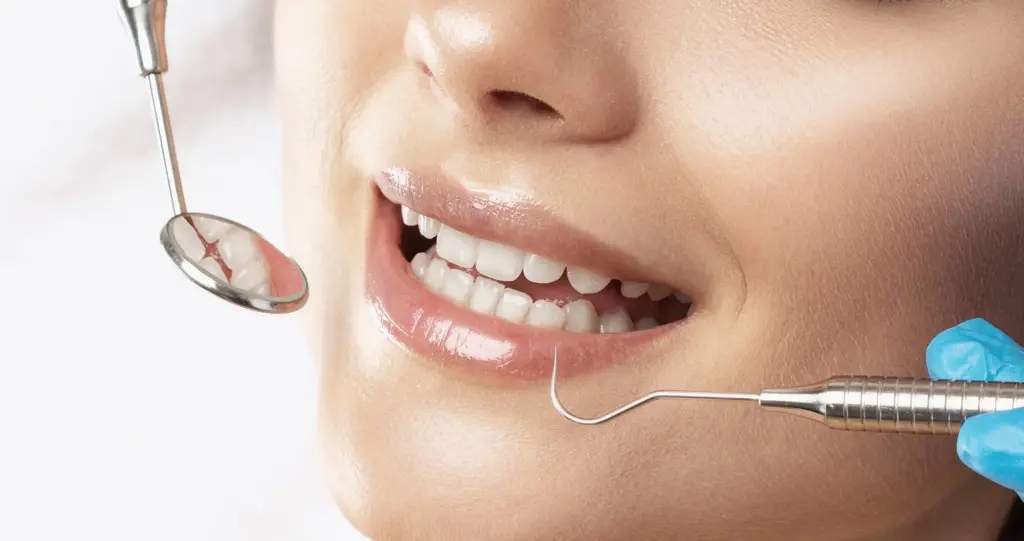
Dentistry focuses on diagnosing, preventing, and treating conditions of the teeth, gums, and oral structures, supporting oral health and overall well-being.

We're Here to Help.
Get in Touch.

Send us all your questions or requests, and our expert team will assist you.

Doctors

Oral Hygiene Tips

The longevity of a dental crown depends primarily on the health of the supporting tooth structure and the surrounding periodontium. While the restorative material itself, whether zirconia dental crown, porcelain, or metal, is immune to biological decay, the interface where the crown meets the tooth (the margin) is highly susceptible to bacterial accumulation. If biofilm is not effectively managed, secondary caries (decay under the crown) or periodontal disease can compromise the restoration, leading to failure. At Liv Hospital, we provide specialized oral hygiene instructions tailored to the unique topography of crowned teeth and dental crowns and bridges, empowering patients to protect their investment and maintain systemic oral health.

Icon LIV Hospital

The Critical Zone: Marginal Hygiene

DENTISTRY

The margin is the most vulnerable point of any crown.

  • Sulcular Brushing: The junction between the crown and the tooth often lies slightly below the gum line. The Modified Bass Technique is essential here. Angle the toothbrush bristles at 45 degrees towards the gingival sulcus. Use a gentle vibratory motion to allow the bristles to penetrate the sulcus and disrupt the biofilm accumulating at the crown margin.
  • Avoid Recession: Aggressive scrubbing with stiff bristles can cause gum recession, exposing the crown margin and the underlying root surface. This creates an aesthetic defect and increases the risk of root decay. Always use a soft or extra-soft toothbrush.
Icon 1 LIV Hospital

Interproximal Cleaning

DENTISTRY

Crowns have contoured contact points that must be maintained.

  • Flossing Technique: Floss must be used daily to clean the mesial and distal surfaces of the crown. Instead of snapping the floss down, slide it gently through the contact. Wrap the floss in a “C” shape around the tooth and move it up and down, going beneath the gum line to clean the margin.
  • Pull-Through Method: When flossing a temporary crown, it is crucial to pull the floss out to the side rather than snapping it back up, as this can dislodge the temporary crown. For permanent crowns, standard vertical removal is safe.
  • Interdental Brushes: For patients with larger embrasure spaces or gum recession around crowns, interdental brushes (proxabrushes) are often more effective than floss. They rely on friction to remove plaque from concavities on the root surface that floss may miss.

Hygiene for Bridges and Splinted Crowns

If the crowns are connected (as in dental crowns and bridges), standard flossing is impossible.

  • Floss Threaders: Use a floss threader to guide the floss underneath the connector and the pontic (false tooth).
  • Superfloss: This specialized floss has a stiffened end for threading and a spongy middle section that effectively sweeps out debris from under the bridge units and around the crown margins without causing trauma.

Water Flossers: Oral irrigators are highly recommended for patients with crowns and bridges. The pulsating water stream flushes out food debris and bacteria from deep pockets and hard-to-reach areas under prosthetics. It also stimulates the gingival tissue, reducing inflammation.

Chemical Adjuncts

  • Fluoride: High-concentration fluoride toothpastes or mouthrinses are vital for protecting the natural tooth structure at the crown margin from demineralization (decay). This is especially important for patients with a history of high caries risk.

Antimicrobial Rinses: Mouthwashes containing essential oils or cetylpyridinium chloride (CPC) can help reduce the overall bacterial load. Chlorhexidine may be prescribed for short-term inflammation management after crown preparation.

Dietary Habits for Crown Longevity

  • Regular Exams: Routine check-ups allow the dentist to assess the integrity of the margins with an explorer, detecting any gaps or “washout” of the dental cement for crown retention.

Professional Cleaning: Hygienists use specialized instruments to clean around crowns without scratching the glazed surface. Scratched porcelain accumulates plaque more rapidly.

Managing Parafunctional Habits

Night Guards: If a patient grinds their teeth (bruxism), wearing a custom-fitted occlusal guard at night is mandatory to protect the ceramics from fracture and the periodontal ligament from trauma. This is a critical component of hygiene for the restoration’s survival.

30 Years of
Excellence

Trusted Worldwide

With patients from across the globe, we bring over three decades of medical

Book a Free Certified Online
Doctor Consultation

Clinics/branches
Assoc. Prof. MD. Elif Dilara Arslan Assoc. Prof. MD. Elif Dilara Arslan Dentistry
Group 346 LIV Hospital

Reviews from 9,651

4,9

Was this article helpful?

Was this article helpful?

We're Here to Help.
Get in Touch.

Send us all your questions or requests, and our expert team will assist you.

Doctors

FREQUENTLY ASKED QUESTIONS

Can I floss around my crown?

Yes, you must floss around your crown daily; it is the only way to prevent cavities from forming at the edge where the crown meets the tooth structure.

No, a water flosser uses water pressure that is safe for permanent crowns; in fact, it is excellent for cleaning the complex area around the gum line of a crown.

Use a soft-bristled toothbrush or a pressure-sensor equipped electric toothbrush to clean effectively without causing the gums to recede away from the crown margin.

A non-abrasive, fluoride toothpaste is best. Avoid harsh whitening toothpastes, as they cannot whiten ceramic crowns but can scratch their surfaces, causing them to lose their shine.

You need to use a floss threader, Superfloss, or an interdental brush to get underneath the false tooth and clean the gum tissue and the sides of the supporting crowns.

Spine Hospital of Louisiana

How helpful was it?

helpful
helpful
helpful
Your Comparison List (you must select at least 2 packages)