Dentistry focuses on diagnosing, preventing, and treating conditions of the teeth, gums, and oral structures, supporting oral health and overall well-being.
Send us all your questions or requests, and our expert team will assist you.
The path to a successful sedation appointment begins long before the patient sits in the dental chair. A rigorous diagnostic and evaluation process is the cornerstone of safety. Unlike standard dental treatment, sedation involves the systemic management of the patient’s physiology. The dentist must assess not just the teeth, but the heart, lungs, airway, and metabolic status.
This evaluation is designed to stratify risk. It determines if the patient is a safe candidate for office based sedation or if they require a hospital setting. It also guides the selection of the appropriate sedative agents and the depth of sedation required.
The process involves a forensic review of medical history, a focused physical exam, and a frank discussion about expectations and compliance. It is a collaborative effort between the dental team and the patient to ensure that the chosen modality is both safe and effective.

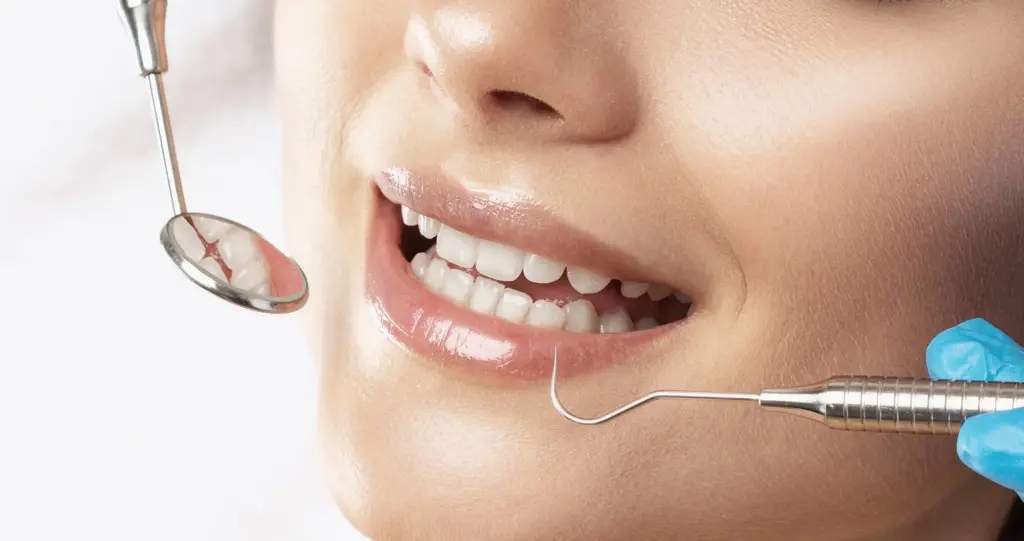
The medical history interview is the first line of defense. The dentist investigates every aspect of the patient’s health. This includes current diagnoses, past surgeries, and any history of adverse reactions to anesthesia.
Specific attention is paid to conditions that affect drug metabolism (liver or kidney disease) or respiratory function (asthma, COPD). The dentist looks for “red flags” such as sleep apnea, which significantly increases the risk of airway obstruction during sedation.


Dentists use the American Society of Anesthesiologists (ASA) Physical Status Classification System to categorize patient risk. This is a universal language in medicine.
ASA I is a healthy patient. ASA II is a patient with mild systemic disease. Office based sedation is typically reserved for ASA I and II patients. ASA III patients (severe systemic disease) require careful consultation, and ASA IV patients are generally treated in a hospital environment due to the high risk of complications.
The airway is the most critical system to monitor during sedation. The dentist performs a physical exam of the neck, jaw, and throat. They utilize the Mallampati classification, which visualizes the soft palate and uvula to predict the ease of keeping the airway open.
Patients with a short neck, limited mouth opening, or large tonsils may be at higher risk for airway obstruction when the muscles relax under sedation. Identifying these anatomical markers beforehand allows the team to prepare appropriate airway adjuncts.

Baseline vital signs provide a snapshot of the patient’s physiological stability. The dentist records blood pressure, heart rate, and oxygen saturation. Irregular heart rhythms or uncontrolled high blood pressure may require medical clearance from a cardiologist.
The dentist listens to the lungs to ensure they are clear. An active respiratory infection or wheezing is a contraindication for elective sedation, as it increases the risk of laryngospasm and desaturation.

Send us all your questions or requests, and our expert team will assist you.

A thorough review of all prescription drugs, over the counter medications, and herbal supplements is mandatory. Sedatives can interact with many common drugs. For example, opioids or other CNS depressants can have a synergistic effect, leading to dangerous respiratory depression.
Herbal supplements like St. John’s Wort or Valerian Root can alter the metabolism of sedatives. The dentist must know exactly what is in the patient’s system to calculate safe dosages and avoid toxic interactions.
NPO stands for “Nil Per Os,” meaning nothing by mouth. Fasting guidelines are strict safety protocols designed to prevent aspiration. If a sedated patient vomits, they may inhale the stomach contents into the lungs, which can be fatal.
The standard guideline is usually no food for 6 to 8 hours prior to sedation and no clear liquids for 2 hours prior. Compliance with these guidelines is non negotiable. Non compliance results in the immediate cancellation of the appointment.
The dentist evaluates the patient’s anxiety level and cooperativeness. This helps in selecting the right level of sedation. A patient with mild anxiety might do well with nitrous oxide, while a patient with severe phobia may require IV sedation.
This assessment also screens for body dysmorphia or unrealistic expectations. It ensures that the patient is mentally prepared for the procedure and understands that sedation is a tool to facilitate care, not a magic wand.
For IV sedation, the dentist must ensure that the patient has accessible veins. They inspect the arms and hands for suitable venipuncture sites. Patients with a history of difficult IV starts or damaged veins may require special techniques or alternative sedation methods.
Dehydration makes veins harder to find, so patients are often instructed to stay well hydrated up until the NPO cutoff time.
Informed consent is a legal and ethical necessity. The dentist explains the risks, benefits, and alternatives of sedation. Risks include respiratory depression, hematoma at the IV site, and prolonged drowsiness.
The patient must understand the post operative limitations, such as the inability to drive or sign legal documents. This discussion ensures that the patient enters the procedure with their eyes open to the responsibilities involved.
For patients with complex medical histories, the dentist does not work in a silo. They may issue a medical consultation request to the patient’s primary care physician or specialist.
This consultation clears the patient for sedation and may involve instructions for managing blood thinners or diabetic medications on the day of the procedure. It creates a medical safety net around the dental appointment.
The Mallampati score is a visual test used by doctors to predict how difficult it will be to manage a patient’s airway. The patient sticks out their tongue, and the doctor looks at the soft palate. A high score (Class IV) means the airway is crowded, indicating a higher risk for obstruction during sedation.
When you are sedated, the reflexes that prevent you from choking (like coughing) are suppressed. If you vomit while sedated and have food in your stomach, you could inhale it into your lungs. This causes aspiration pneumonia, a life threatening complication. Fasting keeps the stomach empty to prevent this.
Yes, marijuana use significantly affects sedation. It can increase the amount of sedative medication required and can affect heart rate and blood pressure. It is crucial to be honest with your dentist about marijuana use so they can adjust the medication safely.
If you have a cold, cough, or stuffy nose, your appointment should be rescheduled. A compromised airway increases the risk of respiratory complications like laryngospasm (vocal cord spasm) during sedation. Safety dictates waiting until your lungs are clear.
Sedative medications impair your judgment, reflexes, and coordination for hours after the procedure, even if you feel “fine.” Driving under the influence of sedatives is illegal and dangerous. An escort ensures you get home safely and monitors you during the initial recovery period.

Your Comparison List (you must select at least 2 packages)