Dentistry focuses on diagnosing, preventing, and treating conditions of the teeth, gums, and oral structures, supporting oral health and overall well-being.
Send us all your questions or requests, and our expert team will assist you.
The symptoms of Temporomandibular Disorders are diverse and can extend far beyond the jaw itself. Because the TMJ is connected to a complex network of muscles and nerves that serve the head and neck, pain and dysfunction often radiate to surrounding areas. Patients frequently present with a constellation of symptoms that can be confusing, leading them to see multiple specialists before a dental diagnosis is made.
Symptoms can be classified into functional limitations, pain sensations, and auditory noises. They can present acutely, with sudden onset and high intensity, or chronically, as a low grade annoyance that worsens over time. Understanding the breadth of these symptoms is critical for recognizing the condition.
Many patients do not realize that their headaches, earaches, or neck pain are actually stemming from their jaw. The trigeminal nerve, which innervates the TMJ, has complex connections with other nerves in the head and neck, facilitating this referred pain phenomenon.

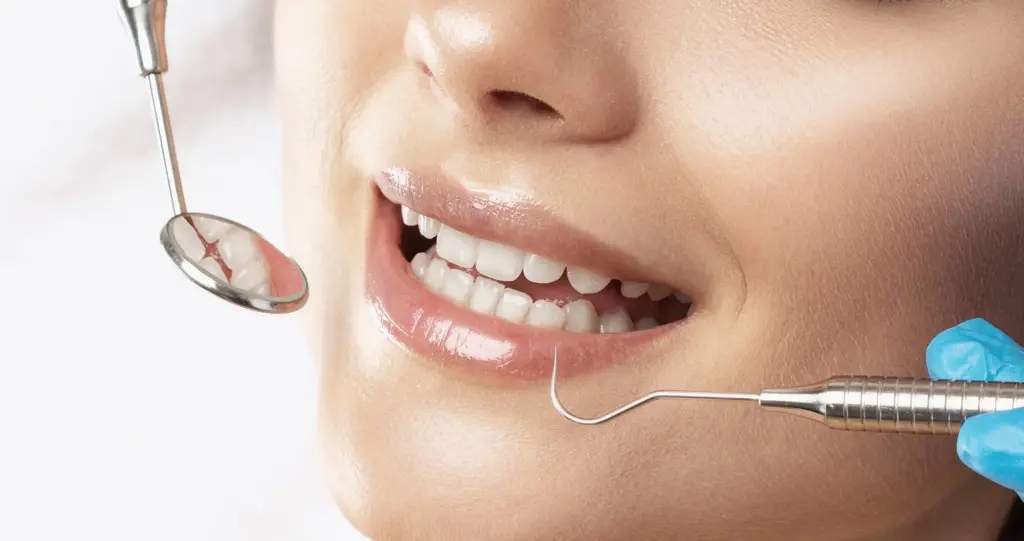
The most prominent symptom of TMD is pain in the face and jaw. This pain is often described as a dull, aching ache that worsens with function, such as chewing tough foods or talking for extended periods. It is typically unilateral but can affect both sides.
The pain is frequently localized to the masseter muscle in the cheek or the temporalis muscle in the temple. Patients often wake up with this pain if they have been clenching their teeth during sleep. The pain can fluctuate in intensity depending on stress levels and daily activities.


Auditory symptoms are a hallmark of internal joint derangement. Clicking or popping sounds occur when the articular disc is displaced and snaps back into place during movement. This is known as “reduction.”
A different sound, known as crepitus, is described as a grinding, gravel like noise. This typically indicates degenerative changes in the joint surfaces, such as osteoarthritis. While clicking can be painless, crepitus is often associated with inflammation and structural breakdown.
A healthy mouth should be able to open roughly 40 to 50 millimeters, or the width of three fingers. TMD often restricts this range of motion. This limitation can be due to muscle stiffness (trismus) or a physical blockage within the joint.
When the articular disc is displaced and does not pop back into place, it acts as a doorstop, preventing the condyle from sliding forward. This results in a “closed lock,” where the patient can only open about 20 to 25 millimeters.

The TMJ is located immediately in front of the ear canal. Because of this proximity and shared nerve pathways, TMD symptoms often mimic ear infections. Patients frequently report ear pain, a feeling of fullness or stuffiness in the ear, or tinnitus (ringing).
Many patients visit an ENT specialist first, only to find their ears are healthy. The “ear pain” is actually referred pain from the inflamed joint capsule or the lateral pterygoid muscle pulling on structures near the Eustachian tube.
Headaches are a pervasive symptom of TMD. The temporalis muscle, which fans out across the side of the head, is a primary chewer. When this muscle is overworked from clenching, it causes tension headaches in the temples.
TMD can also act as a trigger for true migraines. The constant nociceptive input from the jaw muscles sensitizes the trigeminal system, lowering the threshold for a migraine attack. Treating the jaw often reduces the frequency and intensity of these headaches.
The head, neck, and jaw function as a kinetic chain. Dysfunction in the jaw alters head posture, leading to strain in the cervical muscles. Conversely, poor neck posture can pull on the jaw muscles, exacerbating TMD.
Patients often report chronic stiffness in the neck, pain in the trapezius muscles (shoulders), and limited ability to turn their head. This cervicogenic component is so strong that physical therapy for the neck is often a required part of TMD treatment.
The forces generated by clenching and grinding are destructive to the teeth. Patients with muscular TMD often exhibit excessive wear on their biting surfaces. The teeth may appear flat, short, or chipped.
This excessive force can also cause the teeth to become hypersensitive to cold or biting pressure. In some cases, the trauma is so severe that it causes abfractions, which are wedge shaped notches at the gumline where the enamel has flexed and flaked away.
When the joint is inflamed or the disc is displaced, the position of the jawbone changes. This can result in a sudden change in how the teeth fit together. Patients may feel that their bite is “off” or that they can only touch on one side.
This is known as an acute malocclusion. In severe degenerative cases, the bone of the condyle may shorten, causing an open bite where the front teeth no longer touch. These shifts are diagnostic indicators of structural changes within the joint.
Locking is a frightening symptom. A “closed lock” occurs when the mouth cannot open fully because the disc is in the way. An “open lock” occurs when the mouth is stuck open and cannot close.
Open lock, or dislocation, happens when the condyle moves too far forward over the articular eminence and gets stuck. The muscles then spasm, holding the jaw in this dislocated position. This often requires manual manipulation by a doctor to resolve.
While less common, vestibular symptoms can be related to TMD. The tensor tympani and tensor veli palatini muscles, which affect the middle ear, are innervated by the same nerve as the chewing muscles. Hyperactivity in the jaw can create secondary effects in these ear muscles.
This can lead to subjective feelings of unsteadiness, dizziness, or vertigo. While other causes must be ruled out, resolving jaw tension often alleviates these vestibular symptoms in TMD patients.

Send us all your questions or requests, and our expert team will assist you.
The muscles of the jaw and the muscles of the neck are functionally connected. When you clench your jaw, you also contract neck muscles to stabilize the head. Chronic tension in the jaw creates a spillover effect, causing fatigue and pain in the neck and shoulders.
Yes, muscle tension from clenching can refer pain to the teeth, making them ache even if the teeth are healthy. Additionally, the physical force of grinding can inflame the ligaments around the teeth, causing sensitivity to chewing and temperature.
If a clicking joint stops clicking but your opening becomes limited, it usually means the condition has progressed from a “reducing” displacement to a “non reducing” displacement. The disc is now permanently stuck in front of the joint, blocking movement and silencing the click.
Tinnitus related to TMD is often fluctuating and can be resolved or significantly reduced with treatment. By relaxing the muscles that share nerve pathways with the ear and reducing inflammation, the ringing sensation often diminishes.
Worsening symptoms in the morning are a strong indicator of nocturnal bruxism. While you sleep, you may be clenching or grinding your teeth with forces much higher than during the day, leaving your muscles exhausted and joints inflamed upon waking.


Leave your phone number and our medical team will call you back to discuss your healthcare needs and answer all your questions.
Your Comparison List (you must select at least 2 packages)