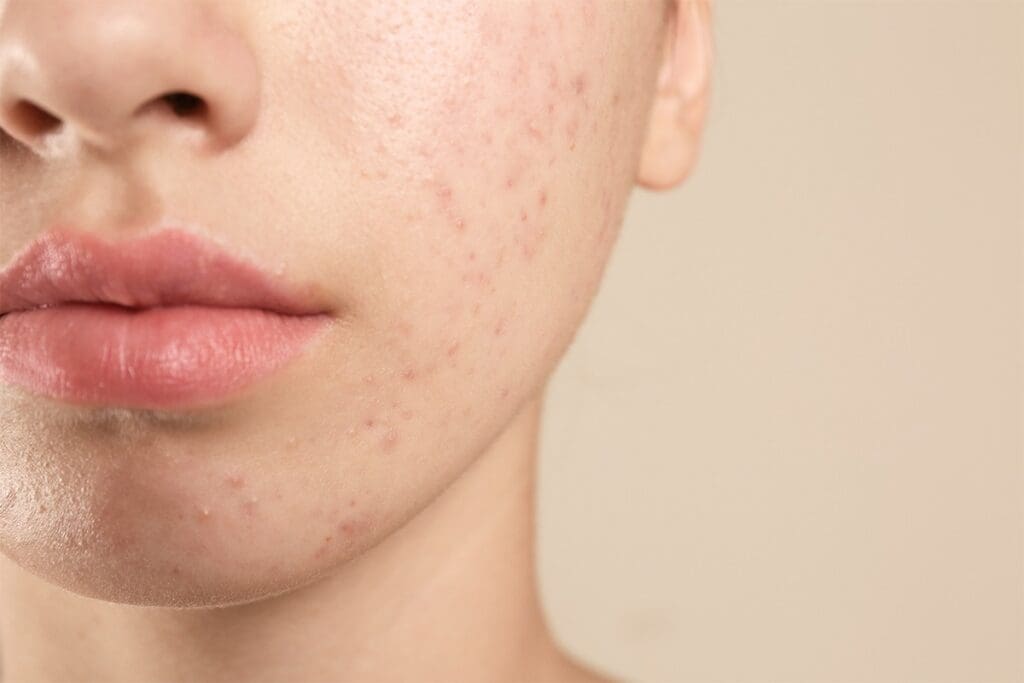
Teenagers often deal with acne, which can really hurt their self-esteem. With up to 85% of teens getting acne, it’s key to get expert help.
Seeing adermatologist can help teens manage their skin better. A dermatologist can give personalized treatments and advice for tackling acne. Seeing a dermatologist about acne is a crucial step for teens. This essential guide reveals why it’s a game-changer for clear, healthy skin
Key Takeaways
- Teenagers with persistent acne should see a dermatologist.
- A dermatologist can offer tailored advice and treatment for acne.
- Early treatment can prevent lasting skin damage.
- Professional advice can boost a teenager’s confidence and self-esteem.
- There are many effective treatments for teen acne.
Common Skin Issues Affecting Teenagers
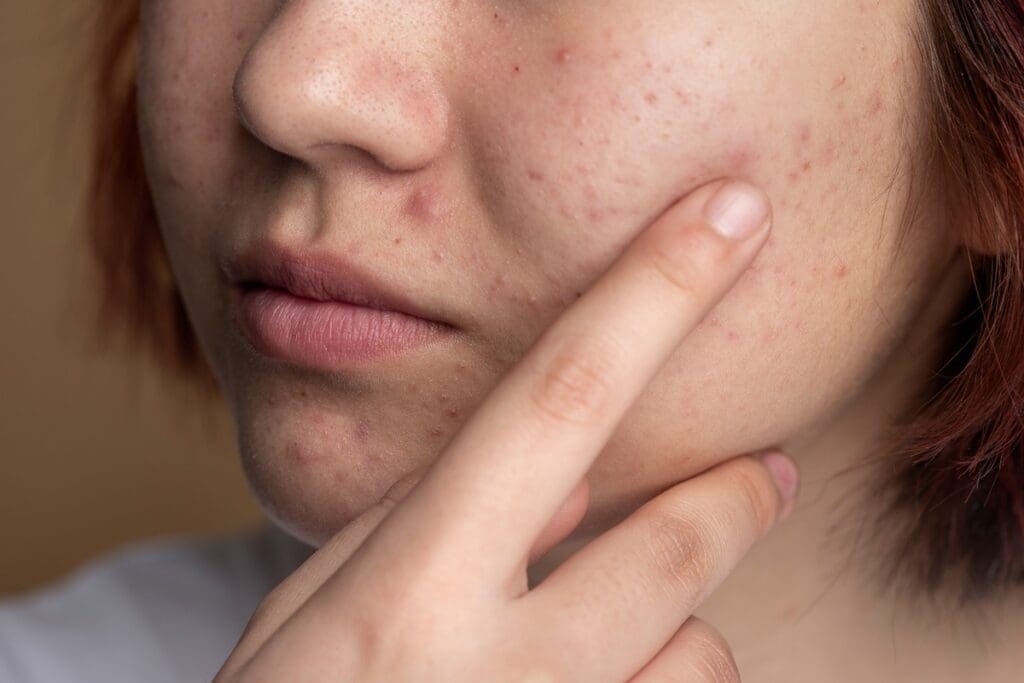
Teenage years bring big changes to the skin, leading to many skin problems. Up to 85% of teens face acne, which can hurt their self-esteem. A dermatology expert says, “Acne is not just about looks; it affects teens’ minds deeply.”
Acne: Affecting Up to 85% of Teens
Acne is a big problem for teens, caused by hormones, stress, and bad skincare. Finding the best treatment for acne in teenagers is key to avoiding scars.
Looking for a pimples remedy teenage solutions often leads to store-bought products. But, these might not work. So, seeing a dermatologist for best acne treatment for teens is a good idea.
Eczema and Other Inflammatory Skin Conditions
Eczema, or atopic dermatitis, is common in teens. It makes skin red, itchy, and inflamed. It really affects their life. To manage eczema, avoid triggers and use the right creams.
Hormonal Changes and Their Effect on Teenage Skin
Hormonal shifts in puberty cause skin problems like acne and more oil. Knowing how hormonal changes affect the skin helps teens take better care of it.
“Hormonal changes during adolescence can lead to skin issues that require professional care,” notes a dermatologist.
By tackling these skin issues, teens can get better skin and feel better overall. It’s important for teens and their parents to know about treatments and when to get help.
Signs Your Teen Should Consult a Dermatologist About Acne

Acne can really affect teens’ lives. While mild cases might be handled with store-bought treatments, some need a dermatologist’s help.
Persistent Acne That Doesn’t Respond to Over-the-Counter Treatments
If your teen’s acne won’t go away with over-the-counter treatments, they might need acne treatment for teens from a dermatologist. This kind of acne can be really frustrating. It might mean they need stronger medicine or other treatments.
Severe or Cystic Acne That May Cause Scarring
Severe acne or cystic acne can lead to scarring and emotional pain. If your teen has big, painful pimples or nodules, they should see a dermatologist acne treatment specialist. This is to prevent serious skin damage.
Acne That Affects Quality of Life and Self-Esteem
Acne that hurts a teen’s self-esteem or quality of life is a big sign they need to see a dermatologist. It can make them feel less confident and affect their social life. A dermatologist can help with treatments that improve their life and skin.
Seeing a dermatologist early can really help with acne. It can prevent long-term problems like scarring and skin damage.
Beyond Acne: Other Reasons for Teen Dermatologist Visits
Acne is a big worry for teens, but it’s not the only skin problem they face. Many teens deal with other skin issues that need a dermatologist’s help. These can be sudden, unexplained, or ongoing, and often need expert care.
Sudden or Unexplained Skin Changes
Teens might see sudden skin changes that worry them. These can be rashes, color changes, or textures that pop up without a reason. A dermatologist can figure out what’s causing these changes and suggest the right treatment. It’s important for teens to know that some skin changes can signal health problems that need attention.
Suspicious Moles or Growths Requiring Assessment
Seeing moles or growths that look off is another reason to see a dermatologist. While skin cancer is rare in teens, it can happen. A dermatologist can check these out to see if they’re safe or if they need more looking into. Catching problems early is key to managing serious skin issues. Teens should watch their skin and tell a dermatologist about any new or changing moles.
Chronic Skin Conditions Like Psoriasis or Eczema
Conditions like psoriasis or eczema can really affect a teen’s life. These need ongoing care to keep symptoms under control and prevent bad flare-ups. A dermatologist can help manage these, suggesting treatments and lifestyle changes to help teens deal with their symptoms.
In short, while acne is a big deal for teens, other skin issues can also pop up. By knowing about these and getting help when needed, teens can keep their skin healthy and strong during their teen years and beyond.
The Alarming Statistics: Why Early Dermatological Care Matters
Statistics show a worrying trend in teen dermatology care. Many teens face skin problems, but they often don’t get the right care.
Only 36.5% of Teens with Skin Conditions See Specialists
Only about 36.5% of teens with skin issues see a dermatologist. This is a big concern because untreated skin problems can have serious long-term effects.
There are many reasons for this low number. Some teens don’t know they need to see a dermatologist. Others might be scared or think it’s embarrassing. But, it’s very important for parents to know how early care can help.
Benefits of Early Intervention and Professional Assessment
Seeing a dermatologist early can really help teens with skin problems. A professional can give the right diagnosis and treatment plan. This makes care more effective.
For example, treating acne early can stop scarring and help teens feel better about themselves. Early treatment for eczema or psoriasis can also improve their life and prevent serious problems.
Early dermatological care has many benefits:
- Less chance of permanent scarring
- Better treatment results
- Improved life quality
- Better control of chronic conditions
Preventing Permanent Scarring and Skin Damage
One big plus of early dermatology care is stopping scarring and skin damage. If acne isn’t treated, it can cause lasting scars. These scars can really affect a teen’s self-esteem.
By getting professional help, teens can get treatments that fix current problems and prevent future ones. This approach can greatly improve their well-being and confidence.
Social Media Skincare Trends: The Need for Professional Guidance
Social media is big in skincare routines for teens. It’s key to know the risks of following trends without proof. TikTok and Instagram are huge for teens, but they shouldn’t be the only source for skincare tips.
Dangers of Following Unverified TikTok and Instagram Advice
Following advice from social media can harm teen skin. Trends on these sites often lack scientific proof. They might not fit everyone’s skin, leading to skin irritation, dryness, and infections.
Some risks include:
- Using products not right for your skin
- Over-exfoliating or losing natural oils
- Ignoring allergic reactions to ingredients
Common Skin Irritations and Allergies from Trendy Products
Trendy products can cause skin irritations and allergic reactions. Teens might see redness, itching, or burning. In bad cases, it can damage skin long-term or cause contact dermatitis.
“The skin is a complex organ, and what works for one person may not work for another. It’s vital to approach new skincare products with caution and under the guidance of a dermatologist.”
-Experts emphasize.
Building a Safe, Effective, and Age-Appropriate Skincare Routine
Teens should talk to a dermatologist to avoid social media skincare traps. A pro can make a personalized skincare routine for you. This ensures products work well and are safe.
Key parts of a good skincare routine include:
- Knowing your skin type and concerns
- Choosing products with scientific backing
- Testing new products slowly
With expert advice, teens can have healthy skin. They won’t fall into the dangers of unverified social media trends.
What to Expect During a Teen’s First Dermatology Appointment
Going to a dermatologist for the first time can be scary for teens. But knowing what to expect can make it easier. Top hospitals focus on giving the best care, and the first visit is key.
Typical Examination and Consultation Procedures
The dermatologist will start by asking about your skin worries and health history. They’ll also ask about any treatments you’ve had before. Then, they’ll check your skin to find any problems.
They might talk about how your lifestyle affects your skin. This includes what you eat, how you take care of your skin, and sun exposure. This helps them figure out why you have skin issues and how to fix them.
Treatment Options for Teen Acne and Other Skin Conditions
After checking and talking, the dermatologist will suggest treatments for your skin. For acne, this could be creams, pills, or even blue light therapy. They aim to find the best treatment with the least side effects.
For conditions like eczema or psoriasis, treatments might include creams, moisturizers, or pills. The doctor will explain the good and bad of each option. This way, you and your parents will know what to expect.
Insurance Coverage and Cost Considerations
It’s important to know about insurance coverage and costs before starting treatment. Many plans cover visits and treatments for skin problems. The doctor’s office can help with insurance questions and paperwork.
If you don’t have insurance or have limited coverage, there might be help available. Talking to the office staff can help figure out costs and find ways to make care more affordable.
Being ready for your first dermatology visit can help you and your parents. It’s a big step towards better skin and health.
Conclusion: Making Informed Decisions About Teen Dermatology Care
It’s very important to make smart choices about teen dermatology care. This is because common skin problems like acne, eczema, and hormonal changes can really affect a teen’s life.
Getting help from a dermatologist is key for quick and effective treatment. Teen dermatology care can stop permanent scarring and skin damage. It also helps deal with the emotional and psychological effects of skin issues.
Parents and guardians should watch for signs that their teen might need to see a dermatologist. This includes persistent or severe acne. By acting quickly, they can help their teens get the care they need. This way, they can keep their skin healthy and boost their self-confidence.
In the end, making smart choices about teen dermatology care can greatly improve a teenager’s well-being. By knowing the value of professional advice and timely action, parents can support their teens through the ups and downs of adolescence.
FAQ
What are the best treatments for acne in teenagers?
For teenagers, the best treatments often include topical retinoids, benzoyl peroxide, and antibiotics. A dermatologist will prescribe these. In severe cases, oral isotretinoin might be suggested.
How can I prevent pimples as a teenager?
To prevent pimples, start with a gentle skincare routine. Use cleansers and products that don’t clog pores. Avoid touching your face and don’t pop pimples.
When should a teenager see a dermatologist for acne?
See a dermatologist if your acne is persistent, severe, or scarring. Also, if over-the-counter treatments don’t work. Early treatment can prevent lasting skin damage.
Are there any effective cures for teenage acne?
There’s no single cure for teenage acne. But, effective treatments can manage it. A dermatologist will find the best plan for your skin and acne level.
Can hormonal changes during adolescence cause acne?
Yes, hormonal changes can lead to acne in teens. Increased androgens make oil glands work harder, causing clogged pores and acne.
What are the signs that I need to see a dermatologist for my acne?
You should see a dermatologist if your acne is persistent or severe. Also, if it’s causing scarring or affecting your self-esteem and daily life.
How can I build a safe and effective skincare routine as a teenager?
Start with gentle, non-comedogenic products that fit your skin type. Avoid harsh products and excessive scrubbing. Always get advice from a dermatologist for your specific needs.
Are social media skincare trends safe for teenagers to follow?
Not all social media skincare trends are safe for teens. Many products or methods can irritate or cause allergic reactions. Always check with a dermatologist before trying new trends.
Will my insurance cover a visit to a dermatologist?
Many insurance plans cover dermatologist visits, including for necessary treatments. Check with your insurance to see what’s covered and any costs you might face.
References
- Reynolds, R. V., et al. (2024). Guidelines of care for the management of acne vulgaris. Journal of the American Academy of Dermatology.https://pubmed.ncbi.nlm.nih.gov/38300170/