Breathing problems from a deviated septum can really affect your daily life. Luckily, septoplasty, a surgery to fix nasal issues, can help. People often ask when they’ll start breathing better after the surgery.
Recent studies and doctor’s experiences give us good info on septoplasty surgery. They show that breathing gets better in the first few weeks after surgery.
Studies found big improvements in breathing tests after septoplasty. This shows the surgery really works to make breathing easier. As we dive deeper, it’s clear that how fast you recover and breathe better are connected.
Key Takeaways
- Breathing improvement is often noticeable within the first three weeks after septoplasty.
- Septoplasty surgery leads to statistically significant gains in pulmonary function.
- Patients can expect improved respiratory function following the procedure.
- The recovery period is closely linked to breathing improvement.
- Septoplasty is an effective solution for correcting nasal deviation and improving breathing.
What Happens During Septoplasty Surgery
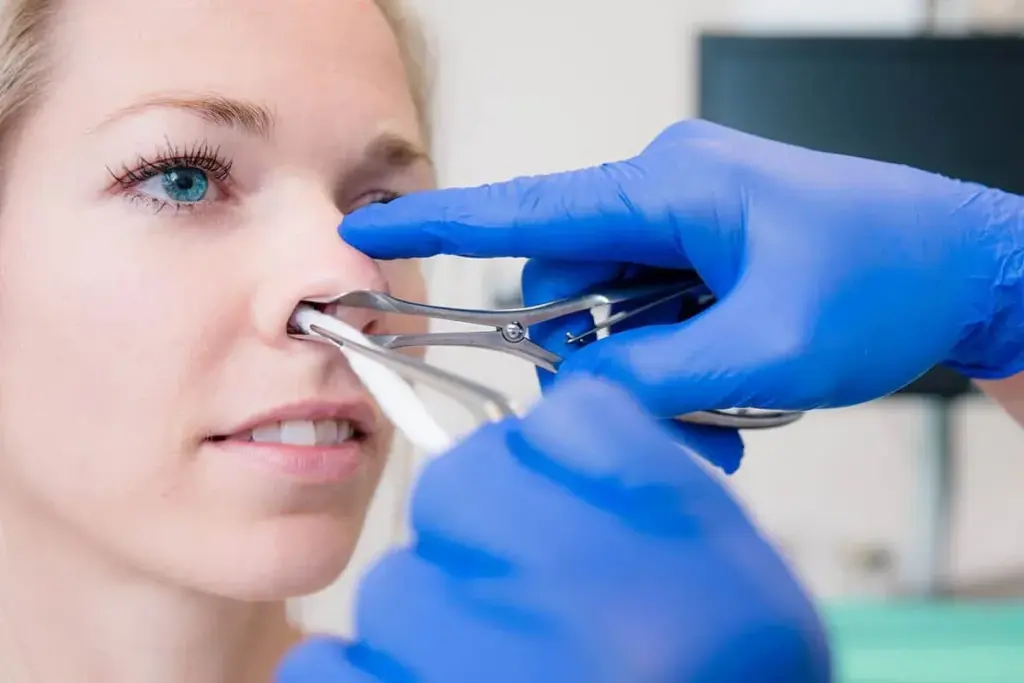
Learning about septoplasty surgery can ease worries for those considering it. This surgery fixes a deviated septum. It’s the cartilage and bone that splits the nasal cavity into two parts.
The Surgical Procedure Explained
The septoplasty process has several steps. First, the surgeon makes an incision on one side of the septum. This lets them get to the deviated area.
Next, they lift the mucous membranes off the septum. This allows them to remove or fix the deviated parts. Sometimes, they also shrink the turbinate bones. These bones can block airflow if they’re too big.
Key steps in the septoplasty procedure include:
- Incision on one side of the nasal septum
- Lifting of mucous membranes to access the septum
- Removal or repositioning of the deviated septum portions
- Possible reduction of turbinate bones
Types of Anesthesia Used
Septoplasty can use local or general anesthesia. Local anesthesia numbs the nose but keeps the patient awake. General anesthesia makes the patient sleep, which is better for complex cases or those who prefer to be asleep.
|
Anesthesia Type |
Description |
Patient Experience |
|---|---|---|
|
Local Anesthesia |
Numbing of the nasal area |
Patient remains awake |
|
General Anesthesia |
Induces unconsciousness |
Patient is asleep during surgery |
Average Duration of the Operation
Septoplasty usually takes 60 to 90 minutes. But, it can take longer if the case is complex or if other procedures are done at the same time.
Understanding Deviated Septum and Its Breathing Impact
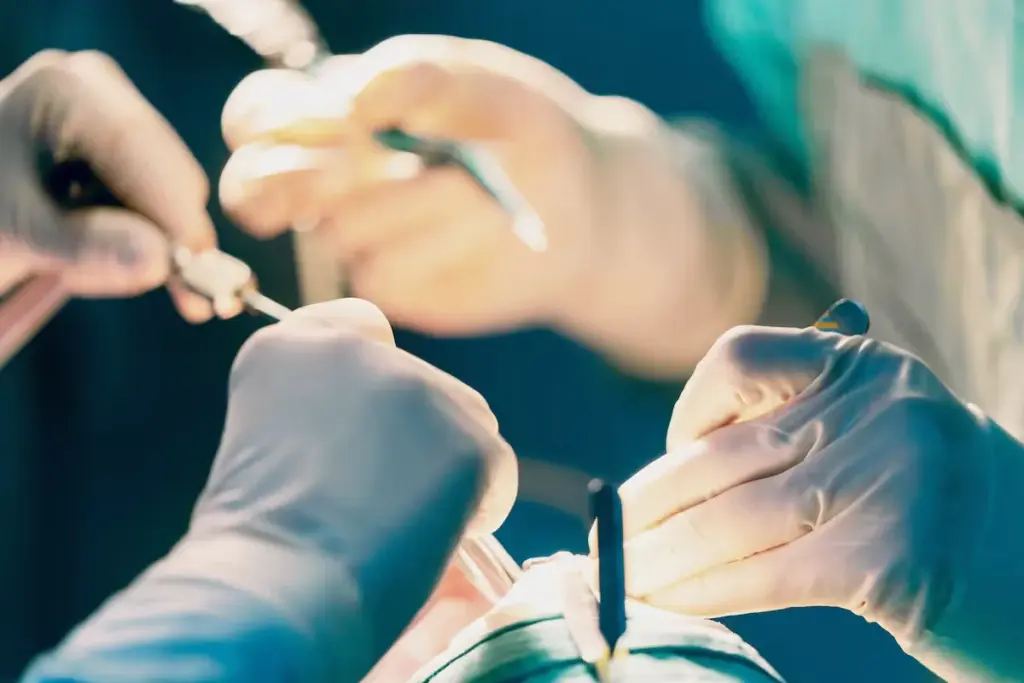
It’s important to know how a deviated septum affects breathing. The nasal septum is the cartilage and bone that splits the nasal cavity into two parts. If it’s not straight, it can make breathing hard.
Anatomy of a Normal vs. Deviated Septum
A normal septum is straight and divides the nasal passages evenly. But a deviated septum, caused by genetics, injury, or development issues, makes one passage smaller. This can really affect airflow, making it tough to breathe.
How Deviation Restricts Airflow
A deviated septum can block airflow, causing turbulence in the nasal passages. This makes breathing harder. The more the septum is off, the harder it is to breathe.
Severity Levels and Their Symptoms
The symptoms of a deviated septum depend on how bad it is. Common signs include:
- Nasal congestion
- Difficulty breathing through one or both nostrils
- Frequent nosebleeds
- Loss of smell
- Facial pain or headache
The severity can be mild, moderate, or severe. Here’s a table that shows what each level means:
|
Severity Level |
Symptoms |
|---|---|
|
Mild |
Occasional nasal congestion, slight difficulty breathing |
|
Moderate |
Frequent nasal congestion, noticeable difficulty breathing |
|
Severe |
Constant nasal congestion, significant difficulty breathing, possible loss of smell |
Knowing how bad your deviated septum is helps figure out the best treatment. This might include septorhinoplasty for serious cases.
Hospital Stay and Immediate Post-Operative Experience
After septoplasty, patients face a hospital stay and initial recovery hurdles. A thorough check-up before discharge helps avoid immediate issues.
Typical Hospital Stay Expectations
Patients usually stay in the hospital for 2 to 3 days after septoplasty. Medical staff watch over them, managing pain and any concerns. This stay is key for a smooth recovery.
Initial Breathing Challenges with Packing
Nasal packing is used to control bleeding and support the septum after surgery. It can block the nasal passages, making breathing hard. Patients are told to breathe through their mouth and use humidified oxygen to ease discomfort.
Pain Management Protocols
Managing pain is a top priority after surgery. Patients get pain meds, and the dose is adjusted as needed. The aim is to keep pain low while keeping the patient safe and comfortable.
|
Day |
Expected Symptoms |
Management Strategies |
|---|---|---|
|
1-2 |
Nasal congestion, pain |
Humidified oxygen, pain medication |
|
2-3 |
Swelling, bruising |
Cold compresses, elevation of head |
|
3+ |
Gradual improvement |
Nasal saline irrigations, continued pain management |
Knowing what to expect during the hospital stay and early recovery helps patients prepare for septoplasty recovery. Good pain management and following post-op instructions are vital for a successful recovery.
The First Week After Surgery: What to Expect
Knowing what to expect in the first week after septoplasty can make recovery easier. This time is key for managing symptoms and improving breathing.
Managing Nasal Congestion and Discharge
Nasal congestion and discharge are common in the first week. Saline nasal sprays can moisturize and reduce congestion. Following your doctor’s post-operative care is vital for managing these symptoms.
Humidifiers add moisture to the air, helping with dryness and discomfort. Keeping your head elevated while sleeping can also help with congestion.
Sleeping and Breathing Techniques
Sleeping and breathing techniques are important in early recovery. Elevating your bed by 30-40 degrees can reduce swelling and improve breathing. Using nasal strips can also open up your nasal passages, making breathing easier.
Breathing exercises, as suggested by your doctor, can help improve lung function and comfort during this time.
Activity Restrictions During Early Recovery
In the first week, avoid strenuous activities like heavy lifting, bending, or exercise. Rest and relaxation are essential for healing. Patients getting treatment for a deviated nasal septum should be extra careful to avoid complications.
As your doctor advises, you can gradually return to normal activities. It’s important to follow these guidelines for a smooth recovery.
Weeks 2-3: First Measurable Breathing Improvements
Septoplasty patients start seeing breathing improvements in weeks 2 and 3. This is a key time for noticeable gains in breathing ability.
Statistical Improvements in Pulmonary Function
Studies show big improvements in breathing tests in weeks 2-3 after septoplasty. These changes are seen in tests like Forced Expiratory Volume (FEV1) and Forced Vital Capacity (FVC).
|
Pulmonary Function Test |
Pre-Septoplasty Average |
Post-Septoplasty (Weeks 2-3) Average |
Improvement Percentage |
|---|---|---|---|
|
FEV1 (Liters) |
2.5 |
3.0 |
20% |
|
FVC (Liters) |
3.2 |
3.8 |
18.75% |
Table: Average improvements in pulmonary function tests post-septoplasty.
What These Improvements Feel Like Subjectively
Patients say their breathing feels easier and more natural. They notice less nasal congestion and better airflow. This makes daily tasks less hard.
Some say they can breathe more freely or feel less nasal pressure. These changes make a big difference.
In weeks 2-3, patients also see better sleep and more energy. This is thanks to better oxygen levels.
One Month Milestone: Recovery Progress
At the one-month mark after septoplasty, patients see big improvements. Their bodies have healed a lot, and they notice better breathing and nasal function.
Typical Healing Timeline at 4 Weeks
By four weeks, the nasal passages are almost back to normal. Swelling has gone down a lot, and tissues are healing. Breathing gets better, but some might feel a bit stuffy.
The healing keeps going, and patients often need less nasal spray. It’s key to keep up with post-op care to heal right.
Return to Normal Activities
By one month, many can go back to work and light exercise. But, it’s important to avoid hard activities that could hurt the nose or raise blood pressure.
Doctors suggest slowly getting back into activities. Avoid heavy lifting and sports for a bit longer. Sleeping with your head up helps with swelling.
Residual Symptoms at This Stage
Even with big progress, some symptoms like mild stuffiness or discharge might stick around. These can be managed with saline sprays and good nasal care.
Patients might notice breathing changes due to humidity or the nasal cycle. These usually get better as healing continues.
|
Symptom |
Typical Status at 4 Weeks |
|---|---|
|
Nasal Congestion |
Mild, improving |
|
Nasal Discharge |
Decreasing |
|
Breathing Improvement |
Noticeable, ongoing |
|
Activity Level |
Returning to normal, with caution |
Three-Month Outcomes: Significant Clinical Improvements
After three months of septoplasty, many people see a big drop in nasal blockage symptoms. This time is key to see how well the surgery worked and how recovery is going.
72% of Patients Experience Improved Nasal Obstruction
About 72% of those who had septoplasty notice better airflow. This is because the surgery fixed the deviated nasal septum, which was blocking the airway.
NOSE Score Reductions of 27+ Points
The Nasal Obstruction Symptom Evaluation (NOSE) score helps measure nasal blockage symptoms. Studies show a big drop in NOSE scores, averaging 27+ points less at three months after septoplasty. This means a big boost in breathing through the nose and better quality of life.
VAS Score Improvements from 6.3 to 2.4
The Visual Analog Scale (VAS) is used to track symptom severity. By three months after septoplasty, scores drop from 6.3 to 2.4. This shows a big decrease in feeling blocked and uncomfortable in the nose.
These results show septoplasty surgery really works for deviated nasal septum problems. By three months, people notice a big change in breathing and overall nasal function.
Six to Seven Month Results: Quality of Life Changes
Six to seven months after septoplasty, people see big changes in breathing and life quality. This time is key as it shows the surgery’s lasting effects.
Better Quality of Life Reports
About 68% of patients say their life gets better after septoplasty. This is because the surgery fixes the deviated septum. It makes breathing easier and improves overall health.
These life quality improvements are real and shown in many ways. People can do daily tasks more easily. They also have fewer problems with breathing through their nose.
Long-term Breathing Pattern Stabilization
By six to seven months after septoplasty, breathing gets better. This is because the body heals and adjusts to the new septum.
This stable breathing is a sign of a successful surgery. It means patients can breathe better without the problems caused by a deviated septum.
Exercise and Sleep Quality Improvements
Patients also see big improvements in exercise and sleep. Better nasal airflow means more oxygen during exercise. It also helps sleep by reducing congestion.
|
Aspect |
Pre-Septoplasty |
6-7 Months Post-Septoplasty |
|---|---|---|
|
Nasal Congestion |
Frequent |
Reduced |
|
Sleep Quality |
Poor |
Improved |
|
Exercise Tolerance |
Limited |
Enhanced |
These changes add up to a better life. People can do more without breathing problems holding them back.
Factors That Affect Your Breathing Recovery Timeline
The time it takes to see breathing improvements after septoplasty varies. This is because many things can affect how fast you recover. Knowing these factors can help you plan better and make your recovery smoother.
Age and Overall Health Considerations
How old you are and your health can really impact your recovery. Older people might take longer to get better because their bodies aren’t as strong. People with health issues like diabetes or heart disease might find it harder to heal.
Key health factors influencing recovery include:
- Presence of chronic conditions (e.g., asthma, COPD)
- Smoking status
- Nutritional status
- Physical condition before surgery
Severity of the Original Septum Deviation
The size of the septum deviation affects the surgery’s complexity. This, in turn, can change how long it takes to recover. More serious deviations need bigger fixes, which can mean a longer healing time.
|
Deviation Severity |
Average Recovery Time |
|---|---|
|
Mild |
2-4 weeks |
|
Moderate |
4-6 weeks |
|
Severe |
6-12 weeks |
Adherence to Post-Operative Care Instructions
It’s very important to follow your surgeon’s instructions after surgery. This means using nasal saline, avoiding hard work, and going to all your follow-up visits.
Following these steps closely can really help your recovery go smoothly and improve your surgery’s results.
By understanding and dealing with these factors, you can make your recovery easier. This way, you can get the best results from your septoplasty surgery.
Potential Complications That May Delay Improvement
Septoplasty is usually safe, but complications can happen. These can slow down your recovery. Knowing about these issues helps manage your expectations and get help when needed.
Minor Complications and Their Management
Minor problems after septoplasty include nasal crusting, some bleeding, and smell changes. These can be handled with good care. For example, saline solution can clear out crusting, and bleeding might need nasal packing or cauterization.
Nasal crusting is common and can be treated with nasal irrigation. Using a humidifier also keeps your nose moist, preventing crusting.
Major Complications (Occurring in Less Than 5% of Cases)
Major issues, though rare, can be serious. These include heavy bleeding, a hole in the nasal wall, or infection. Severe bleeding might need an emergency surgery to stop it.
Septal perforation is a hole in the nasal wall. It can cause chronic crusting, whistling, and breathing trouble. Sometimes, surgery is needed to fix it.
Warning Signs Requiring Medical Attention
It’s important to know when to see a doctor. Look out for a lot of bleeding, pain that won’t go away, fever, or trouble breathing. Catching these problems early can help your recovery.
- Excessive or uncontrolled bleeding
- Severe pain or swelling
- Fever or signs of infection
- Difficulty breathing or nasal obstruction
Understanding these complications and how to handle them helps you recover better after septoplasty. This ensures the best results.
Optimizing Your Recovery for Better Breathing
Good recovery strategies are key to better breathing after septoplasty surgery. By using the right post-operative care, patients can heal faster and breathe better.
Nasal Irrigation Techniques
Nasal irrigation is important after septoplasty. It cleans out the nasal passages, reduces crusting, and aids in healing. Use a saline nasal spray or a neti pot with sterile saline to gently clean your nasal cavities.
Tips for Effective Nasal Irrigation:
- Use sterile or distilled water to avoid infection.
- Irrigate nasal passages at least twice a day.
- Gently blow your nose after irrigation to remove excess solution.
Environmental Modifications for Healing
Creating a healing-friendly environment is essential. Keep your space clean, avoid allergens, and ensure good air flow.
|
Environmental Factor |
Recommendation |
|---|---|
|
Air Quality |
Use an air purifier to remove allergens and pollutants. |
|
Humidity |
Maintain a relative humidity of 40-60% to prevent dryness. |
|
Temperature |
Keep your environment at a comfortable temperature (around 72°F). |
Dietary and Hydration Recommendations
Eating a balanced diet full of nutrients helps healing. Drinking enough water is also key for keeping your nasal mucosa healthy and supporting recovery.
“Adequate hydration is essential for maintaining the health of the nasal mucosa and supporting the recovery process after septoplasty.”ENT Specialist
Dietary Tips:
- Stay hydrated by drinking plenty of water.
- Include foods high in vitamin C (e.g., citrus fruits, leafy greens) to boost immunity.
- Avoid spicy or hot foods that can irritate nasal passages.
By following these tips, you can improve your recovery and breathe better after septoplasty.
Combined Procedures with Septoplasty
Septoplasty surgery can be done with other procedures for better nasal health. This way, patients can fix many nasal problems at once. It might mean fewer surgeries and shorter recovery times.
Turbinate Reduction and Its Impact on Recovery
Turbinate reduction is often paired with septoplasty. The turbinate bones in the nose can grow too big, blocking air. Cutting these bones helps with breathing. Together with septoplasty, it can make the surgery more effective.
Recovering from septoplasty with turbinate reduction is similar to septoplasty alone. Some might feel more nasal congestion at first. But, this usually goes away in a few weeks.
Septorhinoplasty Recovery Differences
Septorhinoplasty is a mix of septoplasty and rhinoplasty. It tackles both breathing and looks. The recovery might be longer because of the cosmetic part.
It can take up to a year to see the cosmetic changes from septorhinoplasty. But, the breathing improvements usually follow the septoplasty recovery time.
Sinus Procedures and Extended Healing Times
Some might also get sinus procedures like balloon sinuplasty or FESS with septoplasty. These help with chronic sinusitis and other sinus problems.
Adding sinus procedures can make recovery longer. Patients might deal with more nasal discharge or congestion. Yet, many see big improvements in their sinus symptoms and life quality.
Talking to your surgeon about your needs and hopes is key. They can explain the good and bad of combining procedures.
- Key Considerations:
- The possible longer recovery times with combined procedures
- The benefits of fixing many nasal problems at once
- The importance of a custom surgical plan
Patient Experiences and Realistic Expectations
It’s important to know what patients go through after deviated septum surgery. This helps set the right expectations. Everyone’s journey to better breathing is different.
Common Patient-Reported Timelines
People report different times when they start feeling better after septoplasty. Some notice changes in a few weeks. Others take a few months.
“I was amazed at how quickly my breathing improved after the surgery. Within a month, I could breathe through my nose without any issues.”
A study found that patients report improvements at different times:
|
Timeline |
Percentage of Patients Reporting Improvement |
|---|---|
|
Within 1 month |
40% |
|
1-3 months |
30% |
|
3-6 months |
20% |
|
After 6 months |
10% |
Variability in Individual Experiences
Experiences with septoplasty can differ a lot. Things like how bad the septum was, your health, and following doctor’s orders matter.
Key factors influencing variability include:
- Severity of the original septum deviation
- Presence of other nasal or sinus conditions
- Patient’s overall health and age
- Adherence to post-operative care instructions
Managing Expectations vs. Clinical Reality
It’s key to manage what patients expect after surgery. While most outcomes are good, results can vary.
Realistic expectations include:
- Understanding that full recovery may take several months
- Recognizing that some residual nasal congestion is normal during early recovery
- Acknowledging that additional procedures may be necessary in some cases
By knowing these things and keeping expectations realistic, patients can better enjoy their recovery. They’ll appreciate the breathing improvements after septoplasty.
When Breathing Doesn’t Improve: Revision Considerations
Septoplasty can greatly help with nasal breathing for many. But, some patients may not see the expected results after surgery. It’s important to know when to consider a second surgery to manage hopes and get the best results.
Signs that Improvement is Inadequate
Some signs show that septoplasty might not have worked fully. These include:
- Continued nasal obstruction or trouble breathing through the nose
- Recurring or persistent nasal discharge or infections
- No big change in symptoms even after enough time to recover
If you see these signs, talk to a doctor to see if more help is needed.
Timeframe for Evaluating Surgical Success
How long it takes to see if septoplasty worked can vary. But, most people should notice big changes in 3 to 6 months after surgery. Checking in at this time can help figure out if more treatment is needed.
|
Time Post-Surgery |
Expected Outcome |
|---|---|
|
1-3 months |
Initial healing, some improvement in breathing |
|
3-6 months |
Significant improvement in nasal obstruction symptoms |
|
6+ months |
Full recovery, optimal results from septoplasty |
The Revision Consultation Process
If breathing doesn’t get better as hoped, a second look might be needed. A specialist will check how the first surgery went, talk about why it might not have worked, and suggest next steps. This could include another septoplasty or other fixes.
Knowing about the chance for a second surgery and what it involves helps patients make better choices. It also helps them understand what to expect for better breathing.
Multidisciplinary Approach to Recovery at Specialized Centers
Specialized centers are changing how we recover from septoplasty. They use a team approach to care for patients. This means all parts of recovery are covered.
Integrated Care Protocols
At the core of this team effort are integrated care protocols. These plans are made by many healthcare experts. They create a recovery plan that fits each patient’s needs.
Key components of integrated care protocols include:
- Pre-operative assessment and planning
- Intra-operative care and monitoring
- Post-operative pain management and wound care
- Nutritional counseling and hydration guidance
- Follow-up appointments and monitoring
Role of Different Specialists
A team of specialists works together for a smooth recovery. This team may include:
|
Specialist |
Role in Recovery |
|---|---|
|
Otolaryngologist |
Performs the septoplasty surgery and oversees the recovery process |
|
Anesthesiologist |
Administers anesthesia and monitors the patient during surgery |
|
Nurse Practitioner |
Provides post-operative care and guidance |
|
Nutritionist |
Offers dietary advice to support healing |
Innovative Approaches to Post-Operative Care
Specialized centers also use new ways to care for patients after surgery. This includes:
- Advanced nasal irrigation systems
- Personalized pain management plans
- Virtual follow-up appointments
By using these new methods, specialized centers can make recovery better for patients. This improves their overall experience.
Conclusion
Septoplasty is a surgery to fix a deviated septum. It can greatly help with breathing problems. Most people start to feel better within 2-3 weeks after the surgery. How fast you recover depends on your age, health, and how well you follow doctor’s orders. Using nasal sprays, changing your environment, and eating right can also help. These steps can make your recovery better. Research shows that septoplasty can really improve your breathing and life quality. Knowing what to expect from the surgery can help you decide if it’s right for you. Getting the best recovery means working with a team of doctors. Following your doctor’s advice and going to check-ups is key. This way, you can breathe better and have healthier nasal passages.
FAQ
What is septoplasty and how does it improve breathing?
Septoplasty is a surgery that fixes a deviated septum. This is when the wall between the nostrils is off-center. It can make breathing hard. By fixing the septum, septoplasty helps air flow better.
How long does septoplasty surgery take?
Septoplasty surgery usually lasts 1-2 hours. This depends on how complex the case is and if other surgeries are done at the same time.
What type of anesthesia is used for septoplasty?
Patients usually get general anesthesia or local anesthesia with sedation. This choice depends on what the patient and surgeon think is best.
How long does it take to recover from septoplasty?
Recovery from septoplasty can take 1-2 weeks for most people. But, it can take several weeks or months to feel fully better and breathe easier.
What are the common complications of septoplasty?
Minor issues after septoplasty include nasal discharge, crusting, and numbness. Serious problems like a hole in the septum or heavy bleeding are rare, happening in less than 5% of cases.
Can septoplasty be performed with other nasal procedures?
Yes, septoplasty can be done with other surgeries like turbinate reduction or septorhinoplasty. This helps fix other nasal problems and improves function.
How soon can I expect to see improvements in breathing after septoplasty?
Some people might breathe better within a few weeks after septoplasty. But, the biggest improvements usually come 2-3 months later.
What are the signs that indicate inadequate improvement after septoplasty?
If breathing doesn’t get better or gets worse after septoplasty, it might mean the surgery didn’t work fully. Patients should talk to their surgeon if they’re not feeling better.
Can I undergo revision septoplasty if the initial surgery is not successful?
Yes, if the first surgery doesn’t work, you can have a second one. This should be decided after a careful check-up with a specialist.
How can I optimize my recovery after septoplasty?
To recover well, follow your doctor’s instructions, use nasal sprays, avoid hard activities, and eat healthy and drink plenty of water.
What are the benefits of a multidisciplinary approach to recovery after septoplasty?
Getting care from different specialists like ear, nose, and throat doctors, allergists, and respiratory therapists can help a lot. It ensures you get the best care and can improve your life quality.
How does age affect the recovery timeline after septoplasty?
Older people might take longer to recover. This is because they heal slower and might have other health issues.
What are the typical symptoms of a deviated septum?
Signs of a deviated septum include stuffy nose, trouble breathing, nosebleeds, and losing your sense of smell. How bad these symptoms are depends on how much the septum is off.
Reference
National Center for Biotechnology Information. Evidence-Based Medical Insight. Retrieved from https://pmc.ncbi.nlm.nih.gov/articles/PMC11346809/