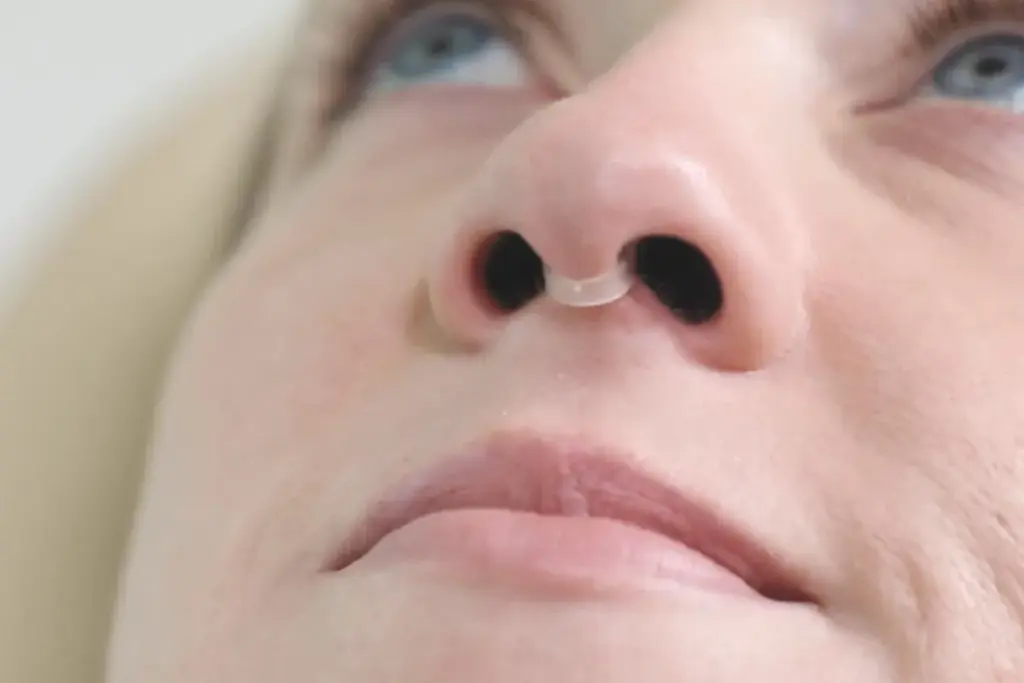
Snoring is not just a minor annoyance. It can signal a serious health problem. Studies have found a strong link between deviated septums and breathing issues at night. This affects sleep quality and long-term health. Can a deviated septum cause snoring? Discover amazing surgical fixes and learn how to enjoy brilliant, quiet sleep for your health today.
A deviated septum can block nasal airflow. This leads to more nasal resistance and airway pressure. Research shows that those with septal deviation have 55% higher nasal resistance and 60–120% greater airway pressure drop than healthy people.
This issue can cause snoring, a problem that affects millions globally. At Liv Hospital, we treat such conditions. We offer septoplasty surgery to improve sleep and health.
Key Takeaways
- A deviated septum can cause impaired nasal airflow and increased snoring.
- Patients with septal deviation experience higher nasal resistance and airway pressure.
- Septoplasty surgery is a treatment option for deviated septum.
- Snoring can be a sign of an underlying health issue.
- Treatment can help achieve better sleep quality and overall health.
The Nasal Septum: Structure and Function
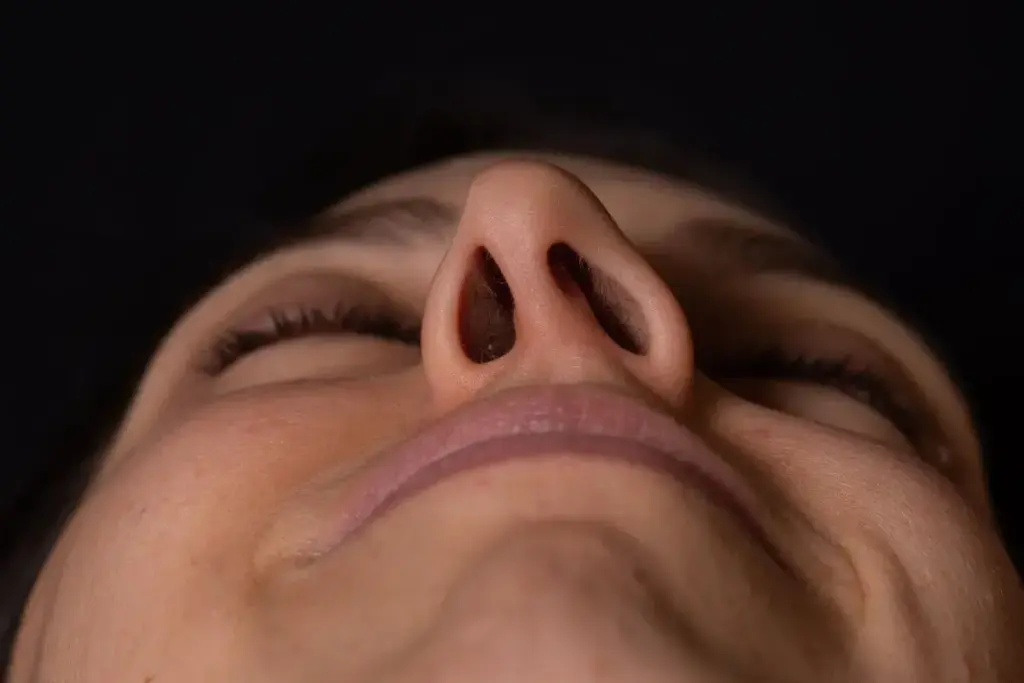
The nasal septum is a thin wall made of bone and cartilage. It divides the nasal passages and is key for breathing. It affects how air moves through our nostrils and the quality of our breathing.
Normal Septum Anatomy
A normal nasal septum is straight or slightly bent. It splits the nasal cavity into two equal parts. The front is cartilage, and the back is bone, supporting the nose and guiding air.
Proper alignment of the nasal septum is essential for unobstructed breathing.
Role in Breathing and Sleep
The nasal septum is vital for breathing, more so during sleep. A straight septum allows air to flow smoothly through the nasal passages. This is key for normal breathing at night.
Studies show that septum deviations can cause breathing and sleep issues. This is found in medical research databases.
To grasp the nasal septum’s effect on breathing and sleep, let’s look at the main points:
|
Aspect |
Normal Septum Function |
Impact on Breathing and Sleep |
|---|---|---|
|
Airflow Direction |
Directs air through nasal passages |
Ensures smooth breathing |
|
Septum Alignment |
Straight or slightly deviated |
Prevents breathing difficulties |
|
Sleep Quality |
Unobstructed airflow |
Promotes normal sleep patterns |
Understanding the nasal septum’s anatomy and function helps us see its role in breathing and sleep. This knowledge is key to understanding how deviations can affect these processes.
What Is a Deviated Septum?
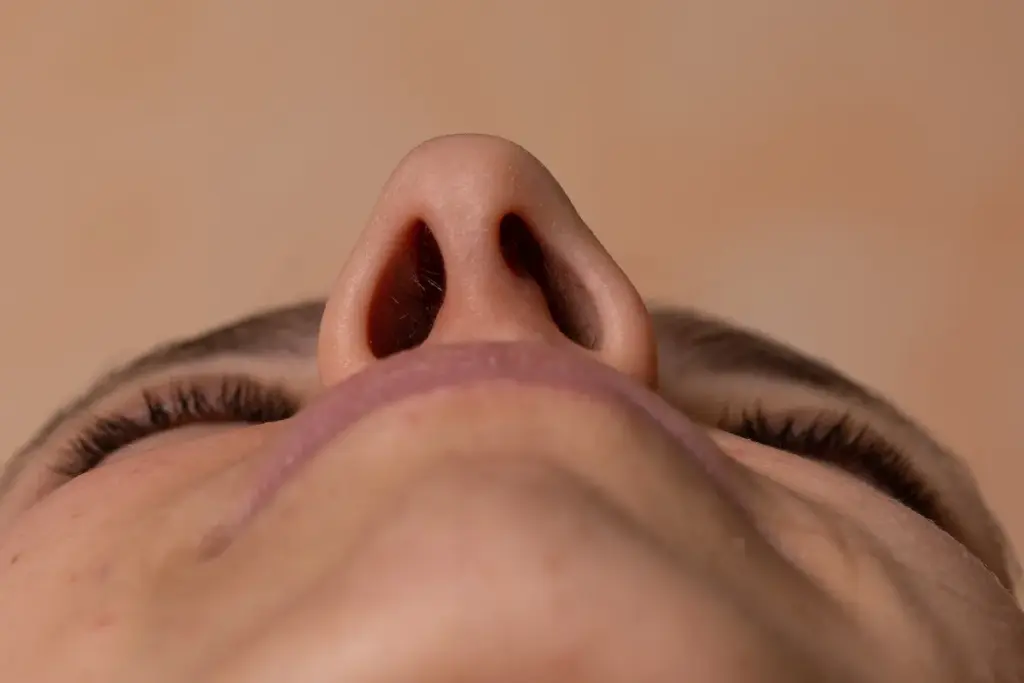
Understanding what a deviated septum is can help address related health concerns. It’s a significant condition that affects many, causing respiratory and sleep issues. We’ll explore its definition, types, and prevalence to give a full understanding.
Definition and Classification
A deviated septum, also known as nasal septal deviation, happens when the thin wall between the nasal passages is off-center. This makes one passage smaller than the other. The type of deviation depends on its severity and location.
Knowing the type of deviated septum is key to finding the right treatment. Mild cases might not cause much trouble, but severe ones can lead to serious breathing problems.
Prevalence in the General Population
Research shows a high number of people have a deviated septum. It’s believed that about 80% of the population has some degree of nasal septal deviation. But not everyone with it shows symptoms.
|
Population Studied |
Prevalence of Deviated Septum |
|---|---|
|
General Population |
Approximately 80% |
|
Symptomatic Cases |
Around 20-30% |
Visual Identification
There are ways to spot a deviated septum, like nasal endoscopy and CT scans. These tools help doctors see how bad the deviation is and where it is.
Common Causes of Deviated Septum
Knowing why a deviated septum happens is key to treating it. It can really affect how well you breathe and sleep. We’ll look at what causes a deviated septum.
Congenital Factors
Some people are born with a deviated septum. This can be because of their genes or how they developed in the womb. Studies show that congenital conditions often cause deviated septums in kids and teens.
Traumatic Injuries
Getting hurt in the nose can also cause a deviated septum. This can happen from sports injuries, falls, or other accidents. How much the septum is off can depend on the injury. It’s important to see a doctor after a nose injury to avoid bigger problems later.
Developmental Changes
Growing and changing can also lead to a deviated septum. As the nose and face grow, the septum might not grow evenly. Also, things like tumors or nasal polyps can block normal growth and cause a deviated septum.
There are many reasons for a deviated septum, including genetics, injuries, and growth changes. Knowing these reasons helps doctors plan better treatments. This way, they can help patients breathe and sleep better.
The Science Behind Snoring
Snoring is more than just a noise. It’s about how our airways work when we sleep. It involves the details of breathing and airway movement.
Normal Respiratory Patterns During Sleep
Our breathing changes when we sleep. Our airway muscles relax, which is good for keeping the airway open. But sometimes, this can cause partial blockage, leading to snoring.
Airway Dynamics and Vibration
Snoring happens when tissues in the upper airway vibrate. This vibration is caused by turbulent airflow due to partial blockage. This is what we hear as snoring.
Common Snoring Triggers
Many things can make snoring worse. These include being overweight, sleeping on your back, and having a deviated septum. A deviated septum can make airflow turbulent, leading to snoring.
Understanding snoring helps us see how a deviated septum affects it. It’s not just about the noise. It’s about the airway’s movement and how it’s affected by our body’s structure and function.
How a Deviated Septum Affects Breathing
A deviated septum can change how we breathe in many ways. It affects nasal resistance and airway dynamics. This can cause breathing problems.
Nasal Resistance Increase
People with a deviated septum have 55% higher nasal resistance than those without. This is because the septum’s shape changes, blocking airflow.
Airway Pressure Drop
Also, a deviated septum makes breathing harder by causing a 60–120% greater airway pressure drop. This means breathing takes more effort. Research in Frontiers in Mechanical Engineering shows this can harm respiratory health.
|
Parameter |
Normal Septum |
Deviated Septum |
|---|---|---|
|
Nasal Resistance |
Normal |
55% Higher |
|
Airway Pressure Drop |
Baseline |
60-120% Greater |
Turbulent Airflow Creation
The septum’s deviation also leads to turbulent airflow. This can cause vibrations in the nose and throat. These vibrations can lead to snoring and other sleep issues.
In summary, a deviated septum impacts breathing by raising nasal resistance and airway pressure. It also causes turbulent airflow. These changes can lead to breathing problems, including snoring.
The Direct Link Between Deviated Septum and Snoring
A deviated septum can cause snoring in several ways. We’ll look at how it affects breathing and leads to snoring.
Mechanical Obstruction Pathways
A deviated septum narrows nasal passages, causing mechanical obstruction. This leads to turbulent airflow. The soft tissues of the throat then vibrate, causing snoring.
The nasal septum is key for airflow. When it’s deviated, air has trouble passing, making breathing harder during sleep.
Compensatory Mouth Breathing
People with a deviated septum often breathe through their mouths. This mouth breathing avoids the nasal passages. The nasal passages warm, humidify, and filter the air.
Mouth breathing can dry out the throat and increase snoring. It also makes the soft palate and uvula vibrate more, adding to the snoring sound. Dry oral mucosa can irritate the throat, making snoring worse.
|
Breathing Mode |
Effect on Snoring |
|---|---|
|
Nasal Breathing |
Less likely to cause snoring due to natural warming and humidifying of air |
|
Mouth Breathing |
More likely to cause snoring due to dryness and increased vibration of soft tissues |
Research Evidence and Clinical Studies
Many studies have looked at the link between deviated septum and snoring. They all show a strong connection.
Studies have found that fixing a deviated septum through septoplasty can reduce snoring. This proves the direct link between nasal septum deviation and snoring.
We use the latest research to understand and treat deviated septum and snoring. By fixing the underlying issues, we can improve our patients’ lives.
Deviated Septum and Sleep Apnea Risk
A deviated septum can greatly affect sleep quality. Studies have found a strong link between the two. This condition can make sleep difficult, impacting daily life.
4.39 Times Higher OSA Prevalence
Research shows that people with a deviated septum are 4.39 times more likely to have obstructive sleep apnea (OSA). This highlights the need to treat septum issues to prevent OSA. A study on PMC emphasizes the importance of thorough evaluations.
Severity Correlation Studies
Studies have found a link between septum severity and sleep apnea. The more severe the septum, the more severe the sleep apnea. This is important for doctors to know when treating patients.
Compounding Factors
A deviated septum often comes with other issues that increase sleep apnea risk. These include obesity, nasal congestion, and other abnormalities. Treating these factors is key to managing sleep apnea in septum patients.
Understanding sleep disorders shows that a deviated septum is more than a simple issue. It affects sleep quality and overall health. “The relationship between nasal obstruction and sleep disorders is complex and multifaceted, requiring a complete approach to diagnosis and treatment.”
Recognizing Symptoms of a Deviated Septum
It’s important to know the signs of a deviated septum to get the right medical help. This condition can make daily life hard and affect your health.
Daytime Breathing Difficulties
Having trouble breathing through your nose during the day is a common symptom. This might make you breathe through your mouth, leading to dry mouth and throat. You might also feel like your nose is blocked, making breathing hard.
Also, a deviated septum can cause nasal discharge or postnasal drip. This can be uncomfortable and might affect your sense of smell. These problems can get worse if not treated.
Nighttime Symptoms
At night, a deviated septum can make symptoms like snoring and sleep disturbances worse. The blockage can cause air to flow unevenly, leading to snoring. It can also increase the risk of sleep apnea, a serious condition that needs medical care.
Quality of Life Impact
Symptoms of a deviated septum can really affect your life. Breathing and sleep problems can make you feel tired, irritable, and have trouble focusing. Getting the right treatment can improve your life a lot.
Diagnostic Approaches for Deviated Septum
Getting an accurate diagnosis is key to treating a deviated septum well. We use different methods to check the nasal septum and other related areas.
Physical Examination Techniques
Our first step is a detailed physical check-up. Doctors use anterior rhinoscopy to look at the front part of the nasal cavity. This can show big deviations and other nasal issues.
Nasal Endoscopy
Nasal endoscopy is a vital tool for looking closely at the nasal passages. We use a flexible or rigid endoscope to see the nasal septum, turbinates, and more. It helps spot deviations, spurs, and other problems that might be causing symptoms.
Imaging Studies
Imaging like CT scans gives us detailed pictures of the nasal septum and nearby areas. These images help us see how bad the deviation is and if there’s sinus disease or other issues.
Sleep Studies for Associated Disorders
If we think a patient might have sleep disorders like obstructive sleep apnea (OSA), we might suggest sleep studies. These studies help us understand how the deviated septum affects sleep. This guides us in creating a full treatment plan.
These diagnostic methods help us tailor treatments for patients with a deviated septum. By using them together, we make sure we diagnose and manage this condition well.
Key Diagnostic Approaches:
- Physical examination techniques
- Nasal endoscopy
- Imaging studies (e.g., CT scans)
- Sleep studies for associated sleep disorders
Conservative Management Options
There are several ways to manage a deviated septum without surgery. These methods aim to ease symptoms, not fix the septum itself.
Medications for Symptom Relief
Medicines are key in treating deviated septum symptoms. Nasal decongestants help clear the nose, making breathing easier. Antihistamines are used if allergies block the nose. Nasal corticosteroids reduce swelling and inflammation.
“The use of nasal corticosteroids has been shown to significantly improve symptoms in patients with a deviated septum by reducing nasal inflammation.”
Journal of Otolaryngology
External Nasal Devices
External devices are another option. Nasal strips and dilators can improve nasal airflow. They don’t fix the septum but help with breathing, mainly at night.
- Nasal strips: Adhesive strips placed on the bridge of the nose to open the nasal passages.
- Nasal dilators: Devices inserted into the nostrils to keep them open.
Limitations of Non-Surgical Approaches
Non-surgical methods offer relief but have limits. Medicines may have side effects and work differently for everyone. External devices might not fit all, and they don’t solve the septum problem.
|
Management Option |
Benefits |
Limitations |
|---|---|---|
|
Nasal Decongestants |
Quick relief from nasal congestion |
Potential for rebound congestion |
|
Nasal Corticosteroids |
Reduces inflammation and swelling |
May have systemic side effects with long-term use |
|
External Nasal Devices |
Improves nasal airflow mechanically |
May cause skin irritation or discomfort |
It’s vital to talk to a doctor to find the best non-surgical approach for you.
Septoplasty: Surgical Correction of Deviated Septum
Septoplasty is a surgery for a deviated septum. It can lower the risk of sleep apnea and improve breathing. This surgery fixes the nasal septum to better airflow through the nostrils.
Procedure Overview and Techniques
Septoplasty corrects the nasal septum to improve airflow. It’s done under general or local anesthesia with sedation. Modern septoplasty techniques try to keep as much nasal mucosa as possible. This reduces recovery time and lowers the risk of complications.
There are different septoplasty techniques:
- Traditional septoplasty removes and repositions the deviated septum parts.
- Endoscopic septoplasty uses an endoscope for precise corrections.
Ideal Candidates for Surgery
Good candidates for septoplasty have a deviated septum causing breathing problems and sleep issues. Those with severe nasal septal deviation who haven’t improved with non-surgical treatments are ideal.
|
Candidate Criteria |
Description |
|---|---|
|
Significant Nasal Obstruction |
Patients with major breathing issues due to nasal septal deviation. |
|
Failed Conservative Management |
Individuals who haven’t seen improvement with non-surgical treatments. |
|
Presence of Sleep Disturbances |
Patients with sleep problems due to deviated septum. |
Expected Outcomes for Snoring Reduction
Septoplasty can greatly reduce snoring by improving nasal airflow. Studies have shown that it can decrease snoring severity.
Combined Procedures for Enhanced Results
Septoplasty is sometimes done with other surgeries like turbinate reduction or adenoidectomy. Combining procedures can improve nasal airflow and reduce sleep disorders risk. This approach is for patients with complex nasal and sleep issues.
Post-Surgical Recovery and Results
Understanding septoplasty recovery and outcomes is key for those thinking about it. We’ll walk you through what to expect during recovery and the breathing and snoring improvements you might see.
Typical Recovery Timeline
The recovery time after septoplasty can vary, but most follow a similar path. Right after surgery, rest and avoid hard activities for a few days. You might feel stuffy and swollen.
By one to two weeks, nasal stuffiness and swelling start to go down. You’ll breathe better through your nose. By three to six months, your nose is fully healed, and you’ll see the surgery’s full benefits.
Breathing Improvement Progression
Improvement in breathing after septoplasty comes gradually. At first, swelling might make breathing a bit tough. But as swelling goes away, breathing gets much better.
|
Timeframe |
Breathing Improvement |
|---|---|
|
1-2 weeks |
Noticeable reduction in nasal congestion |
|
3-6 months |
Significant improvement in nasal breathing |
|
1 year |
Full realization of breathing benefits |
Long-term Snoring Reduction Outcomes
Septoplasty can greatly reduce snoring for many. It fixes the deviated septum, making breathing easier through the nose.
Research shows septoplasty can cut down snoring a lot. Better airflow and less resistance make breathing during sleep easier.
Combining septoplasty with other snoring treatments can lead to even better results. Our team creates a treatment plan that meets your needs for the best outcomes.
Special Considerations for High-Risk Patients
Dealing with deviated septum in high-risk patients is complex. These patients often have complicated medical histories. This makes diagnosis and treatment harder.
Patients with Elevated BMI
People with high BMI face extra challenges. Their weight can make breathing problems worse. It’s key to have a comprehensive treatment plan for both issues.
Research shows that those with higher BMI often have severe symptoms. This includes snoring and sleep apnea. So, weight management is a big part of treatment, along with other treatments for the deviated septum.
Elderly Patients with Deviated Septum
Elderly patients are another high-risk group. Their bodies naturally decline, and they might have other health issues. Managing a deviated septum in the elderly is tough because of decreased tissue elasticity and possible previous surgeries.
For elderly patients, we aim for symptom relief and better quality of life. We often choose the least invasive treatments. This might include nasal dilators or other non-surgical methods to reduce symptoms without risks.
Pediatric Cases and Management
Pediatric deviated septum needs a special approach. We must consider growth and development. Children’s airways are smaller, and their faces are not fully formed.
In treating kids, we use minimally invasive techniques to avoid growth problems. Early treatment can prevent breathing issues and facial problems later. We work with pediatric experts to find the right treatment for each child’s age and growth stage.
Complementary Approaches to Managing Snoring
Managing snoring well means making lifestyle changes and trying alternative treatments. Traditional treatments work, but these extra steps can help more. They can make you feel better and get better results.
Lifestyle Modifications
Changing your lifestyle can really help with snoring. Weight loss can make your throat less likely to block your airway. Also, regular exercise and a healthy diet boost your breathing health.
Changing how you sleep is also key. Try sleeping on your side instead of your back. This stops your tongue and soft palate from blocking your airway. There are special pillows and devices to help you stay in this position.
Combination Therapies
Using different treatments together can make snoring management better. For example, nasal strips or oral applianceswith lifestyle changes can work well. These tools keep your nose open or adjust your jaw to stop airway blockage.
Continuous positive airway pressure (CPAP) therapy is also an option for serious snoring cases, like sleep apnea.
Alternative Treatments
Some people find snoring relief with acupuncture and myofunctional therapy. Acupuncture helps by improving airflow and reducing swelling. Myofunctional therapy strengthens your tongue and throat muscles to stop blockages.
Always talk to a healthcare expert before trying new treatments. They can make sure it’s right for you.
Liv Hospital’s Approach to Deviated Septum Treatment
Liv Hospital is dedicated to top-notch healthcare for those with a deviated septum. We focus on giving each patient the care they need.
Multidisciplinary Care Team
Our team at Liv Hospital includes otolaryngologists, sleep specialists, and more. They work together to treat deviated septum. This ensures patients get the best care.
Our team includes:
- Experienced otolaryngologists with nasal and sinus surgery skills
- Sleep specialists for managing sleep disorders
- Nurses and staff for caring support
Innovative Protocols and Technologies
We use innovative protocols and technologies for diagnosing and treating deviated septum. Our facilities have the latest tools for accurate assessments and treatment plans.
Some of the technologies we use include:
|
Technology |
Description |
Benefit |
|---|---|---|
|
Nasal Endoscopy |
A procedure for detailed nasal passage examination |
Accurate deviated septum diagnosis |
|
3D Imaging |
Advanced imaging for detailed nasal structure views |
Precise surgical planning |
Patient-Centered Outcomes Focus
At Liv Hospital, we focus on patient-centered outcomes. We aim to improve our patients’ lives by reducing symptoms like snoring and breathing issues.
We do this by:
- Doing thorough assessments to understand each patient’s needs
- Creating personalized treatment plans
- Offering ongoing support and follow-up care
By combining a multidisciplinary team, innovative methods, and a patient-focused approach, Liv Hospital is committed to exceptional care for deviated septum patients.
Conclusion
A deviated septum can cause snoring and sleep apnea, making life harder. We’ve looked into how a deviated septum affects snoring. We’ve also talked about how to diagnose and treat it, including septoplasty.
Liv Hospital provides top-notch care for those with deviated septums. They use a team approach and new methods to help patients. Choosing septoplasty at Liv Hospital can help stop snoring and improve health.
It’s important to know about deviated septums and their impact on snoring. With the right diagnosis and treatment, sleep can get better. Liv Hospital is dedicated to giving the best healthcare to international patients.
FAQ
What is a deviated septum?
A deviated septum is when the thin wall between the nasal passages is off-center. This makes one side smaller than the other.
Can a deviated septum cause snoring?
Yes, a deviated septum can cause snoring. It does this by making breathing harder and causing the throat to vibrate.
How is a deviated septum diagnosed?
A doctor can diagnose a deviated septum through an exam, nasal endoscopy, or a CT scan.
What are the symptoms of a deviated septum?
Symptoms include trouble breathing during the day and snoring at night. It can also lower your quality of life.
Can a deviated septum be treated without surgery?
Yes, you can try treatments like medicine or nasal devices. But they might not work for everyone.
What is septoplasty?
Septoplasty is surgery to fix a deviated septum. It aims to improve breathing and reduce symptoms like snoring.
How long does it take to recover from septoplasty?
Recovery from septoplasty varies. Most see better breathing in a few weeks. Full recovery can take months.
Can septoplasty reduce snoring?
Yes, septoplasty can help reduce snoring. It fixes the problem that causes the air to flow unevenly.
Are there any alternative treatments for snoring?
Yes, there are other treatments like changing your lifestyle or trying non-surgical methods. These can be used along with surgery.
How does Liv Hospital approach deviated septum treatment?
Liv Hospital treats deviated septum with a team approach. They use new technologies and focus on the patient’s needs.
What are the risks associated with a deviated septum?
A deviated septum can lead to sleep apnea and other problems. Getting it treated early is key.
Can children have a deviated septum?
Yes, kids can have a deviated septum. It might be from birth or changes as they grow.
How does a deviated septum affect sleep?
A deviated septum can mess up sleep. It makes breathing harder, leading to snoring and sleep apnea.
References
National Center for Biotechnology Information. Evidence-Based Medical Insight. Retrieved from https://pmc.ncbi.nlm.nih.gov/articles/PMC3560687/[8