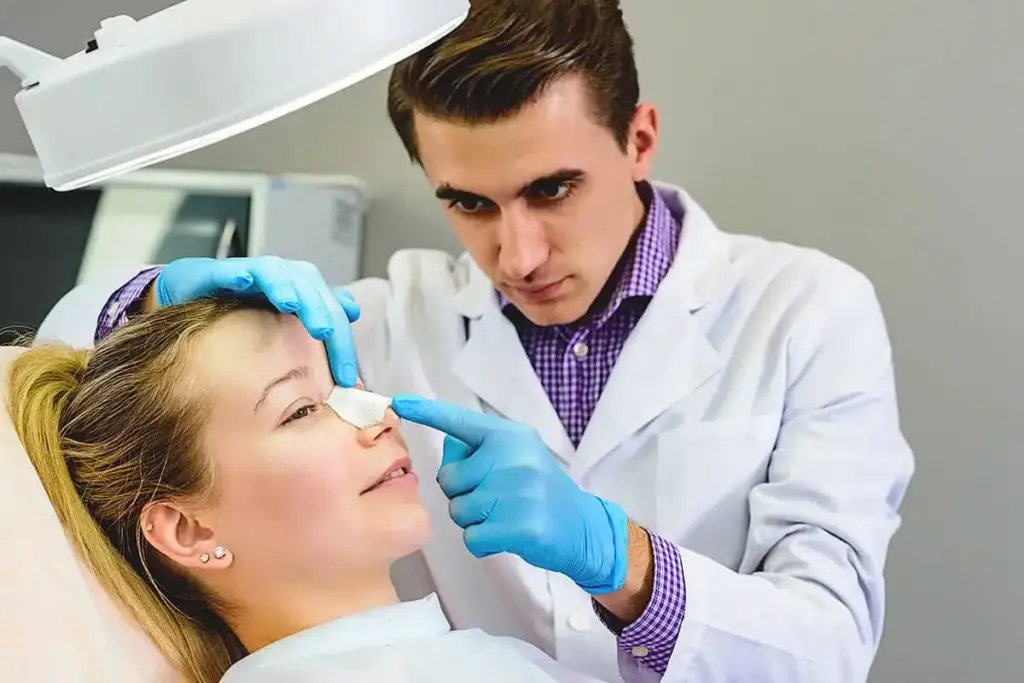
deviated septum
A deviated septum affects millions worldwide, causing significant nasal obstruction and discomfort. It’s important to understand the devices used to correct this condition for those seeking relief.
Nasal obstruction due to septal deviation can lead to breathing difficulties, sleep disturbances, and other complications. Fortunately, various devices and treatments are available to help alleviate these symptoms.
We will explore the options for correcting a deviated septum. We’ll provide insights into the most effective devices and treatment strategies.
Key Takeaways
- Understanding the causes and symptoms of a deviated septum.
- Exploring the devices used to correct nasal obstruction.
- Learning about the treatment options available for septal deviation.
- Discovering the benefits of correcting a deviated septum.
- Identifying the right device for individual needs.
The Anatomy and Impact of a Deviated Septum
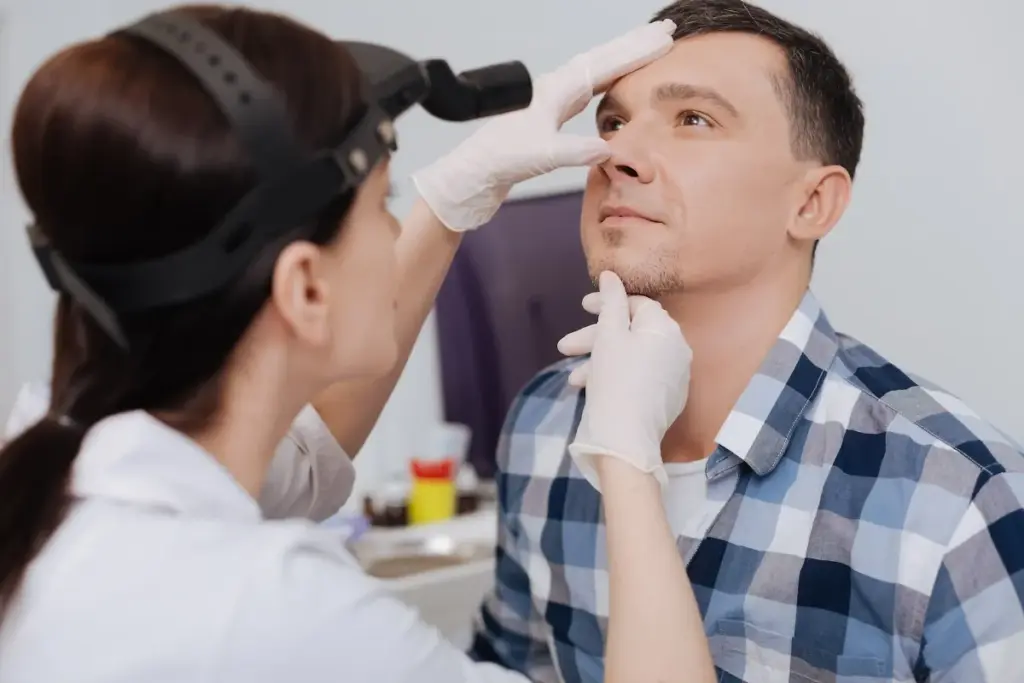
nasal septum deviation
It’s important to know about the nasal septum’s structure and how a deviation affects breathing. The nasal septum is a thin wall made of bone and cartilage. It divides the two sides of the nasal passages.
Normal Nasal Septum Structure
The nasal septum has both cartilage and bone. It’s usually thin and divides the nasal passages evenly. A healthy septum is key for easy breathing through the nose.
How Septal Deviation Affects Breathing
When the septum is off-center, one passage may be smaller. This can block airflow. It leads to breathing problems, stuffy nose, and other respiratory issues. Septal deviation can really change someone’s life by making breathing hard.
Common Causes of Septal Deviation
Many things can cause a deviated septum, like genetics, nose injuries, or growth issues. The table below lists common causes and their effects.
|
Cause |
Description |
Effect |
|---|---|---|
|
Genetics |
Inherited trait |
Deviated septum present from birth |
|
Nasal Injury |
Trauma to the nose |
Septum deviation due to fracture or displacement |
|
Developmental Issues |
Abnormal growth during development |
Septal deviation manifesting later in life |
Understanding the nasal septum and its deviation is key. It helps us see why diagnosis and treatment are so important. This knowledge will help us in the next sections, where we’ll look at how to diagnose and treat a deviated septum.
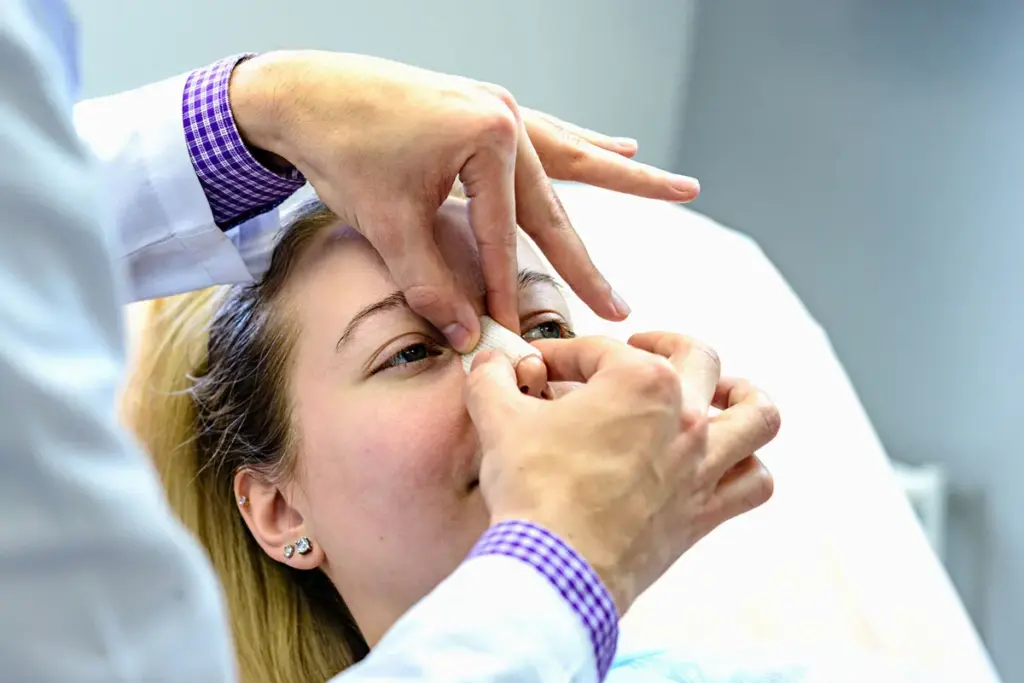
Recognizing Deviated Septum Symptoms
deviated septum symptoms
Knowing the signs of a deviated septum is key to feeling better. A deviated septum can lead to nasal congestion and other issues. These problems can affect your breathing and overall well-being.
Common Signs and Warning Signals
Each person may show different symptoms of a deviated septum. Look out for these common signs:
- Nasal congestion or trouble breathing through one or both nostrils
- Frequent nosebleeds from dry nasal passages
- Loss of smell or trouble smelling odors
- Facial pain or pressure, especially in the nose
- Loud breathing or snoring at night
Some people might get sinus infections or sinusitis more often. This is because the deviated septum changes how air flows.
Severity Levels of Septal Deviation
The severity of a deviated septum can differ a lot. It can be mild, moderate, or severe. This depends on how much the nasal septum is off track.
|
Severity Level |
Symptoms |
Impact on Daily Life |
|---|---|---|
|
Mild |
Little nasal congestion, occasional nosebleeds |
Little to no impact on daily activities |
|
Moderate |
Noticeable nasal congestion, frequent sinus infections |
Some impact on sleep and daily comfort |
|
Severe |
Significant nasal congestion, frequent sinus infections, loss of smell |
Big impact on sleep, daily activities, and overall well-being |
When Symptoms Require Medical Attention
If your symptoms don’t go away or are very bad, see a doctor. You should get help if you have:
- Persistent nasal congestion that affects your daily life
- Recurring sinus infections
- Significant facial pain or pressure
- Difficulty breathing or feeling short of breath
Getting a diagnosis and treatment early can greatly improve your life. It can also prevent more serious problems.
Diagnostic Tools for Identifying Deviated Septum
deviated septum diagnosis
Healthcare professionals use several tools to find out if you have a deviated septum. These tools help them see how bad it is and what treatment you need.
Physical Examination Techniques
First, doctors check you with a physical exam. They use a tool called a nasal speculum to look inside your nose. This helps them see if your septum is off or has any problems.
Nasal Endoscopy Procedure
Nasal endoscopy is a key tool for looking inside your nose. A doctor puts a flexible or rigid camera into your nose. This gives them a clear view of your septum and the area around it.
Advanced Imaging Studies
CT scans are used to get detailed pictures of your nasal septum. These pictures show how bad the deviation is and if there are any other issues.
|
Diagnostic Tool |
Description |
Benefits |
|---|---|---|
|
Physical Examination |
Visual inspection using a nasal speculum |
Quick, non-invasive assessment |
|
Nasal Endoscopy |
Direct visualization with an endoscope |
Detailed view of nasal passages and septum |
|
CT Scan |
Detailed imaging of nasal septum and surrounding anatomy |
Accurate assessment of septal deviation and complications |
Using these tools, doctors can find out if you have a deviated septum. They can then plan the best treatment for you.
Non-Surgical Devices for Managing Deviated Septum
nasal dilators
A deviated septum can be tough to handle, but there are non-surgical options. These devices help manage symptoms and improve breathing without surgery.
External Nasal Dilators and Strips
External nasal dilators and strips are popular for deviated septum management. They open the nasal passages to improve airflow. Nasal strips are adhesive strips for the nose that widen the passages.
There are different types of external nasal dilators, like clips and strips. They’re meant for use during sleep or exercise. Though they offer quick relief, they’re not a permanent fix.
Internal Nasal Valves and Stents
For serious cases, internal devices like nasal valves and stents are suggested. These are placed inside the nose to support the structure and enhance airflow. Nasal valves are great because they can be tailored to fit your nose.
Nasal stents keep the passages open. They’re often used after surgery but can also help without it. They help with breathing problems.
Effectiveness and Limitations of Non-Surgical Options
Non-surgical devices can help with deviated septum symptoms. They offer relief from congestion and breathing issues. But, how well they work depends on the severity of the deviation.
|
Device Type |
Effectiveness |
Limitations |
|---|---|---|
|
External Nasal Dilators/Strips |
Temporary relief, easy to use |
Not suitable for severe deviations, may cause skin irritation |
|
Internal Nasal Valves/Stents |
Customizable, supports nasal structure |
May require professional fitting, can cause discomfort |
Non-surgical devices are a good option, but talking to a healthcare professional is key. They can help find the best treatment for you.
Medical Treatments Before Considering Surgical Devices
nasal steroid sprays
Medical management is key in treating deviated septum. It offers several options before surgery. These treatments aim to ease symptoms and improve life quality.
Nasal Steroid Sprays and Their Mechanism
Nasal steroid sprays are often the first choice for treating deviated septum. They reduce inflammation in the nasal passages. This helps decrease swelling and congestion.
These sprays work by binding to receptors in the nasal mucosa. This action reduces the inflammatory response. It leads to better nasal airflow and less symptoms.
Decongestants and Antihistamines
Decongestants help manage nasal congestion from a deviated septum. They reduce nasal passage swelling, making breathing easier. They come in oral and nasal spray forms.
Antihistamines treat allergic rhinitis, which can worsen deviated septum symptoms. They block histamine, a body substance causing allergy symptoms.
When Medical Management Falls Short
Medical treatments help many patients, but not all. Severe septal deviation, other nasal issues, or persistent symptoms may require surgery.
|
Treatment |
Mechanism of Action |
Limitations |
|---|---|---|
|
Nasal Steroid Sprays |
Reduce inflammation |
May not correct anatomical deviation |
|
Decongestants |
Reduce nasal congestion |
Rebound congestion with prolonged use |
|
Antihistamines |
Block histamine action |
Effective primarily for allergic rhinitis |
Specialized Instruments Used in Septoplasty Procedures
septoplasty instruments
Fixing a deviated septum needs special tools for septoplasty surgery. These tools help surgeons work with great precision. This leads to better results for patients.
Essential Septoplasty Surgical Tools
Septoplasty uses many important tools. Forceps and retractors help show the nasal septum. Scalpels and scissors are for making small cuts and removing parts of the septum.
“The right tools are key to a successful surgery,” says a top ENT doctor. “Each case needs the best tools for the best results.”
Endoscopic Equipment for Visualization
Endoscopic tools are vital in septoplasty. They give surgeons a clear look at the nasal area. High-definition endoscopes help see details, making it easier to fix deviations.
Cutting, Reshaping, and Suturing Instruments
Special tools are needed for precise work in septoplasty. Microdebriders remove tissue and bone. Suturing instruments help close cuts, aiding in healing and avoiding problems.
Using these advanced tools and skilled surgery, septoplasty can greatly improve nasal function. It also boosts patient quality of life.
Advanced Devices in Modern Septum Correction
powered instrumentation technology
New technologies are changing septum correction surgeries for the better. These advanced tools help doctors do their jobs more accurately. Let’s look at the latest devices making a big difference in septum correction.
Powered Instrumentation Technology
Powered tools are key in today’s septoplasty surgeries. They help doctors cut and remove tissue with great precision. This makes the surgery safer and helps patients heal faster.
Benefits of Powered Instrumentation:
- Enhanced precision in tissue removal
- Reduced risk of bleeding and complications
- Faster recovery times for patients
Radiofrequency and Coblation Devices
Radiofrequency and coblation devices are now used in septum surgeries. They use energy to reshape the nasal septum. Radiofrequency devices are especially good because they cause little bleeding and pain.
|
Technology |
Benefits |
Applications |
|---|---|---|
|
Radiofrequency |
Minimal bleeding, reduced pain |
Septum reshaping, turbinate reduction |
|
Coblation |
Precise tissue removal, minimal thermal damage |
Septum correction, adenoid removal |
Laser Applications in Septum Surgery
Laser technology is also used in septum surgeries. Lasers can cut and vaporize tissue with great accuracy. This leads to less bleeding and swelling, making recovery smoother.
Key advantages of laser septoplasty include:
- Precision in tissue removal
- Reduced risk of bleeding
- Less post-operative swelling
In conclusion, modern septum correction has been greatly improved by advanced devices. Powered tools, radiofrequency and coblation devices, and lasers help surgeons achieve better results. This leads to better outcomes for patients.
Balloon Septoplasty: Minimally Invasive Innovation
Balloon septoplasty is a new way to treat deviated septum. It’s less invasive than old methods. This method is getting a lot of attention for its quick recovery and fewer side effects.
Functionality of Balloon Dilation Devices
Balloon dilation devices work like angioplasty. A small, flexible balloon is put into the nasal passage. It’s then inflated to gently fix the septum, improving breathing and reducing blockage.
Using balloon septoplasty has many benefits. It causes less damage, less bleeding, and quicker recovery. This makes it a good choice for those who want to get back to normal fast.
Step-by-Step Procedure Technology
The procedure is done under local anesthesia, making it comfortable for the patient. Here’s what happens:
- A guidewire is inserted into the nasal passage to the deviated septum.
- The balloon catheter is placed over the guidewire.
- The balloon is inflated to reshape the septum.
- The balloon is deflated and removed.
This procedure is usually done in an outpatient setting. Patients can go home the same day. It’s quick, taking about 15-30 minutes per side.
Ideal Candidates for Balloon Techniques
Not everyone with a deviated septum is right for balloon septoplasty. It depends on the severity and location of the deviation, and the patient’s health. Those with mild to moderate deviations and want a less invasive option are best suited.
It’s important to get evaluated by an ENT specialist. They will check if balloon septoplasty is right for you. They consider your condition, medical history, and what you prefer for the best treatment.
Traditional Septoplasty Surgical Approach
The traditional septoplasty surgical method is a tried and true way to fix nasal septum deviations. It has been improved over time to help those with a deviated septum.
Surgical Access Methods and Incisions
Traditional septoplasty requires incisions inside the nose to reach the septum. The exact method used can depend on the surgeon and the patient’s body. Usually, an incision is made on one side of the septum. This lets the surgeon lift the mucous membrane and work on the deviated cartilage and bone.
Surgical access methods are key to the procedure’s success. Surgeons often choose a closed approach, which is more common in traditional septoplasty.
Cartilage Modification Techniques
After getting access, the surgeon can change the cartilage and bone to fix the deviation. This might mean removing parts, moving cartilage, or using sutures to hold the septum in place. Cartilage modification techniques are customized for each patient to get the best results.
The aim is to enhance airflow and nasal function while keeping the nose’s structure intact.
Comparing Open vs. Closed Approaches
The choice between open and closed approaches depends on several factors. Closed septoplasty is less invasive, with no external incision. This means less visible scarring and possibly a quicker recovery.
- Closed approach: Less invasive, less visible scarring, potentially quicker recovery.
- Open approach: Offers direct access, good for complex cases or when other nasal surgeries are needed.
We will explore the details of each method and how they are used in traditional septoplasty.
Post-Surgical Support Devices for Deviated Septum Recovery
After septoplasty, special devices help the nasal septum heal. These tools are key for proper healing and avoiding complications.
Internal Nasal Splints and Packing
Internal nasal splints support the septum and aid in healing. They can be made from silicone or other safe materials. Nasal packing helps control bleeding and supports the nose during the first healing phase. Nasal splints are usually taken out in a few days to a week, based on the doctor’s advice and the patient’s healing.
Septal Buttons and Stabilizers
Septal buttons help keep the septum stable and prevent holes. They are especially helpful when there’s a chance of a hole forming or if the septum is weak. Septal buttons are made to fit each person’s nose and are removed when the septum heals enough.
Duration and Management of Support Devices
How long these devices are used varies based on healing and the doctor’s advice. Usually, nasal splints are out in 7-10 days, and septal buttons stay longer, weeks. It’s important to manage these devices well to avoid problems and ensure a smooth recovery. Patients are told how to take care of these devices and watch for any signs of trouble, like infection or movement.
Good post-septoplasty care includes using these devices and seeing the doctor for follow-ups. This way, patients can recover well and get the best results from their septoplasty.
Comparing Effectiveness of Deviated Septum Correction Methods
Deviated septum correction has grown, with many methods available. But how do they stack up in terms of success? It’s key to look at both immediate results and long-term effects on patients.
Success Rates Across Different Approaches
The success of deviated septum correction methods varies a lot. Septoplasty, a traditional surgery, often sees success rates over 80%. On the other hand, non-surgical options like nasal dilators and steroid sprays usually have success rates around 50-60%.
|
Treatment Method |
Success Rate |
|---|---|
|
Septoplasty |
80-90% |
|
Nasal Dilators |
50-60% |
|
Nasal Steroid Sprays |
40-50% |
Patient Satisfaction Studies
Patient satisfaction is a big deal when it comes to deviated septum correction. Studies show septoplasty patients often see big improvements in their quality of life, with satisfaction rates over 85%. A study found that septoplasty patients saw a big drop in nasal blockage symptoms and better quality of life.
“The improvement in nasal breathing and overall quality of life after septoplasty is substantial, making it a highly effective treatment for deviated septum.”
Non-surgical treatments also have their spot, especially for those with mild symptoms or who can’t have surgery. But, these methods usually get lower satisfaction, mainly because they need ongoing care and don’t always work the same for everyone.
Long-term Outcomes by Treatment Type
Looking at long-term results, septoplasty shines. Studies show septoplasty’s benefits can last for years, with some patients still seeing big improvements a decade later.
In summary, while there are many deviated septum correction methods, septoplasty is one of the most effective. It offers high success rates and long-lasting benefits. As medical tech keeps improving, we might see even better treatments for patients in the future.
Potential Risks and Complications of Septum Correction Devices
It’s important to know the risks of septoplasty and other septum correction methods. These procedures can greatly improve life for those with a deviated septum. But, they can also have complications.
Device-Specific Complications
Some complications come from the tools or implants used in septum correction. For example, nasal splints or packing can cause discomfort or infection if not managed right. It’s key for patients to follow their post-operative care instructions well to avoid these issues.
Common device-specific complications include:
- Infection or reaction to the device material
- Discomfort or pain associated with the device
- Displacement or malfunction of the device
General Surgical Risks
Septoplasty carries risks like bleeding, infection, and reactions to anesthesia. These risks are common in surgery. But, knowing them helps manage expectations and recovery.
Measures to mitigate general surgical risks include:
- Following pre-operative instructions carefully
- Monitoring for signs of infection or complications post-surgery
- Attending follow-up appointments as scheduled
Warning Signs During Recovery
It’s vital to recognize warning signs during recovery to address complications early. Symptoms like excessive bleeding, severe pain, or trouble breathing need immediate attention from healthcare providers.
Key warning signs to watch for include:
- Excessive or persistent bleeding
- Severe pain not managed with prescribed medication
- Difficulty breathing or nasal obstruction
- Fever or signs of infection
Patient Experiences and Recovery Expectations
Knowing what to expect after deviated septum surgery is key. It helps manage hopes and ensures a smooth healing path. Every person’s recovery is different, so it’s important to remember that.
Typical Recovery Timeline
The recovery time after septoplasty usually takes a few weeks. Most people see big improvements in 1-2 weeks. But, it can take up to 6 weeks or more for full recovery. During this time, you might feel nasal congestion, swelling, and discomfort.
“The first few days are tough,” says Medical Expert, a top ENT specialist. “You’ll feel some discomfort, but it can be managed with meds and rest.”
Pain Management and Comfort Measures
Managing pain early on is crucial. We suggest using prescription and over-the-counter pain meds together. Saline nasal sprays and humidifiers also help keep your nose moist and reduce irritation.
- Follow your surgeon’s pain medication advice
- Elevate your head while sleeping to reduce swelling
- Apply ice packs to the face to minimize bruising
- Stay hydrated to promote healing
Return to Normal Activities
You can usually go back to your normal activities in 1-2 weeks after surgery. But, avoid heavy lifting or bending for 3-4 weeks. Also, don’t blow your nose hard for a few weeks after surgery.
“Slowly getting back to normal activities, as advised by your healthcare provider, is crucial,” says Medical Expert, a septoplasty expert. “Being patient and following post-op instructions is vital.”
By understanding the recovery process and following the recommended steps, you can make your healing journey better. This way, you can get the best results from your deviated septum surgery.
Innovations and Future Technologies for Septum Correction
The field of septoplasty is on the verge of a big change. New technologies and surgical methods are leading the way. These advancements will likely change how we correct septum problems.
Emerging Minimally Invasive Approaches
New, less invasive techniques are gaining popularity in septoplasty. They promise less pain and faster healing. Balloon septoplasty, for example, uses a balloon to gently reshape the septum. This method is less invasive than traditional surgery.
Laser-assisted septoplasty is another new approach. It uses lasers to make precise corrections to the septum. This method is gentler on the nasal tissues and can lead to more accurate results.
3D Printing and Custom Implants
3D printing technology is being used in septoplasty to create custom treatments. It helps surgeons plan and perform complex surgeries more accurately. Custom implants are also being made to fit each patient’s unique anatomy, which could lead to better results.
3D printing also makes it possible to create custom nasal splints and other post-operative tools. These are tailored to each patient’s needs. This can make recovery more comfortable and potentially improve outcomes.
|
Technology |
Application in Septoplasty |
Potential Benefits |
|---|---|---|
|
3D Printing |
Custom implants and models |
Improved precision, better fit |
|
Laser Technology |
Laser-assisted septoplasty |
Reduced trauma, precise corrections |
|
Balloon Dilation |
Balloon septoplasty |
Less invasive, quicker recovery |
Research Directions in Septum Treatment
Research is key to improving septoplasty techniques. Scientists are looking into regenerative medicine for septum correction. They’re exploring the use of stem cells to help healing and tissue growth.
Studies are also focusing on the long-term outcomes of different septoplasty methods. This research helps shape best practices and guides the development of new treatments. As we learn more about the nasal anatomy and physiology, we’ll be able to innovate and improve septum correction even more.
Conclusion: Choosing the Right Approach for Your Deviated Septum
It’s important to know about the different ways to treat a deviated septum. We’ve talked about the anatomy, how it affects you, and the various treatments available. This includes non-surgical options and surgery like septoplasty.
When picking a treatment, think about how bad your septum is, your health, and what you prefer. For mild cases, devices like nasal dilators can help. But for more serious issues, surgery might be needed.
Talking to a doctor is key to finding the right treatment for you. They can help based on your symptoms and health history. This way, you can choose the best option together.
New medical technologies are making treatments like septoplasty better. They offer more effective and less invasive ways to fix a deviated septum. Getting the right care can make a big difference in your life.
FAQ
What is a deviated septum?
A deviated septum is when the thin wall between the nasal passages is off-center. This makes one side smaller than the other.
What are the symptoms of a deviated septum?
Common signs include blocked nose, trouble breathing, and nosebleeds. You might also lose your sense of smell or get sinus infections. Some people feel facial pain or headaches.
How is a deviated septum diagnosed?
Doctors usually check with a physical exam and nasal endoscopy. They might also use CT scans for a closer look.
What are the treatment options for a deviated septum?
There are many ways to treat it. You can try nasal dilators or internal nasal valves. Or, you might use nasal sprays or decongestants. Sometimes, surgery like septoplasty or balloon septoplasty is needed.
What is septoplasty?
Septoplasty is a surgery to fix a deviated septum. It makes the septum straight again to help you breathe better.
What is balloon septoplasty?
Balloon septoplasty is a new, less invasive method. It uses a balloon to widen the nasal passage. This helps you breathe without big surgery cuts.
Are there any risks associated with septum correction devices?
Yes, there are risks. These include problems with the device itself, risks from surgery, and warning signs like too much bleeding or trouble breathing after surgery.
How long does it take to recover from deviated septum surgery?
Recovery time varies, but most people can get back to normal in a few weeks. You’ll need to manage pain and stay comfortable during this time.
Can a deviated septum be corrected without surgery?
In some cases, you can manage symptoms without surgery. But, surgery is often needed for a lasting fix.
What are the success rates of deviated septum correction methods?
Success rates depend on the treatment. Studies show that septoplasty and other surgeries can greatly improve symptoms and quality of life.
Are there any emerging technologies for septum correction?
Yes, new technologies are being developed. These include less invasive methods, 3D printing, and custom implants. They aim to improve treatment results.