Ever noticed breathing feels harder on one side of your nose? A deviated septum is a common issue. It happens when the thin wall between your nostrils, called the nasal , shifts. This imbalance in airflow can block your nose. What causes a deviated septum? From birth to painful injuries, learn how this condition starts and find the best path to breathing clearly again.
Many things can cause this shift. It might be something you were born with or changes as you grow. Sometimes, a trauma or injury to the nose can make the septum crooked. At Liv Hospital, we know how a deviated septum can affect your life. We offer detailed care to help manage it.
Key Takeaways
- A deviated septum is a displacement of the thin wall between the nostrils.
- Congenital issues or developmental changes can cause a deviated septum.
- Trauma or injury to the nose can lead to a deviated septum.
- Liv Hospital provides complete care for managing a deviated septum.
- Symptoms include trouble breathing through one or both nostrils.
- Treatment options depend on how severe the deviation is.
Understanding the Nasal Septum and Its Function
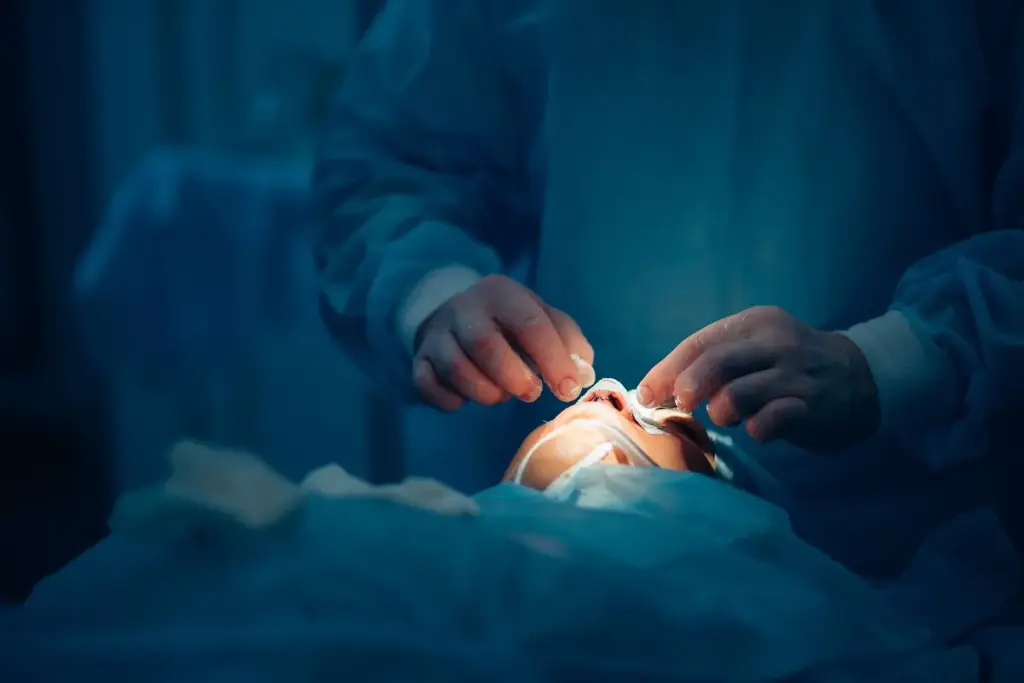
The nasal septum is a thin wall made of cartilage and bone. It’s key in guiding air through the nasal passages. It makes sure air moves smoothly and well through the nose.
Anatomy of the Nasal Septum
The nasal septum has both cartilage and bone parts. The front part is cartilage, and the back is bone. This mix is important for the septum’s role in the nose.
The nasal septum’s structure is delicate and can be susceptible to deviations or deformities. These can happen for many reasons, like genetics, injury, or growth issues.
Normal Function of the Nasal Septum
The nasal septum’s main job is to split the two nasal passages. This lets air flow freely through each nostril. A straight septum is key for air to be warmed, humidified, and filtered right.
- The nasal septum helps in directing airflow through the nasal passages.
- It supports the nasal tip and provides structural integrity to the nose.
- A normal septum ensures that both nasal passages are equally functional.
Importance of Proper Nasal Airflow
Good nasal airflow is key for breathing health. It makes sure air is warmed, humidified, and filtered before it hits the lungs. Bad airflow can cause problems like congestion, sinusitis, and sleep issues.
Also, good airflow is important for our health. It helps us breathe easily and keeps our sinuses healthy. Any problem with the nasal septum can mess with airflow and cause health problems.
“The nasal septum is a vital structure that plays a central role in our respiratory health. Its proper function is essential for ensuring smooth nasal airflow and overall well-being.”
What Is a Deviated Septum?
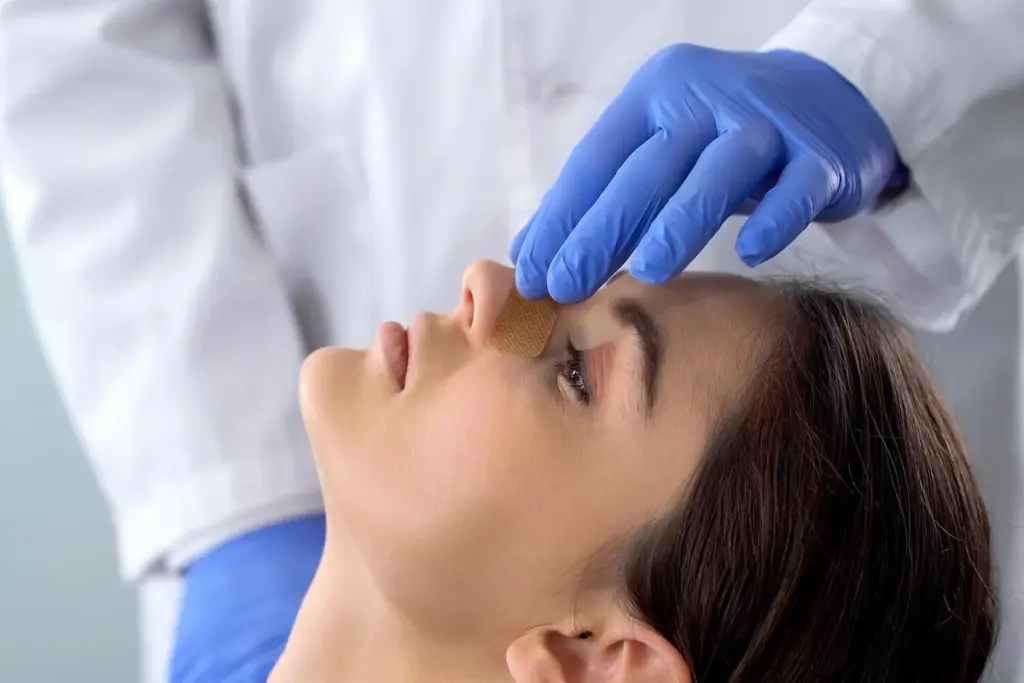
A deviated septum is when the thin wall between the nasal passages is crooked. This makes one passage smaller than the other. It’s a common issue that affects breathing.
Definition and Prevalence
A deviated septum means the nasal septum is not straight. This makes breathing hard. About 80% of people have some degree of septal deviation, but not all show symptoms.
How to Identify a Deviated Septum
Signs of a deviated septum include:
- Nasal congestion or blockage
- Hard time breathing through one or both nostrils
- Frequent nosebleeds
- Sinus infections and pressure
Seeing a healthcare professional is key for a proper diagnosis. They can check and suggest treatments based on the severity.
Degrees of Septal Deviation
Septal deviation can vary from mild to severe. The severity of symptoms often matches the degree of deviation. Mild cases might not bother you much, but severe ones can make breathing hard and cause other problems.
For more details on causes, symptoms, and when to see a doctor, check out .
Congenital Causes of Deviated Septum
We look into why some people are born with a deviated septum. This condition happens at birth due to various reasons during fetal growth or genetic factors.
Birth-Related Factors
Birth can affect the nasal septum’s shape. The pressure during delivery might cause it to bend.
Genetic Predisposition
Genetics also play a big part. If your family has a history of nasal septum issues, you might be more likely to have one too.
Prenatal Development Issues
Issues before birth can also lead to a deviated septum. This includes how well the mother is during pregnancy and the environment she’s in.
|
Cause |
Description |
Impact |
|---|---|---|
|
Birth-Related Factors |
Pressure during delivery |
Nasal septum deviation |
|
Genetic Predisposition |
Family history of nasal septal deviations |
Increased likelihood of deviated septum |
|
Prenatal Development Issues |
Maternal health and environmental factors during pregnancy |
Potential for nasal septum deviation |
Understanding these causes helps us diagnose and treat deviated septums better. It’s key to look at both genetic and environmental factors before and at birth.
Traumatic Causes of Deviated Septum
Nasal trauma from accidents or sports injuries often leads to septal deviation. Such events can seriously affect the nasal septum’s structure. We’ll look at the different traumatic causes of a deviated septum.
Sports Injuries
Sports injuries, common in contact sports like football, hockey, and rugby, are a major cause. A hit or a fall can make the nasal septum deviate. Athletes in these sports face a higher risk of a deviated septum.
- Football players often get nasal injuries from helmet collisions.
- Hockey players might get facial trauma from pucks or sticks.
- Rugby players risk nasal fractures from tackles.
Accidents and Falls
Accidents and falls also lead to nasal trauma and septal deviation. A car crash, slip, or trip can damage the nasal structure. The impact can displace the nasal septum, causing deviation.
- Car accidents can hurt the nose due to airbag deployment or steering wheel impact.
- Falls onto hard surfaces can directly injure the nose.
Physical Altercations
Physical fights or assaults can also cause nasal trauma. The force from these incidents can fracture or displace the nasal septum. People involved in such altercations risk a deviated septum.
Surgical Complications
Surgical procedures, even those meant to fix nasal issues, can sometimes lead to complications. These complications can result in a deviated septum. Surgical complications can significantly affect nasal function. Surgeons must take steps to avoid septal deviation during and after surgery.
Developmental Factors Contributing to Deviated Septum
As people grow from kids to teens, many factors can lead to a deviated septum. The facial bones and nasal structures change a lot during these years. These changes can affect how the nasal septum lines up.
Childhood Growth Patterns
Childhood is key for the nasal septum’s development. Growth spurts can change the septum’s path, possibly causing it to deviate. When the septum and facial structures grow at different rates, septal deviation can happen.
Adolescent Facial Development
Adolescence is another time of big growth and change. The facial bones keep growing and getting stronger. If these bones grow at different rates, it can push the nasal septum off track. Uneven development during this time can make septal deviations worse or create new ones.
Uneven Growth Rates of Facial Bones
The growth of facial bones isn’t always even. When some bones grow faster, they can put pressure on the nasal septum. This can cause it to deviate. This uneven growth is a big reason why deviated septums happen.
Knowing about these growth factors is key for preventing and treating deviated septums. By understanding how growth in childhood and adolescence affects the septum, doctors can better help patients.
Age-Related Changes and Deviated Septum
As we get older, the chance of having a deviated septum goes up. This is because our nasal structures change with age. These changes can make a deviated septum worse or cause one to form.
Increasing Prevalence with Age
This is because our nasal support gets weaker over time.
Progressive Worsening of Existing Deviations
Deviations in the septum can get worse with age. This is because our bones and facial structure change. This can make breathing harder and cause other symptoms.
Age-Related Tissue Changes
Our nose changes as we age. The cartilage gets weaker and the mucosa can get drier. These changes can make a deviated septum worse or cause one to form.
|
Age-Related Change |
Impact on Nasal Septum |
|---|---|
|
Weakening of nasal support structures |
Increased likelihood of septal deviation |
|
Continued growth and changes in nasal and facial bones |
Progressive worsening of existing deviations |
|
Changes in nasal tissues (cartilage weakening, dryness) |
Increased risk of developing or worsening a deviated septum |
It’s important to know about these changes to treat deviated septum in older adults effectively.
Common Symptoms of a Deviated Septum
It’s important to know the signs of a deviated septum to get the right medical help. A deviated septum can lead to many problems that affect breathing and overall health.
Breathing Difficulties
One main symptom is trouble breathing through the nose. This happens because the deviation blocks one or both nostrils. Breathing difficulties get worse during exercise or when you have a cold.
Nasal Congestion and Obstruction
Nasal congestion is another common symptom, where one or both nostrils feel blocked. This makes you breathe through your mouth more, which can dry out your mouth and throat. Sometimes, the blockage can even affect your sense of smell.
Sinus Infections and Pressure
A deviated septum can also raise your risk of sinus infections. The abnormal airflow and pressure can cause sinus pain and headaches. Chronic sinus infections can make you feel tired and uncomfortable all the time.
Sleep Disturbances
People with a deviated septum often have trouble sleeping. The breathing problems can cause snoring and even sleep apnea. These issues can make you feel tired during the day and lead to other health problems.
Understanding these symptoms is the first step to managing a deviated septum. By recognizing the signs and getting medical advice, you can improve your life and avoid serious complications.
Complications Associated with Deviated Septum
A deviated septum can cause serious health problems if not treated. These issues can greatly affect a person’s life, impacting their breathing and overall health.
Chronic Rhinosinusitis
Chronic rhinosinusitis is a common issue with a deviated septum. It causes long-lasting inflammation in the nasal passages and sinuses. Symptoms include nasal congestion, facial pain, and trouble breathing. Chronic rhinosinusitis can make daily life hard and lower quality of life.
Fixing a deviated septum can help with chronic rhinosinusitis symptoms. It improves airflow, reducing sinus pressure and inflammation.
Sleep Apnea and Snoring
A deviated septum can lead to sleep problems like sleep apnea and snoring. The septum’s deviation can block airflow, causing snoring. In severe cases, it can lead to sleep apnea, where breathing stops during sleep.
Fixing a deviated septum can help with sleep issues. It improves airflow, leading to better sleep and less risk of sleep apnea.
Recurrent Sinus Infections
People with a deviated septum are more likely to get recurrent sinus infections. The abnormal anatomy can block sinus drainage, making it easier for infections to start. These infections can be painful and require repeated antibiotics.
- Increased risk of infection due to poor sinus drainage
- Symptoms include facial pain, nasal discharge, and fever
- Correcting the deviated septum can help reduce the frequency of these infections
Epistaxis (Nosebleeds)
Another issue with a deviated septum is epistaxis, or nosebleeds. The septum’s deviation can dry out the nasal passages, causing bleeding. While usually not serious, frequent nosebleeds can be annoying and sometimes indicate a bigger problem.
Keeping the nasal passages moist and treating the septum can help prevent nosebleeds.
In conclusion, a deviated septum can lead to many complications that affect not just the nose but overall health. Understanding these complications helps people seek the right medical care to improve their life quality.
Diagnosing a Deviated Septum
To diagnose a deviated septum, we use different methods. This ensures we get an accurate diagnosis. We look at how severe the deviation is and how it affects the patient’s life.
Physical Examination Techniques
First, we do a physical exam. We use a tool called anterior rhinoscopy to see inside the nasal cavity. This lets us check the nasal septum’s position.
We use a nasal speculum to open the nostril. Then, we can see inside the nasal passage.
Nasal Endoscopy
Nasal endoscopy is a key tool for diagnosing. We use a flexible or rigid endoscope to see the nasal septum. This helps us understand how far the septum is off.
This method also lets us find other issues in the nasal area. It helps us understand what’s causing the symptoms.
Imaging Studies
We also use imaging studies like CT scans. These scans give us detailed pictures of the nasal cavity and sinuses. They help us see how bad the deviation is and if there’s sinus disease.
A study on shows imaging studies are very important for diagnosing nasal septal deviations.
Differential Diagnosis
It’s also important to rule out other conditions that might cause similar symptoms. We look at things like nasal polyps or enlarged turbinate bones. A detailed exam helps us make sure we have the right diagnosis and treatment.
|
Diagnostic Method |
Description |
Benefits |
|---|---|---|
|
Physical Examination |
Initial assessment using anterior rhinoscopy |
Quick and non-invasive |
|
Nasal Endoscopy |
Detailed examination using a flexible or rigid endoscope |
Provides detailed visualization of the nasal cavity |
|
Imaging Studies (CT Scan) |
Detailed images of the nasal cavity and sinuses |
Helps assess the extent of deviation and associated sinus disease |
We’ve talked about how we diagnose a deviated septum. By using physical exams, nasal endoscopy, imaging studies, and looking at other possible causes, we can accurately diagnose and treat this condition.
Non-Surgical Management of Deviated Septum
There are many ways to manage a deviated septum without surgery. These methods are great for those with mild symptoms or who don’t want surgery right away.
Medications for Symptom Management
Medicines are key in handling deviated septum symptoms. Decongestants help clear up nasal congestion. Antihistamines are used if allergies are causing the blockage.
- Decongestants: Help reduce nasal congestion.
- Antihistamines: Useful if allergies are a contributing factor.
Nasal Steroid Sprays
Nasal steroid sprays are also effective. They cut down inflammation in the nose, making it easier to breathe. You can get them with a prescription or over-the-counter.
Nasal Strips and Dilators
Nasal strips and dilators are easy to use and help with breathing. Nasal strips stick to your nose, and dilators go inside to keep the nostrils open.
- Nasal strips: Adhesive strips that help open the nasal passages.
- Nasal dilators: Devices inserted into the nostrils to improve airflow.
When Conservative Treatment Is Appropriate
Non-surgical treatment is best for those with mild symptoms or who are hesitant about surgery. It’s also good for managing symptoms while waiting for surgery.
Trying these non-surgical methods can help those with a deviated septum feel better. It can also improve their overall quality of life.
Surgical Treatments for Deviated Septum
Fixing a deviated septum often needs surgery to ease symptoms and get nasal function back to normal. These surgeries aim to make life better for those with big septal deviations.
Septoplasty Procedure
Septoplasty is a surgery to fix a deviated septum. The surgeon realigns or removes the parts of the nasal septum blocking air. It’s done under general or local anesthesia with sedation.
A study in shows septoplasty can really help with breathing and life quality.
Rhinoplasty and Septorhinoplasty
Some people with a deviated septum also want to improve their nose’s look. Rhinoplasty can fix both breathing and looks. When done with septoplasty, it’s called septorhinoplasty. This way, you can fix breathing and looks in one go.
Endoscopic Techniques
Endoscopic septoplasty is a new, less invasive way to see and fix the nasal septum. It leads to less pain and quicker healing than old methods.
Recovery and Postoperative Care
After septoplasty or septorhinoplasty, you might feel stuffy, swollen, and bruised. Good care after surgery is key for healing well and avoiding problems. This includes using nasal sprays, avoiding hard work, and following the doctor’s advice on pain.
Knowing about surgery options for a deviated septum helps people make better choices. Whether it’s septoplasty, rhinoplasty, or endoscopic methods, surgery can greatly improve life for those with severe septal deviation.
Preventing Trauma-Related Deviated Septum
To prevent a deviated septum from trauma, we need to take several steps. This includes using protective gear, staying aware of safety, and getting medical help quickly. Knowing the risks and acting early can lower the chance of nasal injuries that might cause a deviated septum.
Protective Gear in Sports
Wearing the right protective gear is key to avoiding nasal injuries in sports. This includes:
- Face masks: These are a must in sports like football, rugby, and hockey. They help prevent facial injuries.
- Mouthguards: Designed mainly for tooth protection, they also help absorb impacts and reduce nasal trauma risk.
- Helmets: Helmets with face protection are essential in sports like baseball and softball. They help prevent facial injuries.
Safety Measures to Prevent Facial Injuries
There are also ways to avoid facial injuries in daily life. These include:
- Seatbelt use: Always wearing a seatbelt can prevent facial injuries in car accidents.
- Home safety: Keeping homes safe from tripping hazards and installing safety gates can prevent falls.
- Workplace safety: Following safety rules and wearing protective gear at work can prevent injuries.
Early Intervention for Nasal Trauma
Even with precautions, accidents can happen. Getting medical help quickly is key to avoiding a deviated septum after a nasal injury. This means:
- Prompt medical evaluation: Seeing a doctor right away after a nasal injury can catch problems early.
- Proper treatment: Following a doctor’s advice for treatment, like nasal packing or splinting, can prevent further issues.
- Follow-up care: Going to follow-up appointments with a doctor can help track healing and address any new problems.
By using protective gear, staying safe, and getting medical help early, we can lower the risk of a deviated septum from trauma. It’s important to be proactive about our nasal health and overall well-being.
Conclusion
Understanding the causes and symptoms of a deviated septum is crucial for effective management. At Liv Hospital, we focus on improving how we diagnose and treat septal deviations. We aim to give our patients the best care possible.
A deviated septum can happen for many reasons, like being born with it, injuries, or changes as we grow. It’s important to notice signs like trouble breathing and stuffy nose. This helps in getting medical help quickly.
Liv Hospital is all about top-notch healthcare. We offer treatments like septoplasty and rhinoplasty for deviated septum. Our skilled team works hard to give each patient the care they need for the best results.
Choosing Liv Hospital means you’re in good hands. Our team is dedicated to your health and happiness. We’re here to help you with your healthcare needs.
FAQ
What is a deviated septum?
A deviated septum is when the thin wall between the nasal passages is crooked. This wall, called the nasal septum, can be displaced. It makes one passage smaller, causing breathing problems and other issues.
What causes a deviated septum?
A deviated septum can happen at birth, due to trauma, or because of uneven bone growth. Birth issues, genetics, and prenatal problems can cause it. Trauma from injuries or fights can also lead to it. Uneven bone growth in kids and teens is another reason.
What are the symptoms of a deviated septum?
Symptoms include trouble breathing, nasal congestion, and sinus infections. Sleep problems can also occur. Some people might get nosebleeds, facial pain, or headaches.
How is a deviated septum diagnosed?
A healthcare professional will check the nasal passages and septum. They use physical exams, nasal endoscopy, and imaging to find the problem. This helps them see how severe the deviation is.
What are the treatment options for a deviated septum?
There are non-surgical and surgical ways to treat it. Non-surgical methods include medicines, sprays, strips, and dilators. Surgery, like septoplasty, rhinoplasty, or septorhinoplasty, is also an option. The choice depends on the severity and symptoms.
Can a deviated septum be prevented?
Some deviated septums are not preventable. But, you can avoid trauma by wearing protective gear and being careful. Getting help quickly if you get a nose injury can also help.
What is septoplasty?
Septoplasty is a surgery to fix a deviated septum. It involves moving or removing the crooked cartilage and bone. This improves breathing and relieves symptoms.
What is the recovery like after septoplasty?
After septoplasty, you might have some swelling and congestion. These can be managed with care and medicine. Most people can get back to normal in a few weeks.
Can a deviated septum cause sleep apnea?
Yes, a deviated septum can cause sleep apnea. It blocks airflow and disrupts breathing during sleep.
How does a deviated septum affect overall health?
A deviated septum can lead to health problems like chronic sinusitis and nosebleeds. If not treated, it can also cause sleep issues and other problems that affect your overall health.
References
National Center for Biotechnology Information. Evidence-Based Medical Insight. Retrieved from https://pmc.ncbi.nlm.nih.gov/articles/PMC9736816/