Many people worried about their nose being broken during septoplasty. We’re here to clear up what you can expect. Stop fearing the worst! Learn why a deviated septum fix involves no broken bones and why this gentle approach is best for your nasal health.
Septoplasty fixes a deviated septum. This is when the nasal septum is off, making breathing hard. Studies show that the septal bone and cartilage are reshaped or taken out, not broken.
We aim to give top-notch health info and support. Knowing how septal deviation is fixed helps patients choose the best for their nose.
Key Takeaways
- Septoplasty is a corrective surgery for a deviated septum.
- The procedure involves reshaping or removing the septal bone and cartilage.
- Breaking the nose is not a standard part of septoplasty.
- Understanding the procedure can help alleviate concerns.
- Septoplasty aims to improve nasal health and breathing.
What Is Septoplasty?
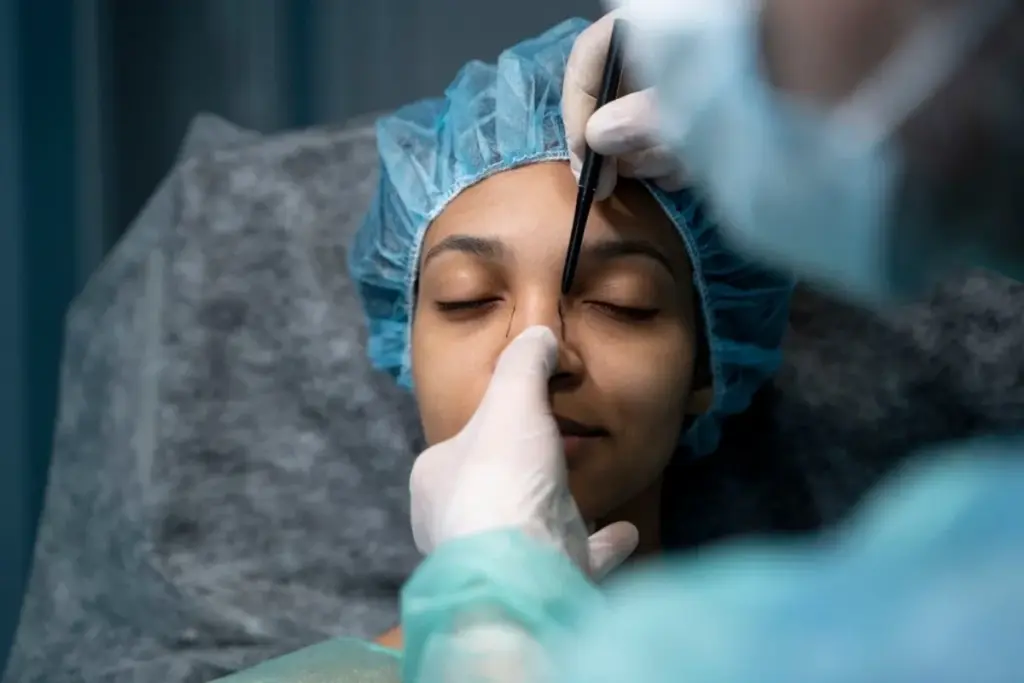
Septoplasty aims to fix the nasal septum’s displacement. This helps solve problems like nasal blockage. It’s a surgery that makes breathing easier by fixing the septum.
Definition and Purpose
Septoplasty is a surgery to fix a deviated nasal septum. This septum is the cartilage and bone that splits the nasal cavity. Its goal is to improve airflow through the nostrils.
This surgery helps people breathe better through their nose. It improves their breathing and overall life quality.
When Septoplasty Is Recommended
Septoplasty is suggested for those with severe nasal blockage. Signs that you might need it include:
- Nasal congestion or trouble breathing through the nose
- Frequent nosebleeds
- Loss of smell
- Facial pain or headaches from nasal sinus pressure
|
Purpose |
Symptoms Addressed |
Benefits |
|---|---|---|
|
Correct deviated nasal septum |
Nasal congestion, nosebleeds, loss of smell, facial pain |
Improved breathing, reduced nasal sinus pressure, enhanced quality of life |
In short, septoplasty is a surgery to fix nasal blockage from a deviated septum. Knowing its purpose and benefits helps patients choose the right treatment.
The Deviated Septum: Anatomy and Impact
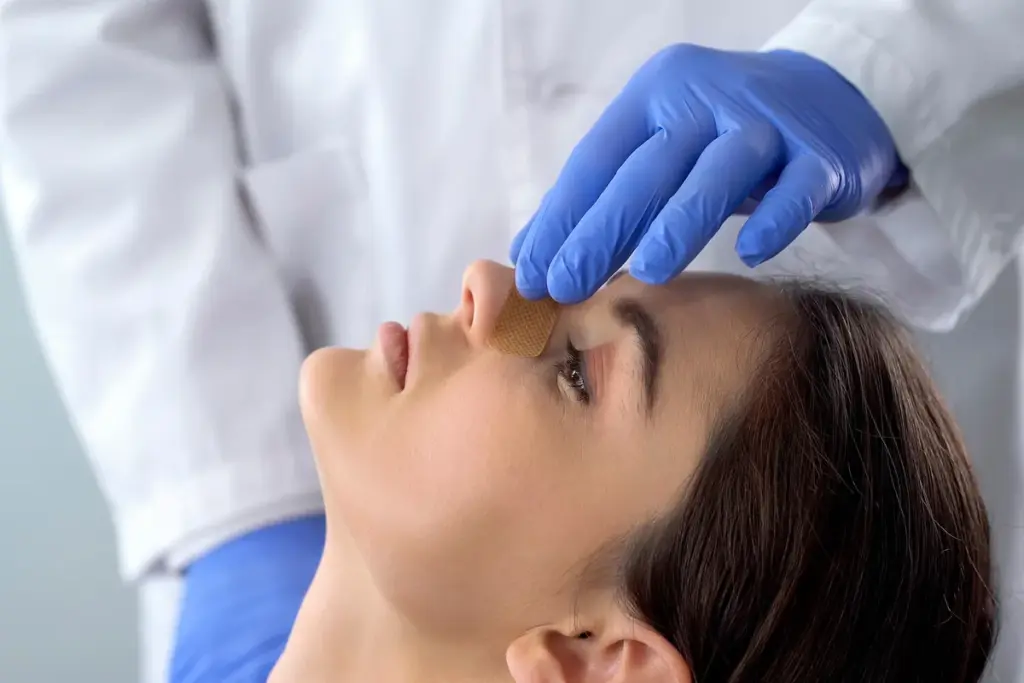
Understanding a deviated septum’s anatomy is key to seeing its effects on breathing. The nasal septum is a thin wall of bone and cartilage. It divides the nasal passages into two sides. Ideally, it’s straight, allowing air to flow freely through both passages.
Normal vs. Deviated Nasal Septum
A normal septum is straight or slightly off. This lets air move easily through both sides. But, a deviated nasal septum is off-center, making one passage smaller. This can happen due to genetics, injury, or developmental issues.
How Septal Deviation Affects Breathing
Septal deviation can cause breathing difficulties. It blocks airflow in the nasal passages. This can make one side of the nose more congested, leading to chronic blockage.
This blockage can lead to breathing through the mouth, less airflow, and a higher risk of infections. A deviated septum can also block sinus drainage, leading to more sinus infections. It can greatly affect a person’s life, sleep, and health.
Do Surgeons Break Your Nose During Septoplasty?
Many people worry that septoplasty, a nasal surgery, means their nose will be broken. We’re here to set the record straight.
The Common Misconception
Patients often think septoplasty means breaking their nose. But, surgeons don’t usually “break” the nose during septoplasty. The surgery aims to fix the deviated septum, making breathing easier without harming the nose.
What Actually Happens During the Procedure
During septoplasty, surgeons reshape or remove parts of the nasal septum. This part is made of cartilage and bone. Studies show that the septal bone and cartilage are reshaped or removed, not broken. This careful method helps improve breathing and reduces nasal blockage without damaging the nose.
When Controlled Bone Fracturing May Be Necessary
In some cases, controlled bone fracturing or repositioning may be needed to fix a severely deviated septum. This isn’t like a traumatic break; it’s a surgical step to correct the issue. Our surgeons use the latest techniques to reduce harm and get the best results.
Knowing more about septoplasty can ease worries and prepare patients for the surgery. We aim to clear up myths and guide you towards better nasal health.
Septoplasty vs. Rhinoplasty: Understanding the Difference
When you think about nasal surgery, it’s key to know the difference between septoplasty and rhinoplasty. Both deal with the nose, but they have different goals and uses.
Functional vs. Cosmetic Goals
Septoplasty is mainly for fixing a deviated septum to help you breathe better. Rhinoplasty, on the other hand, is often for looks, aiming to change the nose’s shape. But, rhinoplasty can also fix breathing problems caused by the nose’s shape or structure.
The main differences are in their goals:
- Septoplasty aims to improve breathing by fixing a deviated septum.
- Rhinoplasty can be for looks, to fix breathing, or both, based on what the patient wants.
Combined Procedures: Septorhinoplasty
Some people might need septorhinoplasty, which is a mix of septoplasty and rhinoplasty. It tackles breathing problems from a deviated septum and also improves the nose’s look. This way, you can breathe better and look the way you want in one surgery.
Choosing between septoplasty, rhinoplasty, or septorhinoplasty depends on your needs and what you want. It’s important to talk to a skilled surgeon to figure out the best option for you.
The Septoplasty Procedure: Step by Step
Septoplasty surgery is a detailed process. It includes getting ready before surgery, the surgery itself, and the anesthesia used. Knowing these steps can make patients feel more ready for the surgery.
Preoperative Preparation
Before septoplasty, patients get checked thoroughly. This check is to see their health and how bad the deviated septum is. This step is key for a good surgery outcome. A study on the shows how important this is.
Getting ready for surgery includes:
- Nasal endoscopy to see the nasal passages and septum
- Imaging studies, like CT scans, to see how bad the septum is
- Looking at the patient’s medical history for any risks
Surgical Techniques Used
Septoplasty uses different techniques to fix the deviated septum. The main goal is to make breathing easier by straightening the septum. Surgeons might use:
|
Surgical Technique |
Description |
Benefits |
|---|---|---|
|
Septal resection |
Removing the deviated part of the septum |
Improves breathing |
|
Septal repositioning |
Moving the septum back to its right place |
Makes the nasal passage better |
|
Turbinate reduction |
Making the turbinate bones smaller to help breathing |
Helps breathing and reduces blockage |
An expert says, “The success of septoplasty depends on fixing the septum right and not harming the surrounding tissues.”
“The goal is to make breathing normal again while keeping the nasal passages intact.”
Duration and Anesthesia
Septoplasty is done under local or general anesthesia, based on the case and what the patient wants. It usually takes 60 to 90 minutes. Choosing the right anesthesia is important for the patient’s comfort during surgery.
By knowing what septoplasty involves, patients can prepare better for the surgery and recovery.
Septoplasty and Turbinate Reduction: A Common Combination
Surgeons often use septoplasty and turbinate reduction together to fix nasal breathing problems. This method treats nasal blockages more fully.
What Are Turbinates and Why They Matter
Turbinates are thin bones in the nose that help moisten and filter the air. If they grow too big, they can block the nose. Turbinate reduction surgery makes them smaller to help air flow better.
The size of the turbinates affects how well the nose works. Fixing both the septum and turbinates helps restore normal breathing.
Benefits of Combined Procedures
Doing septoplasty and turbinate reduction together has many advantages. It fixes more problems at once. It also means fewer surgeries, which shortens recovery time. People often see big improvements in breathing and feel better overall.
|
Benefits |
Septoplasty Alone |
Septoplasty with Turbinate Reduction |
|---|---|---|
|
Comprehensive Correction |
Limited to septal deviation |
Addresses both septal deviation and turbinate hypertrophy |
|
Recovery Time |
Typically 1-2 weeks |
Similar to septoplasty alone, as it’s often performed concurrently |
|
Nasal Breathing Improvement |
Significant improvement |
Often more pronounced due to more thorough correction |
Understanding the role of turbinates in breathing and the advantages of both surgeries can assist patients in selecting the most appropriate treatment. This method is a key way to solve breathing issues and enhance life quality.
Diagnosing a Deviated Septum: Signs and Symptoms
Knowing the signs and symptoms of a deviated septum is key for a correct diagnosis and treatment. A deviated septum can lead to various respiratory and nasal problems. These issues can greatly affect a person’s life quality.
Common Symptoms of Nasal Obstruction
Nasal obstruction is a common sign of a deviated septum. It can show up as:
- Difficulty breathing through one or both nostrils
- Nasal congestion or stuffiness
- Noisy breathing or snoring
- Frequent nosebleeds
These symptoms can be different in how bad they are. They might also come with other problems like sinus infections or facial pain.
Diagnostic Methods and Tests
To diagnose a deviated septum, doctors use physical exams and tests. The main ways include:
|
Diagnostic Method |
Description |
|---|---|
|
Nasal Endoscopy |
A flexible or rigid tube with a camera is used to see inside the nasal passages and septum. |
|
Imaging Tests (CT or MRI) |
These tests give detailed pictures of the nasal structures. They help find deviations and other issues. |
|
Nasal Strip Test |
A simple test where nasal strips are used to help breathe better. It helps figure out if nasal blockage is the cause of symptoms. |
By using these methods together, doctors can accurately find a deviated septum. Then, they can plan the right treatment.
Getting a correct diagnosis is very important for good treatment. By knowing the signs and symptoms and using the right tests, we can help those with a deviated septum feel better.
Effectiveness of Septoplasty: What Research Shows
Many studies have looked into septoplasty’s results. They show it’s very effective. The success depends on the surgeon’s skill and choosing the right patients.
Success Rates and Patient Satisfaction
Septoplasty greatly improves nasal breathing, research shows. Over 68% of patients see better breathing up to 11 years after surgery. This is because the surgery fixes the deviated nasal septum, a common blockage.
Patients are very happy with the results. They feel less blocked, breathe better, and smell more clearly. A study found that makes life better than other treatments.
Long-term Outcomes and Breathing Improvement
Septoplasty’s long-term effects are very positive. Most patients keep breathing better for years. This means they get lasting relief from breathing problems.
Choosing the right patients and using the best surgical methods are key. Surgeons look at how bad the septum is, other nasal issues, and the patient’s health. This helps predict success.
Recovery After Septoplasty Surgery
Septoplasty recovery has several stages, from right after surgery to when you’re fully healed. Knowing these stages helps manage your expectations and ensures you get the right care.
Immediate Post-Operative Period
The first hours after surgery are key for a smooth recovery. Patients are watched in a recovery area until the anesthesia wears off. We check for any immediate problems and make sure you’re okay before you go home.
You might feel nasal congestion, swelling, and some pain. We give you detailed instructions on how to handle pain, reduce swelling, and keep your nose clean.
First Week of Recovery
In the first week, you might feel nasal congestion and swelling, making it hard to breathe. Using saline nasal sprays and humidifiers can help. Also, avoid hard work, bending, or heavy lifting.
- Avoid blowing your nose for at least 48 hours
- Use saline nasal sprays as directed
- Elevate your head while sleeping
- Follow a soft food diet if you experience discomfort while chewing
Complete Healing Timeline
Healing starts quickly, but full recovery and normal nasal tissues take months. It’s vital to see your surgeon regularly to check on your healing and answer any questions.
How long it takes to fully heal varies. But usually, you can expect:
- Big improvement in breathing within 1-3 months
- More fine-tuning of your nose’s look (if you had rhinoplasty) over 6-12 months
- Full recovery and stable results in 6-12 months
Potential Complications and Risks
It’s important to know the possible complications and risks of septoplasty. This surgery is usually safe, but some issues can happen. These can be small or serious.
Common Minor Complications
About 18% of people have minor issues after septoplasty. These might include:
- Nasal congestion or stuffiness
- Swelling or bruising around the nose and eyes
- Numbness or altered sensation in the nasal area
- Minor bleeding or crusting
These problems usually go away in a few weeks.
Serious Adverse Events
Less than 2% of people face serious problems. These can be:
- Severe bleeding needing transfusion or more surgery
- Infection, possibly causing abscesses
- Septal perforation, a hole in the nasal wall
- Changes in the nose’s shape
Talking to your surgeon about these risks is key. They can tell you how they might affect you.
Risk Factors to Consider
Some things can make complications more likely. These include:
- Pre-existing medical conditions, like bleeding disorders
- Smoking or tobacco use
- Previous nasal surgery or trauma
- Anatomical variations or complexities
We look at these factors closely before surgery. This helps lower the chance of problems.
Knowing about septoplasty’s risks helps patients make better choices. Following the doctor’s post-op advice is vital. It helps avoid problems and ensures the best results.
Why Some Patients Experience Persistent Nasal Obstruction
Post-septoplasty nasal obstruction is a complex issue. It often results from unaddressed comorbidities and anatomical considerations. While septoplasty is effective in correcting deviated septums, other nasal or respiratory conditions can continue to cause symptoms.
Unaddressed Comorbidities
Many patients undergoing septoplasty have other conditions that can contribute to nasal obstruction. These include allergic rhinitis, chronic rhinosinusitis, and nasal turbinate hypertrophy. Studies have shown that up to 45% of patients dissatisfied with their septoplasty outcome had unaddressed comorbidities. For instance, if a patient has significant allergic rhinitis, the nasal passages may remain congested even after the septum is corrected.
It’s important for ENT specialists to thoroughly evaluate patients before surgery. They need to identify any comorbid conditions that may need treatment. This approach can significantly improve patient outcomes and reduce the likelihood of persistent nasal obstruction.
Anatomical Considerations
Anatomical factors also play a significant role in persistent nasal obstruction after septoplasty. These include the size and shape of the nasal turbinates, the presence of nasal polyps, and the overall structure of the nasal passages. In some cases, the initial septoplasty procedure may not have fully addressed these anatomical issues.
For example, if the nasal turbinates are significantly enlarged, they can continue to cause nasal obstruction even after the septum has been corrected. Revision septoplasty or additional procedures like turbinate reduction may be necessary to address these anatomical considerations. It’s essential for patients to have a detailed discussion with their ENT specialist about the need for additional treatments or surgeries.
Understanding the multifactorial nature of nasal obstruction is key to managing patient expectations and achieving the best possible outcomes. By addressing both comorbidities and anatomical considerations, healthcare providers can offer more effective care to patients undergoing septoplasty.
Non-Surgical Treatments for Deviated Septum
For those with a deviated septum, non-surgical treatments can be a good start. While septoplasty is often used for serious cases, there are other ways to help symptoms.
Medical Management Options
Non-surgical treatments aim to ease symptoms of a deviated septum. These include:
- Nasal decongestants to reduce nasal congestion
- Nasal corticosteroids to decrease inflammation
- Antihistamines for allergy-related nasal obstruction
- Nasal strips to improve nasal breathing
These methods can help those with mild to moderate septal deviation. But, how well they work can depend on the person and any other nasal or sinus issues.
|
Treatment |
Purpose |
Benefits |
|---|---|---|
|
Nasal Decongestants |
Reduce nasal congestion |
Quick relief from nasal obstruction |
|
Nasal Corticosteroids |
Decrease inflammation |
Long-term reduction in nasal congestion |
|
Antihistamines |
Manage allergy-related symptoms |
Relief from allergic rhinitis |
When Surgery Is Unavoidable
Even with non-surgical options, some may need septoplasty. This is true when:
- The septal deviation is severe and significantly impacts breathing
- Non-surgical treatments have failed to provide adequate relief
- There are complicating factors such as nasal polyps or chronic sinusitis
In these situations, surgery can offer a lasting solution. It can improve breathing and overall life quality.
Choosing the Right Surgeon for Your Septoplasty
Finding the right surgeon for your septoplasty is key to a successful surgery. It’s important to research and find a doctor who meets your needs and understands your concerns.
Qualifications to Look For
When looking for a septoplasty surgeon, consider these qualifications:
- Board Certification: Make sure the surgeon is certified by a reputable board, like the American Board of Otolaryngology-Head and Neck Surgery.
- Experience: Choose surgeons with lots of experience in septoplasty.
- Specialization: Opt for surgeons who specialize in otolaryngology or facial plastic surgery.
- Hospital Privileges: Check if the surgeon can operate at a well-known hospital or surgical center.
Questions to Ask During Consultation
Ask important questions during your first meeting with the surgeon. This will help you understand their expertise and if they’re right for you. Here are some questions to ask:
- What experience do you have with septoplasty procedures?
- Can you explain the technique you will use for my surgery?
- What are the possible risks and complications of septoplasty?
- How will you manage pain and discomfort during recovery?
- What is your policy on follow-up care and handling any post-operative issues?
By looking at a surgeon’s qualifications and asking the right questions, you can make a smart choice. This will help you feel confident in your decision.
Cost Considerations and Insurance Coverage
Knowing the costs of septoplasty is key for those thinking about it. Like any medical procedure, knowing the costs and insurance can help a lot. It’s important for making a decision.
Average Costs in the United States
The cost of septoplasty in the U.S. changes based on several things. These include the surgeon’s fees, how complex the surgery is, and where you live. On average, it costs between $3,000 and $8,000. This includes the surgeon, anesthesia, and facility costs.
But, costs can go up in places with higher living costs or if you have other surgeries at the same time. Septoplasty is often done with other surgeries like turbinate reduction or rhinoplasty. These can make the total cost higher but might solve more problems for you.
Insurance Navigation Tips
Getting insurance to cover septoplasty can be tough. Even though it’s often needed for breathing problems, coverage varies a lot. It depends on your insurance and policy.
To get the most from your insurance, follow these steps:
- Verify Coverage: Talk to your insurance to see what’s covered. Some plans cover septoplasty if it’s needed, but others don’t.
- Obtain Pre-Approval: Many need approval before surgery. Make sure you get this before your surgery date.
- Understand Out-of-Pocket Costs: Even with insurance, you might have to pay for deductibles, co-pays, and uncovered procedures.
- Documentation is Key: Keep all your medical records and approval papers. They help with any issues or claims.
By knowing the costs and how to deal with insurance, you can make better choices. Talking about money worries with your doctor or a financial advisor is a good idea.
Liv Hospital’s Approach to Septoplasty: Advanced Techniques and Patient Care
Liv Hospital’s septoplasty procedure is based on teamwork and always getting better. We make sure patients get the best care from start to finish.
Multidisciplinary Healthcare Approach
At Liv Hospital, we think teamwork leads to the best results. Our team includes ENT specialists, anesthesiologists, and nurses. They all work together to give you seamless care.
This team effort helps us tackle the challenges of septoplasty. We customize our treatment for each patient’s needs.
Key components of our multidisciplinary approach include:
- Comprehensive pre-operative assessment
- Personalized surgical planning
- Advanced surgical techniques
- Post-operative care and follow-up
Patient Experience and Outcomes
We aim to give you the best care and a great experience. Our focus on you shows in our results and happy patients.
|
Aspect of Care |
Liv Hospital’s Approach |
|---|---|
|
Pre-operative Preparation |
Comprehensive assessment and personalized planning |
|
Surgical Technique |
Advanced, minimally invasive methods |
|
Post-operative Care |
Close monitoring and support during recovery |
We combine the latest techniques with a focus on you. This ensures you get the top care. We’re always looking to improve our services and results.
Conclusion
Septoplasty is a surgery that fixes a deviated septum. This condition is also known as nasal septum deviation or septal deviation. It can greatly improve breathing and life quality for those with a deviated septum.
We’ve looked into septoplasty in this article. We’ve covered what it is, how it differs from rhinoplasty, and the steps in the procedure. We’ve also talked about finding the right surgeon and the possible risks and complications.
Knowing about nasal septum deviation and septoplasty’s benefits helps people make better choices. With proper care and expertise, septoplasty can offer lasting relief. It improves nasal function and overall health.
FAQ
What is septoplasty and why is it performed?
Septoplasty is a surgery to fix a deviated nasal septum. This is the cartilage and bone that splits the nasal cavity. It helps improve breathing and reduce nasal congestion.
Do surgeons break the nose during septoplasty?
No, breaking the nose is not common in septoplasty. But, sometimes, it’s needed to fix a very deviated septum.
What is the difference between septoplasty and rhinoplasty?
Septoplasty fixes breathing problems by correcting a deviated septum. Rhinoplasty changes the nose’s shape for looks. Septorhinoplasty does both.
What are the symptoms of a deviated septum?
Symptoms include nasal congestion, trouble breathing, and discharge. Some people get nosebleeds, lose their sense of smell, or feel facial pain.
How is a deviated septum diagnosed?
Doctors diagnose it with a physical exam, medical history, and tests like nasal endoscopy or CT scans.
What is the success rate of septoplasty?
Studies show septoplasty works well, with most patients happy with the results. It improves breathing and quality of life.
What is the recovery process like after septoplasty?
Recovery includes some nasal stuffiness, swelling, and bruising. These can be managed with medication and saline rinses. Most people can get back to normal in a week or two.
Are there any risks or complications associated with septoplasty?
Risks include bleeding, infection, and nasal septal perforation. But, these are rare. Most people have no major problems.
Can septoplasty be combined with other procedures?
Yes, it can be done with turbinate reduction to improve breathing. It can also be paired with rhinoplasty for looks.
How do I choose the right surgeon for my septoplasty?
Look for a board-certified surgeon with nasal surgery experience. Ask about their approach, risks, and expected results during your consultation.
How much does septoplasty cost, and is it covered by insurance?
Costs vary by location, surgeon, and insurance. In the U.S., it’s usually between $3,000 and $10,000. Insurance might cover it, so check with your provider.
What makes Liv Hospital’s approach to septoplasty unique?
Liv Hospital uses a team approach, advanced techniques, and focuses on patient care and results. Their team works together for the best outcomes.
References
https://www.healthdirect.gov.au/heart-failure