A deviated septum happens when the thin wall between the nasal passages shifts. This makes one air passage smaller than the other. It can lead to breathing difficulties, nasal congestion, and other breathing problems.
For severe cases, surgery is often suggested. But, we look into ways to handle mild nasal septum deviation without surgery. Options like medications and nasal rinses can help ease deviated septum symptoms.
So, how to fix a deviated septum without surgery? We’ll dive into the latest research and clinical methods. LIV Hospital’s approach will also be discussed to find out the non-surgical ways to manage this common issue.
Key Takeaways
- Mild deviated septum cases can be managed without surgery.
- Medications and nasal rinses are common non-surgical treatments.
- LIV Hospital’s approach offers alternative solutions.
- Understanding the nasal septum’s anatomy is key for treatment.
- Non-surgical management options can provide significant relief.
What Is a Deviated Septum and How Does It Affect Breathing?
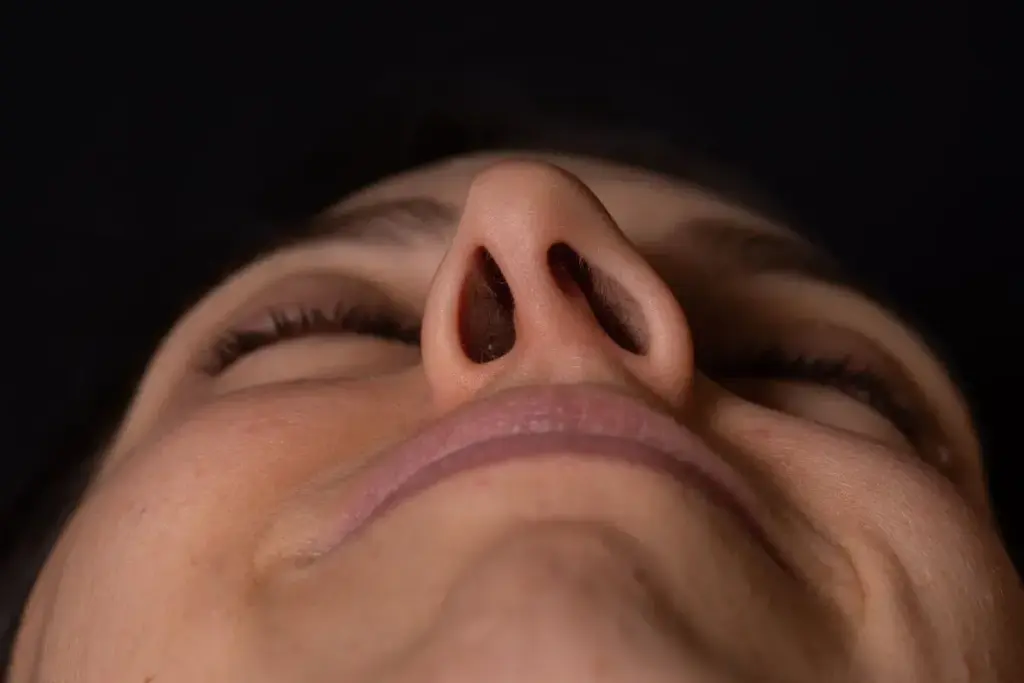
Knowing about the nasal septum is key to solving breathing problems. The nasal septum is a thin wall of bone and cartilage. It divides the nasal passages into two sides. If it’s off-center, it can make breathing hard.
Nasal Septum Anatomy and Function
The nasal septum is important for air to flow well through both nostrils. It has a cartilage front and a bony back. Ideally, it’s straight, dividing the passages evenly. But many people have a deviated septum, often due to genetics or injury.
Common Causes of Septum Deviation
Many things can cause a deviated septum. Some are born with it, while others get it from injuries. A lot of people have a deviated septum without knowing. For more info, check .
Impact on Breathing and Quality of Life
A deviated septum can significantly impact breathing and overall quality of life. It can block one or both nostrils, causing breathing difficulties. This can lead to noisy breathing, dry mouth, and poor sleep.
In bad cases, it can cause sleep disorders like sleep apnea. Fixing a deviated septum can make breathing better and life easier.
Some people might have a small deviation with little symptoms. But others face big discomfort and health problems. Understanding the signs and available treatment options is essential for effective management.
Recognizing Deviated Septum Symptoms
Knowing the signs of a deviated septum is key to feeling better. A deviated septum happens when the thin wall between the nasal passages shifts. This makes one passage smaller than the other. It can cause breathing problems, affect sleep, and impact your overall health.
Common Symptoms and Warning Signs
The symptoms of a deviated septum can differ from person to person. They often include:
- Nasal congestion or blockage in one or both nostrils
- Nosebleeds due to the drying of the nasal mucosa
- Noisy breathing or snoring during sleep
- Loss of smell or reduced ability to taste
- Facial pain or headache due to sinus pressure
These symptoms can really affect your daily life. It’s important to know how serious they are and when to get medical help.
How Symptoms Vary by Severity
The severity of a deviated septum affects the symptoms you feel. Mild cases might just cause occasional nasal congestion. But more severe cases can lead to serious breathing problems.
|
Severity |
Common Symptoms |
Impact on Daily Life |
|---|---|---|
|
Mild |
Occasional nasal congestion, slight snoring |
Minimal impact, occasional discomfort |
|
Moderate |
Frequent nasal blockage, noticeable snoring |
Moderate impact, some disturbance in sleep and daily activities |
|
Severe |
Persistent nasal obstruction, significant snoring, possible sleep apnea |
Significant impact, considerable disturbance in sleep and daily life |
When Symptoms Warrant Medical Attention
If you experience persistent nasal congestion, frequent nosebleeds, or serious breathing difficulties, it is advisable to consult a physician. They can check how bad your deviated septum is and suggest treatments. This could be anything from simple care to surgery.
Diagnosis Process: How Doctors Identify a Deviated Septum
Doctors use different methods to find out if a deviated septum is causing your symptoms. This process is key to understanding how severe the deviation is. It also shows how it affects your breathing and life quality.
Physical Examination Techniques
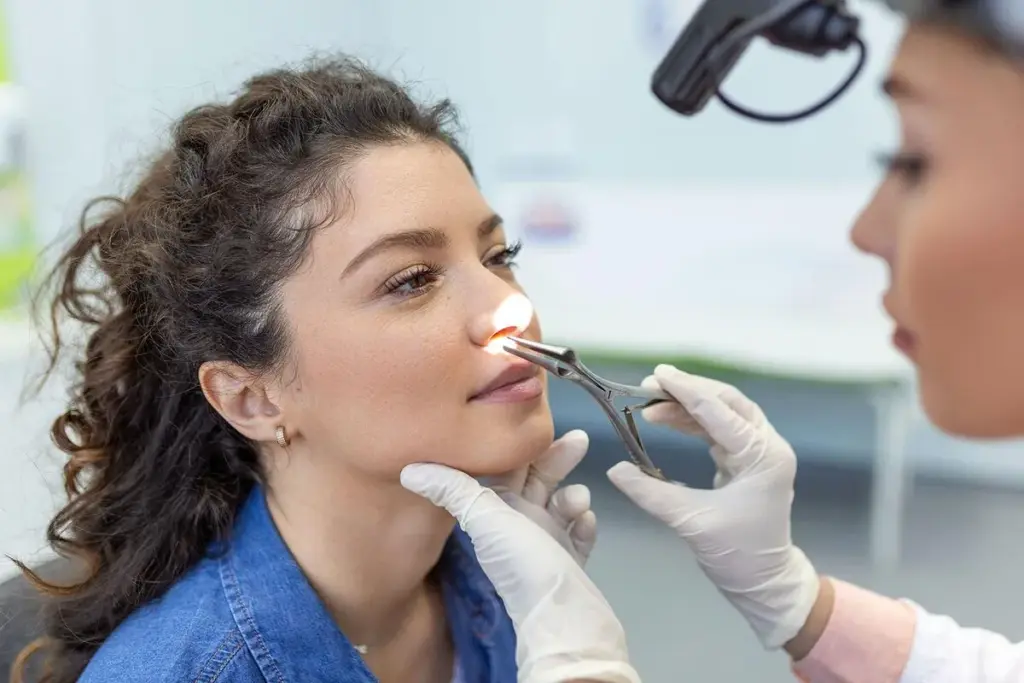
A physical exam is the first step to diagnose a deviated septum. Doctors use a nasal speculum to look inside your nasal passages. This tool helps them see if the septum is aligned right and if there are any blockages.
For a closer look, doctors might use a nasal endoscope. This lets them see more clearly inside your nose. They can then spot any deviations or issues that might be causing your symptoms.
Imaging and Other Diagnostic Tools
While a physical exam is often enough, sometimes more tools are needed. Imaging tests like CT scans give detailed pictures of your nasal passages and sinuses. This helps doctors understand how big the deviation is and if there are any other problems.
Other tools include rhinomanometry and acoustic rhinometry. These tests measure how well air flows through your nose and the size of your nasal cavity. They help doctors see how much the deviated septum affects your nose.
Severity Classification Systems
After diagnosing a deviated septum, doctors classify its severity. They use a deviated septum classification system. This system looks at where and how severe the deviation is. It helps doctors choose the best treatment for you.
The table below shows the main steps in diagnosing a deviated septum:
|
Diagnostic Method |
Description |
Purpose |
|---|---|---|
|
Nasal Speculum Examination |
Visual examination using a nasal speculum |
Initial assessment of septum alignment |
|
Nasal Endoscopy |
Detailed examination using a flexible or rigid endoscope |
Detailed view of nasal cavity and septum |
|
CT Scan |
Imaging test providing detailed nasal passage and sinus images |
Assess extent of deviation and related complications |
|
Rhinomanometry |
Measures airflow through nasal passages |
Quantify impact on nasal function |
Septoplasty vs. Rhinoplasty: Understanding the Difference
When looking into surgery for nasal problems, it’s key to know the difference between septoplasty and rhinoplasty. Both are nasal surgeries, but they fix different issues.
Functional vs. Cosmetic Purposes
Septoplasty is for fixing a deviated septum to help you breathe better. Rhinoplasty, on the other hand, is for making your nose look better. It can also fix injuries or birth defects.
Procedural Differences
The ways septoplasty and rhinoplasty are done are quite different. Septoplasty fixes the nasal septum, which might include cartilage and bone. Rhinoplasty, though, can change the nose’s size, shape, or even the nostrils.
Combined Approaches for Functional and Aesthetic Concerns
Some people might need both septoplasty and rhinoplasty. This combo can improve breathing and make the nose look better. But, it’s important to talk to a surgeon first to see if it’s right for you.
Non-Surgical Management Options for Deviated Septum
If you have a deviated septum, looking into non-surgical options is a big step. Surgery might be needed in some cases. But, many people find relief with conservative treatments.
When Conservative Treatment is Appropriate
Non-surgical methods are often suggested for mild to moderate symptoms. Nasal steroid sprays, antihistamines, and decongestants are common treatments. They help with congestion, sinus pressure, and more.
Nasal irrigation is another helpful method. It uses a saline solution to clean the nasal passages. This can clear mucus, reduce congestion, and aid in healing.
Limitations of Non-Surgical Approaches
Non-surgical treatments have their limits. For severe symptoms or significant blockage, they might not be enough. Surgery could be needed to fix the problem.
It’s also important to remember that these treatments might need to be ongoing. This is something to consider if you’re looking for a more lasting solution.
Setting Realistic Expectations
When looking into non-surgical options, it’s key to have realistic hopes. These treatments can greatly improve symptoms but might not get rid of them all. Knowing what to expect can help you make better choices.
Working with a healthcare provider can help you create a treatment plan that fits your needs. This might include non-surgical treatments and lifestyle changes to better manage symptoms.
Medication Treatments to Manage Deviated Septum Symptoms
There are many medication options for those with a deviated septum. These can help with nasal congestion, reduce swelling, and improve breathing.
Nasal Steroid Sprays and Their Mechanism
Nasal steroid sprays are a common treatment. They reduce swelling in the nasal passages. This makes breathing easier and reduces congestion. Fluticasone and triamcinolone are examples of nasal steroids often used.
It’s important to use these sprays as directed. Regular use can greatly improve nasal function and comfort.
Antihistamines for Allergy-Related Complications
Antihistamines are helpful for those with allergies. They block the release of histamine, which causes congestion and itching. This helps control allergy symptoms.
Choosing the right antihistamine is key. Newer generations, like loratadine and cetirizine, are better because they last longer and have fewer side effects.
Decongestants: Benefits and Limitations
Decongestants help with nasal congestion. They reduce swelling in the nasal passages, making breathing easier. They come in oral and nasal spray forms.
But, they should only be used for a short time. Long-term use can lead to dependency and worsen congestion.
Proper Usage Protocols and Possible Side Effects
To get the most from these medications, follow the dosage instructions. Always follow the dosage instructions provided by a healthcare professional or on the label. It’s also important to watch for side effects and report them to a healthcare provider.
By understanding and using these medications correctly, people with a deviated septum can manage their symptoms better. This improves their quality of life.
Nasal Irrigation and Rinses for Symptom Relief
Saline nasal irrigation is becoming more popular for helping with deviated septum symptoms. It’s a non-surgical method that uses a saline solution to clean out the nasal passages. This helps reduce congestion and promotes better breathing.
How Saline Irrigation Helps Manage Symptoms
Nasal irrigation can greatly help with deviated septum symptoms by:
- Clearing nasal passages of excess mucus and debris
- Reducing nasal congestion and sinus pressure
- Moisturizing the nasal mucosa to improve overall nasal health
- Enhancing the effectiveness of other treatments, such as nasal sprays
By adding nasal irrigation to their daily routine, people with a deviated septum can feel a lot better. It can really improve their quality of life.
Different Irrigation Devices and Solutions
There are many devices and solutions for nasal irrigation, including:
- Neti Pots: Traditional devices from Ayurvedic medicine for nasal irrigation.
- Squeeze Bottles: Easy to carry and use with pre-mixed saline packets.
- Nasal Irrigation Kits: Kits that come with devices and saline packets or powders.
The right device depends on what you prefer and feel comfortable with. Always use sterile or distilled water and follow cleaning and maintenance tips to avoid infections.
Step-by-Step Technique for Effective Nasal Rinsing
To do nasal irrigation right, follow these steps:
- Prepare the saline solution as the manufacturer or healthcare provider suggests.
- Fill your chosen device with the saline solution.
- Tilt your head to one side over a sink.
- Put the spout of the device into the upper nostril and gently pour the solution. Let it flow out of the lower nostril.
- Do the same on the other side.
- Blow your nose gently to get rid of any leftover solution and mucus.
Doing nasal irrigation regularly, when done correctly, is a safe and effective way to manage deviated septum symptoms.
Breathing Techniques and External Devices
Breathing techniques and external devices are great for those with a deviated septum. They help improve airflow and reduce nasal resistance. This makes life better for those affected.
Nasal Breathing Exercises for Improved Airflow
Nasal breathing exercises can make your nasal passages stronger. They help improve airflow. Techniques like alternate nostril breathing and nasal resonance breathing are easy and can be done anywhere.
To do alternate nostril breathing, block one nostril with your finger and breathe in through the other. Then, switch and breathe out through the other nostril. This balances airflow through both nostrils.
External Nasal Dilator Strips and Their Effectiveness
External nasal dilator strips are adhesive strips for the nose. They gently lift the nasal passages, improving airflow and reducing congestion. They’re great for sleep or exercise.
Research shows these strips can improve nasal airflow and lessen nasal blockage symptoms. They’re a simple, drug-free way to manage deviated septum symptoms.
Nasal Valve Support Options
The nasal valve area often gets blocked in people with a deviated septum. Devices that support this area can help keep it open. This improves airflow. Options include nasal stents and internal nasal dilators.
Nasal valve support devices are best for those with severe nasal blockage. They keep the nasal valve area open. This improves breathing and lessens deviated septum symptoms.
Alternative Approaches to Managing Deviated Septum Symptoms
While surgery is sometimes needed, there are other ways to handle deviated septum symptoms. These methods can be used alone or with traditional treatments. They help improve your quality of life.
Humidification and Steam Therapy
Keeping your nasal passages moist is key for those with a deviated septum. Dry air makes symptoms worse. Humidification keeps the air moist, reducing irritation.
Steam therapy is also helpful. It involves breathing in warm, moist air. This loosens mucus and soothes the nasal tissues.
- Use a humidifier in your home, even in dry places
- Try steam inhalation with hot water or a steam inhaler
- Add eucalyptus oil to your steam inhalation for extra benefits
Essential Oils and Aromatherapy Considerations
Certain essential oils can help with a deviated septum. Eucalyptus, peppermint, and lavender oils are good for decongesting and reducing inflammation. But, use them carefully and with guidance.
- Always mix essential oils with a carrier oil before applying
- Use a diffuser for aromatherapy to avoid direct inhalation
- Check with a healthcare professional before using essential oils, if you have allergies or sensitivities
Complementary Medicine Approaches
There are more ways to manage deviated septum symptoms. These include acupuncture, nasal saline irrigations, and dietary changes.
Always talk to a healthcare provider before trying new therapies. Combining alternative methods with traditional care can lead to better symptom management. This can greatly improve your overall well-being.
Evidence-Based Comparison: Non-Surgical vs. Surgical Outcomes
Surgery for a deviated septum can greatly improve your life. We’ll look at how it compares to non-surgical treatments.
Recent Findings
Recent studies have compared septoplasty surgery to non-surgical treatments. A study on shows surgery improves nasal issues and quality of life more than non-surgical methods.
Objective Measurements
Studies have shown nasal resistance and airflow improve after septoplasty. They used tools like rhinomanometry and acoustic rhinometry to measure these changes.
Patient-Reported Outcomes
Patients who had septoplasty are happier and feel better than those who didn’t. They report more symptom relief.
Quality of Life Impact
The impact on quality of life is key. Surgery has been shown to improve it more than non-surgical treatments. This is based on feedback from patients.
|
Treatment Approach |
Objective Improvement |
Patient Satisfaction |
Quality of Life Impact |
|---|---|---|---|
|
Non-Surgical |
Moderate |
Variable |
Minimal to Moderate |
|
Surgical (Septoplasty) |
Significant |
High |
Significant |
Our review of the evidence shows septoplasty surgery is better. It improves objective measurements, patient satisfaction, and quality of life more than non-surgical treatments for a deviated septum.
Why 30% of Patients Eventually Choose Surgery
Many patients turn to surgery when non-surgical treatments don’t work. They might feel better at first, but symptoms can come back or get worse over time.
Limitations of Symptom Management Approaches
Medications and nasal irrigation can help for a while. But they don’t fix the real problem of a deviated septum. So, symptoms can keep coming back, needing more action.
Some people get frustrated because these treatments don’t solve their problems. They want a more lasting solution.
Progressive Symptoms and Complications
A deviated septum can cause more problems like chronic sinusitis and nasal polyps. These issues can really hurt your quality of life and might mean you need surgery.
|
Complication |
Symptoms |
Impact on Quality of Life |
|---|---|---|
|
Chronic Sinusitis |
Recurring sinus infections, nasal congestion |
Frequent pain, difficulty breathing |
|
Nasal Polyps |
Loss of smell, nasal obstruction |
Reduced sense of smell, breathing difficulties |
|
Sleep Disturbances |
Snoring, sleep apnea |
Daytime fatigue, cardiovascular risks |
Decision Factors in Transitioning to Surgical Treatment
Patients think about many things when they decide to have surgery. They look at how bad their symptoms are, how they affect their life, and what surgery might do for them.
- Severity of symptoms and their impact on daily life
- Effectiveness of previous treatments
- Potential risks and complications of surgery
- Surgeon’s recommendations and patient preferences
By thinking about these things, patients can make smart choices. They figure out if surgery is the right move for their deviated septum.
The Septoplasty Procedure: A Surgical Solution for Deviated Septum
Septoplasty is a surgery to fix a deviated septum. This issue can make breathing hard and affect your quality of life. The goal is to improve airflow, reduce blockages, and ease symptoms like congestion and breathing trouble.
Pre-operative Evaluation
Before septoplasty, patients get a thorough check-up. This includes looking at their medical history and examining their nose. They might also have a CT scan to see how bad the deviation is and if there are other issues.
Surgical Techniques
Septoplasty fixes the deviated septum through surgery. There are different ways to do it, like open septoplasty or endoscopic septoplasty. The choice depends on how bad the deviation is and what the doctor thinks is best.
Surgical Approaches:
- Traditional open septoplasty
- Endoscopic septoplasty
- Septoplasty with turbinate reduction (if necessary)
Recovery Timeline
Recovering from septoplasty usually takes a few weeks. Most people can go back to normal activities in 1-2 weeks. But, it can take a few months for all swelling to go down and to see the full results.
|
Recovery Stage |
Timeline |
Expectations |
|---|---|---|
|
Immediate Post-op |
0-3 days |
Nasal packing or splints, rest, pain management |
|
Early Recovery |
1-2 weeks |
Return to normal activities, some nasal congestion |
|
Late Recovery |
Several weeks to months |
Gradual improvement in breathing, resolution of swelling |
Knowing about septoplasty and recovery can help ease worries. It prepares patients for a good outcome.
Risks, Complications and Success Rates of Septoplasty
Septoplasty is usually safe, but it’s key to know the possible risks and complications. Like any surgery, there are risks patients should know about. This helps them make informed choices.
Common Side Effects and Their Management
After septoplasty, you might feel nasal congestion, swelling, and bruising around your nose and eyes. These effects are usually short-term and can be managed. You can use pain meds, nasal decongestants, and cold compresses.
In some cases, you might get nasal dryness or crusting. Saline nasal sprays or irrigations can help with this.
- Nasal congestion and swelling
- Bruising around the nose and eyes
- Nasal dryness or crusting
To lessen these side effects, follow your doctor’s post-op instructions closely. Avoid hard activities, sleep with your head up, and use nasal saline as directed.
Potential Complications and Their Rates
Though rare, septoplasty can have complications. The rates of these complications range from 0.31% to 4.12%. Possible complications include:
- Bleeding or hematoma
- Infection
- Septal perforation
- Changes in nasal shape or function
These issues can usually be fixed with quick medical care. Sometimes, you might need more surgery to fix the problem or to improve the first surgery.
Factors Affecting Surgical Outcomes
The success of septoplasty depends on several things. These include the surgeon’s skill, how severe the deviated septum is, and your overall health. Other factors that can affect results include:
- The presence of other nasal or sinus conditions
- How well you follow post-op instructions
- The use of advanced surgical techniques and technology
Knowing these factors and talking to a qualified healthcare provider can help you have realistic expectations. This way, you can better understand what to expect from your septoplasty procedure.
Cost Considerations: Non-Surgical vs. Surgical Treatment
When thinking about treating a deviated septum, it’s key to look at the costs of non-surgical and surgical methods. These costs can greatly affect a person’s choice.
Medication and Device Costs Over Time
Non-surgical treatments for a deviated septum include medicines and devices. These can add up over time. For example, nasal sprays and decongestants help but need to be bought often. Also, nasal dilators may need to be replaced.
The total cost of these treatments can be as much as surgery, even though surgery is a one-time payment.
Surgical Procedure and Recovery Expenses
Septoplasty, the surgery for a deviated septum, has its own costs. These include the doctor’s fee, hospital charges, and more. Though it’s expensive at first, it can offer lasting relief.
The cost of septoplasty can change based on where you are, how complex the surgery is, and the doctor’s skill.
Insurance Coverage Considerations
Insurance is a big part of the cost when treating a deviated septum. Many plans cover septoplasty if it’s needed. But, how much they cover can differ.
Knowing what your insurance covers is important before you choose a treatment. Non-surgical options might be covered less. It’s good to check what your insurance will pay for both options.
Long-term Financial Implications
Looking at the long-term costs of treatments is important. Non-surgical methods might seem cheaper at first. But, their ongoing costs can add up.
On the other hand, septoplasty is more expensive but offers a permanent fix. This could save money in the long run. Patients should think about these costs when choosing a treatment.
Living with a Deviated Septum: Lifestyle Adaptations
Living with a deviated septum can be tough. But, there are ways to manage its symptoms. Making some lifestyle changes can improve your life and lessen the condition’s impact.
Environmental Modifications
Managing a deviated septum starts with changing your environment. This means reducing irritants and allergens that worsen symptoms. Here are some steps:
- Use air purifiers to clean the air of dust and pollen.
- Keep your home clean to fight dust mites and allergens.
- Avoid strong smells and chemicals that can bother your nose.
Sleep Position Strategies
Sleeping with a deviated septum can be hard. But, there are sleep tips to help:
- Sleep on your side with a pillow to keep your nose open.
- Elevate your bed’s head to lessen congestion.
- Don’t sleep on your back, as it can block your airway.
Exercise and Activity Accommodations
Exercise is key for health, even with a deviated septum. Here’s how to make it easier:
- Choose low-impact exercises that don’t make your nose stuffy.
- Use nasal strips or dilators to help breathe during workouts.
- Stay away from extreme temperatures and high pollen areas.
When to Reassess Treatment Effectiveness
It’s important to check if your treatment is working often. If you notice:
- Worsening symptoms
- Hard breathing or stuffy nose that hinders daily life
- Side effects from treatments
See your doctor to adjust your treatment plan. They can help find new options.
Conclusion: Making the Right Treatment Choice for Your Deviated Septum
Understanding your treatment options for a deviated septum is key. We’ve looked at different ways to treat it, from non-surgical methods to septoplasty. It’s important to consider how severe your symptoms are and what you prefer.
Choosing between non-surgical treatments and surgery depends on your symptoms and what you want. For mild to moderate symptoms, medication and nasal irrigation might help. But for severe cases or when other treatments don’t work, septoplasty could be the best choice.
Knowing the differences between septoplasty and other treatments helps you make a better choice. It’s wise to talk to a healthcare professional about your options. They can help you understand the pros and cons of each, ensuring you pick the best treatment for you.
The main aim of treating a deviated septum is to improve your life quality. Whether it’s through non-surgical methods or septoplasty, the right choice can greatly affect your breathing, sleep, and overall health.
FAQ
What is a deviated septum and how does it affect breathing?
A deviated septum happens when the thin wall between the nasal passages shifts. This makes one passage smaller than the other. It can lead to breathing problems, nasal blockage, and other respiratory issues.
Can a deviated septum be fixed without surgery?
Some deviated septums can be treated without surgery. Options include nasal strips, saline rinses, and medications. But, severe cases might need septoplasty surgery to fix the issue and improve breathing.
What are the symptoms of a deviated septum?
Signs include nasal blockage, breathing trouble, loss of smell, and nosebleeds. You might also face sinus infections, facial pain, headaches, or postnasal drip.
How is a deviated septum diagnosed?
To diagnose, a doctor will do a physical exam and a nasal endoscopy. They might also use a CT scan to see how severe the deviation is and to check for other problems.
What is the difference between septoplasty and rhinoplasty?
Septoplasty fixes a deviated septum to help breathing. Rhinoplasty is for cosmetic changes to the nose. They can be done separately or together, depending on the case.
What are the risks and complications of septoplasty?
Risks include bleeding, infection, and changes in the nose’s shape. But, serious problems are rare. Most people see big improvements in their symptoms.
How much does septoplasty surgery cost?
The cost of septoplasty changes based on location, surgeon, and insurance. It’s best to talk to a doctor and insurance to get a clear price.
Can a deviated septum cause other health problems?
Yes, it can lead to sleep issues, dry mouth, and more sinus infections. Fixing the septum can help solve these problems.
Are there any alternative treatments for deviated septum?
Yes, you can try humidifiers, steam therapy, and breathing exercises. They might help symptoms, but they don’t fix the septum itself.
How long does it take to recover from septoplasty?
Recovery time is different for everyone. But, most can get back to normal in one to two weeks. Swelling and congestion might take longer, weeks to months.
Will insurance cover the cost of septoplasty?
Insurance coverage for septoplasty depends on your policy and if it’s medically necessary. Many plans cover it if it’s needed to fix breathing problems or other health issues.
References