
A deviated septum happens when the thin wall between the nasal passages shifts. This makes one passage smaller than the other. It can lead to breathing problems and nasal blockage.What’s bad about deviated septum? Infections and apnea. Get best risk facts. It blocks air. Fixing it is vital for amazing sleep quality.
It’s important to know what a deviated septum is and how it affects health.
Key Takeaways
- A deviated septum occurs when the thin wall between nasal passages is displaced.
- This condition can cause breathing difficulties and nasal congestion.
- Health issues related to a deviated septum can be significant if left untreated.
- Understanding the condition is key to addressing its impacts on health.
- A deviated septum can lead to various health complications.
Understanding the Deviated Septum
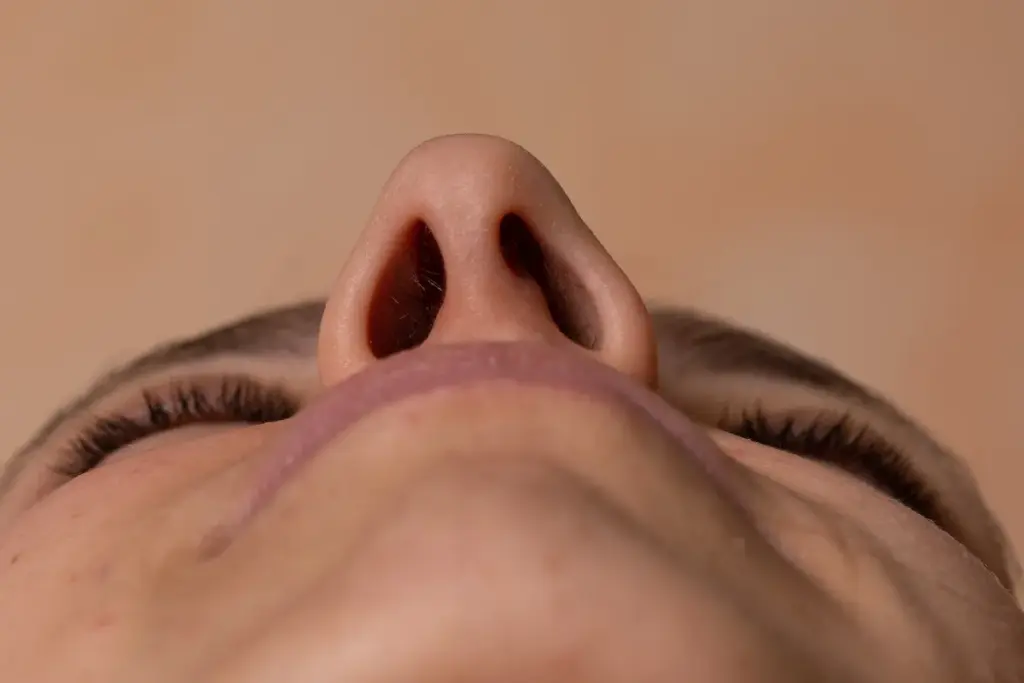
The nasal septum is key to our breathing. It’s made of cartilage and bone that divides the nasal cavity. This structure supports the nose and helps us breathe.
Anatomy of the Nasal Septum
The nasal septum is a thin wall of cartilage and bone. It’s covered by a mucous membrane. This membrane warms, humidifies, and filters the air we breathe. A deviated septum happens when this wall shifts, making one nostril smaller than the other.
How Common is a Deviated Septum?
Deviated septums are quite common. They can be present at birth or develop later due to genetics, injury, or trauma.
Severity Levels of Septal Deviation
Deviated septums vary in severity. Some people have mild deviations with few symptoms. Others face severe deviations that greatly affect their life. The severity is based on how much the septum is displaced and the symptoms it causes.
Causes of a Deviated Septum
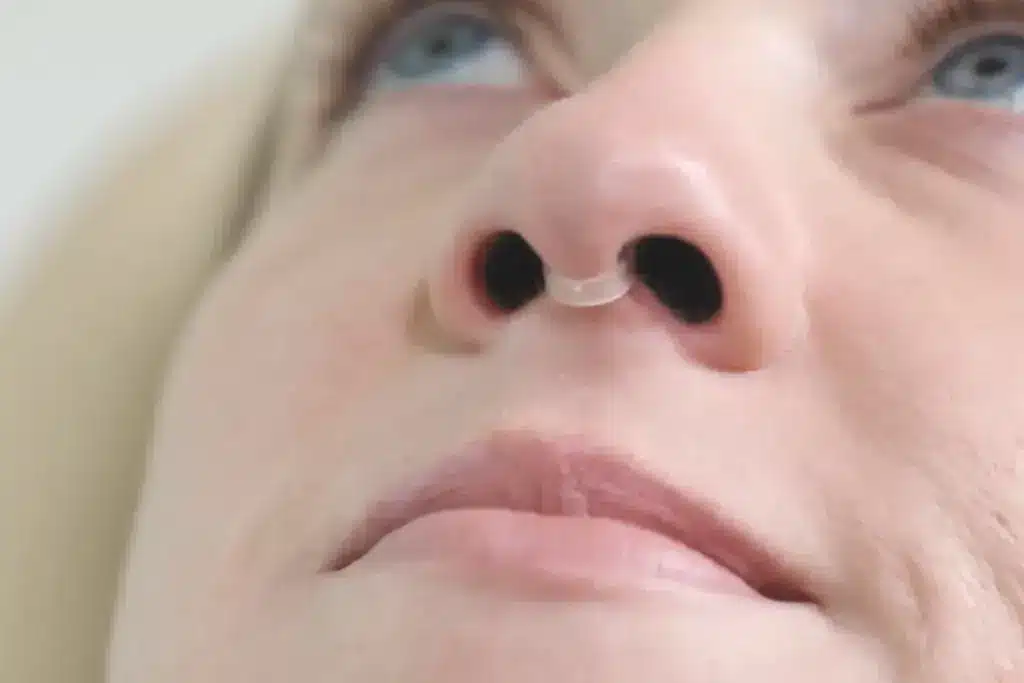
The nasal septum can become deviated due to many reasons. These include both genetic and acquired factors. This can greatly affect a person’s life by making breathing hard and raising the chance of sinus infections.
Congenital Factors
Some people are born with a deviated septum. This is called congenital nasal septal deviation. Congenital factors can make the septum deviate, noticeable at birth or during growth.
Injury and Trauma
Injury or trauma to the nose is a big reason for a deviated septum. This can happen from a fall, a car accident, or sports injuries. Trauma can make the septum deviate, causing breathing problems and other issues.
Aging Process
The aging process can also lead to a deviated septum. As we get older, the septum can shift more. This can cause more nasal congestion and other symptoms.
Understanding these causes is crucial for effective management and treatment of a deviated septum.
Common Symptoms of a Deviated Septum
A deviated septum can cause many health problems that need medical help. It happens when the thin wall between the nasal passages gets displaced. This makes one passage smaller, leading to breathing, sinus, and comfort issues.
Breathing Difficulties
One main symptom is trouble breathing through the nose. If the septum is off-center, it blocks air flow. This is harder when you exercise or have a cold.
Nasal Congestion and Discharge
Nasal congestion is another symptom. The blocked passage makes it hard to clear mucus. This can lead to discharge, which might be clear or colored if infected.
Frequent Sinus Infections
A deviated septum raises the risk of sinus infections. This is because mucus can’t drain properly. Stuck mucus is a perfect place for bacteria to grow, causing infections.
Facial Pain and Headaches
Facial pain and headaches are also symptoms. They often come from sinus infections or pressure in the sinuses. This is because the sinuses can’t drain well.
|
Symptom |
Description |
Potential Complications |
|---|---|---|
|
Breathing Difficulties |
Obstruction of airflow through the nasal passages |
Respiratory issues, sleep disturbances |
|
Nasal Congestion and Discharge |
Blockage of the nasal passage, accumulation of mucus |
Infections, postnasal drip |
|
Frequent Sinus Infections |
Impaired drainage of mucus from the sinuses |
Chronic sinusitis, facial pain |
|
Facial Pain and Headaches |
Pressure and pain from sinus infections or impaired drainage |
Migraines, chronic pain |
Knowing these symptoms is key to diagnosing and treating a deviated septum. If you’re experiencing several symptoms, see a healthcare professional. They can evaluate and treat you properly.
Health Complications Associated with a Deviated Septum
A deviated septum, also known as a crooked septum, can cause serious health issues if not treated.
Sleep Apnea and Snoring
A deviated septum can make breathing hard during sleep, leading to sleep apnea and snoring. Sleep apnea means you stop breathing for short times while sleeping, breaking your sleep cycle. Snoring happens when air can’t flow well through your nose.
- Sleep apnea can make you tired and less productive during the day.
- Snoring might mean you have sleep apnea, a serious condition.
- Fixing a deviated septum can help with sleep apnea and snoring.
Chronic Sinusitis
A deviated septum can lead to chronic sinusitis, where sinuses get inflamed and infected. This causes long-lasting nasal blockage, facial pain, and headaches.
Here are some risk factors for chronic sinusitis:
- A deviated septum
- Nasal polyps
- Allergies
Nosebleeds and Nasal Dryness
Nosebleeds and dry nose are common problems with a deviated septum. The crooked septum can dry out and irritate the nasal passages, causing nosebleeds.
If you think you have a deviated septum, you should see a doctor. There are treatments to fix it and stop more problems.
Diagnosing a Deviated Septum
Diagnosing a deviated septum requires a detailed check-up by a healthcare expert. This step is key to figuring out how severe the septal deviation is. It also shows how it affects a person’s life.
After a thorough diagnosis, the right treatment plan can be chosen. This might include medicines, changes in lifestyle, or surgery.
Physical Examination
The first step in diagnosing a deviated septum is a physical check-up. The doctor will look at the nasal passages and septum closely. They might use a nasal speculum for a better view.
They might also press on the nose bridge to check for any tenderness or shape issues.
Nasal Endoscopy
Nasal endoscopy is a detailed way to look at the nasal cavity. A flexible or rigid endoscope is put into the nostril. This gives a clear view of the nasal septum and its surroundings.
This method helps see how big the deviation is and if there are other issues in the nose.
Imaging Tests
Imaging tests, like CT scans, might be needed to look at the nasal septum and sinuses more closely. These tests give detailed pictures. They help find any problems linked to the deviated septum, like sinusitis or nasal tumors.
|
Diagnostic Method |
Description |
Benefits |
|---|---|---|
|
Physical Examination |
Visual inspection of the nasal passages and septum |
Quick and non-invasive |
|
Nasal Endoscopy |
Detailed examination using a flexible or rigid endoscope |
Provides a clear view of the nasal septum and surrounding structures |
|
Imaging Tests (CT scans) |
Detailed images of the nasal septum and sinuses |
Helps identify complications such as sinusitis or nasal tumors |
Treatment Options for a Deviated Septum
People with a deviated septum have many ways to feel better. The right treatment depends on how bad the septum is and what each person needs, says Advanced Specialty Associates.
Medications for Symptom Relief
For many, the first step is taking medicines to ease symptoms. These help with stuffy noses, sinus infections, and more.
Decongestants and Antihistamines
Decongestants help by shrinking swollen nasal passages. Antihistamines are good for allergy-related stuffiness. It’s key to follow the directions to avoid getting worse congestion.
Nasal Steroids and Sprays
Nasal steroids and sprays cut down swelling and help you breathe better. They work well for long-term stuffiness.
Surgical Interventions
If meds don’t work or the septum is really off, surgery might be needed. Surgery can fix the septum, make breathing easier, and lower sinus infection risks.
Septoplasty Procedure
Septoplasty fixes a deviated septum by straightening it. This surgery is usually done under general or local anesthesia with sedation.
Rhinoplasty and Septorhinoplasty
Sometimes, rhinoplasty (nose cosmetic surgery) is done with septoplasty, called septorhinoplasty. This combo improves breathing and looks. Those with a hooked nose or other looks concerns might choose this.
Recovery and Expected Results
After surgery, some stuffiness and swelling are normal and go away in a few weeks. It takes a few months to fully recover, but most see big improvements. You can expect better breathing, less nasal discharge, and fewer sinus infections.
Living with a Deviated Septum: Self-Care and Management
Home Remedies and Nasal Hygiene
Keeping your nose clean is key. Saline sprays or rinses can moisturize your nose and ease congestion. Nasal irrigation with a neti pot can also help clear out mucus.
“The use of humidifiers in the home can also help to maintain a healthy nasal mucosa and reduce the risk of complications.”
Lifestyle Adjustments
Changing your lifestyle can also help. Sleeping with your head up can cut down on congestion. Staying away from things that make your nose hurt, like tobacco smoke, can also help.
|
Lifestyle Adjustment |
Benefit |
|---|---|
|
Elevating the head while sleeping |
Reduces congestion |
|
Avoiding allergens and irritants |
Alleviates nasal discomfort |
|
Staying hydrated |
Thins out mucus |
Preventing Worsening of Symptoms
To stop symptoms from getting worse, avoid irritating your nose. Don’t pick or blow your nose too hard.
By following these tips, people with a deviated septum can manage their condition better. This can improve their life a lot.
When to Seek Medical Attention for Your Deviated Septum
If your deviated septum symptoms don’t get better or get worse, you need to see a doctor. A deviated septum can lead to breathing problems and chronic sinus infections. Knowing when to get help is key to managing your condition well.
Warning Signs and Red Flags
“If you have a deviated septum, you may experience nasal congestion, loss of smell, or facial pain. These symptoms can significantly impact your quality of life.”
Key warning signs to watch out for:
- Chronic nasal congestion
- Frequent sinus infections
- Nosebleeds
- Facial pain or headaches
Preparing for Your Doctor’s Appointment
Before your doctor’s visit, make a list of your symptoms. Include when they started and how long they’ve lasted. Also, write down any medicines you’re taking.
|
Preparation Step |
Description |
|---|---|
|
List your symptoms |
Detail the symptoms you’re experiencing, including their duration. |
|
Note medications |
List all medications, supplements, and vitamins you’re taking. |
|
Prepare questions |
Write down questions to ask your healthcare provider. |
Questions to Ask Your Healthcare Provider
Asking the right questions can help you understand your condition and the treatment options. Ask about the severity of your deviated septum, possible treatments, and lifestyle changes to manage your symptoms.
Being prepared and knowing the warning signs can help you get the medical attention you need for your deviated septum. This can improve your overall health.
Conclusion
A deviated septum can really affect someone’s life if not treated. It can lead to breathing problems and stuffy noses. Even worse, it can cause sleep apnea and chronic sinusitis.
Getting medical help is key to dealing with a deviated septum. Advanced Specialty Associates says finding the right treatment can ease symptoms and boost health. Knowing the causes, symptoms, and treatments is the first step to managing the condition.
It’s important to watch for signs that mean you need to see a doctor. Being informed and acting fast can stop things from getting worse. A deviated septum can be treated, and with the right care, you can breathe better and feel healthier.
FAQ
What is a deviated septum?
A deviated septum is when the thin wall between the nasal passages is crooked. This can make breathing hard and cause other respiratory issues.
What are the symptoms of a deviated septum?
Signs of a deviated septum include trouble breathing and nasal congestion. You might also have nasal discharge, sinus infections, facial pain, and headaches.
How is a deviated septum diagnosed?
A doctor will usually check you physically, use a nasal endoscope, or do imaging tests like CT scans or X-rays to diagnose a deviated septum.
Can a deviated septum be treated with medication?
Medicines like decongestants and nasal sprays can ease symptoms. But they don’t fix the problem. Sometimes, surgery is needed to correct the septum.
What is the difference between a deviated septum and a crooked nose?
A deviated septum is about the nasal septum being off-center. A crooked nose is about how the nose looks. They’re related but different.
Can a deviated septum cause sleep apnea?
Yes, a deviated septum can cause sleep apnea. It blocks airflow, making breathing hard during sleep.
How can I manage my deviated septum at home?
At home, you can use saline sprays, humidifiers, and nasal strips to help. Keeping your nose clean and making lifestyle changes can also help prevent symptoms from getting worse.
What are the risks of not treating a deviated septum?
Not treating a deviated septum can lead to serious problems. These include chronic sinusitis, nosebleeds, and dry nose. It can also cause sleep disorders like sleep apnea.
Can a deviated septum be corrected with surgery?
Yes, surgery like septoplasty can fix a deviated septum. It involves moving or removing the part of the septum that blocks the airway.
What should I expect during a doctor’s appointment for a deviated septum?
At a doctor’s appointment, you’ll get a physical check-up and talk about your symptoms and health history. You might also have tests like nasal endoscopy or imaging.
Reference
National Center for Biotechnology Information. Evidence-Based Medical Insight. Retrieved from https://pubmed.ncbi.nlm.nih.gov/1979563/



 Departments
 Related Videos
 Our Doctors
 News
News