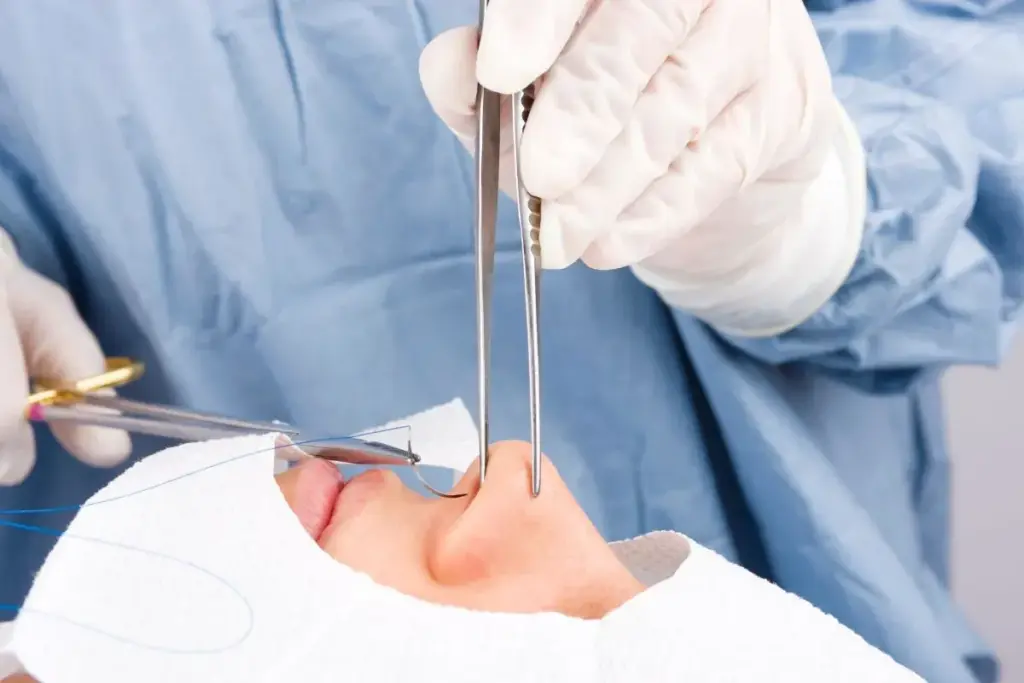
Septoplasty is a surgery to fix a deviated septum. It helps people who have trouble breathing through their nose. But, many things can make this procedure not work as well as hoped.
Don’t let mistakes ruin your deviated septum surgery recovery. Learn the vital safety tips to ensure an amazing, permanent breathing fix.
Studies show that problems can happen during and after surgery. Bleeding can happen during the surgery. Afterward, issues like blood clots, infections, and holes in the septum can occur. Knowing about these risks is key for both doctors and patients to have a good recovery.
Key Takeaways
- Septoplasty is a common procedure for correcting nasal obstruction.
- Complications can occur during and after the surgery.
- Understanding the risks is essential for surgeons and patients.
- Intraoperative and postoperative complications can significantly impact recovery.
- Knowledge of possible complications helps in managing expectations and outcomes.
Understanding Septoplasty: Procedure and Expected Outcomes
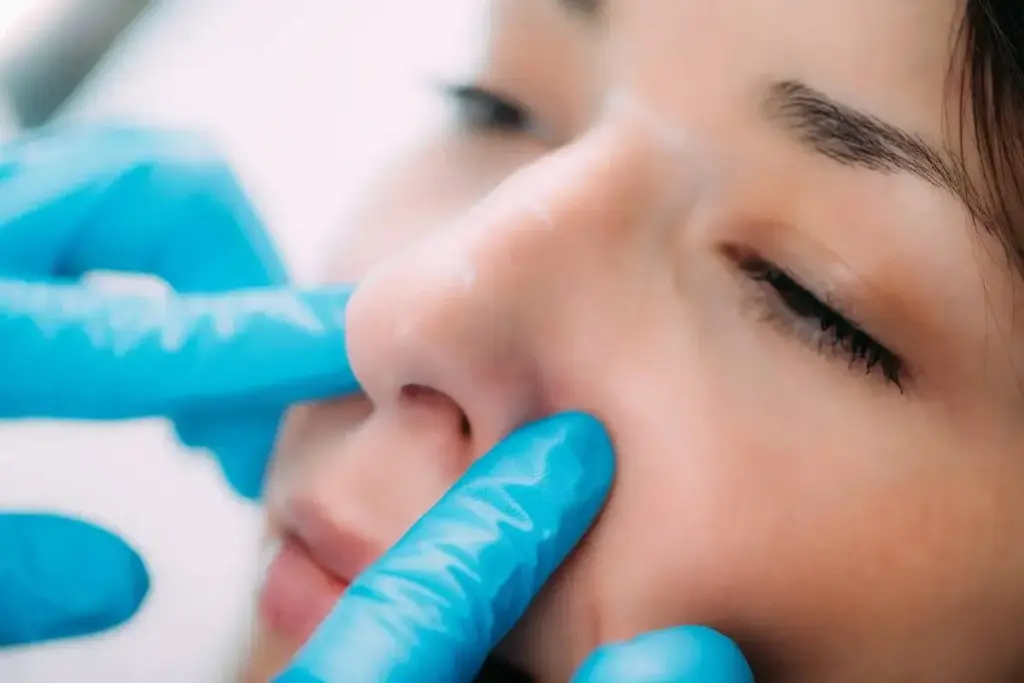
Septoplasty is a surgery that fixes a deviated septum. This can make breathing easier and reduce blockages in the nose. It’s important for those thinking about this surgery to understand it well.
What Is a Septoplasty?
Septoplasty fixes the nasal septum, the wall between the nostrils. If this wall is off, it can cause breathing and nose problems.
Goals and Benefits of the Procedure
The main goal of septoplasty is to make breathing easier. It helps by:
- Improving breathing
- Reducing nasal congestion
- Lowering the chance of sinus infections
- Improving life quality
Fixing the deviated septum can greatly help with breathing problems.
Realistic Expectations vs. Common Misconceptions
It’s key to know what septoplasty can and can’t do. While it helps a lot, it might not fix all nose problems. Other issues can also affect breathing.
|
Expectation |
Reality |
|---|---|
|
Complete resolution of nasal issues |
Significant improvement, but other factors may cause problems |
|
Immediate return to normal activities |
Recovery time varies; usually several weeks |
|
No post-operative complications |
While rare, complications can happen; proper care is important |
Being happy with septoplasty depends on knowing what to expect. Talking to a doctor about possible outcomes and risks is very important.
Common Intraoperative Complications
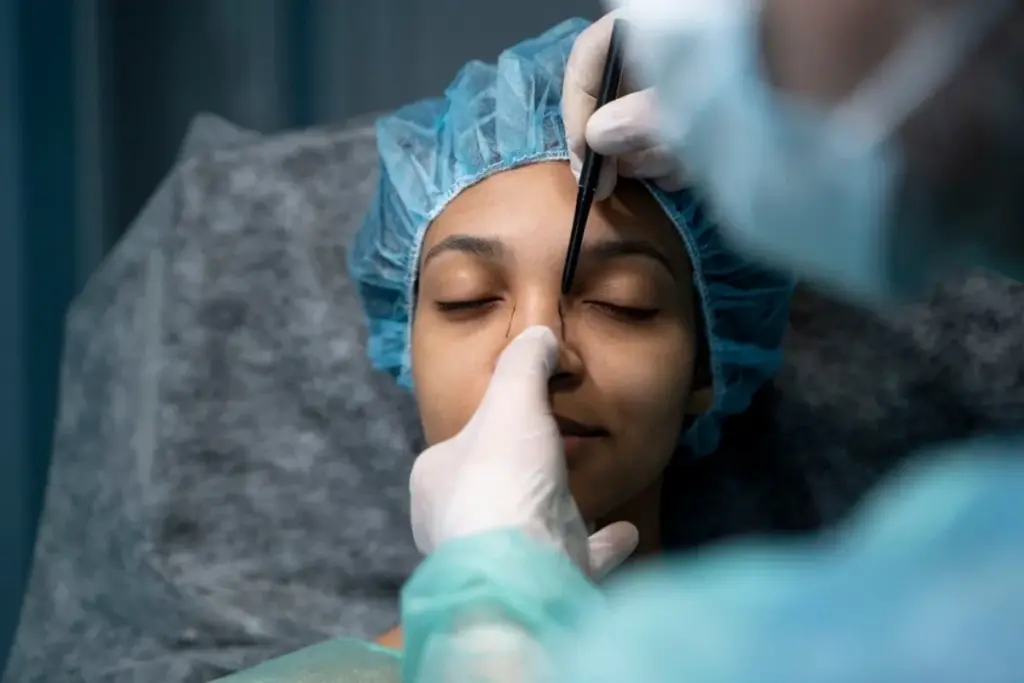
Septoplasty is generally safe but can have some complications. These can include too much bleeding or mistakes during the surgery.
Excessive Bleeding During Surgery
Studies show that too much bleeding is a big problem, happening in about 28.2% of cases. Excessive bleeding makes it hard for doctors to see what they’re doing. This can happen if you’re taking blood thinners or have blood vessel issues.
Anatomical Challenges and Surgical Difficulties
The shape of the nose can make septoplasty tricky. Anatomical variations or past surgeries can add to the challenge. Doctors need to be very skilled to handle these issues.
Anesthesia-Related Complications
Like any surgery, anesthesia-related complications can happen during septoplasty. These might include bad reactions to the drugs, breathing problems, or other issues. The anesthesiologist’s expertise is key in avoiding these problems.
Technical Errors During the Procedure
Technical errors are rare but serious. They can include damage to other parts of the nose, not fixing the septum right, or other mistakes. The surgeon’s experience and skill are very important in avoiding these mistakes.
It’s important for both doctors and patients to know about these possible problems. This way, patients can get ready for the surgery and recovery better.
Immediate Postoperative Complications
The postoperative period following septoplasty is crucial. Knowing about possible complications helps with a smooth recovery. While septoplasty is usually safe, there are some immediate issues to watch out for.
Septal Hematoma
A septal hematoma is a serious issue that happens in about 10.3% of cases. It’s when blood builds up between the nasal septum’s cartilage or bone and its covering. This can lead to infection, abscess, or damage to the septal cartilage. It’s vital to treat it quickly to avoid lasting harm.
Infection Risk
Infection is a big risk after septoplasty, affecting about 9.8% of people. Nasal packing or bandages can increase this risk because they keep the area moist. To lower this risk, patients often get antibiotics. It’s important to follow the doctor’s instructions carefully to avoid infection.
Pain Management Issues
Managing pain well is key after surgery. Some people might feel more pain than expected. This can be due to the surgery’s extent, how sensitive they are to pain, or complications. Talking to the doctor about pain management is important to stay comfortable while recovering.
Nasal Packing Complications
Nasal packing is used to help the nasal septum heal after septoplasty. But, it can cause discomfort, block the nose, and increase infection risk. Newer surgical methods try to use less packing or use materials that absorb and reduce these problems.
|
Complication |
Incidence |
Key Considerations |
|---|---|---|
|
Septal Hematoma |
10.3% |
Prompt recognition and drainage are key |
|
Infection |
9.8% |
Antibiotics and good wound care are important |
|
Pain Management Issues |
Variable |
Custom pain plans are needed |
|
Nasal Packing Complications |
Variable |
Using less packing and absorbable materials helps |
Knowing about these possible complications helps both patients and doctors take steps to reduce risks. This makes the recovery process smoother.
Deviated Septum Surgery Recovery: Critical First Week
The first week after deviated septum surgery is key. It helps avoid complications and ensures a good outcome. How happy you are during this time greatly affects the success of the surgery.
Normal vs. Abnormal Symptoms
Right after septoplasty, you might feel many things. It’s important to know the difference between normal and abnormal symptoms. Normal signs include stuffy nose, a bit of pain, and swelling. But, if you have severe pain, a lot of bleeding, or trouble breathing, that’s not normal.
Managing Swelling and Discomfort
Reducing swelling and discomfort is a big part of getting better. Using cold compresses and sleeping with your head up can help. Also, taking the pain medicine your doctor told you to is very important for feeling better.
Initial Breathing Difficulties
It’s normal to have trouble breathing at first because of swelling or packing. You might have splints on your nose for 1 to 2 weeks. Remember, these problems usually don’t last long.
First Follow-up Appointment Expectations
The first check-up is a big step in your recovery. Your doctor will check how you’re healing, remove any packing or splints, and give more care instructions. This is also a chance to ask any questions or share any worries you have.
By following your doctor’s advice and knowing what to expect in the first week, you can make your recovery better. This will help you feel more comfortable and improve your surgery results.
Delayed Complications After Surgery
Septoplasty is usually safe, but some people face delayed complications. These can affect their recovery a lot. ” “It’s key for patients to know about these issues to get the right care after surgery.”
Septal Perforation
Septal perforation happens in about 6.9% of cases. It’s when a hole forms in the thin wall between the nasal passages. Using cocaine can increase the risk, showing why talking about substance use before surgery is important.
Adhesions and Scarring
Adhesions and scarring can also happen after septoplasty. They can block the nose and might need more surgery to fix. Taking good care after surgery, like using nasal saline, can help avoid these problems.
Persistent or Worsened Breathing Difficulties
Some people might breathe worse after septoplasty. This could be because the septum wasn’t fully fixed or scar tissue formed. Seeing an ENT specialist is key to figuring out why and how to fix it.
Empty Nose Syndrome
Empty nose syndrome is rare but very bothersome. It feels like the nose is blocked, even when it’s not. This can really lower a person’s quality of life. Treatment might include nasal saline and sometimes surgery.
In summary, while septoplasty works well for many, knowing about possible delayed problems is vital. Understanding these risks helps patients manage their recovery better and get the right help if needed.
Surgical Technique Factors That Increase Risk
The surgical technique used in septoplasty greatly affects the outcome. Different methods can change the risk of problems during and after surgery.
Resection vs. Less Invasive Techniques
Resection of the deviated septum is a traditional method but has a higher risk of complications. Less invasive procedures, like endoscopic septoplasty, are becoming more popular. They offer fewer complications and quicker recovery times. The choice between these methods depends on the patient’s condition and the surgeon’s skills.
Surgeon Experience and Expertise
The surgeon’s experience and expertise are key to septoplasty’s success. A seasoned surgeon can better handle complications and achieve better results. Studies have shown that surgeons with more experience have better outcomes.
Facility and Equipment Considerations
The quality of the facility and equipment used in septoplasty also matters. Modern facilities with advanced tools can make the procedure safer and more precise. It’s important to ensure the facility meets high standards to reduce risks.
Combined Procedures and Additional Risks
Doing septoplasty with other procedures, like turbinate reduction or sinus surgery, can make the surgery more complex. This can increase the risk of complications. While combining procedures can be beneficial, it’s important to consider the increased risks carefully.
Patient-Related Risk Factors
Septoplasty results can be influenced by patient-related factors. It’s important for both patients and surgeons to understand these risks. This ensures the best outcome from the surgery.
Pre-existing Medical Conditions
Patients with diabetes or heart disease may face higher risks during septoplasty. These conditions can slow healing and increase the chance of complications. They may need special care before and after surgery.
Medication Use and Supplements
Certain medications and supplements can affect septoplasty results. Blood thinners, for example, can raise the risk of bleeding. It’s vital for patients to tell their surgeon about all medications and supplements.
Smoking and Alcohol Consumption
Smoking and drinking alcohol can complicate recovery from septoplasty. Smoking hinders healing and raises the risk of infection. Alcohol can cause bleeding problems. Patients are often told to avoid alcohol for a while before and after surgery.
How long after septoplasty can I drink alcohol? It’s usually advised to avoid alcohol for at least two weeks. But, this can depend on the surgeon’s advice and the patient’s healing.
Age and Healing Capacity
A patient’s age can affect their healing after septoplasty. Older patients may heal slower and face more risks. Yet, with proper care, many older patients can have successful outcomes.
In summary, managing patient-related risks can greatly improve septoplasty outcomes. Patients should work closely with their healthcare providers to reduce these risks.
Post-Operative Care Mistakes That Can Ruin Results
After septoplasty, knowing common mistakes is key. Proper care is vital for a good outcome. Neglecting important steps can cause problems.
Improper Wound Care
Wound care is critical after septoplasty. Nasal splints or packing help the area heal. Don’t remove them without your surgeon’s okay, as it can harm healing and lead to infection.
Key tips for proper wound care:
- Gently clean the nasal area as directed by your surgeon.
- Avoid touching or picking at the nasal splints or packing.
- Follow the surgeon’s instructions for saline nasal sprays or drops.
Premature Return to Physical Activities
Doing too much too soon can cause bleeding and swelling. Always follow your surgeon’s advice on when to start exercising again.
Recommended recovery practices:
- Avoid heavy lifting, bending, or straining.
- Gradually resume physical activities as advised by your surgeon.
- Listen to your body and stop if you experience any discomfort or pain.
Sleeping Position Errors
Sleeping on your side or stomach too soon can put pressure on your nose. This can lead to complications. It’s best to sleep on your back with your head raised.
Tips for safe sleeping:
- Use extra pillows to elevate your head.
- Avoid rolling onto your side or stomach during sleep.
- Consider using a travel pillow or wedge pillow for support.
Blowing Your Nose Too Soon
Blowing your nose too hard or too soon can dislodge blood clots. This can cause bleeding and affect healing. Always wait for your surgeon’s okay before blowing your nose.
Guidelines for blowing your nose:
- Wait for your surgeon’s approval before blowing your nose.
- When cleared, blow your nose gently.
- Avoid blowing your nose forcefully or with one nostril closed.
Avoiding these mistakes can greatly improve your septoplasty results. It also reduces the risk of complications.
Timeline for Safe Activities After Septoplasty
Knowing when it’s safe to start activities again after septoplasty is key. Patients want to get back to normal quickly. But, it’s important to wait and follow a plan to avoid problems.
When Can You Sleep on Your Side After Surgery?
Sleeping on your side after septoplasty can be tricky. It’s best to avoid it for 2 to 3 weeks to help your nose heal right. “
Safe Timeline for Blowing Your Nose
Blowing your nose too hard can cause bleeding or damage. Wait at least 1 week before you start. When you do, blow gently and only through one nostril at a time.
Showering After Septoplasty: Do’s and Don’ts
Showering after septoplasty needs care. You can start 2 to 3 days later, but keep the nose area dry. Clean around your nostrils with a clean cloth and avoid getting your head wet.
Returning to Exercise and Physical Activities
Getting back to exercise should be slow. Doctors usually say to wait at least 2 weeks for hard activities. Start with easy stuff and slowly add more as you feel better and your doctor says it’s okay.
By sticking to this plan, you can lower the chance of problems and have a good recovery from septoplasty.
Can a Deviated Septum Come Back After Surgery?
It’s important to know if a deviated septum can come back after surgery. Septoplasty is a surgery that fixes a deviated septum. This helps with breathing and reduces nasal blockages. But, many worry about the septum going back to its old way.
Recurrence Rates and Causes
Research shows that how often a deviated septum comes back after surgery varies. This depends on the surgery method, the surgeon’s skill, and the patient’s body. Reasons for it coming back include not fixing it fully, healing issues, or getting hurt in the nose again.
Cartilage Memory and Regrowth
Cartilage memory is a big reason for it coming back. It’s like the cartilage remembers its old shape and goes back to it. Even though it doesn’t grow back, it can stay crooked or get crooked again.
Trauma and Its Effects on Surgical Results
Getting hurt in the nose after surgery can mess up the surgery’s success. A big hit to the nose can make the septum crooked again. So, it’s key to avoid hitting the nose after surgery.
Signs Your Septum Is Deviating Again
Knowing the signs of a deviated septum coming back is important. Look out for:
- Nasal congestion or trouble breathing
- Recurring nasal discharge or infections
- Nasal or facial pain
- A crooked or noticeable deviation in the nose
If you notice these signs, see your surgeon right away. They can check it out and talk about what to do next.
|
Signs of Deviated Septum Recurrence |
Description |
|---|---|
|
Nasal Congestion |
Difficulty breathing through one or both nostrils |
|
Nasal Discharge |
Recurring or persistent nasal discharge |
|
Nasal or Facial Pain |
Pain or discomfort in the nasal area or face |
Increased Risk of Sinus Infections After Septoplasty
Sinus infections can happen after septoplasty, a surgery to straighten the nasal septum. This surgery aims to make breathing easier. But, some people might get more sinus infections after it.
Factors Contributing to Sinus Infections
Several things can make sinus infections more likely after septoplasty. One big reason is the changes in the nasal anatomy during surgery. These changes can mess with how sinuses drain.
Anatomical Changes Affecting Sinus Drainage
The surgery might change the nasal passages’ shape. This can make it harder for sinuses to drain. This could lead to a higher chance of getting sinus infections.
|
Anatomical Change |
Effect on Sinus Drainage |
|---|---|
|
Deviation correction |
Potential for improved drainage |
|
Turbinectomy |
Risk of reduced drainage capacity |
|
Nasal packing |
Temporary obstruction of drainage pathways |
Prevention Strategies
To lower the risk of sinus infections, there are steps you can take. Keeping your nose clean, using saline sprays, and staying away from smoke are good ideas.
Treatment Options
If you do get a sinus infection, there are ways to treat it. Doctors might prescribe antibiotics or nasal decongestants. In some cases, more surgery might be needed to fix any issues with your nasal anatomy.
Long-Term Structural Deformities and Aesthetic Concerns
Septoplasty can lead to long-term structural issues, affecting both how well you breathe and how you look. This surgery aims to fix a deviated septum and improve breathing. But, some patients may face complications months or years later.
Nasal Valve Collapse
Nasal valve collapse is a possible complication of septoplasty. It happens when the nasal valve weakens or collapses, making breathing hard. Symptoms include nasal congestion, trouble breathing through the nose, and sleep problems.
Saddle Nose Deformity
Saddle nose deformity is a condition where the nasal bridge loses height. It can happen if too much of the nasal septum is removed during surgery. This not only changes how you look but also affects how you breathe.
External Nasal Appearance Changes
Septoplasty can also change how your nose looks. This can be due to the surgery itself, how your body heals, or complications like infections. These changes can be small or quite noticeable.
Psychological Impact of Unsatisfactory Results
The emotional toll of long-term issues or changes in appearance after septoplasty is significant. Patients may feel anxious, depressed, or unhappy with how they look. This can really impact their life quality.
|
Complication |
Description |
Potential Impact |
|---|---|---|
|
Nasal Valve Collapse |
Weakening or collapse of the nasal valve |
Breathing difficulties, nasal congestion |
|
Saddle Nose Deformity |
Loss of nasal bridge height |
Aesthetic concerns, impaired nasal function |
|
External Nasal Changes |
Asymmetries or deformities |
Aesthetic concerns, possible functional issues |
In conclusion, septoplasty is usually safe, but it’s important to know about the risks of long-term issues and changes in appearance. This helps manage what patients expect and the outcomes they might get.
When to Seek Medical Attention After Surgery
Knowing when to get medical help after septoplasty is key for a smooth recovery. Most people do well after the surgery. But, knowing the warning signs can prevent big problems.
Warning Signs of Complications
Keep an eye on your recovery after septoplasty. Severe pain or pain that gets worse is a red flag. Other signs to watch for include:
- Excessive bleeding or nasal discharge
- Increasing swelling or bruising around the nose or eyes
- Fever or chills
- Difficulty breathing through the nose
- Severe nasal congestion
Emergency Symptoms vs. Normal Recovery
It’s important to know the difference between normal recovery and emergency signs. Some discomfort and nasal stuffiness are okay. But, heavy bleeding, severe pain, or trouble breathing mean you need to see a doctor right away.
|
Normal Recovery Symptoms |
Emergency Symptoms |
|---|---|
|
Mild nasal congestion |
Severe nasal bleeding |
|
Minor discomfort |
Severe pain not relieved by medication |
|
Slight swelling |
Increasing swelling or bruising around the eyes |
Communication With Your Surgeon
Talking openly with your surgeon is important. Tell them about any symptoms or changes right away. They can tell you if it’s normal or if you need to see them sooner.
Documentation for Possible Revision Surgery
If problems come up, keep good records. Write down your symptoms, treatments, and talks with your doctor. This info is very helpful if you need more surgery.
By knowing the warning signs and talking often with your doctor, you can avoid big problems. This helps make sure your septoplasty goes well.
The Importance of Preoperative Discussion and Realistic Expectations
A successful septoplasty starts long before surgery. A key preoperative discussion sets the stage for patient satisfaction. This initial talk is vital for matching patient hopes with what surgery can offer.
Patient Satisfaction Correlation With Proper Counseling
Studies link patient satisfaction to good preoperative counseling. When patients know about the procedure, its benefits, and risks, they’re more likely to be happy with the results. Good counseling manages expectations and lowers anxiety, key for a good patient experience.
Questions to Ask Before Surgery
To make an informed choice, patients should ask important questions before surgery. Some key ones include:
- What are the possible risks and complications of septoplasty?
- How long will recovery take, and how can I handle any discomfort?
- Are there other treatments or procedures that could work as well?
- What makes the surgical team qualified and experienced?
Red Flags in Preoperative Consultations
Be careful of certain red flags during preoperative talks, such as:
|
Red Flag |
Description |
|---|---|
|
Overly optimistic promises |
Be cautious of surgeons who promise perfect results or ignore risks. |
|
Lack of transparency |
Surgeons should clearly share their experience, the procedure, and possible complications. |
|
Poor communication |
If your questions aren’t answered clearly or you feel rushed, it might mean poor communication. |
Second Opinions: When and Why
Getting a second opinion is wise if you doubt your diagnosis or treatment plan. A second opinion can offer new insights, confirm your diagnosis, or suggest other options. It’s your right to seek a second opinion, which can greatly affect your surgery’s outcome.
In conclusion, a detailed preoperative discussion is key for a successful septoplasty. Understanding the importance of patient satisfaction, asking the right questions, being aware of red flags, and considering second opinions helps patients make informed choices. This leads to better surgery outcomes.
Conclusion
A successful septoplasty outcome depends on many factors. Proper care and realistic expectations are key. It’s important to understand the details of deviated septum surgery recovery. After the surgery, following postoperative instructions is vital. This helps avoid complications and ensures healing. Patients should manage swelling, avoid hard activities, and keep up with follow-up appointments. Knowing the risks and how to avoid them can greatly improve the outcome. An informed patient can better face the challenges of recovery. A successful septoplasty outcome comes from skilled surgery, good care after surgery, and realistic hopes. By knowing these, patients can get the best results from their surgery.
FAQ
What is septoplasty, and what are its goals?
Septoplasty is a surgery to fix a deviated nasal septum. It aims to improve breathing, reduce blockages, and solve problems like congestion and sinus infections.
How long does it take to recover from deviated septum surgery?
Recovery times vary, but most see big improvements in 1-2 weeks. Swelling may take months to fully go away.
Can a deviated septum come back after surgery?
Yes, a deviated septum can return. This can happen due to cartilage memory, trauma, or if the first surgery didn’t fully fix it.
Why do some patients experience more sinus infections after septoplasty?
Changes in the nasal passages or sinuses can affect how well they drain. This might lead to more sinus infections in some cases.
When can I sleep on my side after septoplasty?
Avoid sleeping on your side for 2-4 weeks after surgery. This helps prevent complications like bleeding or septal hematoma.
How long after septoplasty can I blow my nose?
You should not blow your nose for 1-2 weeks after surgery. This helps avoid complications like bleeding or dislodging clots.
Can I shower after septoplasty?
Yes, but wait a few days before getting the nasal area wet. After that, gentle cleaning is okay, but always follow your surgeon’s advice.
What are the signs of complications after septoplasty?
Look out for severe pain, too much bleeding, trouble breathing, fever, or signs of infection. If you notice any, call your surgeon right away.
How long after septoplasty can I drink alcohol?
Avoid alcohol for 1-2 weeks after surgery. It can increase bleeding risk and slow healing.
What are the possible long-term complications of septoplasty?
Long-term issues might include nasal valve collapse, saddle nose deformity, or empty nose syndrome. Talk to your surgeon about these risks.
Why is preoperative discussion important before septoplasty?
Talking to your surgeon before surgery is key. It helps set clear expectations, understand risks, and ensures you’re fully informed about what to expect and how to recover.
References
National Center for Biotechnology Information. Evidence-Based Medical Insight. Retrieved from https://pubmed.ncbi.nlm.nih.gov/36452993/