When thinking about septoplasty, many wonder if a deviated septum can come back after surgery. We look into the latest studies and personal stories to shed light on this question. Will your deviated septum grow back after surgery? Get the ultimate truth on long-term success and how to keep your breathing perfect forever.
Troop O’Neal’s story with septoplasty and tonsillectomy shows possible problems that can happen. Even though a deviated septum usually doesn’t come back on its own, it can happen for different reasons.
It’s important to know what factors influence the success of surgery. We dive into how often it happens and what happens long-term. This helps us understand what patients might face after surgery.
Key Takeaways
- Recurrence of nasal deviation is possible after surgical correction.
- Factors influencing surgical outcomes include surgical technique and post-operative care.
- Understanding the causes of recurrence can help in managing expectations.
- Quality care from experienced healthcare providers is key for the best results.
- Patients should be aware of possible complications and talk about them with their healthcare provider.
What happens to the nasal septum
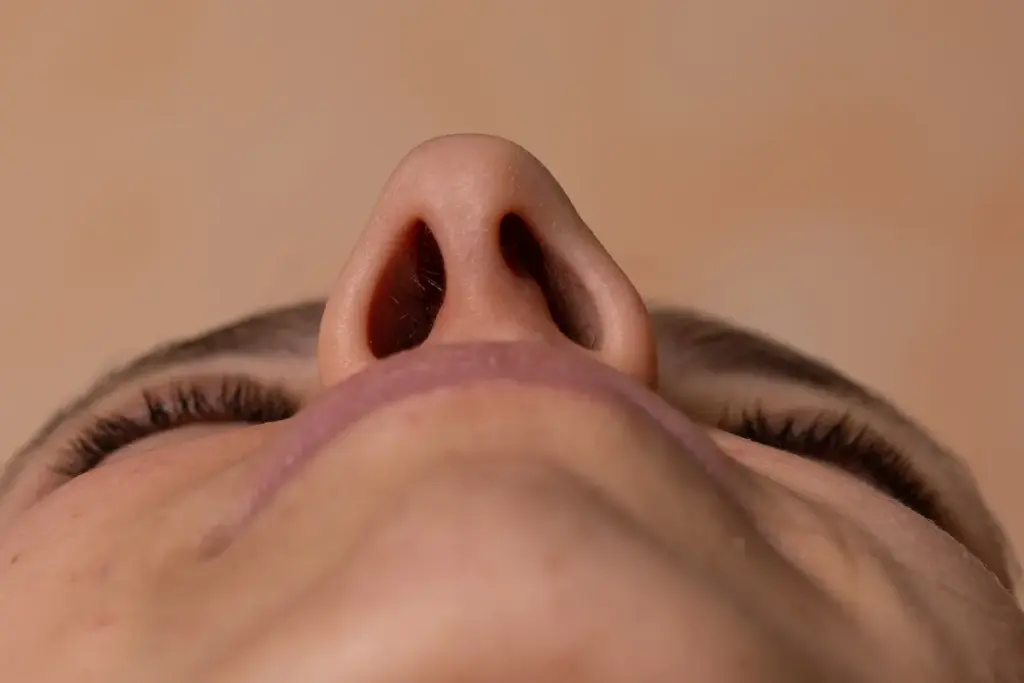
The nasal septum is a thin wall of bone and cartilage. It divides the nasal passages and is key for breathing. Knowing about its structure and how it can deviate is important for health.
Anatomy of the nasal septum
The nasal septum has a cartilage part in the front and bony parts in the back. It includes the ethmoid bone and the vomer. This structure is vital for airflow through the nose. A straight nasal septum allows air to flow well through both nostrils, making breathing easy.
Normal vs. deviated structure
A straight nasal septum divides the nasal passages evenly. But, a deviated septum is crooked, making one passage smaller. This can cause breathing problems and nasal blockage.
Impact on breathing and health
A deviated nasal septum can greatly affect your life. It can lead to breathing difficulties, nasal congestion, and sleep problems. In serious cases, it might cause sinus infections and breathing issues. Knowing how much it deviates and its health effects is key for treatment.
Understanding a deviated septum

It’s key to grasp the details of a deviated septum for better health. A deviated septum, or nasal DNS, happens when the thin wall between the nasal passages shifts. This makes one passage smaller than the other.
Definition and Classification
A deviated septum is defined by how much it deviates from the normal position. The severity can range from mild to severe. The level of severity affects symptoms and treatment needs.
The nasal septum is off-center when it’s deviated. This can make breathing hard and cause nasal congestion.
Common Causes of Deviation
Deviation can be genetic or caused by injury. Some are present at birth, while others happen after birth due to injury. Aging also plays a role.
- Genetic predisposition
- Nasal trauma or injury
- Aging
Congenital vs. Acquired Deviations
Congenital deviations are present at birth, often due to genetics or fetal issues. Acquired deviations happen later, usually from injury or aging.
Knowing if a septum deviation is congenital or acquired helps choose the right treatment. Some may need surgery, while others can be treated without it.
Symptoms and complications
A deviated septum can lead to breathing, sleep, and life quality issues. We’ll look at common problems it causes. This will help you know what to watch for and its health effects.
Breathing Difficulties
One main symptom is trouble breathing through the nose. This can cause:
- Mouth breathing, which can dry out the mouth and throat
- Reduced sense of smell due to nasal congestion
- Increased risk of respiratory infections
Breathing problems can be tough during exercise or with colds or allergies.
Sinus Infections and Congestion
A deviated septum can also cause chronic sinus infections and nasal congestion. The abnormal septum blocks mucus flow, leading to:
- Recurring sinus infections
- Persistent nasal discharge
- Facial pain and pressure
These issues can greatly affect daily life. It’s key to see a doctor if symptoms don’t go away.
Sleep Disturbances
Sleep problems are another issue with a deviated septum. It can cause:
- Loud snoring
- Obstructive sleep apnea
- Frequent awakenings during the night
These sleep issues can make you tired, less productive, and lead to other health problems.
In summary, a deviated septum can cause many symptoms. These affect breathing, health, and life quality. Knowing these symptoms is important for getting the right medical help.
Diagnosing septal deviation
To find out if you have a deviated septum, doctors use different methods. Knowing this is key to picking the right treatment.
Clinical Examination Techniques
First, doctors do a detailed check-up. They use anterior rhinoscopy to look inside your nose. This lets them see how your septum is shaped.
They also look at your symptoms and past health. This helps them understand how the deviated septum affects you.
Nasal Endoscopy
Nasal endoscopy is another important tool. It involves using a special camera to see inside your nose. This helps doctors see how bad the deviation is and if there are other issues.
Imaging Studies
At times, doctors might need to do CT scans. These scans show more details of your nasal passages and sinuses. They help spot any other problems like sinusitis or tumors.
By looking at all the results, doctors can make a precise diagnosis. Then, they can plan the best treatment for you.
“Accurate diagnosis is the cornerstone of effective treatment for septal deviation, enabling healthcare professionals to tailor their approach to the individual patient’s needs.”
Non-surgical management approaches
Non-surgical treatments are key for managing a deviated septum. They offer alternatives to surgery. These methods help ease symptoms and improve life quality for those with this condition.
Medications for symptom relief
Several medications can help with deviated septum symptoms. Decongestants and antihistamines are used to lessen nasal congestion and sinus pressure. Sometimes, corticosteroid nasal sprays are suggested to reduce nasal inflammation.
Nasal sprays and irrigation
Nasal irrigation is a simple yet effective way to clear nasal passages and sinuses. Using a saline solution, it helps reduce nasal congestion and aids in sinus drainage. Nasal sprays, including steroid ones, can also help by reducing inflammation.
Limitations of conservative treatment
Non-surgical treatments can offer a lot of relief, but they have limits. A study on the NIHR Evidence website shows that improves life quality more than non-surgical methods. So, for some, surgery might be needed to fully treat the condition.
In summary, non-surgical management is a great first step for many with a deviated septum. It offers symptom relief and might delay or avoid surgery.
Septoplasty: Surgical correction procedure
Septoplasty is a surgery for those with a deviated septum. It aims to fix the nasal septum’s position. This can help with breathing problems, nasal blockage, and other issues.
Surgical Techniques
Septoplasty uses different methods for each case. Traditional septoplasty involves cutting the septum to fix it. Endoscopic septoplasty uses an endoscope for a less invasive approach.
Our team chooses the best method based on the case and patient’s health.
Preparation and Expectations
Before septoplasty, patients need to prepare and know what to expect. Pre-operative preparation includes exams and tests to understand the deviation.
They should also avoid certain medicines to prevent bleeding. We guide them on how to care for themselves after surgery.
Recovery Timeline
The recovery timeline for septoplasty varies. Most see big improvements in a few weeks. At first, they might feel nasal congestion, swelling, and eye bruising.
- Immediate post-operative period: Patients are monitored for a few hours after surgery.
- First week: Nasal packing or splints are typically removed, and patients are advised on nasal care and irrigation.
- Several weeks: Gradual improvement in breathing and reduction in nasal congestion.
We stress the need for follow-up visits. This helps us track healing and address any issues.
Does a deviated septum grow back after surgery?
Many patients wonder if their deviated septum can come back after septoplasty. The answer depends on how tissues heal and what affects the return of a deviated septum.
Tissue Healing and Remodeling
Septoplasty doesn’t just fix the deviation; it also affects healing. As the body heals, tissues can change, sometimes causing a deviated septum to come back. But, it’s key to tell the difference between a real recurrence and a not fully fixed deviation.
Recurrence vs. Incomplete Correction
A deviated septum might seem to come back if the first fix wasn’t complete. It doesn’t mean the septum grew back. Instead, the original problem wasn’t fully solved during surgery. The skill of the surgeon, how complex the deviation is, and aftercare all play a role in success.
Statistical Evidence on Recurrence Rates
Research shows that septoplasty success rates vary from 4% to 19%. This means most patients don’t see a big problem come back, but some might need more help. Knowing these numbers helps us set clear expectations for those getting septoplasty.
Looking into what causes a deviated septum to come back and understanding the numbers helps us guide our patients. This information helps them make better choices about their health.
The caudal septum challenge
Surgeons often find it hard to fix problems with the caudal septum. This part of the nasal septum is key for keeping the nose stable and working right.
Why 44.6% of Recurrences Affect the Caudal Region
The caudal septum is more likely to have problems come back. This is because of its complex shape and the forces that push on it. Studies have shown that 44.6% of recurrences after septoplasty involve the caudal septum, showing the need for better surgery methods here.
“The caudal septum’s unique anatomy makes it a challenging area to correct, requiring specialized techniques and a deep understanding of nasal dynamics.”
Surgical Challenges in This Area
Fixing the caudal septum is hard because it’s close to other important parts of the nose. The risk of complications, such as nasal tip support disruption, must be carefully managed.
- Difficulty in accessing the caudal septum
- Risk of post-operative complications
- Need for precise surgical techniques
Specialized Techniques for Caudal Septum Correction
To tackle the caudal septum’s problems, surgeons use special methods. One approach is using cartilage grafts to stabilize and support the caudal septum, making it less likely to come back.
By getting the hang of the caudal septum’s complexities and using the latest surgery techniques, we can make septoplasty better for patients.
Factors influencing surgical outcomes
The success of septoplasty depends on several factors. These include the surgeon’s experience and the patient’s care after surgery. We will look at these key elements that greatly affect the surgery’s success.
Surgeon Expertise and Technique
The skill of the surgeon doing septoplasty is very important. Experienced surgeons are more likely to get good results. They have better techniques and can handle tough cases.
Studies show that surgeons trained in otolaryngology do better in septoplasty. The surgery technique also matters a lot. New methods, like endoscopic septoplasty, can lead to better results and fewer problems. We think the right technique depends on the patient’s needs.
Patient-Specific Anatomical Considerations
Every patient’s nose is different. Knowing these differences is key for a good septoplasty. Preoperative assessments with CT scans help surgeons plan well. They look at the deviation’s complexity, other nasal problems, and the health of the tissues.
Patients with complex deviations or other nasal issues need special plans. A detailed check before surgery is important. It helps identify these needs and plan the right approach.
Post-Operative Care Compliance
Following post-operative care is very important. Proper wound care and seeing the surgeon for follow-ups are key. Patients who follow these instructions well usually have better results and fewer problems.
We stress the need for clear communication between the patient and the surgical team. Giving clear instructions and support helps patients follow the care plan. This improves the surgery’s success.
Measuring septoplasty success
Septoplasty success is about more than just numbers. It’s about how well you can breathe and how happy you feel afterward. We look at several important signs to see if the surgery works well.
Objective Improvements in Nasal Airflow
One key sign of success is better nasal airflow. Doctors use special tests like rhinomanometry to measure this. These tests show how well air moves through your nose.
“The ability to breathe freely is fundamental to our quality of life,” saysan ENT specialist. “Septoplasty can make breathing easier, improving how well you can breathe.”
The 29.3 Liters/Minute Average Improvement
Research shows septoplasty can boost nasal airflow by 29.3 liters per minute on average. This number shows how much the surgery can help with breathing.
As a recent study found,
“Septoplasty made breathing easier, with a 29.3 L/min increase in airflow. This proves it’s effective against nasal blockage.”
Patient Satisfaction Rates
How happy patients are is also a big measure of success. Satisfaction rates range from 43% to 85%. This shows most patients are very pleased with the results.
- Improved breathing and less nasal congestion
- Better sleep
- Fewer sinus infections
These benefits add up to a better life for those who have septoplasty. Looking at both the numbers and how patients feel helps us understand how well the surgery works.
Complications and revision surgery
It’s important to know about the possible problems after septoplasty. This surgery is usually safe, but sometimes, you might need another surgery to fix issues.
Common Complications
About 18% of people have some problems after septoplasty, but most are minor. These can be stuffy nose, infection, or holes in the septum. Knowing about these issues helps you get help quickly.
|
Complication Type |
Frequency |
Typical Management |
|---|---|---|
|
Nasal Congestion |
8% |
Conservative management with nasal sprays |
|
Infection |
5% |
Antibiotics, possible drainage |
|
Septal Perforation |
3% |
Surgical repair |
Indications for Revision Septoplasty
When the first surgery doesn’t fix the problem or if you have complications, you might need another surgery. Doctors will decide if you need a second surgery based on your symptoms and the problem.
Success Rates of Secondary Procedures
How well a second surgery works depends on many things. This includes how complex the first surgery was and the surgeon’s skill. Even though success rates might be a bit lower, many people see big improvements.
Thinking about another surgery can be scary, but many people get better with the right care. It’s key to follow your doctor’s advice and go to all your follow-up visits. This helps your body heal and lets your doctor catch any problems early.
International standards in septoplasty
International standards in septoplasty are very important. They affect the quality of care for patients. Places like livhospital.com aim to meet these standards.
Evidence-based surgical protocols
Evidence-based protocols are key in septoplasty. They are made from the latest research and trials. This ensures patients get the safest and most effective treatment.
A study in shows how important these protocols are.
Some important parts of these protocols include:
- Pre-operative assessment and planning
- Surgical techniques backed by clinical evidence
- Post-operative care guidelines
Quality assurance measures
Quality assurance is essential in septoplasty. It includes:
- Regular audits of surgical outcomes
- Continuous training and education for surgeons
- Patient feedback and satisfaction surveys
These steps help ensure services meet international standards. This benefits patients greatly.
Ethical considerations in nasal surgery
Ethics are a big part of septoplasty. Surgeons must always put patient well-being first.
“The ethical practice of septoplasty requires a deep understanding of the complexities involved and a commitment to upholding the highest standards of care.”
By following international standards, surgeons can give the best care to patients. This includes using evidence-based protocols, quality assurance, and ethical practices.
Conclusion
A deviated septum can really affect someone’s life. It can make breathing hard, lead to sinus infections, and disrupt sleep. Knowing what causes a deviated septum is key to finding the right treatment.
Septoplasty is a surgery that can fix a deviated septum. It helps air flow better through the nose and lessens symptoms. The success of this surgery depends on the surgeon’s skill, the patient’s body, and how well they follow aftercare instructions.
Understanding a deviated septum and how surgery works can help patients choose the best treatment. With the right care and surgery, septoplasty can greatly improve symptoms. This can lead to better health and happiness.
FAQ
What is a deviated septum?
A deviated septum is when the thin wall between the nasal passages is off-center. This wall, called the nasal septum, is made of cartilage and bone. It separates the two sides of the nose, making one passage smaller than the other.
What are the symptoms of a deviated septum?
Symptoms include trouble breathing, stuffy nose, and sinus infections. You might also lose your sense of smell or get nosebleeds. Some people have trouble sleeping, like snoring or sleep apnea.
Can a deviated septum be corrected with medication?
Medicines like nasal decongestants and corticosteroids can help symptoms. But they don’t fix the problem. Surgery, like septoplasty, is usually needed to correct it.
What is septoplasty?
Septoplasty is a surgery to fix a deviated septum. It makes the nasal passages more open. The surgeon moves or removes parts of the septum to improve breathing.
Will a deviated septum grow back after septoplasty?
While septoplasty is typically effective, there is a possibility of recurrence. How well it works depends on healing, the surgery’s success, and the surgeon’s skill. Studies show different rates of recurrence.
What is the caudal septum, and why is it challenging?
The caudal septum is the front part of the nasal septum. It’s hard to fix because of its complex shape. Surgeons use special methods to correct it.
How is the success of septoplasty measured?
Success is shown by better breathing and patient happiness. Studies show many people breathe better and are happier after the surgery.
What are the possible complications of septoplasty?
Minor issues like nasal crusting, bleeding, or infection can happen. But serious problems are rare. Sometimes, you might need another surgery.
How can I ensure the best outcome from septoplasty?
Choose a skilled surgeon and follow their advice after surgery. Going to all your follow-up appointments is also key.
Is septoplasty performed under international standards?
Yes, good healthcare providers follow international standards. They use proven methods and care about quality and ethics to give the best care.
REFERENCES
National Center for Biotechnology Information. Evidence-Based Medical Insight. Retrieved from https://www.ncbi.nlm.nih.gov/pmc/articles/PMC6222185/