Diabetes mellitus and diabetes insipidus are two different health issues. They share a similar name but are not related. Knowing the difference is key for correct diagnosis and care. Diabetes mellitus deals with blood sugar levels. Diabetes insipidus, on the other hand, is about the hormone vasopressin and fluid balance.
Both conditions can cause symptoms like too much thirst and needing to pee a lot. But their causes and treatments are different. It’s important for doctors to tell them apart to give the right treatment.
Key Takeaways
- Diabetes mellitus affects blood glucose levels, while diabetes insipidus impacts the body’s ability to regulate fluids.
- The two conditions have different underlying causes and require distinct diagnostic approaches.
- Understanding the differences between diabetes mellitus and diabetes insipidus is critical for effective patient management.
- Symptoms such as excessive thirst and frequent urination can be present in both conditions.
- Accurate diagnosis is essential to provide appropriate treatment for each condition.
The Two Distinct Diabetes Conditions
Diabetes mellitus and diabetes insipidus are two different conditions, despite their similar names. The term “diabetes” comes from the Greek word for “passing through” or “siphon.” This refers to the excessive urination seen in both. Yet, their causes and effects on the body are quite different.
Beyond the Shared Name
Many people get confused between diabetes mellitus and diabetes insipidus because of their similar names. Diabetes mellitus includes types 1 and 2 diabetes, which deal with insulin production or resistance. In contrast, diabetes insipidus is a rare condition where the body can’t manage fluids properly because of vasopressin issues.
Prevalence and General Distinctions
Diabetes mellitus is quite common, affecting about 1 in 10 people in the U.S. On the other hand, diabetes insipidus is much rarer, affecting about 1 in 25,000 worldwide. The main difference between them is their causes and how they affect the body. Diabetes mellitus deals with blood sugar and insulin, while diabetes insipidus is about managing water through vasopressin.
We will explore each condition in more detail later. But it’s key to know that while both lead to a lot of urination, their causes and treatments are different.
Historical Context of Both Conditions
For centuries, diabetes mellitus and diabetes insipidus have been known for their unique traits. They share a common name but have different characteristics. The term “diabetes” was first used by Aretaeus in the 2nd century AD. Later, “mellitus” was added to describe the sweet urine of the more common form.
Origin of the Term “Diabetes”
Aretaeus, a Greek physician, coined the term “diabetes” in the 2nd century AD. It comes from the Greek word for “a siphon” or “to pass through.” This refers to the excessive thirst and urination seen in the condition. The difference between diabetes mellitus and diabetes insipidus was understood much later.
Historical Recognition and Understanding
In ancient times, diabetes was identified by its symptoms. Diabetes mellitus was known for sweet urine, unlike diabetes insipidus. It wasn’t until the discovery of insulin and vasopressin that we understood their distinct causes.
Evolution of Medical Knowledge
Medical science has made great strides in understanding diabetes. The discovery of insulin in the 20th century changed how we treat diabetes mellitus. The role of vasopressin in diabetes insipidus was also clarified.
“The differentiation between diabetes insipidus and diabetes mellitus has been key in tailoring treatments to each patient’s needs.”
Today, we know that while both conditions cause excessive urination, their causes and treatments are different.
Diabetes Mellitus Explained: The Common Form

Diabetes mellitus is a condition where blood glucose levels are too high. It happens when the body doesn’t make enough insulin or can’t use it well. This disorder affects millions and has different types, mainly type 1 and type 2 diabetes.
Definition and Pathophysiology
Diabetes mellitus means the body can’t control blood glucose levels right. This can be because the pancreas doesn’t make enough insulin (type 1 diabetes) or because the body’s cells don’t use insulin well (type 2 diabetes). Insulin is key for cells to take in glucose. Without enough insulin or with insulin resistance, glucose builds up in the blood, causing high blood sugar.
Pathophysiology: Diabetes mellitus is caused by a mix of genetics, environment, and immune system issues. Type 1 diabetes is when the immune system attacks the insulin-making cells in the pancreas. Type 2 diabetes is when the body’s cells don’t respond to insulin well and don’t make enough insulin.
Types of Diabetes Mellitus
There are several types of diabetes mellitus, but type 1 and type 2 are the most common.
- Type 1 Diabetes: An autoimmune condition where the body’s immune system attacks the insulin-producing beta cells in the pancreas.
- Type 2 Diabetes: Characterized by insulin resistance and impaired insulin secretion. It is often associated with lifestyle factors such as diet, physical activity, and obesity.
Type | Primary Cause | Common Characteristics |
Type 1 | Autoimmune destruction of beta cells | Typically diagnosed in children and young adults, requires insulin therapy |
Type 2 | Insulin resistance and impaired insulin secretion | Often associated with obesity, sedentary lifestyle, and genetic predisposition |
Risk Factors and Statistics
Knowing the risk factors for diabetes mellitus is key to preventing and treating it early. Main risk factors include genetics, obesity, lack of exercise, and unhealthy diet.
The International Diabetes Federation says diabetes affects about 9.3% of adults worldwide. This number is expected to rise to 10.9% by 2045. Most cases are type 2 diabetes, caused by obesity and a sedentary lifestyle.
“The growing burden of diabetes mellitus necessitates a strong public health response to prevent and manage it.” –
International Diabetes Federation
Understanding diabetes mellitus, its types, and risk factors helps us manage and prevent it. Early diagnosis and proper treatment are essential for improving life quality for those with diabetes.
Understanding Diabetes Insipidus: The Rare Condition
Diabetes insipidus is a condition where the kidneys can’t make concentrated urine. This leads to a lot of thirst and urination. It’s different from diabetes mellitus and involves hormones.
Definition and Core Mechanisms
Diabetes insipidus is a rare disorder. It happens when the body lacks vasopressin (ADH) or when kidneys can’t use it. Vasopressin helps control water in the body by making kidneys reabsorb more water.
Without enough vasopressin, kidneys can’t make concentrated urine. This results in a lot of diluted urine. The main symptoms are too much urine and too much thirst.
The Critical Role of Vasopressin
Vasopressin is key to keeping fluids balanced in the body. It’s made in the hypothalamus and released by the posterior pituitary gland. It helps kidneys reabsorb water, making urine less.
In diabetes insipidus, vasopressin doesn’t work right. This means kidneys can’t make concentrated urine. Knowing about vasopressin is vital for treating this condition.
Rarity and Demographics
Diabetes insipidus is rare. It can happen at any age and affects both men and women. About 1 in 25,000 people have it.
It can be caused by genetics, head injuries, infections, or some medicines. These can affect vasopressin production or how kidneys respond to it.
Knowing who gets diabetes insipidus helps doctors treat it better. It also shows why we need to spread awareness about this rare but important condition.
Key Physiological Differences
The main differences between diabetes mellitus and diabetes insipidus are in how they affect blood sugar and urine. Both deal with fluid balance and urination, but their causes and effects are different. Knowing these differences is key for correct diagnosis and treatment.
Blood Glucose Regulation
In diabetes mellitus, blood glucose levels are too high. This is because the body can’t make enough insulin or use it well. This high blood sugar can cause serious problems if not controlled. But, diabetes insipidus doesn’t change blood glucose levels. Instead, it causes the body to make a lot of very diluted urine, even with normal blood sugar.
Urine Production and Concentration
The kidneys are important in both conditions, but in different ways. In diabetes insipidus, the kidneys can’t make urine concentrated because of a hormone problem. This leads to a lot of diluted urine. Diabetes mellitus, on the other hand, causes glucose to spill into the urine when blood sugar is too high. This can also lead to a lot of urine, but it’s not as diluted.
Condition | Blood Glucose Levels | Urine Characteristics |
Diabetes Mellitus | Elevated | May contain glucose, variable concentration |
Diabetes Insipidus | Normal | Dilute, large volume |
Knowing the differences between these types is key for proper treatment and management.
The Hormonal Differences: Insulin vs. Vasopressin
Diabetes mellitus and diabetes insipidus come from problems with hormones. Insulin and vasopressin are key. We’ll see how they work and why their issues cause different diabetes types.
Role of Insulin in the Body
Insulin is made by the pancreas. It helps cells take in glucose. This lowers blood sugar. But, diabetes mellitus can make insulin levels too low or cells not respond well to it.
Function of Vasopressin (ADH)
Vasopressin, or ADH, comes from the hypothalamus and is released by the pituitary gland. It helps control water in the body by making the kidneys hold onto more water. Without enough vasopressin, you can’t make concentrated urine, causing too much thirst and urination.
How These Hormones Interact With Other Systems
Insulin and vasopressin work with many body systems. Insulin is key for how we use glucose and make energy. Vasopressin helps keep the right balance of water. Knowing how they work together is important for treating diabetes.
Here are the main differences:
- Insulin is vital for glucose use.
- Vasopressin controls water balance.
- Insulin problems cause diabetes mellitus.
- Vasopressin issues lead to diabetes insipidus.
Physiological Mechanisms Compared
Diabetes mellitus and diabetes insipidus are two different conditions. They affect the body in unique ways. Knowing these differences is key to finding the right treatment.
How Diabetes Mellitus Affects Blood Glucose
Diabetes mellitus makes it hard for the body to control blood sugar. This is often because of insulin problems. High blood sugar can lead to serious health issues if not managed.
How Diabetes Insipidus Affects Water Balance
Diabetes insipidus is about not being able to keep fluids in the body. This is because of a hormone called ADH, or vasopressin, not working right. It causes a lot of thirst and needing to pee a lot.
Organ Systems Involved in Each Condition
Diabetes mellitus affects the pancreas, liver, and more. These organs struggle with insulin issues. Diabetes insipidus mainly hits the kidneys and the part of the brain that controls ADH.
Condition | Primary Physiological Impact | Key Organ Systems Involved |
Diabetes Mellitus | Affects blood glucose levels | Pancreas, Liver |
Diabetes Insipidus | Affects water balance | Kidneys, Hypothalamic-Pituitary Axis |
Comparing Symptoms and Warning Signs
Diabetes mellitus and diabetes insipidus both cause a lot of thirst and urination. But they have different causes and symptoms. Knowing these differences is key for the right diagnosis and treatment.
Characteristic Symptoms of Diabetes Mellitus
Diabetes mellitus shows several symptoms, including:
- Extreme hunger
- Unintentional weight loss
- Blurred vision
- Cuts or bruises that heal slowly
- Tingling or numbness in the hands or feet
These signs come from high blood sugar and not being able to use insulin well.
Hallmark Signs of Diabetes Insipidus
Diabetes insipidus is known for:
- Passing large amounts of light or pale-colored urine
- Excessive thirst
- Frequent urination
Its symptoms are about not being able to manage fluids because of vasopressin problems.
When Medical Attention Is Necessary
See a doctor if you have:
- Severe dehydration symptoms
- Electrolyte imbalance
- Unexplained weight loss
- Vision changes
Getting a diagnosis and treatment early can greatly improve life for those with these conditions.
Recognizing the warning signs and knowing the differences between diabetes mellitus and diabetes insipidus is vital. It leads to timely medical help and better health.
Diagnostic Methods and Differentiation
It’s important to tell diabetes mellitus apart from diabetes insipidus. Doctors use a mix of clinical checks, lab tests, and special tests to do this.
Blood Tests and Glucose Monitoring
Blood tests are key for spotting diabetes mellitus by checking blood sugar. Tests like fasting plasma glucose (FPG) and oral glucose tolerance tests (OGTT) are used. For diabetes insipidus, blood tests look at sodium levels and blood concentration, showing if there’s dehydration or an electrolyte imbalance.
Key blood tests include:
- Fasting plasma glucose (FPG)
- Oral glucose tolerance test (OGTT)
- Hemoglobin A1c (HbA1c) for long-term glucose control
- Sodium levels to assess hydration status
Urinalysis: The Critical Differentiator
Urinalysis is a key tool for telling diabetes mellitus and diabetes insipidus apart. In diabetes mellitus, urine may have glucose. But in diabetes insipidus, urine is very diluted with low specific gravity.
Urine concentration tests are used to spot diabetes insipidus. They measure urine osmolality after water deprivation. This test shows if the body can concentrate urine well.
Test | Diabetes Mellitus | Diabetes Insipidus |
Urine Glucose | Present | Absent |
Urine Specific Gravity | Variable | Low |
Urine Osmolality | Variable | Low |
Specialized Diagnostic Procedures
Diabetes insipidus is diagnosed with a water-deprivation test. This test shows if the body can concentrate urine when it’s dehydrated. It’s used with urine osmolality tests to confirm diabetes insipidus.
“The water-deprivation test is a key tool for diabetes insipidus, checking if the body can concentrate urine.”
— Clinical Endocrinology
In summary, diagnosing diabetes mellitus and diabetes insipidus needs a detailed approach. This includes blood tests, urinalysis, and sometimes, special tests like the water-deprivation test. Knowing these methods is key to correctly identifying these two different conditions.
Types of Diabetes Insipidus and Their Causes
Diabetes Insipidus comes in several forms, each with its own causes and traits. Knowing these differences is key to managing and treating it properly.
Central (Neurogenic) Diabetes Insipidus
Central Diabetes Insipidus happens when the hypothalamus or pituitary gland doesn’t work right. It’s caused by not making enough vasopressin, or antidiuretic hormone (ADH). ADH helps control water balance in our bodies.
The causes can include:
- Head trauma
- Tumors in the brain
- Surgical complications
- Infections affecting the brain
Nephrogenic Diabetes Insipidus
Nephrogenic Diabetes Insipidus is linked to kidney problems. The kidneys don’t react to vasopressin as they should. This can be because of:
- Genetic mutations affecting the vasopressin receptor
- Certain medications, such as lithium
- Kidney disease or damage
- Electrolyte imbalances
Gestational Diabetes Insipidus
Gestational Diabetes Insipidus happens during pregnancy. It’s usually because the placenta makes an enzyme that breaks down vasopressin. This condition is rare and usually goes away after pregnancy.
Primary Polydipsia (Dipsogenic Diabetes Insipidus)
Primary Polydipsia is when you drink too much water and your blood sodium level gets too low. It’s often linked to psychological issues or damage to the part of the brain that controls thirst.
Knowing the exact type of Diabetes Insipidus is vital for the right treatment. Each type needs a specific plan to manage symptoms and fix the root cause.
Treatment Strategies for Diabetes Mellitus
Managing diabetes mellitus requires a detailed plan. This includes medication, lifestyle changes, and keeping an eye on blood sugar levels. We’ll dive into each part to help you understand how to manage diabetes mellitus well.
Medication Approaches
Medicine is key in managing diabetes mellitus. People with type 1 diabetes need insulin because their body can’t make it. Those with type 2 diabetes might take metformin, sulfonylureas, or insulin, based on how they respond to treatment.
Common Medications for Diabetes Mellitus:
Medication Type | Primary Use | Examples |
Metformin | First-line treatment for type 2 diabetes | Glucophage |
Sulfonylureas | Stimulate insulin release | Glyburide, Glipizide |
Insulin | Type 1 diabetes and advanced type 2 diabetes | Humalog, Lantus |
Lifestyle and Dietary Management
Changing your lifestyle and diet is vital for managing diabetes mellitus. Eating a diet low in sugar and saturated fats and high in fiber helps control blood sugar. Regular exercise, like walking, also boosts insulin sensitivity.
Dietary Recommendations:
- Eat a balanced diet rich in vegetables, fruits, and whole grains.
- Limit sugary drinks and foods with added sugars.
- Choose lean proteins and healthy fats.
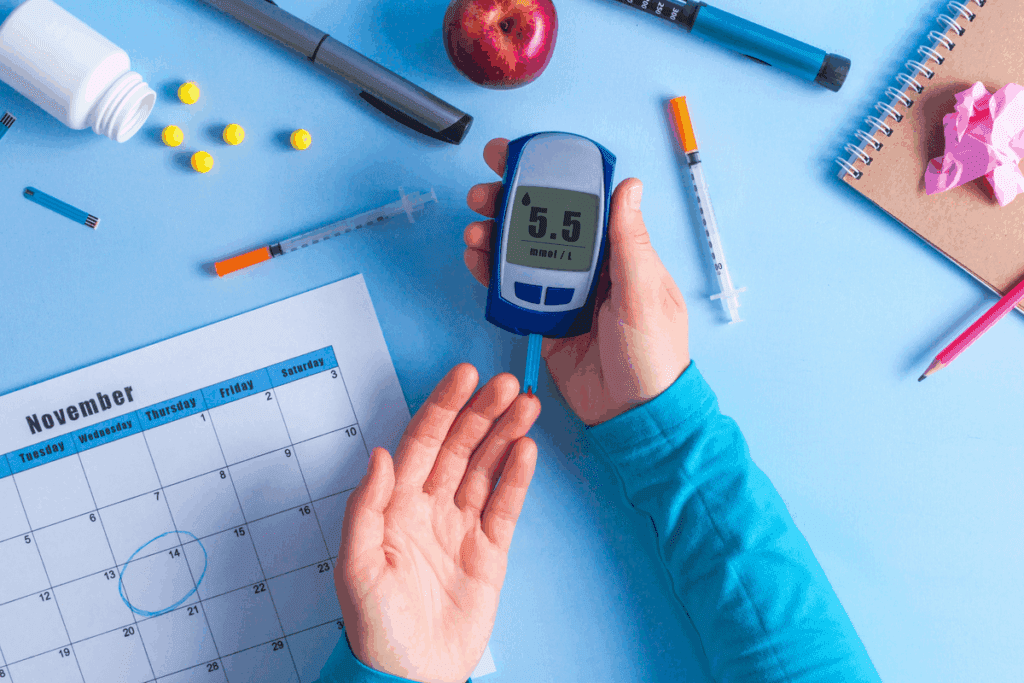
Blood Glucose Monitoring
Checking blood glucose levels regularly is essential for managing diabetes mellitus. It shows how diet, exercise, and medication affect blood sugar. This helps in better managing the condition.
Combining medication, lifestyle changes, and monitoring blood sugar levels helps people with diabetes mellitus live active, healthy lives. It’s important to work with healthcare providers to create a treatment plan that fits your needs.
Managing and Treating Diabetes Insipidus
Managing diabetes insipidus needs a full plan. This includes medicine, keeping fluids balanced, and treating any underlying issues. We’ll dive into these steps to help you understand how to manage this condition well.
Medication Options
Desmopressin is a key treatment for diabetes insipidus. It’s a man-made version of vasopressin. Desmopressin helps cut down urine and eases symptoms like too much thirst and peeing. It comes in nasal sprays, tablets, and injections, making it easy to fit into your life.
For those with central diabetes insipidus, desmopressin works great. It fills in the missing hormone. But, for nephrogenic diabetes insipidus, other treatments like thiazide diuretics or NSAIDs might be needed. These help reduce urine.
Medication | Use in Diabetes Insipidus | Administration Route |
Desmopressin | Central Diabetes Insipidus | Nasal Spray, Oral, Injection |
Thiazide Diuretics | Nephrogenic Diabetes Insipidus | Oral |
NSAIDs | Nephrogenic Diabetes Insipidus | Oral |
Fluid Balance Strategies
Keeping fluids balanced is key for diabetes insipidus patients. Drinking enough water is vital to avoid dehydration. It’s good to drink water all day and watch your urine output to keep balance.
Knowing the signs of dehydration is also important. Look out for dark urine, feeling dizzy, and dry mouth. If you see these, get medical help right away.
Addressing Underlying Conditions
Sometimes, diabetes insipidus is caused by another issue that needs fixing. For example, tumors or head injuries can lead to central diabetes insipidus. Fixing the cause can help get rid of symptoms.
Getting a proper diagnosis is critical. It helps find any underlying problems that might be causing diabetes insipidus. This way, doctors can make a treatment plan that really works for you.
Living With Diabetes: Mellitus vs. Insipidus
Diabetes mellitus and diabetes insipidus are two different conditions. They affect people’s lives in unique ways. Each condition needs a special approach to manage it well.
Daily Management Challenges
Managing diabetes mellitus means watching blood sugar levels closely. You might need to take insulin or pills. Eating right and staying active are also key.
Diabetes insipidus is about keeping the right amount of fluids in your body. This might mean drinking a lot of water and sometimes taking medicine.
Key daily management challenges include:
- Monitoring and managing blood glucose or urine concentration
- Maintaining a balanced diet and hydration
- Administering medications as prescribed
- Adjusting lifestyle habits to accommodate the condition
Quality of Life Considerations
Diabetes mellitus can lead to serious health problems. These can hurt your quality of life. Problems like heart disease, kidney damage, and nerve damage are possible.
Diabetes insipidus can make it hard to do everyday things. You might need to go to the bathroom a lot and drink a lot of water. This can mess up your sleep and daily activities.
Both conditions require big changes in your life. But with the right care and support, you can live a happy and active life.
Support Resources and Education
Getting help and learning about your condition is key. Healthcare providers, educational programs, and support groups can make a big difference. They help you manage your diabetes better.
Learning about your condition and how to handle it is important. Support groups offer emotional support and advice from others who face similar challenges.
Important support resources include:
- Healthcare providers specializing in diabetes care
- Diabetes education programs
- Support groups for patients and families
- Online resources and forums
Using these resources and staying proactive can improve your life with diabetes. It helps you manage your condition well.
Conclusion
We’ve looked into diabetes mellitus and diabetes insipidus, two different conditions. They share a similar name but have different causes and treatments. Diabetes mellitus, including type 1 and type 2, is when the body can’t control blood sugar levels.
On the other hand, diabetes insipidus is about the body’s trouble with fluid balance. This is due to problems with the hormone vasopressin.
Knowing the difference between these conditions is key for the right treatment. Accurate diagnosis helps manage them well and avoid serious problems. Healthcare teams can tailor treatments to help patients better.
Managing both conditions well needs a full plan. This includes medicines, lifestyle changes, and regular checks. With teamwork, patients and doctors can make a plan that improves life quality.
FAQ
What is the main difference between diabetes mellitus and diabetes insipidus?
Diabetes mellitus affects blood sugar levels. Diabetes insipidus is rare and deals with the hormone vasopressin and fluid balance.
What are the types of diabetes mellitus?
There are two main types: type 1 and type 2.
What is diabetes insipidus, and how is it related to vasopressin?
It’s a rare condition where the kidneys can’t handle fluids. This is because of a problem with vasopressin, a hormone needed for water reabsorption.
How do the symptoms of diabetes mellitus and diabetes insipidus differ?
Both can cause thirst and urination. But diabetes mellitus has high blood sugar. Diabetes insipidus makes lots of diluted urine.
What is the role of urinalysis in diagnosing diabetes insipidus?
Urinalysis helps tell diabetes mellitus and insipidus apart. It shows glucose in urine for mellitus or diluted urine for insipidus.
What are the different types of diabetes insipidus?
There are central, nephrogenic, gestational, and primary polydipsia types.
How is diabetes mellitus treated?
Treatment includes medication, lifestyle changes, and diet. It aims to keep blood sugar healthy.
What are the treatment options for diabetes insipidus?
Treatment may include desmopressin to manage fluids. It also involves managing underlying conditions.
How do diabetes mellitus and diabetes insipidus affect quality of life?
Both can greatly impact daily life. They require ongoing management to prevent complications and maintain health.
What is the difference between central and nephrogenic diabetes insipidus?
Central diabetes insipidus lacks vasopressin production. Nephrogenic diabetes insipidus has a kidney problem with vasopressin.
Can diabetes insipidus be cured?
Sometimes, it can be managed well with treatment. But it’s often a chronic condition needing ongoing care.
How can patients with diabetes mellitus or diabetes insipidus access support resources and education?
Patients can find support through healthcare providers, patient groups, and online resources. These offer valuable information and guidance.
References
World Health Organization. Diabetes Mellitus Versus Insipidus: Distinct Conditions. Retrieved from https://www.who.int/news-room/fact-sheets/detail/diabetes