Diabetes Insipidus is a rare but manageable endocrine condition. It’s now called arginine vasopressin disorder (AVP-D or AVP-R). This condition makes it hard for the body to balance fluids, causing severe symptoms.diabetes insipidus manifestationsPineal Tumor Symptoms: 10 Key Signs of a Tumor on the Pineal Gland
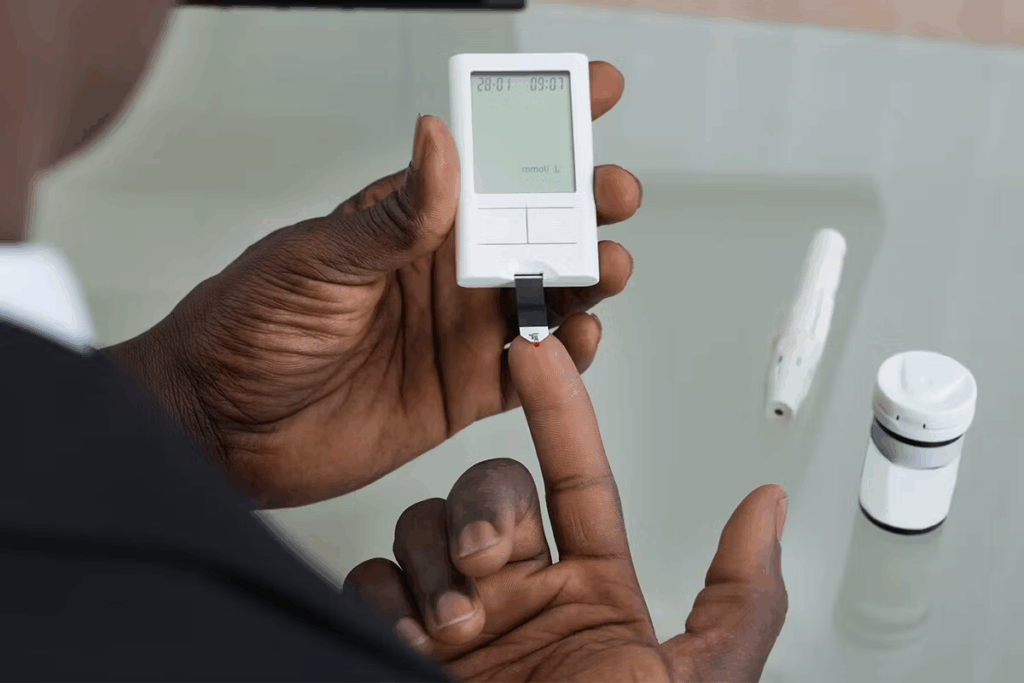
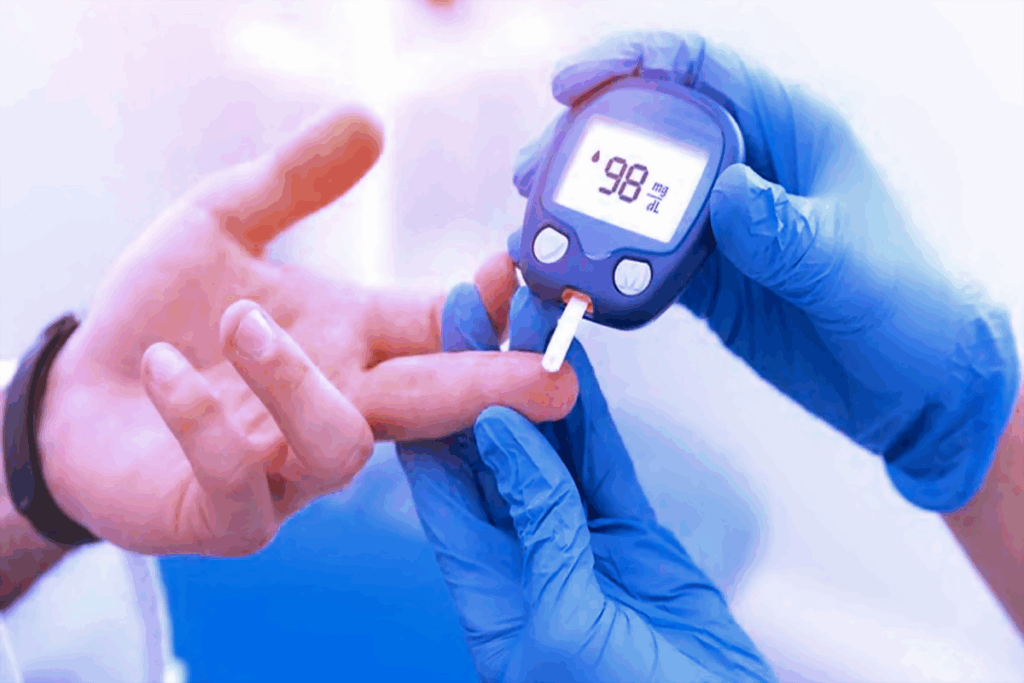
This condition is different from Diabetes Mellitus. It’s not about blood sugar levels. Instead, it’s about not having enough vasopressin hormone or the kidneys not responding to it. This leads to extreme thirst and a lot of urination.
Knowing what causes Diabetes Insipidus and spotting its signs early is key. It helps manage the condition well and prevents serious dehydration.
Key Takeaways
- Diabetes Insipidus is a rare endocrine condition affecting fluid balance regulation.
- It’s caused by insufficient vasopressin hormone or kidney resistance.
- The condition leads to extreme thirst and excessive urination.
- Early recognition is key for effective management.
- It’s distinct from Diabetes Mellitus, unrelated to blood sugar levels.
Understanding Diabetes Insipidus as an Arginine Vasopressin Disorder
To grasp diabetes insipidus, we must explore its link to arginine vasopressin disorder. This condition impacts the body’s ability to manage water. It stems from a problem with vasopressin, also known as antidiuretic hormone (ADH).
Reclassification from Diabetes Insipidus to AVP-D/AVP-R
The way we talk about diabetes insipidus has changed. It’s now called arginine vasopressin disorder (AVP-D) or arginine vasopressin resistance (AVP-R). This shift shows we understand more about its causes, mainly linked to vasopressin. The reclassification highlights vasopressin’s key role in the disorder.
The Critical Role of Vasopressin in Body Fluid Regulation
Vasopressin is vital for keeping the body’s fluid balance right. It’s made in the hypothalamus and stored in the posterior pituitary gland. Vasopressin helps the kidneys reabsorb water. Without enough vasopressin or if the kidneys can’t use it, you get diabetes insipidus.
How Diabetes Insipidus Differs from Diabetes Mellitus
Diabetes insipidus and diabetes mellitus may sound similar, but they’re not the same. Diabetes mellitus deals with insulin and glucose. Diabetes insipidus, on the other hand, is about vasopressin and water balance. Knowing the difference is key for the right diagnosis and treatment.
The Physiology of Fluid Balance and Vasopressin Function

Fluid balance is a complex process. It involves the hypothalamic-pituitary axis and the kidneys working together. Keeping fluid balance right is key for many body functions, like keeping temperature stable, moving nutrients, and removing waste.
Hypothalamic-Pituitary Axis and Water Homeostasis
The hypothalamus makes vasopressin, also known as antidiuretic hormone (ADH). It stores and releases this hormone from the posterior pituitary gland. Vasopressin is vital for managing water in the body.
The hypothalamic-pituitary axis is very sensitive to blood osmolality changes. When osmolality goes up, it releases vasopressin.
The key aspects of the hypothalamic-pituitary axis in water homeostasis include:
- Sensing changes in blood osmolality
- Producing and releasing vasopressin
- Regulating water reabsorption in the kidneys
Normal Vasopressin Production and Release Mechanisms
Vasopressin is made in the hypothalamus and sent to the posterior pituitary gland. It’s released when osmolality goes up, blood volume goes down, or when we’re stressed. How vasopressin is made and released is key for keeping fluid balance right.
The process involves:
- Synthesis of vasopressin in the hypothalamus
- Transport of vasopressin to the posterior pituitary
- Release of vasopressin into the bloodstream in response to physiological signals
Renal Response to Vasopressin and Water Reabsorption
The kidneys are vital for fluid balance by controlling water reabsorption. Vasopressin binds to V2 receptors in the kidneys, making them more permeable to water. This increases water reabsorption.
The renal response to vasopressin involves:
- Binding of vasopressin to V2 receptors
- Increased expression of aquaporin-2 water channels
- Enhanced water reabsorption
Understanding fluid balance and vasopressin’s role is key to understanding diabetes insipidus and its symptoms.
Classification of Diabetes Insipidus Types and Their Mechanisms
There are four main types of Diabetes Insipidus, each with its own causes and effects. Knowing about these types is key to managing and treating the condition effectively.
Central Diabetes Insipidus (CDI) happens when the body doesn’t make enough vasopressin, also known as antidiuretic hormone (ADH). This is due to problems in the hypothalamus or posterior pituitary. Without enough vasopressin, the body can’t control water levels, leading to too much urine.
Central (Neurogenic) Diabetes Insipidus Pathophysiology
CDI is caused by not enough vasopressin. This can happen for many reasons, like head injuries, brain surgery, tumors, or infections in the hypothalamus or posterior pituitary.
Vasopressin is vital for water balance in the body. Without it, the kidneys can’t reabsorb water, causing the body to make lots of diluted urine.
Nephrogenic Diabetes Insipidus Mechanisms
Nephrogenic Diabetes Insipidus (NDI) is when the kidneys don’t respond to vasopressin, even when there’s enough. It can be caused by genetic issues, certain drugs, or long-term kidney disease.
NDI happens because the kidneys are resistant to vasopressin. This resistance can come from genetics, certain conditions, or drugs affecting the vasopressin receptors or the signals they send.
Gestational Diabetes Insipidus During Pregnancy
Gestational Diabetes Insipidus (GDI) is rare and happens in pregnancy, usually in the third trimester. It’s linked to the breakdown of vasopressin by the placenta’s enzyme, vasopressinase.
GDI can cause severe dehydration and imbalances in electrolytes if not treated quickly. Treatment focuses on fixing the cause and making sure the body gets enough fluids.
“The diagnosis of Gestational Diabetes Insipidus requires a high index of suspicion and prompt evaluation to prevent complications.” –
Expert Opinion
Primary Polydipsia (Dipsogenic Diabetes Insipidus)
Primary Polydipsia, or Dipsogenic Diabetes Insipidus, is when someone drinks too much water, leading to too much urine. It’s often linked to mental health issues or certain behaviors.
The cause of Primary Polydipsia is an abnormal increase in thirst. This can be due to mental health problems, certain drugs, or issues with the hypothalamus that affect the thirst center.
It’s important to tell Primary Polydipsia apart from other Diabetes Insipidus types. This is because the treatment for each is different.
Primary Causes of Central Diabetes Insipidus
Understanding Central Diabetes Insipidus (CDI) is key to managing it well. CDI happens when the body can’t handle fluids right. This is because it lacks vasopressin, a hormone made by the hypothalamus and released by the posterior pituitary gland.
Traumatic Brain Injury and Post-Neurosurgical Complications
Traumatic brain injury (TBI) is a big reason for CDI. It can hurt the hypothalamus or the pituitary stalk, stopping vasopressin production. Also, surgeries on the brain, like those near the pituitary gland, can cause CDI. This is because they might damage the neurons that make vasopressin or the pituitary stalk.
Brain Tumors Affecting the Hypothalamus or Pituitary
Brain tumors, whether they’re benign or cancerous, can lead to CDI. They do this by pressing on or getting into the hypothalamus or pituitary gland. Tumors like craniopharyngiomas, germinomas, and pituitary adenomas are often linked to CDI.
Inflammatory and Infectious Conditions
Conditions like meningitis, encephalitis, and neurosarcoidosis can harm the hypothalamus and pituitary gland. This damage can cause CDI. These conditions lead to inflammation and harm the cells that make vasopressin.
Vascular Disorders Affecting Pituitary Function
Vascular problems, like aneurysms and Sheehan’s syndrome, can cut off blood to the pituitary gland. This results in CDI. It shows how vital blood flow is for the pituitary gland’s health.
Cause | Description | Impact on Vasopressin Production |
Traumatic Brain Injury | Damage to the hypothalamus or pituitary stalk | Disrupts vasopressin production and release |
Brain Tumors | Compression or infiltration of the hypothalamus or pituitary | Impairs vasopressin production |
Inflammatory/Infectious Conditions | Inflammation and destruction of vasopressin-producing cells | Reduces vasopressin production |
Vascular Disorders | Compromises blood supply to the pituitary gland | Affects vasopressin release |
Knowing the causes of Central Diabetes Insipidus is key to treating it. Each cause needs a special approach in treatment.
Factors Leading to Nephrogenic Diabetes Insipidus
Nephrogenic diabetes insipidus happens when the kidneys can’t concentrate urine well. This is because the kidneys don’t respond to antidiuretic hormone (ADH), or vasopressin. This makes it hard to control fluids in the body.
Inherited Genetic Mutations Affecting Vasopressin Receptors
Genetic mutations are a big part of nephrogenic diabetes insipidus. Mutations in the V2R gene, which is for the vasopressin V2 receptor, can make it hard for the kidneys to use vasopressin. These changes are often passed down in an X-linked recessive pattern, hitting males more than females. Knowing about these genetic changes is key for diagnosing and treating the condition.
Medication-Induced Kidney Resistance to Vasopressin
Some medicines can make the kidneys less responsive to vasopressin, causing nephrogenic diabetes insipidus. Lithium, used for bipolar disorder, is a common culprit. It messes with the kidneys’ ability to absorb water by affecting signaling pathways. Other drugs, like demeclocycline and some antivirals, can also cause this problem.
Chronic Kidney Disease and Electrolyte Imbalances
Chronic kidney disease (CKD) and electrolyte imbalances are major factors in nephrogenic diabetes insipidus. CKD damages the kidneys’ ability to concentrate urine, making them less responsive to vasopressin. Low potassium levels (hypokalemia) and high calcium levels (hypercalcemia) can also harm kidney function and lead to this condition.
Acquired Causes in Various Medical Conditions
Nephrogenic diabetes insipidus can also come from other medical conditions. These include diseases like diabetes mellitus, high blood pressure, and certain kidney problems. Also, big changes in electrolyte levels can cause it. Knowing about these causes helps in managing the condition better.
Diabetes Insipidus Manifestations: Clinical Presentation and Symptoms
Diabetes insipidus shows through symptoms that can really affect your daily life. The main signs are too much urine and feeling very thirsty.
Polyuria: Patterns and Volume of Excessive Urination
Polyuria means you pee a lot, often more than 3 liters a day. This can happen during the day and at night. It can mess up your sleep.
- Frequent urination
- Large urine volumes
- Nocturia (nighttime urination)
Polydipsia: Extreme Thirst and Compensatory Fluid Intake
Polydipsia is when you feel very thirsty because you’re losing fluids. People with diabetes insipidus drink a lot of water to stay hydrated. This thirst never seems to go away.
Key features of polydipsia include:
- Constant feeling of thirst
- Consumption of large amounts of fluids
- Preference for cold drinks
Dehydration Signs and Associated Electrolyte Disturbances
Even though they drink a lot, people with diabetes insipidus can get dehydrated. They might have dry skin, feel tired, or dizzy. They can also lose important salts in their urine.
Neurological Manifestations and Cognitive Effects
Diabetes insipidus can sometimes cause problems with the brain. This can lead to headaches, vision issues, and trouble thinking. These symptoms depend on the cause and how much the brain is affected.
Diagnostic Approach and Differential Diagnosis
To diagnose diabetes insipidus, doctors use a mix of clinical checks, lab tests, and specific tests. This detailed method helps tell diabetes insipidus apart from other conditions with similar signs, like too much urine and thirst.
Initial Clinical Evaluation and Patient History
The first step is a detailed check-up and talking to the patient. We look at how long and how bad the symptoms are. We also check for dehydration or imbalances in salts.
Knowing the patient’s medical history is key. It helps find out if other health issues or medicines might be causing the symptoms.
Laboratory Assessments and Urinalysis Findings
Lab tests are very important in diagnosing diabetes insipidus. Urinalysis shows the urine’s concentration and density. In diabetes insipidus, the urine is very diluted.
We also check the blood’s salt levels and how concentrated it is. This helps see if the patient is well-hydrated and if there are any salt problems.
Water Deprivation Test Protocol and Interpretation
The water deprivation test is a key tool for diagnosing diabetes insipidus. The patient doesn’t drink water for a while, and we check the urine’s concentration often. If the urine doesn’t get more concentrated, it points to diabetes insipidus.
This test is watched closely to avoid dehydration.
Vasopressin Challenge Test and Response Patterns
The vasopressin challenge test helps tell if diabetes insipidus is central or nephrogenic. We give desmopressin, a synthetic vasopressin, and then check the urine’s concentration. If the urine gets more concentrated, it’s central diabetes insipidus. If not, it’s nephrogenic.
By using clinical checks, lab tests, and specific tests like the water deprivation and vasopressin tests, we can accurately diagnose diabetes insipidus. A leading medical expert notes,
“The diagnosis of diabetes insipidus requires a high index of suspicion and a systematic approach to differentiate it from other conditions that present with similar symptoms.”
Treatment Strategies and Long-term Management
Managing diabetes insipidus well needs a detailed treatment plan. This plan should match the type and cause of the condition. We will look at the different treatments and long-term management for diabetes insipidus. Our goal is to improve patient outcomes and quality of life.
Desmopressin Therapy for Central Diabetes Insipidus
For those with central diabetes insipidus, desmopressin therapy is key. Desmopressin acts like vasopressin to cut down urine and ease symptoms. It can be given as a nasal spray, oral tablet, or injection, depending on what the patient needs.
Desmopressin therapy has many benefits:
- Less urine and nighttime trips to the bathroom
- Better fluid balance
- Improved life quality
Therapeutic Approaches to Nephrogenic Diabetes Insipidus
Nephrogenic diabetes insipidus needs a different treatment plan. It focuses on managing symptoms and fixing the root cause. Treatment might include:
- Stopping or cutting down on certain medicines
- Fixing electrolyte imbalances
- Using thiazide diuretics or NSAIDs to lessen urine output
Addressing and Treating Underlying Causes
For both types of diabetes insipidus, treating the cause is key. This might mean:
- Surgery for tumors or blockages
- Handling kidney disease or electrolyte issues
- Avoiding medicines that make it worse
Lifestyle Modifications and Daily Fluid Management
Medical treatment is not the only thing. Lifestyle changes are also important. Patients should:
- Keep track of how much fluid they drink and urine they make
- Adjust fluid intake based on activity and weather
- Eat a balanced diet and live a healthy lifestyle
Combining the right medical treatment with lifestyle changes helps manage diabetes insipidus. This way, people with the condition can control their symptoms better and enjoy a better life.
Conclusion: Prognosis and Quality of Life with Diabetes Insipidus
Diabetes insipidus is a long-term condition where the body can’t manage fluids. With the right care, people with this condition can live active and happy lives. The outcome depends on the cause and how well treatment works.
Getting the right diagnosis and treatment makes a big difference. People with diabetes insipidus can have a better life when they follow their treatment plans. This might include desmopressin for central diabetes insipidus or other treatments for nephrogenic diabetes insipidus.
It’s key to keep getting medical care and learning about the condition. Knowing about diabetes insipidus and its treatments helps manage symptoms. This way, people can keep a good quality of life.
FAQ
What is diabetes insipidus, and how does it differ from diabetes mellitus?
Diabetes insipidus is a rare condition where the body can’t handle fluids well. This is because it lacks or doesn’t respond to vasopressin, a hormone from the hypothalamus. It’s different from diabetes mellitus, which deals with insulin and blood sugar levels.
What causes diabetes insipidus?
Diabetes insipidus can happen in two ways. Either the body doesn’t make enough vasopressin, or the kidneys can’t use it. Causes include head injuries, brain surgery, tumors, genetic issues, and some medicines.
What are the main symptoms of diabetes insipidus?
The main signs are too much urine and extreme thirst. People might also get dehydrated and have imbalances in their electrolytes if not treated right.
How is diabetes insipidus diagnosed?
Doctors use a few tests to figure out if you have it. They’ll check your urine and do special tests like the water deprivation test. These help find out why you have it.
What is the treatment for central diabetes insipidus?
For central diabetes insipidus, doctors usually give desmopressin. It’s a man-made version of vasopressin that helps control how much urine you make.
How is nephrogenic diabetes insipidus managed?
Managing nephrogenic diabetes insipidus means fixing the cause, like stopping bad medicines. It also means managing kidney disease and making lifestyle changes to balance fluids.
Can diabetes insipidus be cured?
It depends on the cause. Central diabetes insipidus can be managed well with desmopressin. Nephrogenic diabetes insipidus might need lifestyle changes and fixing the cause to manage it.
What is the prognosis for individuals with diabetes insipidus?
With the right care, people with diabetes insipidus can live well. Keeping an eye on treatment and making changes as needed helps a lot.
How does diabetes insipidus affect daily life?
It means you have to keep track of how much water you drink and use. You also need to manage your medicine and make some lifestyle changes.
Is diabetes insipidus a rare condition?
Yes, it’s quite rare. It affects only a small number of people. Finding out you have it can take time because it’s so rare.
References
National Center for Biotechnology Information. Polydipsia: Causes and Characteristics of Excessive Thirst. Retrieved from https://pubmed.ncbi.nlm.nih.gov/16814688