
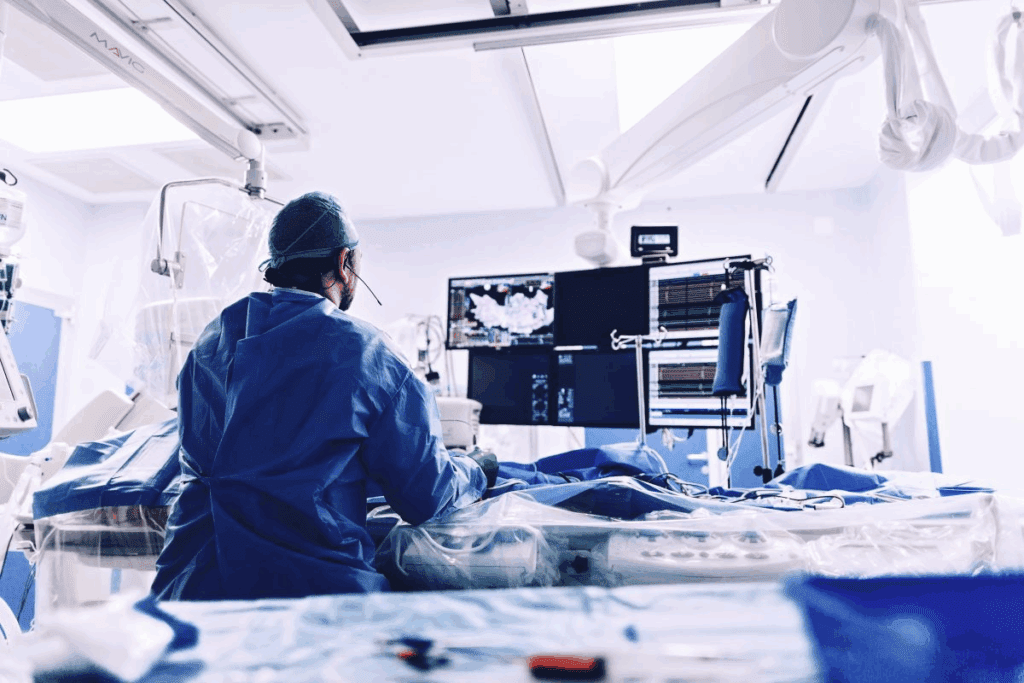
In modern medicine, imaging technologies are key for both diagnosing and treating. We use advanced radiology to spot internal problems and treat complex issues. Diagnostic and interventional radiology are two specialties that have changed healthcare a lot.diagnostic radiology vs interventional radiology: what’s the difference? Learn 7 key facts about these powerful but different medical specialties.
Though they start with radiology, these fields are different in focus, procedures, and care for patients. Our team at Liv Hospital aims to give top-notch care. We use both diagnostic and interventional radiology to find accurate diagnoses and effective treatments.
Key Takeaways
- Knowing the differences between diagnostic and interventional radiology is key for good patient care.
- Diagnostic radiology uses imaging to find internal problems.
- Interventional radiology treats complex conditions with image-guided procedures.
- Both specialties are vital in modern medicine, working together for patient care.
- Liv Hospital is dedicated to giving world-class care, using the best of both specialties.
Understanding Radiology: The Foundation of Medical Imaging

Understanding radiology is key to seeing how medical imaging is now a big part of patient care. Radiology has grown a lot over time. It has changed how we find and treat diseases.
The journey in radiology is amazing. We’ve moved from simple X-rays to advanced tools like CT, MRI, and ultrasound. These new tools have made diagnosing diseases better and treatments more effective.
The Evolution of Radiology in Modern Medicine
The history of radiology is all about new ideas. Starting with Wilhelm Conrad Röntgen’s discovery of X-rays in 1895, radiology has made huge strides. Today, radiology uses many different imaging methods, each with its own uses and benefits.
New technologies like CT scans, MRI, and ultrasound have changed everything. They let doctors see inside the body in ways we never could before.
| Imaging Modality | Primary Use | Benefits |
| X-ray | Bone fractures, lung conditions | Quick, widely available |
| CT Scan | Internal injuries, cancers | Detailed cross-sectional images |
| MRI | Soft tissue injuries, neurological conditions | High-resolution images without radiation |
| Ultrasound | Pregnancy monitoring, gallbladder disease | Non-invasive, real-time imaging |
How Imaging Technologies Revolutionized Healthcare
Imaging technologies have changed healthcare a lot. They help find diseases early, guide less invasive treatments, and improve health outcomes. Seeing inside the body has changed how we diagnose and treat many diseases.
For example, CT scans in emergency rooms have cut down on time to find internal injuries. MRI is key for diagnosing brain and nervous system problems and planning surgeries.
As we keep improving in radiology, imaging will keep leading in medical progress. Knowing how radiology has evolved helps us see its big role in today’s healthcare.
Diagnostic Radiology vs Interventional Radiology: Core Distinctions

Diagnostic radiology and interventional radiology are key parts of modern medicine. They differ in how they approach and help patients. This difference is vital for effective diagnosis and treatment.
Primary Focus and Purpose
Diagnostic radiology uses imaging like X-rays and MRI to find diseases. It aims to give clear images for doctors to understand what’s wrong.
Interventional radiology treats diseases with less invasive methods. It uses imaging to guide treatments that are quicker and have fewer side effects.
Day-to-Day Responsibilities
Diagnostic radiologists look at images, talk to doctors, and keep records. They help doctors use images to manage patient care.
Interventional radiologists do procedures like angioplasties. They prepare patients, do the procedures, and watch for complications after.
Role in the Patient Care Continuum
Diagnostic radiology is key for diagnosing and monitoring patients. It helps find diseases early, which is important for treatment.
Interventional radiology helps treat patients with less invasive methods. This improves outcomes and quality of life by reducing recovery times and risks.
To show the differences and similarities, let’s look at a table:
| Aspect | Diagnostic Radiology | Interventional Radiology |
| Primary Focus | Diagnosing diseases using imaging | Treating diseases through minimally invasive procedures |
| Day-to-Day Responsibilities | Interpreting imaging studies, consulting with healthcare professionals | Performing minimally invasive procedures, patient preparation, and post-procedure monitoring |
| Role in Patient Care | Initial diagnosis, ongoing monitoring | Direct treatment, minimally invasive alternatives to surgery |
Difference #1: Procedural Approach and Techniques
It’s important to know how Diagnostic and Interventional Radiology differ. Their unique roles in patient care depend on their procedural approaches.
Diagnostic Radiology: Imaging and Interpretation
Diagnostic Radiology uses non-invasive imaging techniques to find diseases. We use X-rays, CT scans, MRI, and ultrasound to see inside the body. Then, radiologists look at these images to spot problems and plan treatments.
The main parts of Diagnostic Radiology’s work are:
- Using advanced imaging to see inside the body
- Having skilled radiologists interpret the images
- Helping doctors make the right treatment plans
Interventional Radiology: Minimally Invasive Procedures
Interventional Radiology, on the other hand, does imaging-guided procedures. These treatments aim to fix problems without surgery. Radiologists use imaging to guide tools to the right spot for precise treatments.
Interventional Radiology’s approach includes:
- Using imaging to guide tools in real-time
- Doing treatments like embolizations and biopsies
- Helping patients recover faster and avoid surgery risks
Knowing these differences helps us see how both Diagnostic and Interventional Radiology are key to healthcare today.
Difference #2: Technology and Equipment Utilization
Diagnostic and interventional radiology are different because of their technology and equipment. They both use advanced imaging, but in different ways. This shows their unique roles in patient care.
Imaging Modalities in Diagnostic Radiology
Diagnostic radiology uses many imaging tools to see inside the body. These include:
- X-ray: Good for checking bone fractures and some lung issues.
- Computed Tomography (CT): Gives detailed images, great for many health problems.
- Magnetic Resonance Imaging (MRI): Shows soft tissues clearly, key for brain and muscle issues.
- Ultrasound: Uses sound waves for images, often for pregnancy and belly checks.
These tools are key for finding and tracking health issues in diagnostic radiology.
Specialized Tools in Interventional Radiology
Interventional radiology uses imaging tools and special tools for procedures. These include:
- Catheters and Guidewires: Help move through blood vessels for vascular treatments.
- Embolization Materials: Block blood flow to treat tumors and bleeding.
- Stents: Keep vessels open.
| Technology/Equipment | Diagnostic Radiology | Interventional Radiology |
| Imaging Modalities | X-ray, CT, MRI, Ultrasound | X-ray, CT, MRI, Ultrasound (for guidance) |
| Specialized Tools | None | Catheters, Guidewires, Embolization Materials, Stents |
Interventional radiology’s tools help with precise treatments. This can make recovery faster and outcomes better.
Difference #3: Patient Interaction and Care Models
Patient interaction changes a lot between diagnostic and interventional radiology. This affects how care is given and how doctors and patients connect. The main reason is the different roles these radiologists play in patient care.
The “Behind-the-Scenes” Role of Diagnostic Radiologists
Diagnostic radiologists usually work behind the scenes. They interpret imaging studies to help doctors diagnose and plan treatments. Even though they’re key, they often don’t see patients much.
The Direct Patient Care Approach of Interventional Radiologists
Interventional radiologists, on the other hand, work directly with patients. They do minimally invasive procedures, which means they see patients before, during, and after. This direct care helps build stronger bonds with patients.
Impact on Doctor-Patient Relationships
The way patients interact with radiologists changes how doctors and patients connect. Interventional radiologists, because they see patients more, can build stronger relationships. This is because they’re more involved in patient care.
| Aspect | Diagnostic Radiology | Interventional Radiology |
| Patient Interaction Level | Minimal direct interaction | Significant direct interaction |
| Role in Patient Care | Primarily diagnostic | Diagnostic and therapeutic |
| Impact on Doctor-Patient Relationship | Limited by minimal direct contact | Enhanced by direct patient care |
It’s important to understand these differences. They show how both types of radiology help patients in unique ways.
Difference #4: Training Pathways and Specialization
Diagnostic and interventional radiologists have different training paths. They both start with a strong foundation in radiology. But, their journey to becoming specialists takes different routes.
Educational Requirements for Diagnostic Radiologists
Diagnostic radiologists first earn a medical degree. Then, they enter a four-year radiology residency. They learn about X-ray, CT scans, MRI, and ultrasound.
Key components of their training include:
- Understanding radiation safety and physics
- Image interpretation across different modalities
- Correlating imaging findings with clinical diagnosis
Additional Training for Interventional Radiologists
Interventional radiologists add to their knowledge with specialized training. They do this through fellowship programs in interventional radiology. These programs last one to two years and focus on hands-on procedures.
Their advanced training encompasses:
- Mastering techniques for vascular and non-vascular interventions
- Learning to use advanced imaging guidance for procedures
- Developing skills in patient care before, during, and after procedures
Fellowship Opportunities and Subspecialties
Both types of radiologists can specialize further through fellowships. Diagnostic radiologists might focus on neuroradiology or pediatric radiology. Interventional radiologists can specialize in vascular intervention or oncology.
Fellowship training helps radiologists become experts in their field. It’s important for them to keep learning about new technologies and techniques. This way, they can provide the best care for their patients.
Understanding the training paths and specializations helps us see how both types of radiologists contribute to healthcare.
Difference #5: Career Outlook and Competitiveness
Looking at the career outlook and competitiveness in diagnostic and interventional radiology shows us job market trends and pay. Each specialty has its own path, shaped by different factors.
Job Market Analysis for Both Specialties
The job market for radiologists is strong, thanks to an aging population and more need for imaging. But, interventional radiologists are in high demand. They do procedures that are less invasive, helping patients recover faster and better.
Recent data shows radiologists’ jobs are growing, with more need for those who do interventional procedures. The table below compares job market indicators for both specialties.
| Job Market Indicator | Diagnostic Radiology | Interventional Radiology |
| Employment Growth | Moderate | High |
| Demand for Specialized Skills | Moderate | High |
| Average Annual Openings | 150-200 | 200-250 |
Compensation Differences and Trends
What radiologists earn depends on location, experience, and practice type. Generally, interventional radiologists make more because their work is complex and invasive.
A recent survey found interventional radiologists are among the highest paid in medicine. Their salaries range from $400,000 to over $600,000 a year, based on experience and other factors.
Work-Life Balance Considerations
Work-life balance is key for radiologists, who often work in stressful environments. But, interventional radiologists might have tougher schedules because of their procedures.
Despite the challenges, many radiologists are happy with their jobs. They feel important in patient care and enjoy the chance to keep learning and growing professionally.
Difference #6: Clinical Impact and Treatment Outcomes
Diagnostic Radiology and Interventional Radiology play big roles in patient care. They affect treatment results and how long it takes to recover. Both are key in medical imaging, but they care for patients in different ways.
Diagnostic Radiology’s Role in Disease Detection
Diagnostic Radiology is key in finding diseases early. It uses X-rays, CT scans, and MRI to spot problems early. This helps doctors act fast.
Early detection is vital for good treatment. With clear images, doctors can plan better treatments. For example, finding cancer early through imaging can greatly help patients.
Interventional Radiology’s Therapeutic Capabilities
Interventional Radiology does more than just diagnose. It offers treatments for many health issues. Doctors use imaging to do things like angioplasty and biopsies.
These treatments can avoid big surgeries. This means patients recover faster and feel better. For vascular diseases, angioplasty can fix blood flow issues, helping patients a lot.
Comparative Recovery Times and Patient Outcomes
Looking at Diagnostic Radiology and Interventional Radiology, we see big differences. Diagnostic Radiology mainly finds problems, while Interventional Radiology fixes them.
| Aspect | Diagnostic Radiology | Interventional Radiology |
| Primary Role | Disease Detection | Therapeutic Interventions |
| Impact on Recovery Times | Indirect, through early detection | Direct, through minimally invasive treatments |
| Patient Outcomes | Improved through accurate diagnosis | Improved through effective treatment |
The table shows that Interventional Radiology helps patients recover faster. A study found patients with interventional radiology procedures recovered quicker than with surgery.
“Interventional radiology has changed how we treat diseases. It offers safer, more effective treatments with less risk and faster recovery.”
In summary, Diagnostic Radiology is key for finding diseases early. But Interventional Radiology offers direct treatments that improve outcomes and reduce recovery times. Knowing these differences helps doctors make better choices for patients.
Conclusion: Choosing Between Diagnostic and Interventional Radiology
It’s important to know the differences between diagnostic and interventional radiology. This is true for both patients and healthcare workers. We’ve looked at seven main differences between these fields, from how they work to how they affect patients.
When deciding between these two, think about what each specialty does best. Diagnostic radiology is all about taking images and understanding them. On the other hand, interventional radiology is about doing procedures that are less invasive. This big difference affects how each field works, the technology used, and how they interact with patients.
As medicine keeps changing, both diagnostic and interventional radiology are key in patient care. Knowing their differences helps us make better choices about treatment and careers. Whether you’re looking for medical help or thinking about a career in healthcare, understanding what each specialty offers is key to the best results.
FAQ
What is the primary difference between diagnostic radiology and interventional radiology?
Diagnostic radiology uses imaging to find diseases. Interventional radiology uses these images to guide treatments.
How competitive is interventional radiology?
It’s a competitive field needing special training. But, how competitive it is can change based on location and job openings.
What do diagnostic radiologists do?
They look at medical images to find diseases. This helps doctors care for patients.
What is a diagnostic radiology?
It’s a field using X-rays, CT scans, and MRI to find diseases.
Do radiologists do surgery?
Interventional radiologists do procedures that are like surgery. But, they don’t do open surgery.
How long does it take to become an interventional radiologist?
It takes 5-7 years after medical school. This includes residency and fellowship.
What is the difference between IR and OR?
IR means using imaging for procedures. OR is for traditional surgery.
Do radiologists work weekends?
Their work hours can vary. Some might work weekends or be on call.
What are the pros and cons of being a radiologist?
Radiologists have job security and help patients a lot. But, they face high-pressure decisions and long hours.
How to become an interventional radiologist?
You need to finish medical school, then a radiology residency. After that, a fellowship in interventional radiology is usually needed.
References:
- Giovagnoni, A. (2020). Diagnostic and interventional radiology: an update. PMC. https://pmc.ncbi.nlm.nih.gov/articles/PMC7944668/