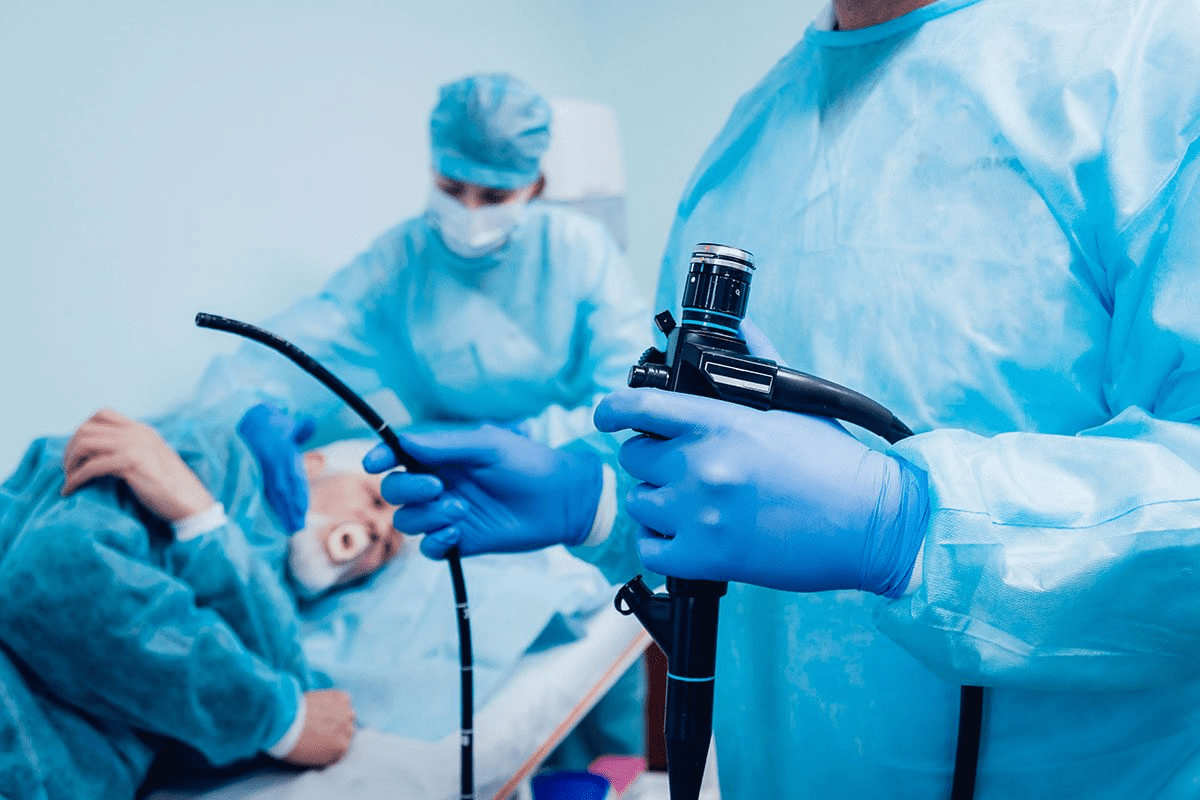
Getting ready for a colonoscopy is more than just the test itself. You need to eat the right foods to get good results. Eating foods low in fiber 3-5 days before helps. This makes it easier for doctors to see inside your colon.
At Liv Hospital, we know how important clear advice is. Our team gives you the best tips to stay comfortable and healthy. Eating foods low in fiber helps make your procedure go smoothly.
Key Takeaways
- Start a low-fiber diet 3-5 days before your colonoscopy.
- A low-fiber diet helps minimize residue in the colon.
- Clear visualization of the colon’s lining is key for accurate results.
- Liv Hospital offers detailed dietary advice for patients.
- Following a low-fiber diet ensures a smooth procedure.
Why a Proper Diet Before Colonoscopy Matters

A proper diet before a colonoscopy is key for its success. Preparing for a colonoscopy is more than just the procedure. It also means planning your diet carefully for the best results.
For colonoscopy prep, we aim to clean the colon well. This lets doctors see everything clearly during the test. A low residue diet menu colonoscopy helps a lot. It means eating foods low in fiber to reduce stool volume and lower the risk of problems during the test.
The Goal of Bowel Preparation
The main goal of bowel prep is to clear the colon of any leftover stuff. This is important because any leftover stool or debris can block the view during the test. This might lead to missed diagnoses or needing to do the test again.
To prepare well, you need to change your diet and might also use bowel cleansing agents. Following a colonoscopy food prep plan with low-fiber foods helps a lot. It makes the colonoscopy more successful.
How Food Choices Impact Procedure Success
What you eat is very important for a successful colonoscopy. Eating foods low in fiber helps make the stool less. This makes it easier to clean the bowel. It also makes the test more accurate, helping doctors make better diagnoses.
By knowing how diet affects the colonoscopy, you can help make it a success. We suggest eating a low residue diet before the test. This will help you get the best results.
Understanding Low Residue Diets for Colonoscopy Preparation

Preparing for a colonoscopy means knowing about low residue diets. These diets aim to reduce fiber and undigested food in the colon. This makes the colonoscopy more effective and efficient.
What Constitutes a Low Fiber Diet
A low fiber diet includes foods that are easy to digest. Examples are white bread, refined pasta, lean meats, and well-cooked veggies without seeds or skins. Foods high in fiber, like whole grains and raw veggies, are avoided because they can leave residue.
“A low-fiber diet helps reduce residue in the colon,” says Medical Expert, a gastroenterologist. “Choosing the right foods can greatly help the success of your colonoscopy.”
How Fiber Affects Visualization During the Procedure
Fiber is important for digestion but not for colonoscopy. High-fiber foods are not fully digested and can leave residue. This makes it hard to see the colon clearly. Reducing fiber intake helps ensure the colon is clean for the procedure.
When getting ready for a colonoscopy, it’s key to understand the goal of a low residue diet. It’s not just about cutting down on fiber. It’s also about choosing foods that are easy to digest and won’t leave residue.
Timing Your Diet Before Colonoscopy
Knowing when to start changing your diet is key for a good colonoscopy. How long you wait before making these changes affects your colon’s readiness for the test.
5-7 Days Before: Initial Dietary Modifications
We suggest starting your diet changes 5-7 days before your colonoscopy. Begin by eating fewer high-fiber foods. This first step helps your digestive system get ready for the test.
Start eating foods that are easy to digest. Avoid seeds, nuts, and raw veggies, as they’re hard for your body to break down.
3 Days Before: Reducing Fiber Intake
By 3 days before your colonoscopy, cut down your fiber intake a lot. You should be on a low-residue diet now, leaving little undigested food in your colon.
Keeping a food diary can help. It lets you see how your body reacts to different foods. This can help you avoid foods that upset your stomach.
1-2 Days Before: Strict Low Fiber Adherence
In the 1-2 days before your colonoscopy, stick to a very low-fiber diet. Only eat foods with almost no fiber or residue.
“A clear liquid diet is often recommended the day before the procedure to ensure the colon is as clear as possible.”
Sticking to this diet will help your colonoscopy go smoothly. It ensures your doctor can get clear images.
Grain-Based Low Fiber Foods
When getting ready for a colonoscopy, it’s key to eat low fiber foods, mainly grain-based ones. Grain-based foods are common in many diets. Choosing the right ones can help make your colonoscopy prep go smoothly. We suggest picking low fiber grain-based foods that are easy to digest and don’t leave much residue in the colon.
1. White Bread and Plain Crackers
White bread and plain crackers are great choices for a low fiber diet before a colonoscopy. They’re easy to digest and fit well into a low residue diet. Make sure to pick white bread made from refined flour and avoid whole grain or high fiber types.
2. White Pasta and White Rice
White pasta and white rice are also good options for before a colonoscopy. They’re low in fiber and provide the carbs you need for energy. Just make sure to cook them right so they’re easy to digest. Don’t add high fiber sauces or toppings.
Some examples of grain-based low fiber foods include:
- White bread
- Plain crackers
- White pasta
- White rice
Adding these grain-based low fiber foods to your diet before a colonoscopy can help make the procedure a success. Always listen to your healthcare provider’s specific dietary advice. They might have extra tips based on your personal needs.
Vegetable Options Safe for Pre-Colonoscopy Consumption
Choosing the right vegetables is key when getting ready for a colonoscopy. Look for ones that are low in fiber and easy to digest. Here are some safe options to consider.
Canned or Cooked Vegetables Without Seeds or Skin
Canned or cooked veggies without seeds or skin are great choices. Think green beans, carrots, and peas. Cooking breaks down some fiber, making them easier to digest. “Canned vegetables are a convenient option as they are already cooked and ready to eat,” making them a great addition to your pre-colonoscopy diet.
Skinless Potatoes and Preparation Methods
Skinless potatoes are another safe option. You can boil, mash, or bake them. Just avoid adding high-fiber toppings or ingredients. Skinless potatoes are gentle on the digestive system, making them an ideal choice for the days leading up to your colonoscopy.
Well-Cooked Carrots and Squash
Well-cooked carrots and squash are also recommended. Cooking them until tender reduces their fiber content. Steaming or boiling are effective methods to cook them without adding extra fat or fiber. These vegetables are not only easy to digest but also provide essential nutrients.
By incorporating these vegetable options into your diet, you can help ensure a successful colonoscopy preparation. Remember, the key is to focus on low-fiber, easily digestible vegetables that won’t interfere with the procedure.
Fruit Choices That Won’t Interfere With Your Procedure
Before a colonoscopy, it’s important to know which fruits are safe. Choose fruits low in fiber for a smooth procedure. Some fruits are easy to add to your diet, giving you nutrients without risks.
Peeled and Cooked Fruits
Peeled and cooked fruits are great for your pre-colonoscopy diet. Removing the skin cuts down on fiber, making them safer. Cooking breaks down fibers, helping with digestion. Here are some examples:
- Peeled apples cooked until tender
- Cooked pears without the skin
- Soft, cooked peaches that are easily mashed
Applesauce and Fruit Juices Without Pulp
Applesauce and fruit juices without pulp are also good choices. They’re made without the fiber-rich parts, fitting a low-fiber diet. Make sure fruit juices are clear and pulp-free to avoid problems.
“A clear fruit juice, such as apple or grape, is an excellent choice before a colonoscopy.” –
A healthcare professional’s guideline
Canned Fruits in Light Syrup
Canned fruits in light syrup are okay too. They’re cooked during canning, which lowers their fiber. Choose fruits packed in light syrup or their own juice to avoid extra sugar and fiber.
Examples of canned fruits include peaches, pears, or fruit cocktail. Always check the label to make sure they’re low in fiber.
Protein and Dairy Options for Your Pre-Colonoscopy Diet
In the days before your colonoscopy, eating lean meats and low-fat dairy is a good idea. These foods are full of nutrients and gentle on your stomach. We’ll show you the best protein and dairy choices for your diet.
Lean Meats and Fish
Lean meats and fish are great for protein and are easy to digest. Here are some examples:
- Grilled chicken or turkey without the skin
- Lean cuts of beef or pork
- Fish like salmon or cod
These foods are not only high in protein but also packed with vitamins and minerals. Try to avoid fatty or processed meats as they can be tough to digest.
Eggs and Egg Substitutes
Eggs are a versatile and easy-to-digest protein source. You can eat them boiled, scrambled, or in an omelette. If you need egg substitutes, tofu or egg replacement products work well in recipes.
- Boiled eggs
- Scrambled eggs with low-fat milk
- Tofu scramble as an egg substitute
Low-Fat Dairy Products
Low-fat dairy is recommended because it’s gentle on your stomach and full of calcium and protein. Here are some examples:
Product | Benefits |
Low-fat milk | Rich in calcium and protein |
Yogurt (plain, without seeds or fruit pieces) | Easily digestible, good source of probiotics |
Cheese (low-fat) | Good source of protein and calcium |
Adding these protein and dairy options to your diet helps you get the nutrients you need before your colonoscopy. Always talk to your healthcare provider for specific dietary advice.
Additional Low Fiber Foods and Beverages
There are many low-fiber foods and drinks that can help with colonoscopy prep. These options are gentle on your stomach. They help reduce the chance of problems during the test.
Clear Broths and Soups
Clear broths and soups are great for staying hydrated and keeping electrolytes balanced. Clear broth before colonoscopy is a good choice because it’s easy on the stomach. It also doesn’t leave any leftovers.
Make sure the broths you choose are clear and don’t have solids or fats. You can buy them or make your own with vegetable or chicken stock.
Gelatin and Popsicles
Gelatin and popsicles are also good choices for colonoscopy prep. They’re easy to digest and keep you hydrated. They come in many flavors, making them a fun part of your prep.
Smooth Nut Butters
Smooth nut butters are a good pick for your pre-colonoscopy diet. They’re full of healthy fats and proteins. This helps keep your energy up. Make sure to pick smooth varieties to avoid fiber chunks.
Clear Beverages and Sports Drinks
Clear drinks and sports drinks are also good to drink before your colonoscopy. They help keep you hydrated and balance your electrolytes. Choose clear, non-carbonated drinks to avoid any issues.
Adding these low-fiber foods and drinks to your diet can make colonoscopy prep easier. Always talk to your doctor about what’s best for you.
Conclusion: Setting Yourself Up for a Successful Colonoscopy
Getting ready for a colonoscopy is key to its success. Eating the right foods before can make your colon clear. This helps doctors see everything they need to during the test.
We’ve listed foods that are okay to eat before a colonoscopy. These include grain-based foods, veggies, fruits, proteins, and dairy. Sticking to these foods helps prepare your body for the test. A good prep is as important as the test itself.
Choosing the right foods and following our advice can make your colonoscopy go smoothly. We want to help you get ready easily. This way, you’ll have a successful colonoscopy.
FAQ
What is a low-residue diet, and why is it recommended before a colonoscopy?
A low-residue diet limits foods that are hard to digest. This makes the colon clearer for the procedure.
What foods should I avoid before a colonoscopy?
Avoid foods high in fiber, like whole grains and raw veggies. Also, skip seeds, nuts, and fruits with seeds or pulp.
Can I eat salads before a colonoscopy?
No, salads are not good before a colonoscopy. They’re high in fiber and may have seeds or nuts.
What are some suitable grain-based foods to eat before a colonoscopy?
White bread, plain crackers, white pasta, and white rice are okay. They’re low in fiber.
Are potatoes allowed before a colonoscopy?
Yes, you can have skinless potatoes before a colonoscopy. Just make sure they’re cooked well.
Can I consume dairy products before a colonoscopy?
Yes, you can have low-fat dairy products before a colonoscopy.
What beverages are recommended before a colonoscopy?
Drink clear beverages and sports drinks to stay hydrated before your colonoscopy.
How many days before a colonoscopy should I start following a low-fiber diet?
Start changing your diet 5-7 days before. Slowly cut down on fiber over the next few days.
Can I eat fruit before a colonoscopy?
Yes, but choose peeled and cooked fruits. Applesauce or canned fruits in light syrup are good options.
Why can’t I have seeds or nuts before a colonoscopy?
Seeds and nuts are hard to digest. They might stay in your colon and block the view during the procedure.
References:
National Center for Biotechnology Information. Low-Fiber Diet Before Colonoscopy: Easing Bowel Visualization. Retrieved from https://pmc.ncbi.nlm.nih.gov/articles/PMC6445600/