
Did you know over 2 million people in the United States get bursitis each year? Many mix it up with arthritis.
Many people are unsure about the difference between bursitis and arthritis. Bursitis is when the fluid-filled sacs (bursae) around joints get inflamed. These sacs cushion joints and reduce friction. It causes pain and swelling, but its causes and treatments are different from arthritis.
In this article, we’ll look into what bursitis is, its symptoms, and how it differs from arthritis. This will help you understand your condition better and learn how to manage bursitis effectively.
Key Takeaways
- Many wonder if bursitis is a form of arthritis; let’s explore the differences.
- It involves inflammation of the bursae, leading to pain and swelling.
- Understanding the difference between bursitis and arthritis is key for proper diagnosis and treatment.
- Bursitis symptoms can be managed with the right care and treatment.
- Seeking medical attention is essential for an accurate diagnosis.
Understanding Bursitis: Definition and Basic Concepts
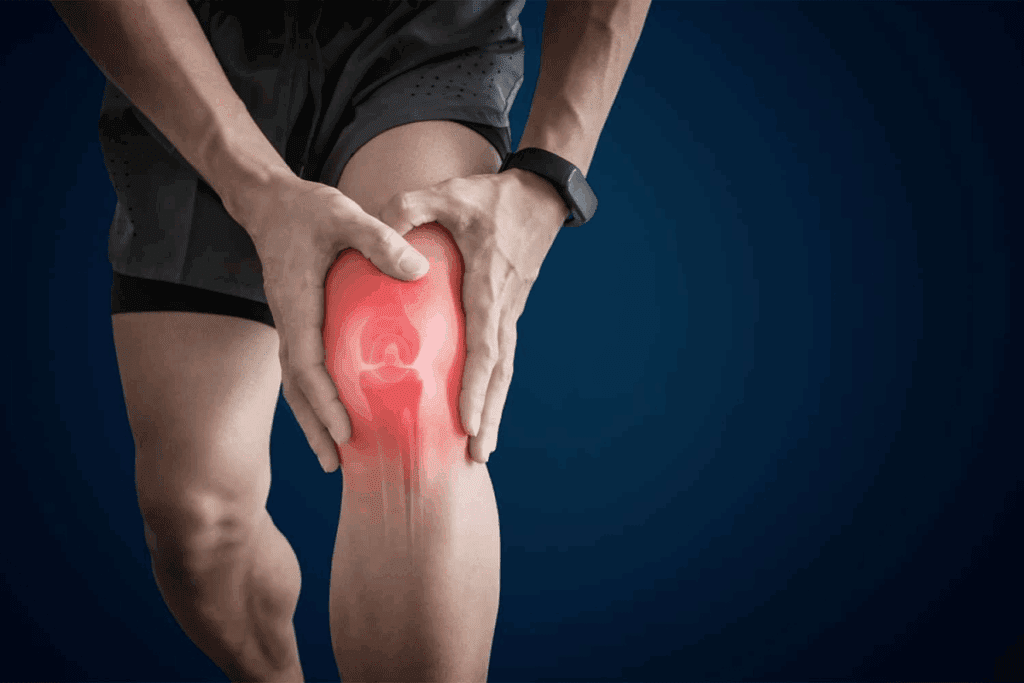
The bursa sac is vital in our musculoskeletal system. Knowing its role helps us understand bursitis. Bursae are small, fluid-filled sacs that cushion joints. They reduce friction between bones, tendons, and ligaments.
What is a Bursa Sac and Its Function
A bursa sac, or simply bursa, is a thin, fluid-lined sac. It makes joints move smoothly by reducing friction between structures. There are many bursae in our body, near joints like the shoulders, elbows, hips, and knees.
The main job of a bursa is to:
- Reduce friction between bones, tendons, and ligaments
- Cushion joints and absorb shock
- Enable smooth, pain-free movement
When a bursa gets inflamed, it leads to bursitis. Knowing how bursae work is key to understanding bursitis.
How Bursitis Develops
Bursitis happens when a bursa gets inflamed. This can be due to repetitive motion, direct trauma, or infection. The inflammation fills the bursa with too much fluid.
This causes swelling, pain, and limited mobility. Several things can cause bursitis, including:
| Cause | Description |
| Repetitive Motion | Repeatedly using a joint can irritate the bursa, leading to inflammation. |
| Direct Trauma | A fall or blow to a joint can cause bursitis by directly irritating the bursa. |
| Infection | Bacteria can infect a bursa, leading to septic bursitis, a potentially serious condition. |
Knowing the causes and how bursitis develops helps us prevent it. It also helps us find the right treatment when we need it.
Arthritis vs. Bursitis: Key Differences and Similarities
It’s important to know the difference between arthritis and bursitis for the right treatment. Both can cause pain and swelling, but they affect different parts of the body.
Common Characteristics
Arthritis and bursitis share some symptoms like pain, swelling, and trouble moving. They can come from injury, infection, or long-term health issues. Both can make the area red and warm.
Many people’s lives are greatly affected by these conditions. Knowing they have similar symptoms makes it hard to diagnose without a doctor’s help.
Fundamental Differences
The main difference is where they occur. Arthritis affects the joints, causing damage to cartilage and bone. Bursitis impacts the bursae, which are sacs that cushion bones, tendons, and muscles near joints.
| Condition | Affected Area | Primary Symptoms |
| Arthritis | Joints | Joint pain, stiffness, swelling |
| Bursitis | Bursae around joints | Pain, swelling, limited mobility around the joint |
Why People Confuse Them
Arthritis and bursitis can look similar because they both cause pain and swelling. They can also be caused by the same things like repetitive motion or injury. This makes it hard for people to tell them apart without a doctor’s help.
We hope this helps you understand the differences and similarities between arthritis and bursitis. Getting a proper diagnosis from a doctor is key to treating these conditions right.
Types of Bursitis Based on Location
Knowing about the different types of bursitis means understanding where they happen in the body. Each spot can cause different symptoms and needs its own treatment.
Shoulder Bursitis
Shoulder bursitis happens when the bursa in the shoulder gets inflamed. It can be caused by doing the same thing over and over, getting hit, or other reasons. You might feel pain and tenderness, mainly when you move your shoulder.
Hip Bursitis
Hip bursitis is when the bursa around the hip joint gets inflamed. It can hurt a lot, making it hard to walk or run. Doctors usually recommend rest, physical therapy, and sometimes medicine to treat it.
Knee Bursitis
Knee bursitis, or prepatellar bursitis, is when the bursa at the knee’s front gets inflamed. It’s common in people who often kneel. Wearing knee supports can help ease the pain.
Elbow Bursitis
Elbow bursitis, or olecranon bursitis, is when the bursa at the elbow’s back gets inflamed. It can be from hitting it or doing the same thing over and over. Using elbow bandages can help support and protect it.
| Many wonder if bursitis is a form of arthritis; let’s explore the differences. | Common Causes | Symptoms | Treatment |
| Shoulder Bursitis | Repetitive motion, trauma | Pain, tenderness | Rest, physical therapy |
| Hip Bursitis | Running, direct trauma | Pain when walking | Rest, medication |
| Knee Bursitis | Kneeling, repetitive strain | Swelling, pain | Knee supports, rest |
| Elbow Bursitis | Direct trauma, repetitive strain | Swelling, pain | Elbow bandages, rest |
Common Symptoms of Bursitis
Bursitis can cause several symptoms that make life harder. These symptoms include pain, swelling, and less ability to move joints.
Pain and Tenderness
Pain or tenderness is a main symptom of bursitis. This pain can be sharp and intense, getting worse with movement or pressure. We often feel pain that worsens with movement or when pressure is applied to the bursa.
Swelling and Redness
An inflamed bursa can cause swelling and redness around the joint. This swelling comes from fluid buildup in the bursa, leading to inflammation. Sometimes, the skin over the bursa feels warm to the touch.
Limited Range of Motion
Bursitis can make it hard to move the affected joint. As the bursa gets inflamed, it causes pain and stiffness. This makes it tough to move the joint fully, affecting daily activities like dressing or walking.
The symptoms of bursitis can vary and affect daily life differently. Common symptoms include:
- Pain or tenderness when moving the affected joint
- Swelling and redness around the joint
- Limited mobility or stiffness in the joint
- Warmth or tenderness to the touch
Knowing these symptoms is key to getting the right medical care. If you’re experiencing any of these symptoms, seeing a healthcare professional is important. They can give an accurate diagnosis and the right treatment plan.
Primary Causes of Bursitis
Bursitis can come from many sources, like overuse and injury. Knowing these causes helps in preventing and treating this painful issue.
Repetitive Motion and Overuse
Repetitive motion and overuse are common bursitis causes. Activities like throwing, lifting, or kneeling can irritate the bursae, causing inflammation.
Jobs or hobbies with repetitive motions raise bursitis risk. For example, tennis or baseball players often get bursitis in elbows or shoulders.
Direct Trauma or Injury
A direct hit to a joint can lead to bursitis. This injury can happen from a fall or sudden impact, causing bursae inflammation.
Falling onto the knee or elbow can hurt the bursae, causing bursitis. Wearing protective gear and following safety rules can help prevent this.
Infection (Septic Bursitis)
Septic bursitis is caused by an infection. It happens when bacteria get into the bursa, usually through a cut or scrape.
Septic bursitis needs quick medical care. It can lead to serious problems if not treated. Symptoms include redness, swelling, warmth, and fever around the affected area.
Systemic Diseases and Conditions
Certain diseases and conditions can make bursitis more likely. For example, rheumatoid arthritis, gout, and diabetes can all contribute to bursitis.
These conditions can cause inflammation and irritation in the bursae. Managing these conditions is key to preventing bursitis.
| Cause | Description | Examples |
| Repetitive Motion and Overuse | Activities involving repetitive movements | Athletes, manual laborers |
| Direct Trauma or Injury | A direct blow to a joint | Falls, sports injuries |
| Infection (Septic Bursitis) | Bacterial infection of the bursa | Cuts or scrapes near joints |
| Systemic Diseases and Conditions | Underlying health conditions | Rheumatoid arthritis, gout, diabetes |
Risk Factors for Developing Bursitis
Bursitis risk factors include many things like age, job, and lifestyle. Knowing these helps us prevent and manage bursitis better.
Age-Related Factors
Many wonder if bursitis is a form of arthritis; let’s explore the differences.
Occupational Risks
Jobs that involve a lot of repetitive motions, heavy lifting, or pressure on joints raise bursitis risk. For instance, people in construction, gardening, or manufacturing are at higher risk because of the physical demands of their work.
Sports and Recreational Activities
Doing sports or activities that involve repetitive movements or direct trauma to joints also raises bursitis risk. For example, athletes in sports like tennis, golf, or hockey are more likely to get bursitis in their elbows, shoulders, or knees.
The following table summarizes the key risk factors for developing bursitis:
| Risk Factor Category | Specific Risk Factors | Examples |
| Age-Related | Decreased flexibility, wear and tear | Older adults |
| Occupational | Repetitive motions, heavy lifting, direct pressure | Construction workers, gardeners, manufacturing workers |
| Sports and Recreational | Repetitive movements, direct trauma | Tennis players, golfers, hockey players |
By knowing these risk factors, we can take steps to prevent bursitis. We can change how we do things, use protective gear, and do exercises to strengthen the muscles around our joints.
Diagnosing Bursitis: Medical Approaches
Getting a correct bursitis diagnosis is key for good treatment. We’ll look at the medical ways to figure out this condition.
Physical Examination Techniques
First, we do a physical check to spot bursitis. We look for swelling, redness, and tenderness in the affected area. We also check how well you can move to see if pain or stiffness is a problem.
Imaging Tests (Ultrasound, MRI, X-ray)
To make sure it’s bursitis and not something else, we use imaging tests.
- Ultrasound helps us see the bursa and any inflammation or fluid buildup.
- MRI (Magnetic Resonance Imaging) gives us detailed pictures of soft tissues like the bursa, tendons, and more.
- X-ray shows us bone spurs or calcification that might be causing the bursitis.
Fluid Analysis
Fluid analysis is sometimes needed, like if we think it’s septic bursitis. We take a fluid sample from the bursa. Then, we check it for signs of infection, inflammation, or other issues.
When we diagnose bursitis, we look at the patient’s history, symptoms, and test results. This helps us find the best treatment plan.
The main ways to diagnose bursitis are:
- Physical check to see symptoms and how well you can move
- Imaging tests to see the bursa and other areas
- Fluid analysis to check for infection or other problems
By using these methods, we can accurately diagnose bursitis and plan a good treatment.
Conventional Treatment Options for Bursitis
Managing bursitis often needs a mix of treatments. We’ll look at common ways to ease symptoms and help you get better.
Rest and Activity Modification
Resting the affected area is key in treating bursitis. Also, changing your activities to avoid making it worse is important. This might mean not lifting heavy things or doing the same motion over and over.
Ice and Heat Therapy
Ice packs can help reduce swelling and pain early on. Later, heat therapy can help with blood flow and relaxation.
Medications for Pain and Inflammation
NSAIDs, found in over-the-counter pain relievers, are often used to control pain and swelling. For severe cases, corticosteroid injections might be suggested.
Physical Therapy Approaches
Physical therapy is vital in treating bursitis. It includes exercises to improve flexibility, strengthen muscles, and correct joint movement. This helps prevent future problems and boosts function.
| Treatment Option | Description | Benefits |
| Rest and Activity Modification | Avoiding activities that aggravate the condition | Reduces inflammation and pain |
| Ice and Heat Therapy | Alternating between ice packs and heat therapy | Reduces pain and promotes healing |
| Medications | Using NSAIDs or corticosteroid injections | Manages pain and inflammation |
| Physical Therapy | Exercises to improve flexibility and strength | Enhances recovery and prevents recurrence |
Knowing and using these treatments can help you manage bursitis symptoms and recover.
How Long Does Bursitis Last? Recovery Timeline
The time bursitis lasts can vary a lot. Knowing what affects it is important for managing it well.
Acute vs. Chronic Bursitis Duration
Bursitis is divided into two types: acute and chronic. Acute bursitis usually goes away in a few weeks with rest and treatment. On the other hand, chronic bursitis can last months or even years if not treated right.
- Acute bursitis: Usually lasts a few weeks to a couple of months.
- Chronic bursitis: Can last for several months to years.
Factors Affecting Healing Time
Several things can affect how long bursitis takes to heal. These include:
- The severity of the bursitis.
- The effectiveness of the treatment plan.
- The presence of any underlying conditions.
- The patient’s overall health and adherence to treatment.
Signs of Improvement
As bursitis heals, patients often see less pain and swelling. Other signs of getting better include:
- Increased range of motion.
- Decreased tenderness to the touch.
- Improved function of the affected joint or area.
It’s key to work closely with a healthcare provider. This way, you can track progress and change the treatment plan if needed.
Surgical Interventions for Severe Bursitis
When other treatments don’t work, surgery might be needed for severe bursitis. This choice is made when other treatments fail and the condition really hurts the patient’s life quality.
When Surgery Becomes Necessary
Surgery is considered when bursitis is very bad, doesn’t go away, and makes daily life hard. Septic bursitis, caused by infection, might need surgery too. We suggest surgery when:
- Pain and swelling don’t get better with medicine or therapy.
- The bursa is very inflamed or infected.
- It really affects how you move and live your day-to-day life.
Types of Surgical Procedures
There are many ways to surgically treat bursitis, each with its own reasons and benefits. The most common ones are:
| Procedure | Description | Benefits |
| Bursal Aspiration | Removing fluid from the bursa with a needle. | Reduces pressure and swelling. |
| Bursectomy | Removing the bursa surgically. | Long-term relief for chronic bursitis. |
| Arthroscopic Surgery | A small, less invasive procedure to remove the bursa. | Less time to recover, less scarring. |
Orthopedic specialists say, “Surgery can greatly improve life for those with severe bursitis.”
“Surgery is often the last choice, but it can really help get rid of bursitis pain.” –
Orthopedic Specialist
Recovery and Rehabilitation
Recovering from bursitis surgery means resting, doing physical therapy, and sometimes taking medicine for pain and swelling. The goal is to get the area strong and functional again.
Here are some tips for getting better:
- Slowly start doing activities again to avoid hurting yourself.
- Physical therapy to make the muscles around the area stronger.
- Ice and compression to help with swelling after surgery.
Knowing about the surgery options helps patients make better choices. We aim to give full care and support during recovery.
Home Remedies and Self-Care for Bursitis Relief
Bursitis can be quite painful. But, there are many home remedies that can help a lot. To manage bursitis well, you need both medical help and self-care. We’ll look at some good home treatments and natural ways to fight inflammation.
Effective Home Treatment Strategies
There are several home remedies for bursitis relief. These include:
- Applying ice packs to reduce inflammation and pain
- Using compression bandages to help reduce swelling
- Elevating the affected area to reduce swelling
- Resting the affected joint and avoiding activities that aggravate the condition
“Rest is key for bursa healing,” says an orthopedic specialist. “Giving the affected area time to rest can greatly shorten recovery time.”
Natural Anti-Inflammatory Approaches
There are also natural ways to fight bursitis symptoms. These include:
- Using topical creams containing arnica or capsaicin
- Taking supplements such as glucosamine and chondroitin
- Incorporating anti-inflammatory foods into your diet, such as turmeric and ginger
Turmeric is a great example. It has curcumin, which fights inflammation. You can add turmeric to your meals or drink turmeric tea.
By using these home remedies and natural methods, you can find a lot of relief from bursitis. Always talk to a healthcare professional before trying new treatments.
Lifestyle Factors and Bursitis Management
Lifestyle choices greatly affect how severe bursitis is and how well it can be managed. Making smart choices can really help your condition and overall health.
Diet and Nutrition Impact
Eating right is key to managing bursitis. Some foods can help fight inflammation, while others can make it worse. Anti-inflammatory foods like omega-3s, fruits, and veggies are good. Avoid foods that can trigger or make inflammation worse, like processed foods and sugars.
Good nutrition is important for healthy joints and less bursitis symptoms. Eating enough vitamins and minerals, like those that fight inflammation, helps manage the condition.
Exercise Modifications
Exercise is important for bursitis management. Gentle exercises can help move your joints better and reduce stiffness. Choose low-impact activities that don’t strain the bursae too much. Swimming, cycling, and yoga are good options.
To modify your exercise routine for bursitis, avoid activities that make it worse. You might need to do less intense or less frequent exercises. Or find other movements that are easier on your joints.
Sleep and Stress Considerations
Getting enough sleep and managing stress are often overlooked but are very important for bursitis management. Poor sleep can make pain and inflammation worse. It’s important to sleep well and create a restful sleep space.
Stress can also make bursitis symptoms worse by tightening muscles. Doing things that reduce stress, like meditation or deep breathing, can help. It can also improve your overall well-being.
Preventing Bursitis: Practical Strategies
Many wonder if bursitis is a form of arthritis; let’s explore the differences.
Proper Technique and Form
Using the right technique and form is key to avoiding bursitis. This is true for sports, exercise, and even everyday tasks. Here are some tips:
- Learn the correct postures and movements from experts or trainers.
- Take regular breaks to rest and stretch during long activities.
- Don’t push too hard and slowly increase the intensity of your workouts.
Protective Equipment
Wearing the right protective gear is also vital for preventing bursitis. This includes:
- Knee pads or elbow pads for athletes in high-impact sports.
- Properly fitted helmets and shoulder pads for contact sports.
- Ergonomic tools and furniture to reduce joint strain in daily activities.
Strengthening and Flexibility Exercises
Doing regular strengthening and flexibility exercises can also help. These exercises improve joint stability and lower injury risk. Here’s what we recommend:
- Do exercises that strengthen the muscles around your joints.
- Regularly stretch to keep your flexibility up.
- Try low-impact activities like swimming or cycling for joint health.
| Exercise Type | Benefits | Examples |
| Strengthening | Improves joint stability, reduces injury risk | Weightlifting, resistance band exercises |
| Flexibility | Maintains range of motion, reduces stiffness | Yoga, static stretching |
| Low-Impact | Promotes joint health without excessive strain | Swimming, cycling |
By using these strategies, you can lower your risk of bursitis and keep your joints healthy.
When to See a Doctor for Bursitis
If you’re feeling symptoms of bursitis, it’s important to know when to see a doctor. Mild cases might be handled with home care. But, severe cases need medical help to avoid serious problems.
Warning Signs and Red Flags
Some symptoms mean your bursitis is serious and needs a doctor. Look out for:
- Severe pain that makes it hard to do daily tasks or sleep.
- Swelling that’s big or getting bigger.
- Redness or warmth around the area, which could mean infection.
- Fever, a sign of septic bursitis that needs quick medical care.
- Limited mobility or trouble moving the joint.
If you often get bursitis or it doesn’t get better with home care, see a doctor. They can check it out further.
What to Expect at Your Appointment
At your doctor’s visit for bursitis, expect a detailed check-up and maybe some tests. Here’s what usually happens:
- The doctor will do a physical examination to look at the area. They’ll check for inflammation, tenderness, and how well you can move.
- You’ll talk about your medical history and what might have caused the bursitis.
- Imaging tests like X-rays, ultrasound, or MRI might be done. They help figure out the extent of the bursitis or rule out other issues.
- In some cases, the doctor might take fluid from the bursa. This is to check for infection or to ease pressure.
Knowing when to get medical help for bursitis is key. It helps you get the right treatment and avoids bigger problems.
Conclusion
We’ve looked into bursitis, a condition often mixed up with arthritis. Knowing the differences helps people find the right treatment and prevent it. This way, they can manage their condition better.
Treatment for bursitis includes rest, changing how you move, medicines, and physical therapy. Sometimes, surgery is needed. It’s important to know these options to make good choices about your care.
Preventing bursitis is also key. Using the right techniques, wearing protective gear, and doing exercises can help. These steps can lower your chance of getting bursitis.
Bursitis and arthritis are different, even though they’re related. Knowing the signs and getting medical help when needed can help. This way, people can feel better and live better lives.
FAQ
What is bursitis and how is it different from arthritis?
Many wonder if bursitis is a form of arthritis; let’s explore the differences.
What are the common symptoms of bursitis?
Symptoms of bursitis include pain, swelling, redness, and limited movement. The severity can vary based on the location and cause.
What causes bursitis?
Bursitis can be caused by repetitive motion, direct trauma, infection, or diseases like rheumatoid arthritis. Knowing the cause is key to treating it effectively.
How is bursitis diagnosed?
Diagnosing bursitis involves a physical exam, imaging tests like ultrasound or MRI, and sometimes fluid analysis. This helps confirm the presence of inflammation or infection.
What are the treatment options for bursitis?
Treatment includes rest, ice and heat, pain and inflammation medications, and physical therapy. In severe cases, surgery might be needed.
How long does bursitis last?
Bursitis can last from a few weeks to months or longer. Acute cases usually resolve faster, while chronic cases may take longer to manage.
Can bursitis be prevented?
Yes, preventing bursitis is possible. Use proper technique, wear protective gear, and do exercises to strengthen and flex your muscles.
When should I see a doctor for bursitis?
See a doctor for severe pain, swelling that doesn’t improve, signs of infection, or if you’ve had bursitis before that didn’t respond to treatment.
Are there any lifestyle changes that can help manage bursitis?
Yes, managing bursitis can be helped by changing your diet, adjusting your exercise, and improving sleep and stress management.
What are some effective home remedies for bursitis relief?
Home remedies include using ice or heat, over-the-counter pain relievers, and natural anti-inflammatory approaches like certain supplements.
Can bursitis be cured?
Bursitis can be managed and symptoms reduced. Whether it’s “cured” depends on the cause and the treatment’s success.
References
- Lopez, G. et al. (2009). Synovial Bursa – an overview. Immunology and Microbiology. Retrieved from https://www.sciencedirect.com/topics/immunology-and-microbiology/synovial-bursa