
Cancer diagnoses can be complex and overwhelming. Understanding the difference lymphoma solid tumors is important, as lymphoma and solid tumors are two distinct categories needing different treatments.
Did you know solid tumors are more common, but lymphoma is a big part of cancer diagnoses worldwide? This distinction is crucial as it influences the treatment approaches and support required by patients.
We will look into the main differences between lymphoma and solid tumors. This will help patients and healthcare providers understand these conditions better.
Key Takeaways
- Knowing the difference between lymphoma and solid tumors is key for effective treatment.
- Lymphoma and solid tumors have unique characteristics that affect treatment choices.
- Getting an accurate diagnosis is essential for finding the best treatment.
- Patients with lymphoma or solid tumors need full support services.
- Medical treatments are getting better, improving outcomes for both conditions.
Understanding Cancer Classifications
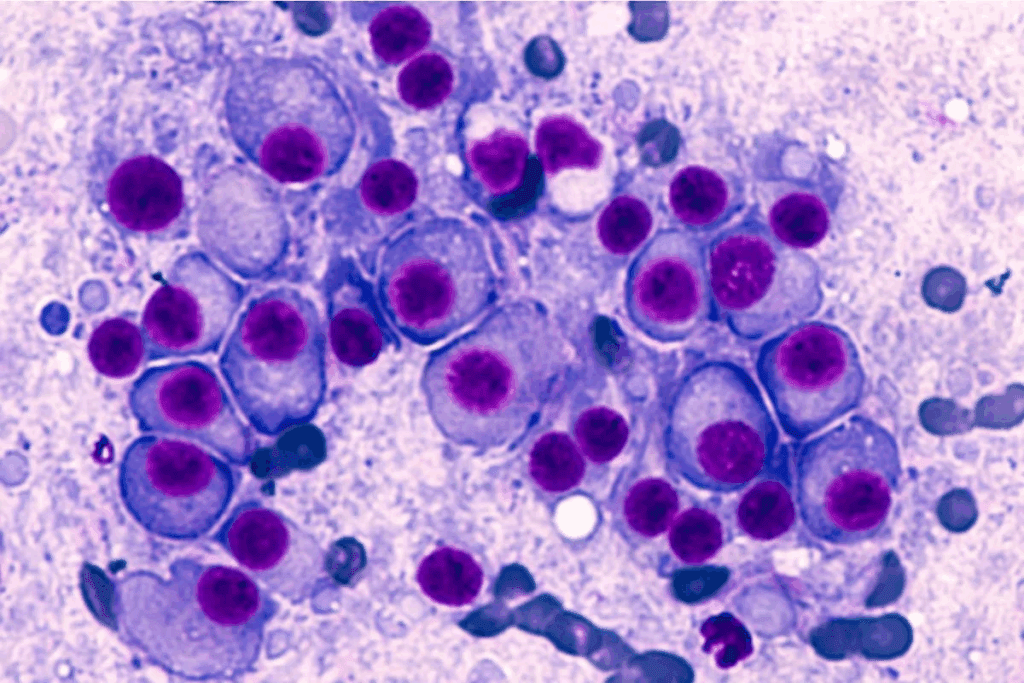
Cancer is not just one disease but many related ones. They are grouped by where they start and how they grow. Knowing these groups helps doctors diagnose and treat cancer better.
The Spectrum of Cancer Types
Cancers can be in the blood, like lymphoma, or in solid tissues. The spectrum of cancer types is wide. Each type has its own traits and treatment challenges.
Because of this variety, we need a detailed way to classify cancers. This system helps us understand oncology terminologyand the special features of each cancer.
How Cancers Are Categorized by Origin
The place where a cancer starts is key to its type. For example, carcinomas come from epithelial cells. Leukemias and lymphomas affect the blood and lymph system.
Knowing where a cancer starts helps predict how it might grow and how it will react to treatment. It also guides the creation of treatments that target specific cancers.
Blood Cancers vs. Tissue-Based Cancers
There’s a big difference between blood cancers and solid tumors. Blood cancers, like lymphoma and leukemia, affect blood cells. Solid tumors, like those in the breast or lung, grow in organ tissues.
This difference is important for diagnosis and treatment. For instance, This shows how vital it is to understand these differences for effective care.
Defining Lymphoma: A Cancer of the Lymphatic System
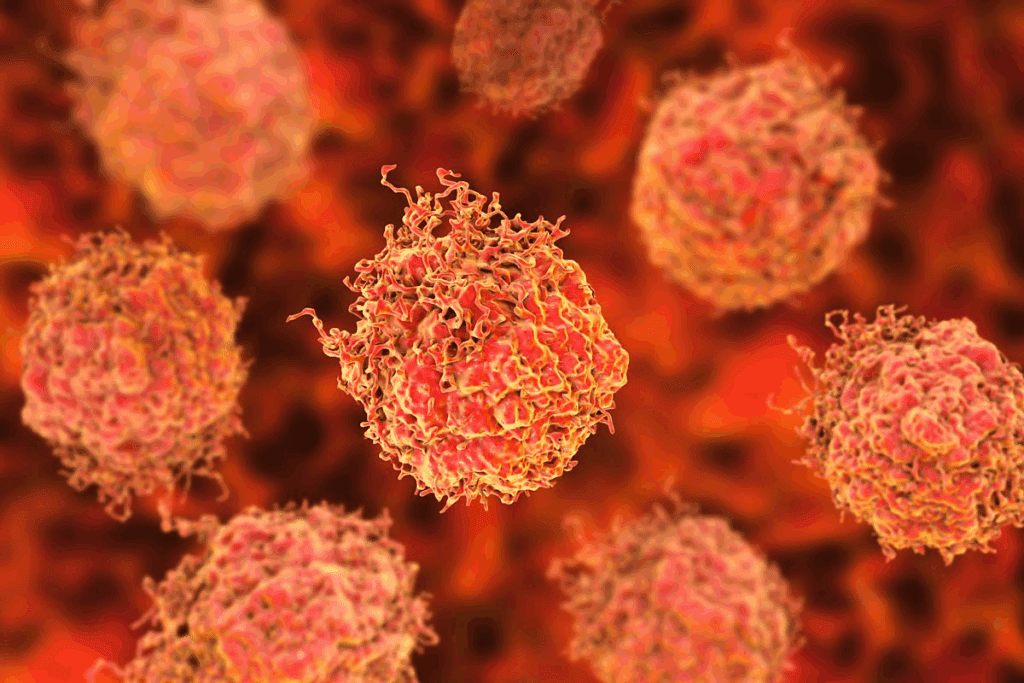
Lymphoma is a cancer that starts in the lymphatic system. This system helps protect us from infections. It’s a network of organs, tissues, and vessels that defend the body.
The Lymphatic System Explained
The lymphatic system is key to our defense. It includes lymph nodes, spleen, thymus gland, and lymphoid tissues. These parts work together to make and move lymphocytes, white blood cells that fight infections.
The lymphatic system’s main job is to filter out harmful stuff and cells, like cancer cells.
A healthy lymphatic system is vital for our health. When cancer, like lymphoma, affects it, our body’s defense weakens.
Types of Lymphoma
Lymphoma comes in several types, mainly Hodgkin and non-Hodgkin lymphoma. Hodgkin lymphoma has Reed-Sternberg cells, abnormal lymphocytes. Non-Hodgkin lymphoma is a group of lymphomas with different levels of aggressiveness and treatment needs.
Other types include:
- Diffuse large B-cell lymphoma
- Follicular lymphoma
- Mantle cell lymphoma
- Burkitt lymphoma
Each lymphoma type has its own traits and treatment plans.
Lymphoma as a Blood Cancer
Lymphoma is a blood cancer because it affects the immune system. It can spread through the lymphatic system, which is connected to the bloodstream. Lymphoma cells can move in the blood and gather in lymph nodes and other lymphoid tissues.
Seeing lymphoma as a blood cancer shows its ability to spread. Early diagnosis and treatment are key. Treatment may include chemotherapy, radiation, immunotherapy, or targeted therapy, based on the disease’s type and stage.
Defining Solid Tumors: Cancers That Form Masses
Solid tumors are cancers that grow into distinct masses in organs or tissues. They differ from lymphoma. We will look at what makes solid tumors unique, their types, and how they affect different tissues.
What Constitutes a Solid Tumor
A solid tumor is a mass of cancer cells in a specific place, like an organ or tissue. These tumors can be benign or malignant. Malignant tumors are cancerous and can spread to other parts of the body.
The growth of a solid tumor involves complex interactions between cancer cells and their environment. This includes blood vessels, immune cells, and the extracellular matrix.
Common Types of Solid Tumors
Solid tumors can come from different tissue types, leading to various cancers. Some common ones include:
- Carcinomas, which start from epithelial cells and are the most common. Examples are breast, lung, and colon cancers.
- Sarcomas, which start from connective tissue like bone, cartilage, or fat.
- Gliomas, which are tumors in the brain or spine from glial cells.
Solid Tumors and Tissue Types
The tissue where a solid tumor starts affects its growth and behavior. Tumors from epithelial tissues grow differently than those from connective tissue. Knowing the tissue of origin is key for diagnosing and treating solid tumors.
| Tissue Type | Common Tumor Types | Characteristics |
| Epithelial | Carcinomas (e.g., breast, lung cancer) | Most common type, varied behavior |
| Connective | Sarcomas (e.g., osteosarcoma) | Rare, can be highly malignant |
| Glial | Gliomas (e.g., glioblastoma) | Aggressive, challenging to treat |
The Difference Between Lymphoma and Solid Tumors
It’s important to know the difference between lymphoma and solid tumors for the right treatment. These cancers start and grow in different ways. This affects how they are treated.
Origin and Development Pathways
Lymphoma starts in the lymphatic system, which fights off infections. It happens when lymphocytes grow out of control. Solid tumors, on the other hand, grow in organs or tissues, forming a mass.
The lymphatic system helps protect the body. Lymphoma can show up in lymph nodes, spleen, and other tissues. Solid tumors can grow in places like the breast, lung, or colon.
Growth and Spread Patterns
Lymphoma spreads through the lymphatic system, affecting many areas. Solid tumors grow in one place first, then spread to other parts of the body.
Lymphoma often spreads more at the start, while solid tumors are more local. Knowing this helps doctors figure out the cancer’s stage and plan treatment.
Cellular Characteristics
Lymphoma cells are found in lymph nodes or lymphoid tissues. Solid tumors are masses in organs or tissues.
Looking at the cells helps doctors diagnose and understand the cancer. Certain markers or proteins can show how aggressive the cancer is. This helps decide the best treatment.
Knowing the differences helps doctors tailor treatments for each cancer. This approach improves patient outcomes and quality of life.
Cellular Origins and Pathophysiology
Lymphoma and solid tumors start from different cells. This affects how they grow and spread. Knowing these differences helps doctors find better treatments and improve care for patients.
Lymphoma’s Cellular Basis
Lymphoma comes from lymphocytes, important immune cells. It happens when genes in these cells change. These changes make the cells grow out of control and not die when they should.
Key factors in lymphoma development include:
- Genetic changes that affect how cells grow
- Changes in how genes are turned on or off
- How lymphoma cells interact with their surroundings
Solid Tumor Development
Solid tumors start from cells in the body’s tissues. They grow into masses that can spread to other areas. The growth of solid tumors is complex, involving genes and the environment.
Critical aspects of solid tumor development include:
- Genetic changes in genes that control growth
- The creation of new blood vessels for the tumor
- The ability of the tumor to spread to other places
Metastasis: How Cancer Spreads
Metastasis is when cancer cells move from one place to another. It’s a big problem in fighting cancer. Knowing how cancer moves helps doctors find better ways to treat it.
Solid Tumor Metastasis Mechanisms
Solid tumors spread in several steps. First, cancer cells invade nearby tissues. This is called local invasion.
Then, they enter blood vessels or lymphatic channels through intravasation. Once in the blood, they can travel to other parts of the body. This is called hematogenous spread.
When they reach a new place, they extravasate into the tissue. There, they can start new tumors.
Lymphoma Dissemination Patterns
Lymphoma spreads through the lymphatic system. It can move to nearby lymph nodes or skip them. This is called contiguous or non-contiguous spread.
Lymphoma cells can also go into organs like the spleen, liver, and bone marrow. This makes the disease widespread. The way it spreads depends on the type of lymphoma.
Key Differences in Cancer Spread
Solid tumors and lymphoma spread in different ways. Solid tumors move through local invasion and blood. Lymphoma spreads through the lymphatic system.
Understanding these differences helps doctors find better treatments. It makes care for patients better.
By knowing how each cancer spreads, we can treat it more effectively. This improves care for patients.
Symptoms and Clinical Presentation
It’s key to know the signs of lymphoma versus cancerous tumors for good care. How these cancers show up can really affect treatment and diagnosis.
How Lymphoma Typically Presents
Lymphoma is a cancer of the lymphatic system. It often shows up with symptoms that are not very specific. These symptoms can be like those of other illnesses. Common signs include:
- Swollen lymph nodes, mainly in the neck, armpits, or groin
- Fatigue or feeling weak
- Fever, chills, or night sweats
- Unexplained weight loss
These symptoms can be vague. This makes it hard to spot lymphoma early.
Common Symptoms of Solid Tumors
Solid tumors form masses in different parts of the body. Their symptoms vary based on where they are and how big they get. Common signs include:
- Pain or discomfort in the affected area
- A palpable lump or mass
- Changes in bowel or bladder habits
- Unexplained bleeding or discharge
Solid tumors can cause symptoms that are more focused on one area. But, they can also spread and cause symptoms all over the body.
| Symptom | Lymphoma | Solid Tumors |
| Swollen Lymph Nodes | Common | Less Common |
| Localized Pain | Less Common | Common |
| Systemic Symptoms (Fever, Weight Loss) | Common | Can occur, specially in advanced stages |
It’s vital for doctors to know these differences. This helps them make the right diagnosis and treatment plan. By understanding the unique symptoms of lymphoma and solid tumors, we can help patients better.
Diagnostic Approaches and Challenges
Getting a correct diagnosis for lymphoma and solid tumors is key for good treatment and patient care. We will talk about how to diagnose these cancers. We will also discuss the challenges and what to consider when making a differential diagnosis.
Diagnosing Lymphoma
To diagnose lymphoma, doctors use imaging, biopsy, and look at tissue samples. Imaging techniques like CT scans and PET scans help find out how far the disease has spread. They also help guide biopsies.
- Biopsy samples are checked for cell shape and type.
- Molecular studies, like PCR and FISH, look for specific genetic changes.
The World Health Organization (WHO) classification is also used. It groups lymphomas based on cell type and maturity.
Diagnosing Solid Tumors
Diagnosing solid tumors uses many tools, including imaging, biopsy, and tissue analysis. Imaging modalities like MRI and CT scans show tumor size, location, and if it’s spreading.
- Biopsy samples are looked at under a microscope to find out the tumor type and how aggressive it is.
- Molecular profiling helps find specific mutations to guide treatment.
The TNM staging system helps classify solid tumors. It looks at tumor size, lymph node involvement, and if it has spread.
Differential Diagnosis Considerations
Distinguishing between lymphoma and solid tumors can be tough. This is because they can look similar on scans and have similar symptoms. Clinical correlation with lab results and tissue analysis is vital for a correct diagnosis.
- It’s important to carefully examine biopsy samples to tell lymphoma apart from solid tumors.
- Molecular tests can help clear up any confusion.
We stress the need for a team effort. Radiologists, pathologists, and oncologists working together is key for accurate diagnosis and effective treatment plans.
Staging and Classification Systems
It’s important to understand the staging systems for lymphoma and solid tumors. This helps doctors know how serious the cancer is and what treatment to use. Staging shows how far the cancer has spread in the body.
Lymphoma Staging Methods
Lymphoma staging uses the Ann Arbor Staging System or the Lugano Classification. These methods look at how many lymph nodes are affected and where the lymphoma is. They also check if it has spread to other organs.
The Ann Arbor Staging System breaks lymphoma into four stages:
- Stage I: Lymphoma is in one lymph node group.
- Stage II: Lymphoma is in two or more lymph node groups on the same side of the diaphragm.
- Stage III: Lymphoma is in lymph node groups on both sides of the diaphragm.
- Stage IV: Lymphoma has spread widely through one or more organs that are not part of a lymphatic area.
Solid Tumor Staging
Solid tumors are staged using the TNM system. It looks at three main things: the size and extent of the tumor (T), the number of nearby lymph nodes with cancer (N), and if the cancer has spread (M).
The TNM system gives detailed information about the tumor. This helps doctors stage it more accurately and plan treatment better.
Here’s an example of the TNM staging system for a hypothetical solid tumor:
| Tumor Size (T) | Lymph Node Involvement (N) | Metastasis (M) | Stage |
| T1 (small tumor) | N0 (no lymph node involvement) | M0 (no metastasis) | Stage I |
| T2 (larger tumor) | N1 (some lymph node involvement) | M0 (no metastasis) | Stage II |
| T3 (large tumor) | N2 (more extensive lymph node involvement) | M1 (distant metastasis) | Stage IV |
Getting the staging right is key for both lymphoma and solid tumors. It affects treatment choices and how well a patient will do.
Treatment Approaches for Lymphoma
Lymphoma treatment involves several methods to tackle the disease’s complexity. The treatment plan depends on the lymphoma type, its stage, and the patient’s health.
Chemotherapy Protocols
Chemotherapy is key in fighting lymphoma, using drugs to kill cancer cells. The treatment protocol varies based on the lymphoma type and stage.
Common Chemotherapy Regimens:
- CHOP (Cyclophosphamide, Hydroxydaunorubicin, Oncovin, and Prednisone)
- ABVD (Adriamycin, Bleomycin, Vinblastine, and Dacarbazine)
Radiation Therapy Applications
Radiation therapy targets and kills cancer cells in specific areas. It can be used alone or with chemotherapy.
Benefits of Radiation Therapy:
- Effective for localized disease
- Can relieve symptoms
| Treatment Modality | Application | Benefits |
| Chemotherapy | Systemic treatment | Targets cancer cells throughout the body |
| Radiation Therapy | Localized treatment | Effective for localized disease, symptom relief |
| Immunotherapy | Enhances immune response | Targets cancer cells with fewer side effects |
Immunotherapy and Targeted Treatments
Immunotherapy and targeted treatments are new ways to manage lymphoma. These therapies boost the immune system or target specific cancer cell traits.
Examples include:
- Rituximab, a monoclonal antibody targeting CD20
- Checkpoint inhibitors, which release the brakes on the immune system
They offer hope for better outcomes.
Treatment Approaches for Solid Tumors
Healthcare providers look at many factors to find the best treatment for solid tumors. This might include surgery, radiation, or systemic treatments. The right treatment depends on the tumor’s type, stage, and where it is. It also depends on the patient’s health and what they prefer.
Surgical Interventions
Surgery is often the first choice for many solid tumors, when the cancer is in one place. Surgical interventions aim to remove the tumor completely, along with some healthy tissue around it. This helps make sure all cancer cells are gone. New surgical methods, like minimally invasive and robotic surgery, help patients recover faster.
Doctors decide if surgery is needed based on the tumor’s size, location, and how close it is to important parts of the body. Sometimes, neoadjuvant chemotherapy or radiation therapy is used first. This makes the tumor smaller before surgery, making it easier to remove.
Radiation Strategies
Radiation therapy is a key treatment for solid tumors. It uses high-energy rays to kill or slow cancer cells. Radiation strategies are tailored to the cancer type and stage, and the patient’s health.
There are different types of radiation therapy. These include external beam radiation therapy (EBRT), internal radiation therapy (brachytherapy), and stereotactic body radiation therapy (SBRT). The choice depends on the tumor’s location and size, and the patient’s needs.
| Type of Radiation Therapy | Description | Common Uses |
| External Beam Radiation Therapy (EBRT) | Delivers radiation from outside the body | Various types of solid tumors |
| Internal Radiation Therapy (Brachytherapy) | Places radioactive material directly into or near the tumor | Prostate, cervical, and breast cancers |
| Stereotactic Body Radiation Therapy (SBRT) | Delivers precise, high-dose radiation to small tumors | Early-stage lung, liver, and prostate cancers |
Systemic Treatments
Systemic treatments, like chemotherapy, targeted therapy, and immunotherapy, are used for cancer that has spread or is at risk of spreading. These treatments can be used alone or with surgery and radiation therapy to get the best results.
Chemotherapy kills cancer cells with drugs. Targeted therapy focuses on specific molecules that help cancer grow. Immunotherapy boosts the body’s immune system to fight cancer cells.
The choice of systemic treatment depends on the cancer type and stage, and the patient’s health and preferences. Research and clinical trials are always looking for new and better treatments for solid tumors.
Similarities Between Lymphoma and Solid Tumors
Lymphoma and solid tumors have some key similarities. They share common molecular pathways, treatment methods, and risk factors. This makes them more alike than you might think.
Shared Molecular Pathways
Both lymphoma and solid tumors have complex molecular pathways. These pathways are key to their growth and spread. The PI3K/AKT and NF-κB pathways are examples. They help cells grow, survive, and resist death.
Table 1: Common Molecular Pathways in Lymphoma and Solid Tumors
| Pathway | Lymphoma | Solid Tumors |
| PI3K/AKT | Activated in many lymphoma subtypes | Frequently altered in various solid tumors |
| NF-κB | Constitutively active in some lymphomas | Dysregulated in several solid tumor types |
Common Treatment Modalities
Even though treatments differ, some methods are the same for both. Chemotherapy, radiation, and immunotherapy are used for both. Targeted therapies are also becoming more common.
Overlapping Risk Factors
Both types of cancer have similar risk factors. Genetic predisposition, environmental toxins, and infections are common. For example, Epstein-Barr virus (EBV) is linked to some lymphomas and nasopharyngeal carcinoma.
Knowing these similarities helps in creating better cancer treatments. It also advances research into these diseases.
Prognosis and Survival Rates Comparison
It’s important to know about the prognosis and survival rates of lymphoma and solid tumors. Prognosis tells us what might happen with a disease. Survival rates show how many people live with a certain cancer for a certain time. Both lymphoma and solid tumors have many factors that affect their outcomes.
Factors Affecting Lymphoma Outcomes
Many things can change how well lymphoma does. The type of lymphoma, how early it’s found, the patient’s age, health, and how well they respond to treatment all matter. For example, Hodgkin lymphoma often does better than non-Hodgkin lymphoma, if caught early.
The stage of lymphoma is very important. Early stages usually mean better chances of recovery. Some genetic markers and symptoms can also change the outlook. New treatments like targeted therapies and immunotherapies have greatly helped lymphoma patients.
Factors Affecting Solid Tumor Outcomes
For solid tumors, many things affect how well they do. The tumor’s location, size, stage, grade, and the patient’s health are all important. The stage at diagnosis is key, as early-stage tumors are easier to treat and have better results.
The tumor’s grade is also key. Tumors that look more like normal cells tend to grow slower. But, tumors that look very different often grow and spread faster. Genetic mutations can also change how well a tumor responds to treatment.
Early detection and new treatments have made survival rates better for both lymphoma and solid tumors. Knowing these factors helps in making the best treatment and care choices.
Recent Advances in Research and Treatment
The field of cancer treatment is changing fast. New discoveries are giving hope to those with lymphoma and solid tumors. These breakthroughs are making cancer care better and more tailored to each patient.
Breakthroughs in Lymphoma Management
There’s been a lot of progress in treating lymphoma. Immunotherapy is showing great promise. Treatments like CAR-T cell therapy are working well for some lymphoma types.
- Now we can diagnose lymphoma more accurately.
- Targeted therapies are being made to attack lymphoma cells.
- Doctors are trying new combinations of treatments to improve results.
Innovations in Solid Tumor Treatment
Solid tumor treatment is also getting better. New surgical techniques, radiation therapy, and systemic treatments are being developed. Precision medicine is helping tailor treatments to each patient’s tumor.
- New imaging tech is making radiation therapy more precise.
- Less invasive surgeries are helping patients recover faster.
- Targeted and immunotherapies are being used based on tumor profiles.
Emerging Precision Medicine Approaches
Precision medicine is changing cancer treatment. It lets us target specific genetic changes in cancer. This is very promising for both lymphoma and solid tumors.
Key parts of precision medicine include:
- Next-generation sequencing to find mutations.
- New targeted therapies to attack specific genetic weaknesses.
- More focus on liquid biopsies and other non-invasive tests to track treatment.
As research keeps moving forward, we’ll see even more progress. This will bring hope to patients and their families.
Conclusion
Lymphoma and solid tumors are two different kinds of cancer. They have different origins and ways of growing. Knowing the difference is key to treating them right.
Even though they share some similarities, they need different treatments. This is because of their unique growth patterns and how they spread.
Doctors can now create better treatment plans thanks to these differences. As we learn more, we’ll see new ways to fight cancer.
FAQ
What is the main difference between lymphoma and solid tumors?
Lymphoma is a blood cancer that starts in the lymphatic system. Solid tumors, on the other hand, are cancers that grow in specific tissues or organs.
How are lymphoma and solid tumors classified?
Lymphoma is seen as a blood cancer. Solid tumors are grouped by the tissue or organ they affect.
What are the different types of lymphoma?
There are many types of lymphoma, like Hodgkin and non-Hodgkin lymphoma. Each has its own traits and treatment plans.
What constitutes a solid tumor?
A solid tumor is a cancerous mass in a specific tissue or organ. This can be in places like the breast, lung, or colon.
How do lymphoma and solid tumors spread?
Lymphoma spreads through the lymphatic system. Solid tumors move through the bloodstream or by invading nearby tissues.
What are the typical symptoms of lymphoma and solid tumors?
Lymphoma symptoms include swollen lymph nodes, fever, and tiredness. Solid tumors may cause pain or trouble breathing, depending on the organ affected.
How are lymphoma and solid tumors diagnosed?
Doctors use imaging tests, biopsies, and lab tests to diagnose. These help figure out the cancer type and how far it has spread.
What are the treatment options for lymphoma?
Lymphoma treatment includes chemotherapy, radiation, immunotherapy, and targeted therapy. The choice depends on the cancer type and stage.
How are solid tumors treated?
Solid tumors are treated with surgery, radiation, chemotherapy, and targeted therapy. These are often used together.
What are the similarities between lymphoma and solid tumors?
Both can have similar molecular pathways and treatment options. This shows the need to understand cancer biology well.
How do prognosis and survival rates compare between lymphoma and solid tumors?
Survival rates vary based on cancer type, stage, and patient health. Treatment response also plays a big role.
What are the recent advances in the research and treatment of lymphoma and solid tumors?
New advances include immunotherapies, targeted therapies, and precision medicine. These are helping improve treatment results for both lymphoma and solid tumors.
What is the importance of understanding the differences between lymphoma and solid tumors?
Knowing the differences is key for accurate diagnosis and effective treatment. It helps improve patient outcomes.
References:
- Yilma, M., et al. (2024). Survival outcomes among patients with hepatocellular carcinoma: A population-based study. JAMA Network Open, 7(9), e2243906.https://jamanetwork.com/journals/jamanetworkopen/fullarticle/2823906



 Departments
 Related Videos
 Our Doctors
 News
News