Diabetes mellitus is a big health problem worldwide, affecting nearly 590 million adults. It’s important to know that Type 1 and Type 2 diabetes are different. They have different causes and ways to manage them difference type.
Type 1 diabetes is an autoimmune condition. It happens when the body’s immune system attacks the insulin-making cells in the pancreas. On the other hand, Type 2 diabetes is caused by insulin resistance and not enough insulin. It’s often linked to lifestyle choices.
It’s key for patients, doctors, and caregivers to understand these differences. This knowledge helps in finding the right ways to manage both types of diabetes.
Key Takeaways
- Type 1 diabetes is an autoimmune condition requiring insulin therapy.
- Type 2 diabetes is characterized by insulin resistance and impaired insulin secretion.
- Lifestyle factors often contribute to the development of Type 2 diabetes.
- Understanding the differences between Type 1 and Type 2 diabetes is important for effective management.
- Both types need different treatment and care approaches.
Understanding Diabetes: A Brief Overview

Diabetes mellitus is a long-term condition where the body can’t use or store glucose right. Knowing this is key as we explore Type 1 and Type 2 diabetes. Both deal with insulin, a hormone that helps control glucose levels.
Definition of Diabetes Mellitus
Diabetes happens when the body can’t handle glucose, causing it to build up in the blood. This affects many organs and can be very serious if not managed well. The main problem in diabetes is the body’s trouble keeping blood glucose levels normal. This is vital for energy and health.
Understanding diabetes involves a few important points:
- The body can’t make enough insulin or use it well.
- Glucose is a key energy source for cells.
- High blood glucose levels harm the body’s functions.
The Role of Insulin in Blood Glucose Regulation
Insulin, made by the pancreas, helps control blood glucose levels. It lets cells use glucose. In healthy people, insulin makes sure glucose is used or stored right, keeping blood glucose normal. In diabetes, this process goes wrong, either because of too little insulin or because the body can’t use it well.
Type 1 and Type 2 diabetes both lead to high blood glucose levels that harm many organs. Knowing how insulin works and how diabetes affects the body is key to managing it and avoiding serious problems.
What Is the Difference Between Type 1 and Type 2 Diabetes Mellitus?
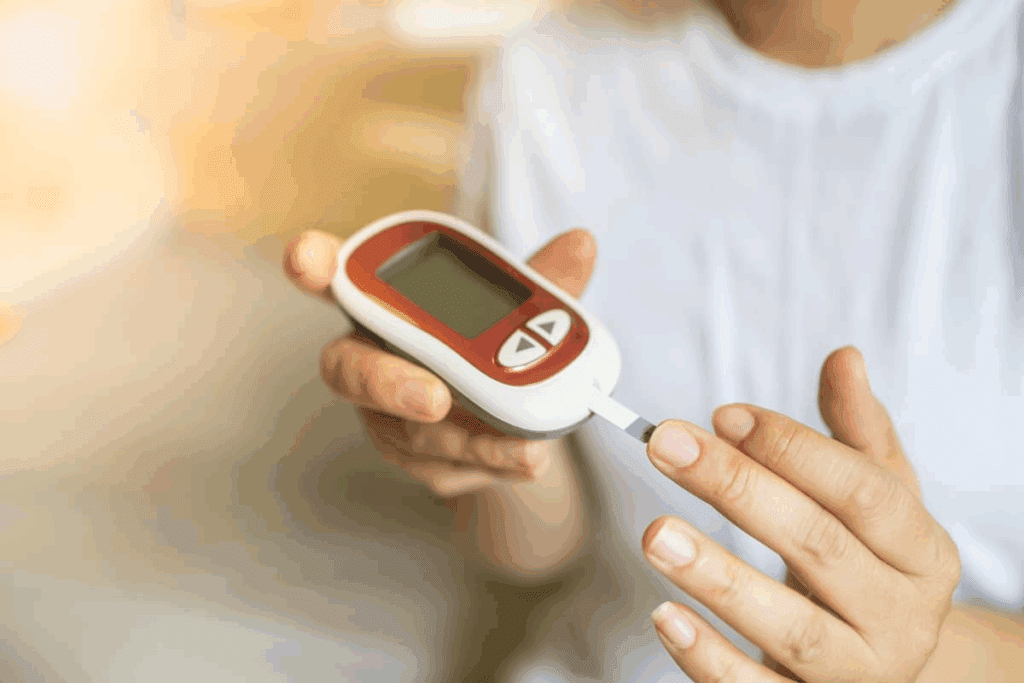
Type 1 and Type 2 diabetes mellitus both cause high blood sugar. But they have different reasons and symptoms. Knowing these differences helps doctors diagnose and treat them right.
Core Pathophysiological Differences
Type 1 diabetes happens when the body attacks and destroys insulin-making cells in the pancreas. This leads to no insulin being made. Type 2 diabetes, on the other hand, is when the body’s cells don’t respond well to insulin. This is often because of genetics and lifestyle choices.
Autoimmune destruction is a key part of Type 1 diabetes. Insulin resistance and beta-cell dysfunction are central to Type 2 diabetes.
Key Clinical Distinctions
Type 1 diabetes often starts in kids and teens, but can happen at any age. Type 2 diabetes is more common in adults but is also seen in kids and teens because of more obesity.
| Characteristics | Type 1 Diabetes | Type 2 Diabetes |
|---|---|---|
| Typical Age of Onset | Children, Adolescents | Adults, increasingly children |
| Primary Cause | Autoimmune beta-cell destruction | Insulin resistance, impaired insulin secretion |
| Body Weight | Typically normal or underweight | Often overweight or obese |
| Insulin Requirement | Always requires insulin | May require insulin, initially managed through lifestyle or oral medications |
Doctors can make better treatment plans by knowing these differences. This helps patients live better lives.
Type 1 Diabetes: Autoimmune Origins
Type 1 diabetes starts with the body attacking its own insulin-making cells. This happens when the immune system mistakenly attacks the pancreas’s beta cells. As a result, the body makes less insulin.
Pathophysiology of Beta Cell Destruction
The immune system mistakenly attacks the body’s own cells in Type 1 diabetes. Autoimmune antibodies are often found, showing the immune system’s role. This leads to less insulin being made, eventually stopping it altogether.
Research shows that genes and the environment play big roles in Type 1 diabetes. While we’re learning more, it’s clear that both are important in starting the disease.
Genetic and Environmental Triggers
The causes of Type 1 diabetes are complex. Genetic predisposition and environmental triggers are key. Genes can make you more likely to get it, while things like viruses can start the immune attack.
Some genes raise the risk of Type 1 diabetes. But not everyone with these genes gets the disease. This shows that the environment also plays a big part.
Typical Age of Onset
Type 1 diabetes often starts in childhood or young adulthood. But it can happen at any age. Symptoms like thirst and more trips to the bathroom can lead to a diagnosis.
Getting diagnosed early is key to managing Type 1 diabetes. Knowing how it starts helps in treating it.
Even though Type 1 and Type 2 diabetes are different, they share some management tips. Like keeping an eye on blood sugar and living a healthy lifestyle. Knowing these similarities can help manage either type better.
Type 2 Diabetes: Insulin Resistance and Progressive Decline
Type 2 diabetes is a big problem worldwide, making up over 90% of all diabetes cases. It’s caused by insulin resistance and a decline in how well the pancreas works. This condition is a complex mix of genetics, environment, and lifestyle.
Pathophysiology of Insulin Resistance
Insulin resistance means the body’s cells don’t respond well to insulin. Insulin is a hormone that helps control blood sugar levels. Without good insulin response, blood sugar stays high. The process involves insulin signaling, inflammation, and metabolic stress.
Many things can lead to insulin resistance, including:
- Genetics
- Being overweight and not being active
- Eating too much saturated fat and sugar
- Other health issues like high blood pressure and bad cholesterol
Role of Genetic Factors and Lifestyle
Genetics are a big part of getting Type 2 diabetes. If your family has it, you’re more likely to get it too. Lifestyle choices, like diet and exercise, also play a big role. A diet full of calories and fat, and not moving enough, raises your risk.
Risk Factors and Predisposition
There are many things that can increase your chance of getting Type 2 diabetes, including:
- Getting older, after 45
- Being overweight, mainly around the middle
- Having a family history of Type 2 diabetes
- Not being active
- Being from certain ethnic groups
- Having had gestational diabetes or a big baby
- High blood pressure and bad cholesterol
Knowing about these risk factors and how Type 2 diabetes works is key. It helps us catch it early and manage it better. By spotting risks and taking steps to prevent it, we can slow down or stop Type 2 diabetes.
Epidemiology and Statistics
Recent studies show diabetes is becoming a bigger problem worldwide. Looking at global numbers and future trends, it’s clear diabetes is a major health issue.
Global Prevalence and Future Projections
Diabetes is spreading fast globally. Now, 589 million adults have diabetes, and this number is expected to hit 853 million by 2050. This growth is due to more people getting older, moving to cities, and changing their lifestyles.
Type 2 diabetes is the most common, making up most cases. The increase in Type 2 diabetes is linked to more obesity and less exercise.
Type 1 vs. Type 2 Distribution
Type 1 diabetes is less common but affects younger people. It’s important to know the difference between Type 1 and Type 2. Type 1 is caused by the body attacking its own insulin-making cells. Type 2 is due to the body not using insulin well and making less of it.
Demographic Patterns and Trends
Diabetes rates vary a lot around the world. Low- and middle-income countries are seeing a big jump in diabetes cases. This puts a lot of pressure on their healthcare systems.
It’s key to understand these patterns to create better diabetes care plans worldwide.
Similarities Between Type 1 and Type 2 Diabetes
Type 1 and Type 2 diabetes are different but share common issues. Both need careful management to avoid serious problems.
Shared Metabolic Consequences
Both types of diabetes can lead to big problems if not managed well. These include heart disease, kidney damage, and vision loss. The metabolic syndrome linked to both types makes these risks worse, highlighting the need for thorough management.
Cardiovascular Risks: People with either type face a higher risk of heart and stroke problems.
Common Symptoms and Warning Signs
Type 1 and Type 2 diabetes share symptoms like thirst, urination, fatigue, and blurred vision. Spotting these signs early is key for quick diagnosis and treatment.
- Increased thirst and urination
- Fatigue
- Blurred vision
- Slow healing of cuts and wounds
Monitoring Requirements
Both types need regular checks to keep blood sugar in check. This includes blood tests, watching for complications, and adjusting treatment plans as needed.
| Monitoring Aspect | Type 1 Diabetes | Type 2 Diabetes |
|---|---|---|
| Blood Glucose Testing | Multiple times a day | Regularly, frequency varies |
| HbA1c Testing | Every 3-6 months | Every 3-6 months |
| Complication Screening | Annual checks for complications | Annual checks for complications |
In summary, Type 1 and Type 2 diabetes differ but share many challenges. Their common symptoms and monitoring needs stress the need for detailed diabetes care.
Diagnostic Criteria and Testing Methods
Diagnosing diabetes requires a mix of clinical checks and lab tests. Getting the diagnosis right is key for proper care and treatment.
Blood Glucose Testing Standards
Blood glucose tests are a main part of diabetes diagnosis. The key tests include:
- Fastings plasma glucose (FPG) level of 126 mg/dL or higher
- Oral glucose tolerance test (OGTT) result of 200 mg/dL or higher
- Hemoglobin A1c (HbA1c) level of 6.5% or higher
These tests help find out if you have diabetes and check your blood sugar levels.
Antibody Testing for Type 1
Type 1 diabetes is often confirmed with antibody tests. These tests look for specific antibodies like:
- Glutamic acid decarboxylase antibodies (GADA)
- Islet cell antibodies (ICA)
- Insulinoma-associated antigen-2 antibodies (IA-2A)
Finding these antibodies helps tell Type 1 diabetes apart from other types.
Differentiating Between Types
Telling Type 1 from Type 2 diabetes is important for treatment. Here’s a table showing the main differences:
| Diagnostic Criteria | Type 1 Diabetes | Type 2 Diabetes |
|---|---|---|
| Typical Age of Onset | Children and young adults | Adults, often after age 45 |
| Autoantibodies | Present (GADA, ICA, IA-2A) | Typically absent |
| Insulin Levels | Low or absent | Variable, often insulin resistance |
Knowing these differences helps doctors create the best treatment plans for each patient.
Treatment Approaches: Managing Blood Glucose
Understanding and using the right treatment approaches is key to managing diabetes. Keeping blood glucose levels in check is vital. It helps prevent serious health issues and improves life quality for those with diabetes.
Insulin Therapy in Type 1 Diabetes
Type 1 diabetes needs insulin therapy as the main treatment. This is because the body’s immune system destroys the insulin-making cells in the pancreas. There are different ways to give insulin, such as:
- Multiple daily injections
- Insulin pumps
- Continuous glucose monitoring systems
These methods help manage insulin doses well. They keep blood glucose levels in a safe range.
Medication Options for Type 2 Diabetes
Type 2 diabetes can be managed with lifestyle changes, oral meds, or insulin. Some common meds include:
| Medication Class | Examples | Mechanism of Action |
|---|---|---|
| Metformin | Glucophage | Decreases hepatic glucose production |
| Sulfonylureas | Glyburide, Glipizide | Stimulates insulin release |
| DPP-4 inhibitors | Sitagliptin, Saxagliptin | Increases incretin hormone levels |
These meds can be used alone or together to control blood glucose well.
Lifestyle Modifications for Both Types
Changing your lifestyle is important for both Type 1 and Type 2 diabetes. Key changes include:
- Dietary changes: Eat balanced meals, count carbs, and choose healthy foods.
- Physical activity: Regular exercise boosts insulin sensitivity and health.
- Weight management: Keeping a healthy weight helps control blood glucose.
Combining these lifestyle changes with the right meds or insulin therapy helps manage diabetes well.
Daily Management Differences
It’s important to know how Type 1 and Type 2 diabetes are managed every day. Both types need careful watching and treatment, but the methods can be quite different.
Blood Glucose Monitoring Frequency
People with Type 1 diabetes usually need to check their blood sugar more often. This is because Type 1 diabetes means they don’t make insulin, so they need insulin shots or a pump.
Key differences in monitoring frequency include:
- Type 1 diabetes: Often requires monitoring before and after meals, at bedtime, and occasionally during the night.
- Type 2 diabetes: May require less frequent monitoring, depending on the treatment regimen and level of glycemic control.
Carbohydrate Counting and Insulin Dosing
Carbohydrate counting helps people with diabetes manage their blood sugar. For Type 1 diabetes, it’s used with insulin dosing to keep blood sugar in check.
Key aspects of carbohydrate counting and insulin dosing include:
- Understanding the carbohydrate content of meals and snacks.
- Adjusting insulin doses based on carbohydrate intake and pre-meal blood glucose levels.
- Using insulin-to-carbohydrate ratios to guide dosing decisions.
Hypoglycemia Risk and Management
Hypoglycemia, or low blood sugar, is a risk for people with diabetes, more so for those on insulin or certain meds. The risk and how to manage it differ between Type 1 and Type 2 diabetes.
Key differences in hypoglycemia risk and management include:
- Type 1 diabetes: Higher risk due to insulin therapy, requiring frequent monitoring and adjustment of insulin doses.
- Type 2 diabetes: Risk varies depending on the treatment regimen; those on insulin or insulin secretagogues are at higher risk.
Knowing these daily management differences helps people with diabetes and their doctors create plans that work best. These plans help control blood sugar and lower the chance of serious problems.
Long-term Complications and Prevention
Managing diabetes well is key to avoiding serious long-term problems. These issues can greatly affect the life quality of those with Type 1 and Type 2 diabetes. Both types can cause serious health problems if not managed right.
Microvascular Complications
Microvascular complications come from damage to small blood vessels. This damage happens because of high blood sugar levels for a long time. These problems include:
- Diabetic nephropathy, which can lead to kidney failure
- Diabetic retinopathy, potentially causing blindness
- Neuropathy, resulting in nerve damage
Diabetic nephropathy is a big reason for chronic kidney disease and end-stage renal disease. It’s important to check kidney function often for early signs.
Macrovascular Complications
Macrovascular complications affect the bigger blood vessels. They are mainly linked to heart diseases. People with diabetes are more likely to get:
- Coronary artery disease
- Stroke
- Peripheral artery disease
Cardiovascular disease is a big cause of illness and death in people with diabetes. It’s very important to manage risk factors like high blood pressure and high cholesterol.
Preventive Strategies and Regular Screenings
Stopping long-term problems needs a mix of regular checks, lifestyle changes, and sticking to treatment plans. Important steps include:
| Preventive Measure | Type 1 Diabetes | Type 2 Diabetes |
|---|---|---|
| Regular Blood Glucose Monitoring | Essential for managing insulin doses | Crucial for monitoring insulin resistance |
| Lifestyle Modifications | Diet and exercise to maintain blood glucose control | Diet, exercise, and weight management to improve insulin sensitivity |
| Annual Screenings | For diabetic retinopathy, nephropathy, and neuropathy | For diabetic retinopathy, nephropathy, and neuropathy |
By knowing the risks and taking steps to prevent them, people with diabetes can lower their chance of serious problems.
Economic Impact and Healthcare Considerations
The cost of diabetes is a big worry worldwide. It affects not just people but also healthcare systems. Both type 1 and type 2 diabetes have big effects on healthcare costs and the economy.
Global Economic Burden
The cost of diabetes globally is huge. It’s estimated to be over USD 1 trillion in 2024. This includes direct costs like medication and hospital stays, and indirect costs like lost work time.
Managing diabetes costs a lot. This includes insulin, glucose monitors, and other medicines. The price of insulin is a big worry for many patients.
“The economic impact of diabetes is not just a financial issue; it’s a human issue. The cost of diabetes care can be devastating for individuals and families, leading to difficult choices between managing their condition and other essential expenses.”
Individual Financial Challenges
Living with diabetes can be very hard financially. The cost of supplies, medicines, and doctor visits can be too much for many. This can lead to poor health outcomes.
- High costs of insulin and other diabetes medications
- Expenses related to glucose monitoring and other diabetes management tools
- Lost productivity due to diabetes-related complications
Insurance and Access to Care
Insurance and access to care are key in managing diabetes costs. In many places, like the United States, insurance greatly affects how much care people can get. It’s important to have policies that make insulin and other medicines affordable.
We need comprehensive healthcare coverage for diabetes. This means not just medicines but also education, nutrition advice, and regular check-ups.
To lessen the financial burden of diabetes, we must tackle insurance and care access. This requires policy changes, better care access, and support for those with diabetes.
Conclusion: Living Well with Diabetes
It’s key to know the difference between Type 1 and Type 2 diabetes mellitus. This knowledge helps in managing and supporting those with diabetes. Both types have similarities but also have unique ways of treating them.
People with diabetes can live full and active lives with the right treatment and lifestyle changes. Healthcare providers can give specific advice and support. This helps individuals manage their diabetes and lower the chance of serious problems.
Managing diabetes well helps people stay independent and enjoy their life. We stress the need for complete care. This includes regular checks, sticking to medication, and making healthy lifestyle choices. These steps help people with diabetes to do well.
FAQ
What is the main difference between Type 1 and Type 2 diabetes?
Type 1 diabetes is when your body attacks the cells that make insulin. Type 2 diabetes is when your body doesn’t use insulin well and may not make enough. Type 2 is often linked to lifestyle choices.
What are the similarities between Type 1 and Type 2 diabetes?
Both types deal with insulin issues. This leads to high blood sugar. Both need careful management to avoid serious problems.
How is Type 1 diabetes diagnosed?
Doctors use blood tests and tests for antibodies to find Type 1 diabetes. These tests check for autoantibodies against insulin or pancreatic cells.
What are the treatment approaches for Type 1 and Type 2 diabetes?
Type 1 diabetes is treated with insulin. Type 2 diabetes might use medication, lifestyle changes, or both.
How do the daily management requirements differ between Type 1 and Type 2 diabetes?
Type 1 diabetes needs more frequent blood checks and insulin doses. Type 2 diabetes might just need lifestyle changes and blood checks.
What are the possible long-term complications of diabetes?
Diabetes can cause eye and kidney problems. It also increases the risk of heart disease and stroke.
How can diabetes-related complications be prevented?
Preventing complications involves regular check-ups and managing risk factors. Keeping blood sugar in check is key.
What is the economic impact of diabetes?
Diabetes is costly worldwide. It affects individuals financially and impacts access to care and insurance.
Can individuals with diabetes live well with the condition?
Yes, with good management and support, people with diabetes can live full lives. They can reduce risks and improve their health.
What is the role of lifestyle modifications in managing diabetes?
Healthy eating and exercise are vital for managing diabetes. They help control blood sugar and prevent complications.
How does insulin resistance contribute to Type 2 diabetes?
Insulin resistance, often from being overweight or inactive, leads to Type 2 diabetes. It makes it hard for the body to use insulin well.
References
National Center for Biotechnology Information. Type 1 and Type 2 Diabetes: Distinctions in Cause, Management. Retrieved from https://www.ncbi.nlm.nih.gov/pmc/articles/PMC4232036/