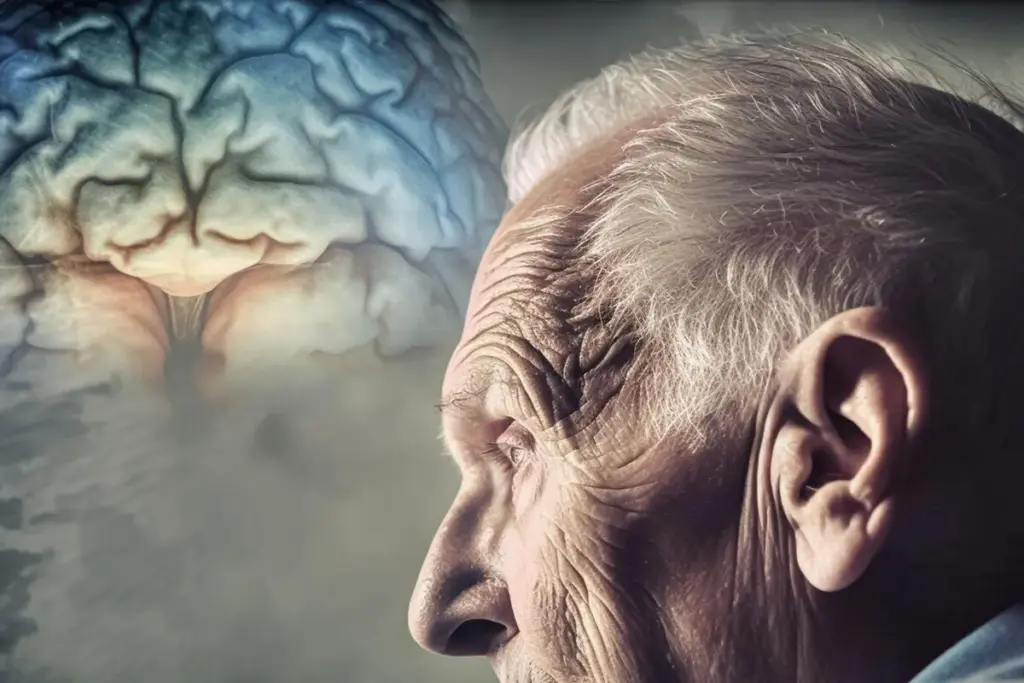
Dementia and Alzheimer’s are often confused with each other, but they are different. Knowing the difference is key for the right diagnosis and treatment. Dementia is a term that covers many brain disorders. These disorders affect memory, thinking, and daily activities.
Alzheimer’s disease is the main reason for dementia, causing 60-80% of cases. The National Institute on Aging says about 7.2 million Americans over 65 have Alzheimer’s. About 1 in 9 people in this age group are affected. For more on dementia, check out the.
Key Takeaways
- Dementia is a broad term that encompasses various cognitive disorders.
- Alzheimer’s disease is the most common cause of dementia.
- Understanding the difference between dementia and Alzheimer’s is key for accurate diagnosis.
- Alzheimer’s disease is a progressive and irreversible condition.
- Effective treatment and care depend on accurate diagnosis.
The Basics of Cognitive Disorders

The human brain changes as we age, sometimes leading to cognitive decline. It’s key to grasp these changes and their effects.
How the Brain Changes with Age
Aging brings various cognitive changes, from mild forgetfulness to severe dementia. As we age, our brains may process information slower and remember less. But, a big drop in cognitive function is not normal.
Some key changes include:
- Reduced neural connections
- Accumulation of amyloid plaques and tau tangles
- Increased inflammation
These changes can impact our thinking, but how much varies from person to person.
When Cognitive Changes Become Concerning
While some decline is expected, certain changes signal serious issues. Moderate to severe decline is rare, and 10-20% of mild cognitive impairment leads to dementia.
Signs to watch for include:
- Memory loss that disrupts daily life
- Challenges in planning or solving problems
- Difficulty with familiar tasks
Spotting these signs early is vital for timely help.
Understanding brain changes and when they’re concerning helps us tackle cognitive disorders better.
Defining Dementia: The Umbrella Term
Dementia is a term that covers many symptoms and conditions. It affects how we think and do daily tasks. It’s not one disease but a group of symptoms like memory loss and trouble solving problems.
It’s a decline in thinking skills and daily tasks. This decline can be different for everyone. It affects not just the person but also their family and caregivers.
What Constitutes Dementia
Dementia is when thinking skills decline a lot and affect daily life. This can include memory loss and trouble with language and solving problems. Doctors diagnose it with a detailed check-up.
The decline in thinking skills can show in many ways. This includes memory loss, trouble finding words, and changes in mood or behavior.
Common Symptoms Across Dementia Types
Many people with dementia share common symptoms. These include memory loss, confusion, and trouble with communication. Knowing these symptoms helps in caring for them.
Recent data shows dementia affects about 5.6 million Americans. It’s not just Alzheimer’s disease. Understanding all types of dementia is key to better care.
|
Symptom |
Description |
|---|---|
|
Memory Loss |
Forgetting recent events, learning new information, or recalling familiar words and names. |
|
Communication Difficulty |
Struggling to find the right words, following or participating in conversations. |
|
Problem-Solving Challenges |
Difficulty with abstract thinking, making decisions, or judging time and space. |
“Dementia is a complex condition that requires a complete care plan. This includes medical treatment, lifestyle changes, and support for the person and their caregivers.”
Alzheimer’s Disease: A Specific Form of Dementia
Alzheimer’s disease is a specific and irreversible form of dementia. It is known for its progressive nature and distinct biological markers. It is the most common cause of dementia, making up 60-80% of cases.
Between 2000 and 2022, deaths from Alzheimer’s increased by 142%. This shows how important it is to understand Alzheimer’s. We need to find better ways to treat and manage it.
Unique Characteristics of Alzheimer’s
Alzheimer’s disease starts with mild memory loss and gets worse over time. It affects memory, thinking, and behavior. This makes it hard for people to do everyday tasks.
The disease is marked by amyloid plaques and tau tangles in the brain. These changes kill brain cells and make the disease progress.
Biological Markers and Brain Changes
Biological markers play a crucial role in identifying Alzheimer’s, with amyloid-beta plaques and neurofibrillary tangles being significant indicators. Changes in the brain, like hippocampal atrophy, can also be seen with MRI.
Knowing about these markers and brain changes helps us develop better tests and treatments. Research into Alzheimer’s is helping us understand it better. This knowledge can lead to new treatments.
The Key Difference Between Dementia and Alzheimer’s
It’s important to know the difference between dementia and Alzheimer’s for the right treatment. These terms are often mixed up, but they mean different things in the world of brain health.
Relationship Explained: Categories vs. Specific Disease
Dementia is a broad term for symptoms like memory loss and confusion. It’s not a single disease but a group of symptoms caused by different things. Alzheimer’s disease, though, is a specific type of dementia that makes up 60-80% of cases.
Key characteristics of Alzheimer’s disease include:
- Progressive memory loss
- Difficulty with problem-solving and judgment
- Changes in mood and personality
- Difficulty with communication
Why the Distinction Matters for Treatment
Knowing if someone has dementia or Alzheimer’s is key for the right treatment. This knowledge helps doctors:
- Choose the right medicines and therapies
- Give more accurate predictions of how the disease will progress
- Help make lifestyle changes and support plans
Dementia costs a lot, with the U.S. facing a $781 billion bill by 2025. Accurate diagnosis and treatment can lower these costs by improving care and reducing the need for long-term care.
By understanding the difference between dementia and Alzheimer’s, we can offer better care to patients and their families. This means giving them the right support and resources.
Prevalence Statistics in the United States
It’s important to know the numbers behind Alzheimer’s and dementia. These diseases affect many people, their families, and the healthcare system. Understanding the numbers helps us tackle these issues.
Alzheimer’s by the Numbers: 7.2 Million Americans
About 7.2 million Americans over 65 have Alzheimer’s dementia. This shows how big of a problem it is. As we get older, the chance of getting Alzheimer’s goes up. Knowing the prevalence statistics helps us prepare for the future.
For more info, check out the Alzheimer’s Association. They have lots of data on Alzheimer’s and dementia. Their shows how many people are affected.
Dementia Beyond Alzheimer’s: The Other 20-40%
Dementia isn’t just Alzheimer’s. It includes many other brain disorders. Alzheimer’s is a big part, but others like vascular dementia and Lewy body dementia make up 20-40%. This shows we need to understand and treat each type differently.
Dementia affects around 5.6 million Americans. Not all of it is Alzheimer’s. Knowing the different types helps us give better care and support.
Risk Factors and Causes
Understanding dementia and Alzheimer’s is key to finding ways to prevent and treat them. We see that genetics, lifestyle, and environment all play a part.
Common Risk Factors for Dementia
Many things can increase your chance of getting dementia. These include:
- Age: The risk goes up after 65.
- Family History: If a close relative has dementia, you’re at higher risk.
- Medical Conditions: Diabetes, high blood pressure, and obesity can be risks.
- Lifestyle Factors: Not moving enough, smoking, and bad eating can also raise your risk.
Studies show that some medicines might help prevent dementia. This shows how health treatments and brain health are connected.
Specific Causes of Alzheimer’s Disease
Alzheimer’s is caused by amyloid-beta plaques and tau tangles in the brain. These harm brain cells and lead to memory loss. The exact cause is not known, but research points to:
- Genetic mutations in APP, PSEN1, and PSEN2 genes leading to early Alzheimer’s.
- Age and family history are big risks.
- Lifestyle and environmental factors, like not moving and pollution, might also matter.
Genetic vs. Environmental Factors
The debate on genetics vs. environment in dementia and Alzheimer’s is ongoing. Both seem to play a role. Knowing this helps us find better ways to help.
|
Risk Factor |
Dementia |
Alzheimer’s |
|---|---|---|
|
Age |
Strongly associated |
Strongly associated |
|
Family History |
Increases risk |
Increases risk |
|
Genetic Mutations |
Rarely direct cause |
Can cause early-onset |
|
Lifestyle Factors |
Significant impact |
Potential impact |
Recognizing Alzheimer’s Symptoms
It’s key for patients and caregivers to know about Alzheimer’s symptoms. This disease shows many signs, like memory loss and mood changes. These signs get worse over time.
Early Warning Signs
Finding Alzheimer’s early is very important. Look out for these signs:
- Memory loss that affects daily life
- Struggling to plan or solve problems
- Getting confused about time or place
- Having trouble understanding pictures or space
- Problems with speaking or writing
Apathy is also a big symptom, but it’s often missed. Knowing these signs helps get medical help sooner.
Middle Stage Symptoms
When Alzheimer’s gets to its middle stage, symptoms get worse. People may:
- Forget more and get confused
- Have trouble with words and talking
- Show mood changes, like being suspicious or withdrawn
- Need help with everyday tasks and personal care
It’s important for caregivers to offer support and understanding during this time.
Late Stage Manifestations
In the late stage, Alzheimer’s symptoms are very severe. People may:
- Not be able to respond to their surroundings
- Have trouble speaking or communicating
- Need constant help with daily care
- See big changes in physical skills, like walking or swallowing
At this point, the focus is on comfort, pain management, and keeping the person’s well-being in mind.
Symptoms of Other Dementia Types
Alzheimer’s disease is well-known, but other types like vascular dementia, Lewy body dementia, and frontotemporal dementia have unique symptoms. Understanding these symptoms is important for diagnosis and care.
Vascular Dementia Symptoms
Vascular dementia is the second most common dementia type. It happens when blood flow to the brain is reduced, often due to a stroke or small vessel disease.
- Cognitive symptoms include confusion, disorientation, and trouble concentrating and remembering things.
- Physical symptoms may be weakness or paralysis in limbs, vision changes, and trouble with coordination and balance.
Early detection is key because managing vascular risk factors can slow the disease’s progress.
Lewy Body Dementia Symptoms
Lewy body dementia is marked by abnormal protein clumps called Lewy bodies in the brain.
- Visual hallucinations are a key symptom, often appearing early in the disease.
- Fluctuating cognitive function, with big changes in alertness and attention.
- Motor symptoms similar to Parkinson’s disease, like tremors and stiffness.
Knowing these symptoms helps in telling Lewy body dementia apart from other dementias.
Frontotemporal Dementia Symptoms
Frontotemporal dementia includes disorders with the degeneration of the frontal and temporal lobes of the brain.
- Changes in personality, behavior, and social conduct are common, like apathy, disinhibition, or compulsive behaviors.
- Language difficulties, including speaking, understanding, reading, and writing.
- Motor symptoms, such as weakness or tremors, may also occur.
Early diagnosis is key to managing symptoms well and improving life quality for patients and their families.
Diagnostic Approaches
Diagnosing dementia and Alzheimer’s needs a detailed approach. It includes many evaluation methods. Getting the diagnosis right is key for good treatment and care.
General Evaluation for Dementia
The first step is a detailed medical history and physical check-up. This helps find any health issues that might cause thinking problems. We use tests to see how well the patient thinks and functions.
The Brief Dimensional Apathy Scale (b-DAS) is used to check for apathy in those with thinking problems. Apathy is common in dementia and Alzheimer’s. It helps us understand the patient better.
Specific Tests for Alzheimer’s
For Alzheimer’s, we use special tests to check memory, language, and problem-solving skills. These tests show how much thinking ability has dropped and how it affects daily life.
We also look at biomarkers like amyloid-beta and tau proteins in the cerebrospinal fluid. Advanced imaging, like PET scans, helps see amyloid plaques and tau tangles in the brain. This helps confirm the diagnosis.
Differential Diagnosis Challenges
Distinguishing Alzheimer’s from other dementias is important. It means ruling out other possible causes of thinking problems. This includes vascular dementia, Lewy body dementia, or frontotemporal dementia.
The hard part is that symptoms can look similar across different dementias. A detailed diagnostic process, including clinical checks, lab tests, and imaging, helps get the right diagnosis.
Other Types of Dementia in Detail
It’s important to know about different types of dementia. This knowledge helps in giving the right care and support. Alzheimer’s disease is the most common, but others like vascular dementia, Lewy body dementia, frontotemporal dementia, and mixed dementia also affect many people.
Vascular Dementia
Vascular dementia is the second most common dementia after Alzheimer’s. It happens when blood flow to the brain is reduced. This can be due to a stroke or small vessel disease.
The symptoms can change based on the brain area affected. They often include trouble with planning, decision-making, and memory.
Lewy Body Dementia
Lewy body dementia (LBD) is marked by abnormal protein clumps in the brain. Symptoms include visual hallucinations, changes in cognitive function, and motor symptoms like Parkinson’s disease.
Frontotemporal Dementia
Frontotemporal dementia (FTD) affects the frontal and temporal lobes of the brain. It leads to changes in personality, behavior, and language skills.
Mixed Dementia
Mixed dementia combines Alzheimer’s disease with other types like vascular dementia or Lewy body dementia. This mix makes symptoms harder to diagnose and manage.
|
Type of Dementia |
Primary Characteristics |
Common Symptoms |
|---|---|---|
|
Vascular Dementia |
Reduced blood flow to the brain |
Difficulty with planning, decision-making, memory |
|
Lewy Body Dementia |
Abnormal protein clumps in the brain |
Visual hallucinations, fluctuating cognitive function, motor symptoms |
|
Frontotemporal Dementia |
Affects frontal and temporal lobes |
Changes in personality, behavior, language abilities |
|
Mixed Dementia |
Combination of Alzheimer’s and other dementias |
Complex presentation of symptoms from combined conditions |
Treatment Options and Management
For those with dementia and Alzheimer’s, a detailed treatment plan is key. It must include medical treatments, therapies, and lifestyle changes. This approach helps manage the conditions effectively.
Medications for Alzheimer’s
There’s no cure for Alzheimer’s yet, but medicines can help. Cholinesterase inhibitors like donepezil and rivastigmine boost brain function. Memantine helps control glutamate, a key neurotransmitter.
Studies show mixing these medicines can work better than using one alone. A study in the Journal of Alzheimer’s Disease found that donepezil and memantine together helped patients with Alzheimer’s.
|
Medication |
Mechanism of Action |
Primary Use |
|---|---|---|
|
Donepezil |
Cholinesterase inhibitor |
Improving cognitive function |
|
Memantine |
NMDA receptor antagonist |
Regulating glutamate |
|
Rivastigmine |
Cholinesterase inhibitor |
Improving cognitive function |
Therapies for Various Dementias
Therapies are also vital in managing dementia and Alzheimer’s. Cognitive-behavioral therapy (CBT) and cognitive stimulation therapy (CST) enhance brain function. Occupational therapy helps keep daily skills sharp.
Lifestyle Interventions
Lifestyle changes are a big part of managing dementia and Alzheimer’s. The MIND diet, full of fruits, veggies, and whole grains, can slow cognitive decline. Exercise, like walking or swimming, boosts heart health and brain function.
Adding these lifestyle changes to a treatment plan can greatly improve life for those with dementia and Alzheimer’s.
Caregiving Challenges and Strategies
Dementia and Alzheimer’s are becoming more common. This makes it vital to have good caregiving strategies. Caregivers help patients with these diseases, meeting their needs and improving their lives.
Caring for someone with dementia or Alzheimer’s is complex. It involves emotional support, daily tasks, and dealing with the healthcare system. Apathy is a big challenge. It makes patients seem uninterested and hard to connect with.
Supporting Alzheimer’s Patients
It’s key to tailor care for Alzheimer’s patients. This means setting up a daily routine, using memory aids, and encouraging them to be independent. Keeping their physical health up with exercise and a good diet is also important.
Good communication is vital. Use simple language and validate their feelings to reduce stress. Emotional support is also key, making them feel valued and understood.
|
Caregiving Strategies |
Benefits |
|---|---|
|
Structured Daily Routine |
Reduces confusion and anxiety |
|
Memory Aids |
Assists with memory loss |
|
Regular Exercise |
Maintains physical health |
Approaches for Other Dementias
Alzheimer’s is the most common dementia, but others like vascular dementia need special care. Knowing the symptoms of each type helps in creating the right care plan.
For vascular dementia, managing blood pressure and diabetes is key. Lewy body dementia requires strategies for its changing symptoms and hallucinations.
By focusing on the person’s needs, caregivers can greatly enhance their quality of life. It’s also vital for caregivers to get support, as caring can be very tough.
The Economic Impact of Cognitive Disorders
Cognitive disorders like dementia and Alzheimer’s disease are a big worry for healthcare and families worldwide. They have a huge economic effect, affecting not just the person but also families, healthcare, and society.
The costs of cognitive disorders are complex. They include direct medical expenses, care costs, and lost productivity.
Healthcare Costs: $781 Billion Annual Burden
The U.S. is expected to spend $781 billion on dementia by 2025. This shows the huge financial load on healthcare. It’s clear we need better ways to manage and treat these conditions to reduce costs.
Societal and Family Impact
Cognitive disorders also affect families and society deeply. Caring for someone with dementia or Alzheimer’s can be very hard on family members. It can cause emotional, physical, and financial stress.
The loss of productivity among caregivers is a big issue. They might have to change their work hours or quit their jobs. This affects their financial stability and has bigger effects on the workforce and economy.
The emotional burden on families and caregivers is huge. They need support, respite care, and counseling to deal with these challenges.
Research Advancements and Future Directions
Research into Alzheimer’s and other dementias is making great strides. New insights are emerging that could lead to better care and treatments. Ongoing studies are key to finding effective treatments and improving care for those with dementia and Alzheimer’s.
Promising Alzheimer’s Research
Recent research on Alzheimer’s has been exciting. It focuses on understanding the disease’s biological mechanisms. Researchers are looking into different treatments, including medicines and lifestyle changes.
Key Areas of Research:
- Investigating biomarkers for early detection
- Developing targeted therapies to slow disease progression
- Exploring the role of genetics in Alzheimer’s
One promising area is using advanced imaging to spot Alzheimer’s early. This could lead to earlier treatment.
Developments in Other Dementias
Research on other dementias is also moving forward. We’re learning more about each type’s unique characteristics. This knowledge is vital for creating targeted treatments.
|
Dementia Type |
Current Research Focus |
Potential Treatments |
|---|---|---|
|
Vascular Dementia |
Risk factor management, lifestyle interventions |
Medications to manage symptoms, lifestyle changes |
|
Lewy Body Dementia |
Understanding disease pathology, symptom management |
Cholinesterase inhibitors, memantine |
|
Frontotemporal Dementia |
Genetic studies, behavioral interventions |
Speech therapy, behavioral management strategies |
These breakthroughs highlight the need for ongoing research into Alzheimer’s and other dementias. They offer hope for better treatments and care in the future.
Prevention Strategies and Risk Reduction
Making lifestyle changes and starting early can help prevent dementia and Alzheimer’s. It’s important to know how these diseases work.
Lifestyle Factors
Some lifestyle choices can lower the risk of losing cognitive function. These include:
- Diet: Eating foods rich in fruits, veggies, and omega-3s is good for the brain.
- Exercise: Staying active can cut down the risk of dementia and Alzheimer’s.
- Cognitive Stimulation: Doing brain-stimulating activities can build up mental reserves.
- Social Engagement: Keeping social connections and strong relationships is good for overall health.
A study in the Journal of Alzheimer’s Disease found that diet, exercise, and brain activities can lower cognitive decline risk by up to 50% (1).
Early Intervention Approaches
Starting early is key in managing dementia and Alzheimer’s. This includes:
- Regular Health Check-Ups: Keeping an eye on health markers like blood pressure and cholesterol.
- Managing Chronic Conditions: Handling conditions like diabetes and high blood pressure well.
- Cognitive Assessments: Regular tests to spot early changes in thinking.
“Early intervention is key to managing dementia and Alzheimer’s. By identifying risk factors and implementing preventive measures, we can potentially delay or even prevent the onset of these conditions.”
Ongoing Research in Prevention
Research is ongoing to understand how genetics, lifestyle, and environment affect dementia and Alzheimer’s. Some promising areas include:
|
Research Area |
Potential Impact |
|---|---|
|
Genetic Studies |
Identifying genetic markers for early intervention |
|
Lifestyle Interventions |
Developing targeted lifestyle interventions for high-risk individuals |
|
Pharmacological Approaches |
Exploring possible drug treatments for prevention |
As research keeps growing, we’ll see better ways to prevent dementia and Alzheimer’s.
Conclusion: Understanding the Distinction for Better Care
It’s key to know the difference between dementia and Alzheimer’s disease for better care. This knowledge helps us create specific treatment plans. It also improves how well patients do.
At Liv Hospital, we aim to give top-notch healthcare to international patients. Our team works hard to give personalized care to those with cognitive issues. We make sure they get the best treatment.
Knowing the difference between dementia and Alzheimer’s helps us meet each patient’s needs. This understanding leads to better care. It makes life better for those with these conditions.
FAQ
What is the main difference between dementia and Alzheimer’s disease?
Dementia is a term for many cognitive disorders. Alzheimer’s disease is a specific type of dementia. Knowing the difference is key for the right diagnosis and treatment.
What are the common symptoms of dementia?
Common dementia symptoms include memory loss and confusion. You might also have trouble with communication and see changes in behavior. The symptoms vary by type of dementia.
What is Alzheimer’s disease, and how does it affect the brain?
Alzheimer’s disease is a brain disorder that gets worse over time. It causes the brain to shrink and brain cells to die. This happens because of amyloid plaques and tau tangles in the brain, leading to memory loss.
What are the risk factors for developing dementia and Alzheimer’s disease?
Age and family history are big risks for dementia. Lifestyle choices like not exercising and smoking also play a part. Alzheimer’s disease can be caused by genetic mutations and environmental factors.
How is dementia diagnosed, and what are the diagnostic approaches?
Diagnosing dementia means looking at your medical history and doing physical exams. You’ll also have lab tests and cognitive assessments. For Alzheimer’s, imaging studies and biomarker tests might be used.
What are the treatment options for dementia and Alzheimer’s disease?
Treatments for dementia and Alzheimer’s include medicines and therapies. Medicines help manage symptoms. Therapies like cognitive training and behavioral therapy can improve life quality.
How can caregivers support patients with Alzheimer’s disease and other dementias?
Caregivers can offer emotional support and help with daily tasks. They can also manage medications. Creating a safe environment and encouraging social interaction are key. Don’t forget to seek respite care when needed.
What is the economic impact of cognitive disorders, and how can it be addressed?
Cognitive disorders like dementia and Alzheimer’s cost a lot, about $781 billion a year. To tackle this, we need research, education, and support for patients and caregivers.
What are the latest research advancements in Alzheimer’s disease and other dementias?
New treatments for Alzheimer’s and other dementias are being developed. We’re also learning more about what causes these conditions.
How can the risk of developing dementia and Alzheimer’s disease be reduced?
To lower dementia and Alzheimer’s risk, focus on lifestyle. This includes exercise, socializing, and eating well. Early intervention, like cognitive training, is also important.
References:
• National Institute on Aging. (2023). What Is Dementia? Symptoms, Types, and Diagnosis. https://www.nia.nih.gov/health/alzheimers-and-dementia/what-dementia-symptoms-types-and-diagnosis
Schwartz, K. (2023). Advances in Nanomaterial-Mediated Photothermal Cancer Therapies. https://pmc.ncbi.nlm.nih.gov/articles/PMC8002224/