Last Updated on November 27, 2025 by Bilal Hasdemir
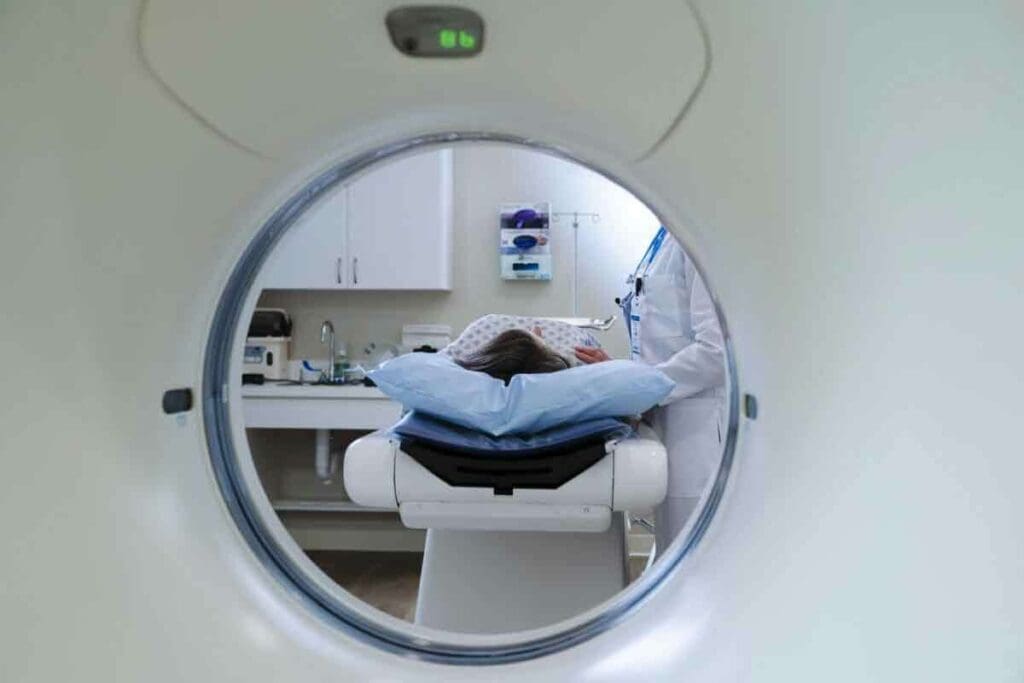
Radiation therapy is a key part of cancer treatment. It uses high-energy beams to hit the DNA in cancer cells. Almost half of all cancer patients get radiation therapy as part of their treatment. There are different types of radiation treatment, including external beam radiation, internal radiation (brachytherapy), stereotactic body radiation therapy (SBRT), and proton therapy, each designed to target cancer cells effectively while minimizing damage to healthy tissue.
At Liv Hospital, we aim to give top-notch care. We use the latest tech and tailor plans for each patient. This helps them navigate modern radiotherapy.
Understanding the different radiation treatment modalities can be tough. We want to give patients the knowledge they need. This way, they can feel more ready and confident about their treatment.
We’ll look at the many types of cancer radiation treatments. This includes external beam radiation therapy, brachytherapy, and stereotactic radiosurgery. We aim to cover all the options available.
Key Takeaways
- Radiation therapy is a common cancer treatment, used by nearly half of all cancer patients.
- Liv Hospital provides advanced radiation therapy with international standards of care.
- Various radiation treatment modalities are available, tailored to specific tumor types and patient needs.
- Understanding the different types of radiation therapy can help patients feel more confident about their treatment.
- External beam radiation therapy, brachytherapy, and stereotactic radiosurgery are among the types of radiation treatment.
The Science Behind Radiation Therapy for Cancer
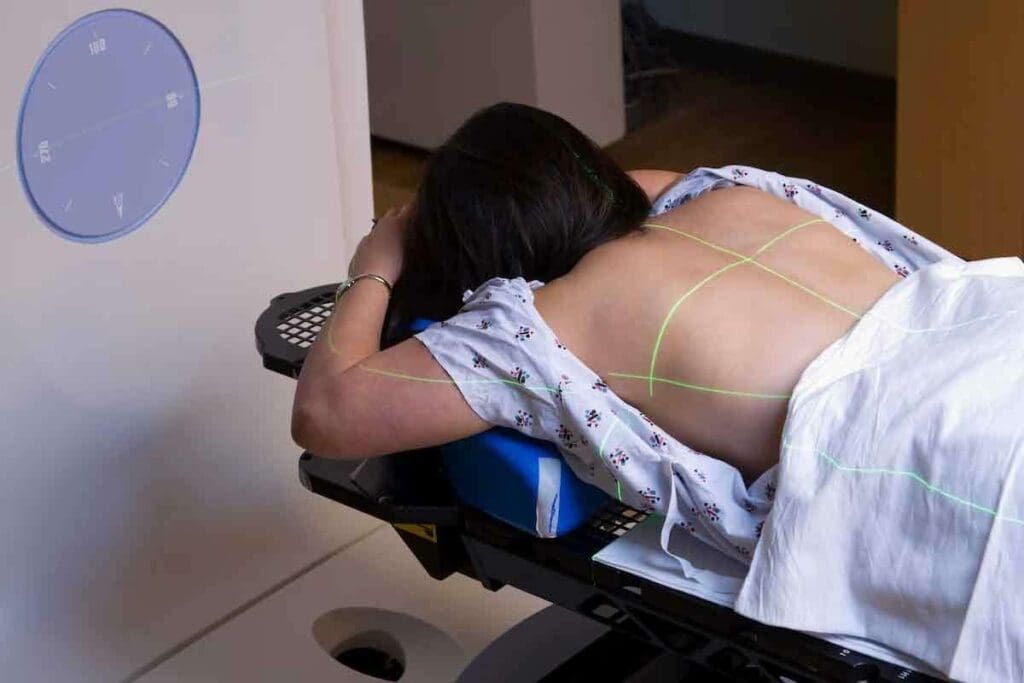
Radiation therapy is a key part of cancer treatment. It uses high-energy beams to hit the DNA in cancer cells. Almost half of all cancer patients get radiation therapy as part of their treatment.
At Liv Hospital, we aim to give top-notch care. We use the latest tech and tailor plans for each patient. This helps them navigate modern radiotherapy.
Understanding the different radiation treatment modalities can be tough. We want to give patients the knowledge they need. This way, they can feel more ready and confident about their treatment.
We’ll look at the many types of cancer radiation treatments. This includes external beam radiation therapy, brachytherapy, and stereotactic radiosurgery. We aim to cover all the options available.
Key Takeaways
- Radiation therapy is a common cancer treatment, used by nearly half of all cancer patients.
- Liv Hospital provides advanced radiation therapy with international standards of care.
- Various radiation treatment modalities are available, tailored to specific tumor types and patient needs.
- Understanding the different types of radiation therapy can help patients feel more confident about their treatment.
- External beam radiation therapy, brachytherapy, and stereotactic radiosurgery are among the types of radiation treatment.
The Science Behind Radiation Therapy for Cancer

Radiation therapy is effective because it damages cancer cells’ DNA. This stops them from growing and spreading. It targets tumors precisely, protecting healthy tissue nearby.
How Radiation Damages Cancer Cells
Radiation therapy sends high-energy particles or waves to tumors. These can be X-rays, gamma rays, or proton beams. When these hit cancer cells’ DNA, they cause damage.
This damage stops cancer cells from dividing and growing. Over time, it kills them, shrinking the tumor.
The aim is to give enough dose to control or cure the tumor. But, we also want to keep the dose to normal tissues low. This helps avoid side effects.
The Evolution of Radiation Technology
Radiation therapy has changed a lot over the years. New technology has made it more precise and effective. Today, it uses imaging technologies like CT scans and MRI for planning and delivery.
This allows for better targeting of tumors and less harm to normal tissues. Techniques like Intensity-Modulated Radiation Therapy (IMRT) and Image-Guided Radiation Therapy (IGRT) are now common. They help patients get better results.
Treatment Planning and Preparation
Planning and preparing for radiation therapy is key. A team of experts works together. They include radiation oncologists, medical physicists, and radiation therapists.
They create a treatment plan that fits the patient’s needs. This involves simulation and imaging to define the treatment area. Then, they outline the dose and delivery method in detail.
External Beam Radiation Therapy (EBRT)
External Beam Radiation Therapy (EBRT) is a key part of cancer treatment. It’s a non-invasive way to target tumors. The treatment uses a machine to send radiation beams from outside the body to the tumor. It’s as painless as getting an X-ray.
Delivery Methods and Technology
EBRT uses advanced tech to send precise doses of radiation to tumors. It’s often given with a linear accelerator, which makes high-energy X-rays or electrons. Modern EBRT techniques include 3D Conformal Radiation Therapy, Intensity-Modulated Radiation Therapy (IMRT), and Image-Guided Radiation Therapy (IGRT). These methods help target tumors better and reduce side effects.
The treatment plan is made just for the patient. It considers the tumor’s type, size, and where it is. This way, the tumor gets the right dose of radiation, and healthy tissues are protected.
Common Cancer Types Treated with EBRT
EBRT works well for many cancers, such as:
- Breast cancer
- Prostate cancer
- Lung cancer
- Head and neck cancers
- Brain tumors
The choice of EBRT depends on the cancer’s stage, location, and the patient’s health. Many patients prefer EBRT because it’s non-invasive and effective in stopping tumor growth.
Treatment Schedule and Patient Experience
The treatment schedule for EBRT changes based on the cancer type and stage. Treatments are usually given daily, Monday through Friday, for weeks. Each session is short, lasting just a few minutes, but getting ready and positioned can take longer.
Patients lie on a table, and the radiation therapist makes sure they’re in the right spot. The experience is generally easy to handle, with little discomfort. But side effects can happen, depending on where the treatment is aimed.
During treatment, the patient’s radiation oncology team keeps a close eye. They manage side effects and check how well the treatment is working.
Brachytherapy: Internal Radiation Treatment
Brachytherapy is a treatment that focuses radiation on tumors. It uses small radioactive sources placed in or near the tumor. This method is effective for many types of cancer.
Temporary vs. Permanent Implants
Brachytherapy can be temporary or permanent. Temporary implants are in the body for a few days before being removed. This allows for high doses of radiation in a short time.
Permanent implants leave the radioactive material in the body. It emits radiation until it decays. This is often used for prostate cancer, providing a steady, low dose of radiation.
High-Dose vs. Low-Dose Rate Procedures
Brachytherapy can be high-dose rate (HDR) or low-dose rate (LDR). High-dose rate brachytherapy uses high intensity for a short time, needing multiple sessions. It’s used for many cancer types.
Low-dose rate brachytherapy gives a continuous, lower dose over a longer time. It’s often used for permanent implants, like in prostate cancer treatment.
Effectiveness for Prostate and Gynecological Cancers
Brachytherapy is very effective for prostate and gynecological cancers. For prostate cancer, it can be used alone or with external beam radiation. It’s precise, reducing damage to healthy tissues.
In gynecological cancers, brachytherapy treats tumors in the cervix, uterus, and vagina. It delivers high doses of radiation directly to the tumor. This improves outcomes and reduces side effects.
Stereotactic Radiosurgery for Precise Tumor Targeting
Stereotactic radiosurgery uses advanced imaging and robotics for precise radiation delivery. It’s great for small, well-defined tumors in the brain, spine, and other areas. This method is very effective.
Gamma Knife Technology for Brain Tumors
Gamma Knife radiosurgery is a special treatment for brain tumors. It uses cobalt to target tumors with precision, protecting healthy brain tissue. It’s perfect for tumors hard to reach surgically or near brain structures.
CyberKnife for Moving Tumors
CyberKnife treats tumors all over the body, even moving ones. It has a robotic arm that adjusts radiation beams in real-time. This makes it great for lung, liver, and pancreas tumors.
Single-Session vs. Fractionated Treatment
Stereotactic radiosurgery can be given in one session or over several. Single sessions are for small tumors, while fractionated sessions are for larger ones. The choice depends on tumor size, location, and patient health.
| Treatment Characteristics | Single-Session | Fractionated |
| Tumor Size | Typically smaller tumors | Can treat larger tumors |
| Delivery Schedule | One session | Multiple sessions |
| Tumor Location | Suitable for tumors away from critical structures | Can treat tumors near critical structures |
We employ Gamma Knife and CyberKnife for precise treatments. We tailor our approach to each patient and tumor. This ensures the best outcomes.
Intensity-Modulated Radiation Therapy (IMRT)
Intensity-Modulated Radiation Therapy (IMRT) is a modern way to treat cancer. It uses computers to control how much radiation is sent to the tumor. This method helps protect healthy tissues around the tumor.
Computer-Controlled Intensity Variation
IMRT works by changing the intensity of the radiation beams. Computers control this change, making sure the beams match the tumor’s shape. This helps deliver the right amount of radiation to the tumor.
Advanced algorithms help us adjust the radiation beams. These algorithms make sure the radiation is focused on the tumor. This way, we can protect the healthy tissues around it.
Protecting Healthy Tissues Near Complex Tumors
IMRT is great at protecting healthy tissues. It’s very useful for tumors that are hard to reach. By adjusting the radiation, we can avoid harming nearby important areas.
For example, IMRT can treat tumors near the spinal cord safely. It delivers a strong dose to the tumor but keeps the spinal cord safe. This is very important for tumors that are close to important structures.
Treatment Planning and Delivery Process
Planning for IMRT is very detailed. We start with CT scans to see the tumor and healthy tissues. Then, we use special software to plan the treatment.
When it’s time for treatment, the patient lies on a special table. The radiation machine moves around, sending beams from different angles. The intensity of these beams changes in real-time to follow the treatment plan.
| Key Features | Benefits |
| Computer-Controlled Intensity Variation | Precise radiation doses tailored to the tumor’s shape and size |
| Protection of Healthy Tissues | Minimized exposure to surrounding normal tissues, reducing possible side effects |
| Advanced Treatment Planning | Optimal treatment plans are designed using sophisticated software |
3D Conformal Radiation Therapy
We use 3D Conformal Radiation Therapy to target tumors with precision. This method minimizes harm to nearby tissues. It has greatly improved cancer treatment by being very accurate.
Using CT Scans for Treatment Mapping
3D Conformal Radiation Therapy depends on advanced imaging, like CT scans. These scans help us map the tumor and its surroundings. This mapping is key to treatment planning.
We take detailed CT scans of the tumor area. These images help us create a 3D model of the tumor. This model lets our team plan the best way to deliver radiation.
Shaping Radiation Beams to Match Tumor Contours
3D Conformal Radiation Therapy shapes radiation beams to fit the tumor’s shape. This is done with advanced software and hardware. They adjust the radiation’s intensity and shape.
This method ensures the tumor gets the most radiation while protecting healthy tissues. It leads to better treatment with fewer side effects.
Applications for Various Cancer Types
3D Conformal Radiation Therapy is effective for many cancers. It’s great for tumors in the brain, prostate, lung, and more. Its precision is key for tumors near important structures.
| Cancer Type | Benefits of 3D Conformal Radiation Therapy |
| Brain Tumors | Precise targeting spares surrounding brain tissue |
| Prostate Cancer | High doses can be delivered directly to the tumor |
| Lung Cancer | Minimizes damage to surrounding lung tissue |
As technology improves, 3D Conformal Radiation Therapy’s uses grow. It offers new hope for patients with tough-to-treat tumors.
Proton Therapy: Advanced Particle Treatment
Proton therapy is changing cancer treatment by aiming protons directly at tumors. This reduces harm to healthy tissue nearby. It’s a new way to fight cancer, using protons to target tumors.
The Bragg Peak Advantage
The Bragg peak is a big plus for proton therapy. Unlike X-rays, protons focus their energy at a specific point. This means less damage to healthy tissue around the tumor.
Key advantages of the Bragg peak include:
- Precise energy delivery
- Reduced damage to surrounding healthy tissues
- Potential for higher doses to the tumor
Ideal Cases: Pediatric Cancers and Base of Skull Tumors
Proton therapy is great for kids with cancer and tumors near the base of the skull. It helps protect growing tissues in kids. For tumors near the skull base, it allows for precise treatment.
Specific cases where proton therapy excels include:
- Pediatric brain tumors
- Skull base tumors
- Cancers in sensitive areas
Treatment Centers and Accessibility
Even though proton therapy is beneficial, it’s not as common as other treatments. More centers are opening, making it easier for patients to get it.
Considerations for treatment centers include:
- Investment in proton therapy technology
- Training for medical staff
- Patient access and insurance coverage
As proton therapy grows, we’ll see more improvements. It could become a common choice for some cancers.
Image-Guided Radiation Therapy (IGRT)
IGRT has changed cancer treatment by giving real-time feedback during therapy. It ensures tumors are targeted accurately. This method uses imaging and radiation together, allowing for precise adjustments during treatment.
Real-Time Tumor Tracking Technology
IGRT tracks tumors in real-time. It uses advanced imaging like X-ray, ultrasound, or electromagnetic tracking. This way, we can adjust the radiation beam to hit the tumor, even if it moves.
Real-time tracking helps us deal with changes in tumor position. It makes treatment more effective and safer for healthy tissues.
Accounting for Organ Movement and Position Changes
Tumors and organs can move during therapy. IGRT’s real-time imaging lets us adjust to these changes. This ensures the radiation hits the tumor exactly.
- Monitoring tumor movement in real-time
- Adjusting radiation beams
- Minimizing exposure to healthy tissues
This is key for tumors near important structures or in areas that move a lot, like the lungs or abdomen.
Integration with Other Radiation Techniques
IGRT works well with other radiation methods. For example, combining it with Intensity-Modulated Radiation Therapy (IMRT) makes radiation delivery more precise. It adapts to the tumor’s shape and position in real-time.
By mixing IGRT with other advanced therapies, we can create personalized treatment plans. These plans are tailored to each patient’s needs.
Different Types of Radiation Treatment for Specific Cancer Cases
Different types of radiation treatment are used for specific cancers. This depends on the tumor’s characteristics. Radiation therapy is a key part of treating many cancers. It uses various techniques based on the tumor’s type and location.
Breast Cancer: Whole Breast vs. Partial Breast Irradiation
For breast cancer, there are different radiation treatments. Whole breast irradiation treats the whole breast. Partial breast irradiation targets just the area around the tumor. The choice depends on the cancer’s stage, tumor size, and what the patient prefers.
- Whole breast irradiation is often used after a lumpectomy to kill any remaining cancer cells.
- Partial breast irradiation is usually for early-stage breast cancer. It’s a shorter treatment.
Prostate Cancer: External vs. Internal Options
Prostate cancer treatment uses different radiation methods. External Beam Radiation Therapy (EBRT) sends radiation from outside the body. Brachytherapy places radioactive material inside the prostate.
- EBRT is non-invasive and can be shaped to fit the prostate.
- Brachytherapy delivers high doses of radiation directly to the tumor. This helps protect surrounding tissues.
Lung Cancer: Respiratory Motion Management
Lung cancer radiation therapy must account for breathing motion. Techniques like breath-holding and respiratory gating help target the tumor accurately.
“Effective radiation therapy for lung cancer requires precise targeting and adaptation to tumor motion.”
Brain Tumors: Preserving Cognitive Function
When treating brain tumors, doctors aim to keep cognitive function intact. Techniques like stereotactic radiosurgery deliver precise radiation doses. This minimizes damage to the surrounding brain.
- Stereotactic radiosurgery is used for small, well-defined brain tumors.
- Fractionated radiation therapy is used for larger tumors or those in sensitive areas.
By tailoring radiation treatment to the specific cancer, we can improve results and reduce side effects. The choice of technique depends on the cancer’s stage, size, and the patient’s health.
Conclusion: Selecting the Right Radiation Approach
Choosing the right radiation treatment is key to fighting cancer. The type of radiation therapy needed depends on the tumor’s location and the patient’s health.
We’ve looked at many radiation treatments. These include external beam radiation, brachytherapy, and proton therapy. Each has its own benefits and uses.
Knowing about these treatments helps patients and doctors create a plan that’s just right. They can use different types of radiation together for the best results.
Success in radiation treatment comes from picking the best option for each patient. We must consider the cancer’s details and the patient’s health carefully.
Radiation therapy is effective because it damages cancer cells’ DNA. This stops them from growing and spreading. It targets tumors precisely, protecting healthy tissue nearby.
How Radiation Damages Cancer Cells
Radiation therapy sends high-energy particles or waves to tumors. These can be X-rays, gamma rays, or proton beams. When these hit cancer cells’ DNA, they cause damage.
This damage stops cancer cells from dividing and growing. Over time, it kills them, shrinking the tumor.
The aim is to give enough dose to control or cure the tumor. But, we also want to keep the dose to normal tissues low. This helps avoid side effects.
The Evolution of Radiation Technology
Radiation therapy has changed a lot over the years. New technology has made it more precise and effective. Today, it uses imaging technologies like CT scans and MRI for planning and delivery.
This allows for better targeting of tumors and less harm to normal tissues. Techniques like Intensity-Modulated Radiation Therapy (IMRT) and Image-Guided Radiation Therapy (IGRT) are now common. They help patients get better results.
Treatment Planning and Preparation
Planning and preparing for radiation therapy is key. A team of experts works together. They include radiation oncologists, medical physicists, and radiation therapists.
They create a treatment plan that fits the patient’s needs. This involves simulation and imaging to define the treatment area. Then, they outline the dose and delivery method in detail.
External Beam Radiation Therapy (EBRT)
External Beam Radiation Therapy (EBRT) is a key part of cancer treatment. It’s a non-invasive way to target tumors. The treatment uses a machine to send radiation beams from outside the body to the tumor. It’s as painless as getting an X-ray.
Delivery Methods and Technology
EBRT uses advanced tech to send precise doses of radiation to tumors. It’s often given with a linear accelerator, which makes high-energy X-rays or electrons. Modern EBRT techniques include 3D Conformal Radiation Therapy, Intensity-Modulated Radiation Therapy (IMRT), and Image-Guided Radiation Therapy (IGRT). These methods help target tumors better and reduce side effects.
The treatment plan is made just for the patient. It considers the tumor’s type, size, and where it is. This way, the tumor gets the right dose of radiation, and healthy tissues are protected.
Common Cancer Types Treated with EBRT
EBRT works well for many cancers, such as:
- Breast cancer
- Prostate cancer
- Lung cancer
- Head and neck cancers
- Brain tumors
The choice of EBRT depends on the cancer’s stage, location, and the patient’s health. Many patients prefer EBRT because it’s non-invasive and effective in stopping tumor growth.
Treatment Schedule and Patient Experience
The treatment schedule for EBRT changes based on the cancer type and stage. Treatments are usually given daily, Monday through Friday, for weeks. Each session is short, lasting just a few minutes, but getting ready and positioned can take longer.
Patients lie on a table, and the radiation therapist makes sure they’re in the right spot. The experience is generally easy to handle, with little discomfort. But side effects can happen, depending on where the treatment is aimed.
During treatment, the patient’s radiation oncology team keeps a close eye. They manage side effects and check how well the treatment is working.
Brachytherapy: Internal Radiation Treatment
Brachytherapy is a treatment that focuses radiation on tumors. It uses small radioactive sources placed in or near the tumor. This method is effective for many types of cancer.
Temporary vs. Permanent Implants
Brachytherapy can be temporary or permanent. Temporary implants are in the body for a few days before being removed. This allows for high doses of radiation in a short time.
Permanent implants leave the radioactive material in the body. It emits radiation until it decays. This is often used for prostate cancer, providing a steady, low dose of radiation.
High-Dose vs. Low-Dose Rate Procedures
Brachytherapy can be high-dose rate (HDR) or low-dose rate (LDR). High-dose rate brachytherapy uses high intensity for a short time, needing multiple sessions. It’s used for many cancer types.
Low-dose rate brachytherapy gives a continuous, lower dose over a longer time. It’s often used for permanent implants, like in prostate cancer treatment.
Effectiveness for Prostate and Gynecological Cancers
Brachytherapy is very effective for prostate and gynecological cancers. For prostate cancer, it can be used alone or with external beam radiation. It’s precise, reducing damage to healthy tissues.
In gynecological cancers, brachytherapy treats tumors in the cervix, uterus, and vagina. It delivers high doses of radiation directly to the tumor. This improves outcomes and reduces side effects.
Stereotactic Radiosurgery for Precise Tumor Targeting
Stereotactic radiosurgery uses advanced imaging and robotics for precise radiation delivery. It’s great for small, well-defined tumors in the brain, spine, and other areas. This method is very effective.
Gamma Knife Technology for Brain Tumors
Gamma Knife radiosurgery is a special treatment for brain tumors. It uses cobalt to target tumors with precision, protecting healthy brain tissue. It’s perfect for tumors hard to reach surgically or near brain structures.
CyberKnife for Moving Tumors
CyberKnife treats tumors all over the body, even moving ones. It has a robotic arm that adjusts radiation beams in real-time. This makes it great for lung, liver, and pancreas tumors.
Single-Session vs. Fractionated Treatment
Stereotactic radiosurgery can be given in one session or over several. Single sessions are for small tumors, while fractionated sessions are for larger ones. The choice depends on tumor size, location, and patient health.
| Treatment Characteristics | Single-Session | Fractionated |
| Tumor Size | Typically smaller tumors | Can treat larger tumors |
| Delivery Schedule | One session | Multiple sessions |
| Tumor Location | Suitable for tumors away from critical structures | Can treat tumors near critical structures |
We employ Gamma Knife and CyberKnife for precise treatments. We tailor our approach to each patient and tumor. This ensures the best outcomes.
Intensity-Modulated Radiation Therapy (IMRT)
Intensity-Modulated Radiation Therapy (IMRT) is a modern way to treat cancer. It uses computers to control how much radiation is sent to the tumor. This method helps protect healthy tissues around the tumor.
Computer-Controlled Intensity Variation
IMRT works by changing the intensity of the radiation beams. Computers control this change, making sure the beams match the tumor’s shape. This helps deliver the right amount of radiation to the tumor.
Advanced algorithms help us adjust the radiation beams. These algorithms make sure the radiation is focused on the tumor. This way, we can protect the healthy tissues around it.
Protecting Healthy Tissues Near Complex Tumors
IMRT is great at protecting healthy tissues. It’s very useful for tumors that are hard to reach. By adjusting the radiation, we can avoid harming nearby important areas.
For example, IMRT can treat tumors near the spinal cord safely. It delivers a strong dose to the tumor but keeps the spinal cord safe. This is very important for tumors that are close to important structures.
Treatment Planning and Delivery Process
Planning for IMRT is very detailed. We start with CT scans to see the tumor and healthy tissues. Then, we use special software to plan the treatment.
When it’s time for treatment, the patient lies on a special table. The radiation machine moves around, sending beams from different angles. The intensity of these beams changes in real-time to follow the treatment plan.
| Key Features | Benefits |
| Computer-Controlled Intensity Variation | Precise radiation doses tailored to the tumor’s shape and size |
| Protection of Healthy Tissues | Minimized exposure to surrounding normal tissues, reducing possible side effects |
| Advanced Treatment Planning | Optimal treatment plans are designed using sophisticated software |
3D Conformal Radiation Therapy
We use 3D Conformal Radiation Therapy to target tumors with precision. This method minimizes harm to nearby tissues. It has greatly improved cancer treatment by being very accurate.
Using CT Scans for Treatment Mapping
3D Conformal Radiation Therapy depends on advanced imaging, like CT scans. These scans help us map the tumor and its surroundings. This mapping is key to treatment planning.
We take detailed CT scans of the tumor area. These images help us create a 3D model of the tumor. This model lets our team plan the best way to deliver radiation.
Shaping Radiation Beams to Match Tumor Contours
3D Conformal Radiation Therapy shapes radiation beams to fit the tumor’s shape. This is done with advanced software and hardware. They adjust the radiation’s intensity and shape.
This method ensures the tumor gets the most radiation while protecting healthy tissues. It leads to better treatment with fewer side effects.
Applications for Various Cancer Types
3D Conformal Radiation Therapy is effective for many cancers. It’s great for tumors in the brain, prostate, lung, and more. Its precision is key for tumors near important structures.
| Cancer Type | Benefits of 3D Conformal Radiation Therapy |
| Brain Tumors | Precise targeting spares surrounding brain tissue |
| Prostate Cancer | High doses can be delivered directly to the tumor |
| Lung Cancer | Minimizes damage to surrounding lung tissue |
As technology improves, 3D Conformal Radiation Therapy’s uses grow. It offers new hope for patients with tough-to-treat tumors.
Proton Therapy: Advanced Particle Treatment
Proton therapy is changing cancer treatment by aiming protons directly at tumors. This reduces harm to healthy tissue nearby. It’s a new way to fight cancer, using protons to target tumors.
The Bragg Peak Advantage
The Bragg peak is a big plus for proton therapy. Unlike X-rays, protons focus their energy at a specific point. This means less damage to healthy tissue around the tumor.
Key advantages of the Bragg peak include:
- Precise energy delivery
- Reduced damage to surrounding healthy tissues
- Potential for higher doses to the tumor
Ideal Cases: Pediatric Cancers and Base of Skull Tumors
Proton therapy is great for kids with cancer and tumors near the base of the skull. It helps protect growing tissues in kids. For tumors near the skull base, it allows for precise treatment.
Specific cases where proton therapy excels include:
- Pediatric brain tumors
- Skull base tumors
- Cancers in sensitive areas
Treatment Centers and Accessibility
Even though proton therapy is beneficial, it’s not as common as other treatments. More centers are opening, making it easier for patients to get it.
Considerations for treatment centers include:
- Investment in proton therapy technology
- Training for medical staff
- Patient access and insurance coverage
As proton therapy grows, we’ll see more improvements. It could become a common choice for some cancers.
Image-Guided Radiation Therapy (IGRT)
IGRT has changed cancer treatment by giving real-time feedback during therapy. It ensures tumors are targeted accurately. This method uses imaging and radiation together, allowing for precise adjustments during treatment.
Real-Time Tumor Tracking Technology
IGRT tracks tumors in real-time. It uses advanced imaging like X-ray, ultrasound, or electromagnetic tracking. This way, we can adjust the radiation beam to hit the tumor, even if it moves.
Real-time tracking helps us deal with changes in tumor position. It makes treatment more effective and safer for healthy tissues.
Accounting for Organ Movement and Position Changes
Tumors and organs can move during therapy. IGRT’s real-time imaging lets us adjust to these changes. This ensures the radiation hits the tumor exactly.
- Monitoring tumor movement in real-time
- Adjusting radiation beams
- Minimizing exposure to healthy tissues
This is key for tumors near important structures or in areas that move a lot, like the lungs or abdomen.
Integration with Other Radiation Techniques
IGRT works well with other radiation methods. For example, combining it with Intensity-Modulated Radiation Therapy (IMRT) makes radiation delivery more precise. It adapts to the tumor’s shape and position in real-time.
By mixing IGRT with other advanced therapies, we can create personalized treatment plans. These plans are tailored to each patient’s needs.
Different Types of Radiation Treatment for Specific Cancer Cases
Different types of radiation treatment are used for specific cancers. This depends on the tumor’s characteristics. Radiation therapy is a key part of treating many cancers. It uses various techniques based on the tumor’s type and location.
Breast Cancer: Whole Breast vs. Partial Breast Irradiation
For breast cancer, there are different radiation treatments. Whole breast irradiation treats the whole breast. Partial breast irradiation targets just the area around the tumor. The choice depends on the cancer’s stage, tumor size, and what the patient prefers.
- Whole breast irradiation is often used after a lumpectomy to kill any remaining cancer cells.
- Partial breast irradiation is usually for early-stage breast cancer. It’s a shorter treatment.
Prostate Cancer: External vs. Internal Options
Prostate cancer treatment uses different radiation methods. External Beam Radiation Therapy (EBRT) sends radiation from outside the body. Brachytherapy places radioactive material inside the prostate.
- EBRT is non-invasive and can be shaped to fit the prostate.
- Brachytherapy delivers high doses of radiation directly to the tumor. This helps protect surrounding tissues.
Lung Cancer: Respiratory Motion Management
Lung cancer radiation therapy must account for breathing motion. Techniques like breath-holding and respiratory gating help target the tumor accurately.
“Effective radiation therapy for lung cancer requires precise targeting and adaptation to tumor motion.”
Brain Tumors: Preserving Cognitive Function
When treating brain tumors, doctors aim to keep cognitive function intact. Techniques like stereotactic radiosurgery deliver precise radiation doses. This minimizes damage to the surrounding brain.
- Stereotactic radiosurgery is used for small, well-defined brain tumors.
- Fractionated radiation therapy is used for larger tumors or those in sensitive areas.
By tailoring radiation treatment to the specific cancer, we can improve results and reduce side effects. The choice of technique depends on the cancer’s stage, size, and the patient’s health.
Conclusion: Selecting the Right Radiation Approach
Choosing the right radiation treatment is key to fighting cancer. The type of radiation therapy needed depends on the tumor’s location and the patient’s health.
We’ve looked at many radiation treatments. These include external beam radiation, brachytherapy, and proton therapy. Each has its own benefits and uses.
Knowing about these treatments helps patients and doctors create a plan that’s just right. They can use different types of radiation together for the best results.
Success in radiation treatment comes from picking the best option for each patient. We must consider the cancer’s details and the patient’s health carefully.
FAQ
What are the different types of radiation therapy used to treat cancer?
There are many types of radiation therapy. These include external beam radiation therapy and brachytherapy. Also, there’s stereotactic radiosurgery, intensity-modulated radiation therapy, and 3D conformal radiation therapy. Proton therapy and image-guided radiation therapy are also used.
What type of radiation is used for cancer therapy?
Cancer therapy uses high-energy particles or waves. These include X-rays, gamma rays, or proton beams. They are used to destroy or damage cancer cells.
How does radiation therapy damage cancer cells?
Radiation therapy damages cancer cells by harming their DNA. This stops them from dividing and growing. Eventually, it kills the cancer cells.
What is the difference between external beam radiation therapy and brachytherapy?
External beam radiation therapy sends radiation from outside the body. Brachytherapy places a radioactive source inside or near the tumor.
What is stereotactic radiosurgery, and what is it used for?
Stereotactic radiosurgery delivers a precise, high dose of radiation. It’s used for small, well-defined tumors in the brain, spine, or other areas.
What is intensity-modulated radiation therapy (IMRT), and how does it work?
IMRT uses computer-controlled intensity variation. It delivers precise radiation doses to the tumor while protecting healthy tissues.
What is proton therapy, and what are its benefits?
Proton therapy uses proton beams to destroy cancer cells. It’s beneficial because it delivers high doses of radiation to the tumor. This minimizes damage to healthy tissues, which is good for pediatric cancers and base of skull tumors.
How is radiation therapy planned and delivered?
Radiation therapy planning uses imaging tests like CT scans. Treatment is delivered with specialized equipment like linear accelerators or proton therapy systems.
What are the different types of radiation treatment used for breast cancer?
Breast cancer treatment includes whole breast irradiation and partial breast irradiation. The choice depends on the cancer’s stage and type.
What are the treatment options for prostate cancer using radiation therapy?
Prostate cancer treatment options include external beam radiation therapy and brachytherapy. These can be used alone or together.
How is radiation therapy used to treat lung cancer?
Radiation therapy treats lung cancer, often with chemotherapy. Techniques manage tumor movement during treatment.
Can radiation therapy be used to preserve cognitive function in brain tumor patients?
Yes, radiation therapy can help preserve cognitive function in brain tumor patients. It delivers precise doses to the tumor while protecting healthy brain tissue.
What is image-guided radiation therapy (IGRT), and how does it work?
IGRT uses real-time tumor tracking technology. It accounts for organ movement and position changes during treatment. This ensures precise radiation delivery.
References
- Verma, V., & Simone, C. B. (2014). Proton therapy for the treatment of children with CNS malignancies: Current outcomes and future directions. Pediatric Blood & Cancer, 61(6), 971-977. Retrieved from https://pmc.ncbi.nlm.nih.gov/articles/PMC6128193/
- Wang, P., et al. (2024). Clinical outcomes after stereotactic body radiation therapy for nonspinal bone metastases: A systematic review and meta-analysis. Practical Radiation Oncology, 14(5), 321-329. Retrieved from https://pubmed.ncbi.nlm.nih.gov/38220068/