Nearly 1 in 5 adults in the United States have orthopedic surgery at some point. Common surgeries include spinal fusion, hip replacement, and knee replacement. A difficult orthopedic recovery is spinal fusion. Learn why it takes 6-12 months to fully heal and return to normal activities.
These surgeries can greatly improve life quality. But, the recovery is tough and varies a lot. It’s normal to worry about the road to recovery when you’re facing surgery.
Medical professionals know the recovery challenges well. For example, spinal fusion needs a lot of healing time and rehab. Joint replacement surgeries also require hard physical therapy.
Key Takeaways
- Orthopedic surgeries like spinal fusion and joint replacement have complex recovery processes.
- The recovery time varies significantly among different orthopedic procedures.
- Understanding the recovery challenges can help patients prepare better.
- Rehabilitation plays a critical role in the recovery from orthopedic surgeries.
- Patients should discuss their recovery expectations with their healthcare provider.
Understanding Orthopedic Surgeries
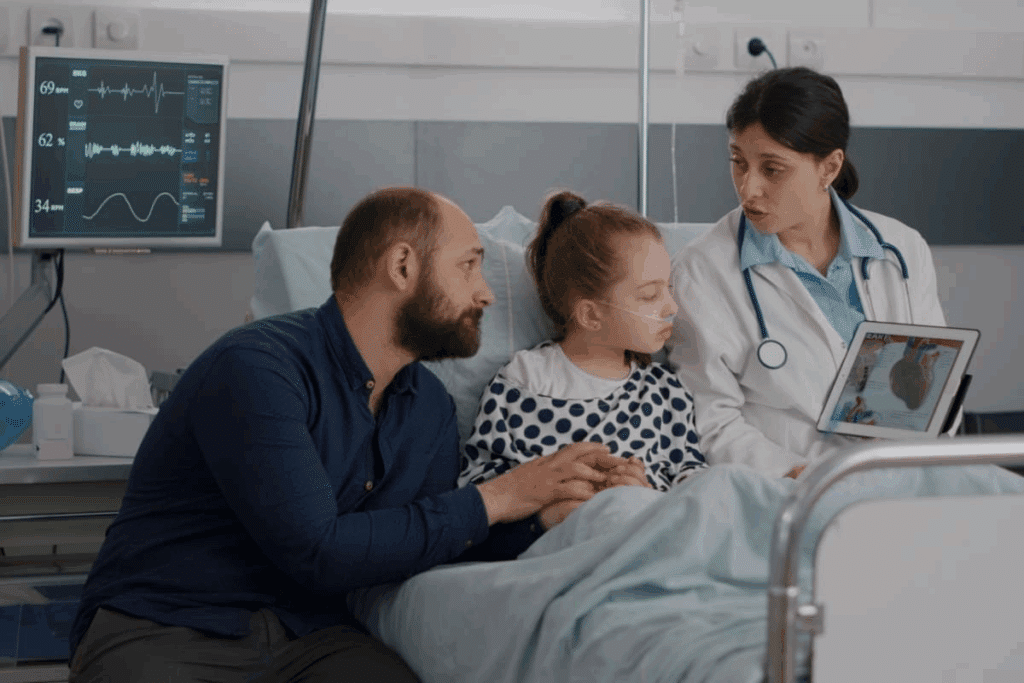
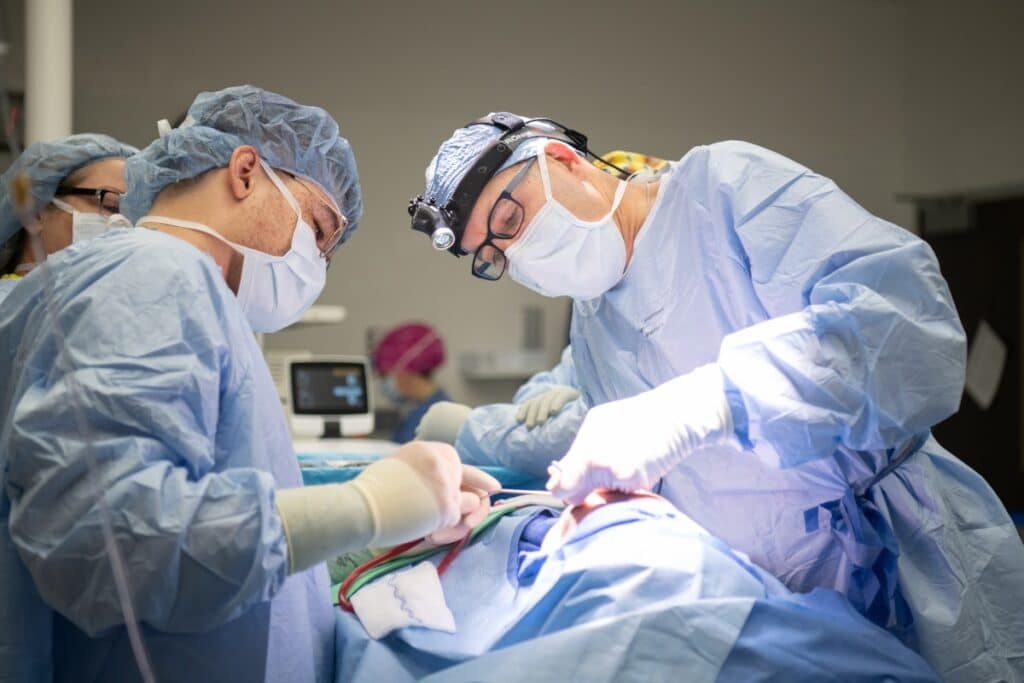
Orthopedic surgeries are medical treatments for musculoskeletal issues. They range from joint replacements to fixing complex fractures. These surgeries aim to improve joint function and reduce pain.
Common Types of Orthopedic Surgeries
Orthopedic surgeries include limb lengthening, shoulder reconstruction, pelvic surgery, and ACL reconstruction. Each surgery is designed to treat specific conditions.
- Limb lengthening fixes limb length differences, often due to birth defects or injuries.
- Shoulder reconstruction repairs or replaces damaged shoulder joints to restore function and ease pain.
- Pelvic surgery treats fractures, deformities, or other issues in the pelvis.
- ACL reconstruction fixes a torn ACL, a key ligament for knee stability.
Purpose of Orthopedic Procedures
The main goal of orthopedic surgeries is to improve function, reduce pain, and enhance life quality for those with musculoskeletal disorders. A study in a leading orthopedic journal states, “The aim is not just to treat the condition but to help patients reach their highest level of function and activity.”
“Orthopedic surgery advancements have greatly improved recovery from complex musculoskeletal conditions.”
– Expert Orthopedic Surgeon
Orthopedic procedures tackle various conditions, from degenerative diseases like osteoarthritis to acute injuries like fractures. The complexity of these surgeries can vary, with some needing detailed techniques like spinal instrumentation.
| Surgery Type | Purpose | Common Conditions Treated |
| Limb Lengthening | Correct limb length discrepancies | Congenital conditions, limb length inequality |
| Shoulder Reconstruction | Repair or replace shoulder joints | Osteoarthritis, shoulder injuries |
| Pelvic Surgery | Address pelvic fractures or deformities | Pelvic fractures, congenital deformities |
| ACL Reconstruction | Repair torn ACL | Knee injuries, ACL tears |
Factors Influencing Recovery Difficulty

Many factors can make recovery from orthopedic surgery hard. Knowing these can help both patients and doctors get ready for the journey ahead.
Patient’s Age and Health Status
A patient’s age and health are key in recovery. Older patients or those with health issues might find it harder. This is because they have less energy and might have other health problems.
For example, diabetes can slow healing because of blood flow and immune issues. Osteoporosis requires careful recovery to avoid fractures. Tailoring care to each patient’s needs is important.
Type of Surgery Performed
The surgery type also affects recovery. Complex fracture repair, joint replacement, bone tumor surgery, and revision surgery vary in complexity. This impacts how long and hard recovery will be.
- Repairing complex fractures needs a lot of rehab because of the injury’s severity.
- Joint replacements have a long recovery, more so if the patient has other health issues.
- Bone tumor surgery is tough due to possible reconstructive needs and the emotional impact of cancer.
- Revision surgeries, redoing a previous surgery, can be harder than the first one, leading to a tougher recovery.
Pre-existing Conditions
Existing health problems can also affect recovery. Issues like heart, lung, or neurological diseases can make surgery and recovery harder. We work with patients to manage these conditions during recovery.
For instance, those with a history of blood clots might need blood thinners to prevent new clots. Managing these conditions helps reduce risks and improve recovery chances.
Most Challenging Orthopedic Surgeries
Some orthopedic surgeries are very tough for both doctors and patients. These surgeries need a lot of skill, precision, and care after the operation. We will look at three hard surgeries: total joint replacement, spinal fusion, and complex fracture repair.
Total Joint Replacement
Total joint replacement is a big surgery. It replaces a damaged or arthritic joint with an artificial one. This is often done on hips, knees, and shoulders. The surgery and the long recovery time make it very challenging.
Key aspects of total joint replacement include:
- Precision in implant sizing and placement
- Managing possible complications like infection or implant failure
- A detailed rehabilitation program to improve joint function and strength
Orthopedic experts say, “The success of total joint replacement greatly depends on following the post-operative rehabilitation plan.”
This shows how important a good rehabilitation plan is for the best results.
Spinal Fusion Surgery
Spinal fusion surgery is another tough procedure. It joins two or more vertebrae together to stabilize the spine. It’s used to treat scoliosis, spinal stenosis, or spondylolisthesis.
The challenges of spinal fusion surgery include:
- Ensuring the vertebrae are properly aligned and fused
- Managing pain and discomfort after the surgery
- Reducing the risk of complications like nerve damage or infection
Spinal fusion surgery needs careful planning and a deep understanding of spinal anatomy and biomechanics.
Complex Fracture Repair
Complex fracture repair is for severe bone fractures that can’t be treated with simple methods. These fractures need special surgical techniques to fix the bone alignment and stability.
Aspects that make complex fracture repair challenging include:
- The need for advanced imaging and surgical planning
- The use of specialized implants or fixation devices
- The risk of complications like infection, nerve damage, or malunion
Handling complex fractures well requires a lot of expertise and a focus on the patient’s needs.
Comparison of Recovery Times
Recovery times for orthopedic surgeries vary a lot. They can range from weeks to months. We look at different surgeries to see what affects recovery time.
Average Recovery Times for Common Surgeries
Each orthopedic surgery has its own recovery time. For example, arthroplasty, or joint replacement, takes 6 to 12 weeks to start feeling better. It can take up to 6 months to fully recover.
Deformity correction surgeries take 3 to 6 months to recover. This depends on how complex the correction is.
Other surgeries like joint fusion and trauma repair have different recovery times. Joint fusion can take up to 12 weeks or more. Trauma repair times vary based on the injury’s extent.
| Surgery Type | Average Recovery Time | Factors Influencing Recovery |
| Arthroplasty | 6 to 12 weeks (initial), up to 6 months (full) | Patient age, overall health, surgical technique |
| Deformity Correction | 3 to 6 months | Complexity of correction, patient compliance with rehabilitation |
| Joint Fusion | Up to 12 weeks or more | Surgical technique, post-operative care, patient health |
| Trauma Repair | Varied, based on injury extent | Extent of injury, patient’s overall health, effectiveness of rehabilitation |
Factors Affecting Recovery Duration
Many things can affect how long it takes to recover from orthopedic surgery. The patient’s age and overall health are big factors. Older patients or those with health issues often need more time to recover.
The type and complexity of surgery also matter. More complex surgeries take longer to recover from. Post-operative care and rehabilitation are key too. Good pain management and physical therapy can help recovery time.
Pain Management During Recovery
Recovering from orthopedic surgery is tough, mainly because of managing pain. It’s not just about feeling better; it’s key for a smooth recovery. Pain is different for everyone, making it a big challenge.
Chronic Pain After Surgery
Chronic pain after surgery is a big worry for many. It lasts long after you’re supposed to be healed. Chronic pain can come from nerve damage, making recovery slow and painful.
Medications and Therapies Used
Dealing with chronic pain needs a mix of treatments. We use medications and therapies that fit each patient’s needs. Some common ones are:
- Pharmacological interventions, such as pain relievers and nerve blocks.
- Physical therapy to improve mobility and strength.
- Alternative therapies like acupuncture and massage.
These methods can be used alone or together for the best results.
Every person’s pain is different, so their treatment should be too. We work with our patients to create a plan that fits them. This way, their recovery is as comfortable as possible.
Managing pain well is key to a successful recovery from orthopedic surgery. By tackling chronic pain with various treatments, we can help patients get better. Our goal is to care for the whole person, not just their surgery.
Rehabilitation and Physical Therapy
After surgery, patients need a plan to get strong and move better. We know recovery is tough, but the right plan can help a lot. Patients can see big improvements with the right care.
Importance of Physical Therapy
Physical therapy is key in recovery. It helps patients regain range of motion, strengthen muscles, and improve functional abilities. Personalized exercises and therapies help patients recover better and avoid problems.
It’s important to work with a skilled physical therapist. They create a plan that fits each patient’s needs. This way, patients get the best care and achieve great results.
Tailored Rehabilitation Plans
Every patient gets a plan made just for them. We consider their health, surgery type, and any past conditions. This ensures the plan is right for them.
Our plans are comprehensive and flexible. We adjust them as needed. This helps patients get the right care at every stage of recovery.
Home Exercise Programs
Home exercises are also important in recovery. They let patients help themselves at home. This makes them feel more in control of their recovery.
We teach patients how to do their exercises safely at home. Mixing in-clinic therapy with home exercises helps patients recover faster and more fully.
Potential Complications Post-Surgery
The road to recovery after orthopedic surgery can be tough. It includes risks like infection and blood clots. We help patients understand these risks and how to avoid them.
Infection Risks
Infections are a big worry after surgery. They can make recovery longer, lead to more surgeries, and cost more. We use antibiotics and keep the surgery area clean to lower these risks.
Preventive Measures: We also teach patients how to care for themselves after surgery. This includes keeping the wound clean and following medication instructions.
Blood Clots and Other Concerns
Blood clots are another serious issue after surgery. They can be deadly if they travel to the lungs. Other problems include nerve damage, reactions to anesthesia, and implant failure.
| Complication | Risks | Preventive Measures |
| Infection | Prolonged recovery, additional surgeries | Antibiotics, sterile environment, post-operative care |
| Blood Clots | Pulmonary embolism, death | Anticoagulants, compression stockings, early mobilization |
| Nerve Damage | Permanent nerve damage, numbness | Careful surgical technique, monitoring during surgery |
Knowing about these complications helps us prepare patients better. By being proactive, we can reduce risks and make recovery smoother.
Emotional and Psychological Impact
Patients going through orthopedic surgery face big emotional and psychological challenges. It’s not just about getting better physically. It’s also about keeping their mental health strong.
Mental Health During Recovery
The emotional and psychological effects of orthopedic surgery can be huge. People might feel anxiety, depression, or frustration because of long rehab times and new physical limits. It’s key for doctors to help with these feelings as part of their care plan.
We know that mental health support is key during this time. Patients should look for help when they need it. Doctors should be ready to offer advice and resources.
Coping Strategies for Patients
To deal with these emotional and psychological issues, patients can use coping strategies. These include:
- Seeking support from family and friends
- Engaging in mental health support groups
- Practicing mindfulness and relaxation techniques
- Setting realistic goals and celebrating small achievements
By using these strategies, patients can handle the emotional side of getting better.
At our institution, we aim to give top-notch healthcare. We offer full support and guidance to international patients. We know recovery is not just about the body. It’s also about the mind and emotions.
Success Stories and Positive Outcomes
Recovering from complex orthopedic surgeries is tough. But many patients have overcome this challenge, achieving great recoveries. We’ve collected several case studies that show the good results of these surgeries.
Real-Life Recoveries
Many patients have gone through tough orthopedic surgeries. For example, some have had total joint replacements or spinal fusion surgeries. They’ve made big strides in their recovery.
One patient, after a complex spinal fusion surgery, was back to normal in a year. This was thanks to a detailed rehab plan.
Milestones in Recovery
Celebrating milestones is key in recovery. We urge patients to mark their progress, like taking their first steps after surgery. Sharing these stories can inspire others facing similar challenges.
Looking at these success stories, we see how important a good rehab plan is. It’s vital for a successful recovery.
FAQ
What is the most challenging orthopedic surgery to recover from?
Spinal fusion, total joint replacement, and complex fracture repair are tough to recover from. They are invasive and need a lot of rehabilitation.
How do pre-existing conditions affect recovery from orthopedic surgeries?
Pre-existing conditions can make recovery harder. They might complicate the surgery, slow down healing, or increase risks. Patients with these conditions often need more care and monitoring.
What role does physical therapy play in recovering from orthopedic surgeries?
Physical therapy is key in recovery. It helps patients regain strength, mobility, and function. Customized rehabilitation plans and home exercises can greatly improve outcomes and reduce risks.
How can chronic pain be managed after orthopedic surgery?
Chronic pain can be managed with medications, therapies, and lifestyle changes. We help patients create a personalized pain management plan to ensure comfort and aid in recovery.
What are the possible complications after orthopedic surgeries?
Complications include infection, blood clots, nerve damage, and prolonged rehabilitation. Knowing these risks and taking preventive steps can help reduce them.
How long does it take to recover from orthopedic surgeries like arthroplasty and deformity correction?
Recovery times vary based on surgery type, patient health, and other factors. Patients usually need several weeks to months to recover, with some surgeries requiring longer rehab periods.
What is the importance of mental health during recovery from orthopedic surgeries?
Mental health is vital during recovery. Stress, anxiety, and depression can affect physical healing and overall well-being. We stress the importance of coping strategies and support systems during this time.
Can limb lengthening and shoulder reconstruction surgeries be considered complex?
Yes, limb lengthening and shoulder reconstruction are complex surgeries. They need careful planning, precise execution, and thorough rehabilitation. These surgeries can greatly improve quality of life but require significant recovery periods.
How do we support international patients undergoing orthopedic surgeries?
We offer full support services for international patients. This includes help with travel, accommodation, and post-operative care. We aim to make their experience smooth and stress-free.
References
National Institutes of Health. Evidence-Based Medical Insight. Retrieved from https://www.niams.nih.gov/health-topics/knee-problems/knee-replacement