
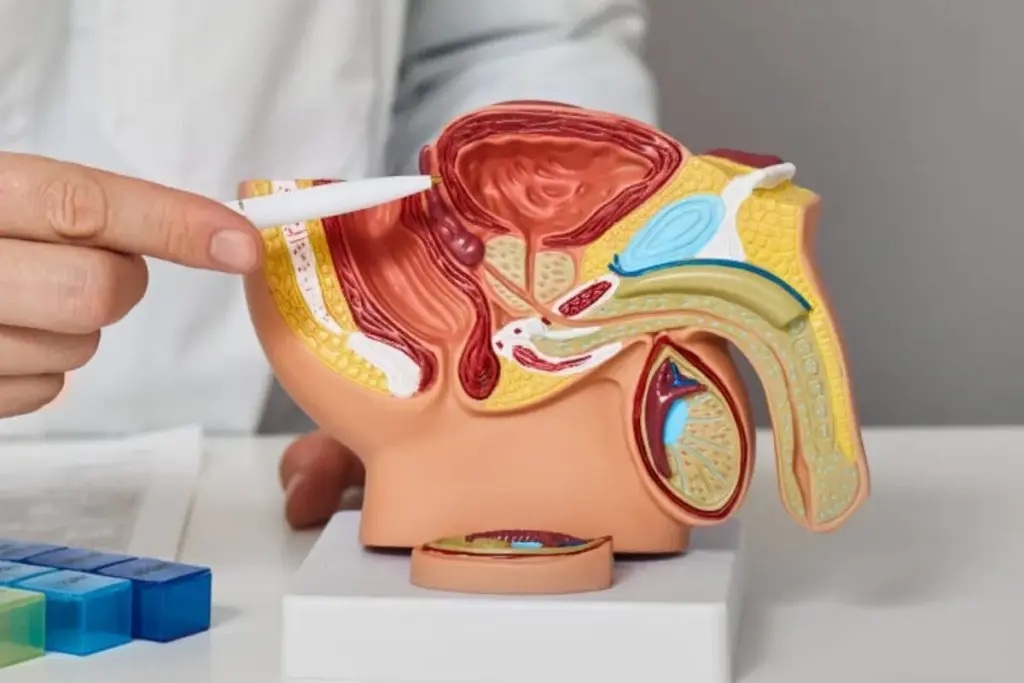
The physical examination is a dying art. The digital rectal examination (DRE) is one of its most intimate parts. It’s important to know about DREs and their role in medicine. The DRE: A digital rectal exam is a quick manual check by a doctor. Learn why it is a crucial part of men’s preventative health.
DREs used to be a common part of check-ups. But now, they’re not as common. This change raises questions for both patients and doctors. We’ll look into why DREs are less used, focusing on prostate health.
Key Takeaways
- The digital rectal examination is an intimate and significant physical examination maneuver.
- DREs have declined in recent years, sparking debate about their relevance.
- Understanding the current role of DREs is important for patients and healthcare providers.
- The prostate exam is a key area where DREs are used.
- We will explore the impact of this decline on medical practice.
Understanding the Digital Rectal Exam (DRE)

The digital rectal exam (DRE) is a key part of medical checks. It helps doctors look at the rectum and nearby areas. This exam is a basic but important tool for health checks.
Definition of a Digital Rectal Exam

A DRE involves a doctor putting a gloved finger into the rectum. This is done to feel for any unusual things. It helps check the rectum and nearby areas, like the prostate in men.
This exam is also used in urology to feel the prostate through the rectum. It helps doctors see the size, shape, and feel of the prostate gland.
Purpose of the DRE
The main goal of a DRE is to find any problems in the rectum and nearby areas. Some reasons for doing a DRE include:
- Looking for prostate cancer, prostatitis, or BPH in the prostate gland.
- Checking for masses or bleeding in the gut.
- Checking the rectal tone and finding any issues with the rectal wall.
By doing a DRE, doctors can learn a lot about a patient’s health. This information helps decide what tests or treatments are needed.
Common Conditions Assessed
A DRE can spot several health issues, including:
- Prostate Issues: It can find prostate cancer, prostatitis, and BPH.
- Rectal Pathologies: It can detect hemorrhoids, rectal prolapse, and rectal masses.
- Gastrointestinal Problems: It can check for bleeding, pain, or other symptoms in the rectum and anus.
Knowing how DRE helps diagnose these conditions shows its importance for health checks.
Historical Context of DRE Practices
The digital rectal exam (DRE) has a long history in medicine. It has changed a lot over time. Now, it’s used more carefully, thanks to new medical knowledge and technology.
Shifts in Medical Practice
Once, DRE was a common part of yearly check-ups. It helped doctors check on the prostate and other areas. But, its use has changed with new guidelines and research.
Guideline Milestones
Medical rules on DRE have changed over the years. Important moments include the start of prostate-specific antigen (PSA) testing. This has changed how doctors use DRE to check the prostate.
|
Year |
Milestone |
Impact on DRE |
|---|---|---|
|
1980s |
Introduction of PSA testing |
Reduced routine use of DRE for prostate screening |
|
1990s |
Guidelines stressing targeted DRE use |
More focus on those at high risk |
|
2000s |
Improvements in imaging tech |
Less routine DRE, more imaging for diagnosis |
In summary, DRE practices have moved towards more focused and evidence-based use. Knowing this history helps us understand DRE’s role in healthcare today.
Current Recommendations for DRE Usage
Digital Rectal Exams (DRE) have changed, with new guidelines for their use. It’s important to understand their role in health checks and diagnosis today.
Guidelines from Major Health Organizations
Health groups have set rules for DRE use. For example, the Canadian Task Force on Preventive Health Care doesn’t suggest DRE for everyone. This shows how healthcare should be personalized, based on each person’s health and risks.
Guidelines can differ, and DRE decisions depend on many factors. These include age, family health history, and current health. For example, prostate exam meaning might mean more targeted checks for certain men.
Age and Risk Factors for DRE
Age and risk factors are key in deciding if a DRE is needed. As men get older, the chance of prostate problems grows. This is why age is a big part of new general urology prostate exam rules.
People with a family history of cancer or other risks might need earlier or more often checks. This could include DRE.
New tech like 4k prostate screening has changed how DREs are used. These tools give more detailed info, helping doctors decide when a DRE is needed.
Personalized care is key. Deciding on a DRE should consider a person’s overall health. This way, care is tailored to each individual, weighing benefits against any risks or discomforts.
Patient Perspectives on DRE
Talking openly about DRE helps ease worries and myths about this key test. Healthcare workers know patients react differently to DRE. Some might feel uneasy or uncomfortable.
Common Concerns and Misconceptions
Many patients worry about DRE, often because they don’t fully understand it. They might ask, “Does a prostate exam hurt?” While some might feel a bit uncomfortable, it’s usually not painful. We need to clear up these doubts to make patients feel better.
Some patients worry about the intrusive nature of the exam. They might feel embarrassed or exposed. It’s important to listen to these feelings and reassure them of their comfort and dignity.
Importance of Open Communication
Good communication is key in patient care, even more so for sensitive tests like DRE. Creating a space where patients can ask questions and share their worries helps lower anxiety about digital rectal exams.
Healthcare providers should explain the anal examen process, its benefits, and what to expect. This open talk builds trust and prepares patients for the exam.
By understanding and addressing patient views on DRE, we aim to make this important test more welcoming. Our goal is to offer care that is both effective and caring, respecting patient needs.
The Role of DRE in Prostate Health
The digital rectal exam (DRE) is key in checking prostate health. It’s a main part of men’s health check-ups. The DRE helps find prostate problems early, like prostate cancer.
During the exam, a doctor feels the prostate gland for any odd lumps or hardness. This simple test gives important clues about prostate health. It helps start early treatment if needed.
Early Detection of Prostate Issues
Finding prostate problems early is very important. The DRE, along with other tests, helps doctors spot issues early. Early detection is key to improving outcomes in prostate cancer.
This means doctors can act fast. This can lower the chance of cancer getting worse.
Alternatives to DRE for Prostate Screening
While the DRE is helpful, it’s not the only way to screen for prostate issues. Prostate-specific antigen (PSA) testing is another common method. It checks PSA levels in the blood, which can show prostate cancer or other problems.
Also, tests like ultrasound and MRI are used more often. They give detailed views of the prostate. These tests work together with the DRE to give a full picture of prostate health.
DRE and Colorectal Health
Checking colorectal health involves different methods, with DRE being key. We use DRE to look for problems in the rectum. This is important for catching issues early.
Examining Rectal Pathologies
DRE helps doctors find problems in the rectum. This includes things like hemorrhoids, fissures, and masses. They use a gloved finger to feel for any issues.
This check is vital for spotting problems that need more attention. For example, finding a mass might lead to more tests or treatments.
DRE in Relation to Colorectal Cancer Screening
DRE isn’t the main way to screen for colorectal cancer. But it can help find masses or other signs of cancer. It’s used with tests like colonoscopy and sigmoidoscopy.
Keeping accurate records of DRE findings is important. It helps track a patient’s health over time. This is part of the “dre documentation” process.
In summary, DRE is important for checking colorectal health. It helps find problems and supports cancer screening. It’s a key tool in a complete health check.
Technological Advances Impacting DRE
Technological advancements are changing how we use digital rectal exams (DRE) in medicine. These changes are important as we see big steps forward in medical tech. It’s key to understand how these advancements affect DRE in checking prostate and colorectal health.
Imaging Techniques as Alternatives
New imaging methods are reshaping how we check prostate and colorectal health. 4K prostate screening and other tools give us clearer images than before. These tools help doctors make more accurate diagnoses and might make DRE less needed.
“Advanced imaging is changing urology,” says Medical Expert, a top urologist. “Tools like multiparametric MRI give us detailed info, changing how we diagnose.”
Some key imaging tools that might replace or work with DRE include:
- Multiparametric MRI for prostate checks
- High-resolution ultrasound for detailed views
- Advanced CT scans for full assessments
The Future of DRE in Clinical Practice
DRE will likely stay in clinical practice but in a different way. The big question is: Will DRE be used alongside new imaging, or will it be mainly for checking?
DRE might become a tool used with new prostate exams and other tech. This mix of old and new methods could lead to better patient care.
“The future of DRE is in using it wisely with new tech for the best patient results.”
Medical Expert, Urology Specialist
In summary, new tech is changing DRE’s role in medicine. As imaging gets better, DRE might become part of a mix of old and new methods. This could lead to better care for patients.
Training and Competence of Healthcare Providers
It’s key that healthcare providers are well-trained in doing DREs. The Digital Rectal Exam is complex. It needs technical skill and a deep understanding of its uses and limits.
Effective Training in DRE Administration
Training for DREs covers both theory and practice. Family medicine residents, for example, need supervised practice and feedback to show they’re competent. This hands-on training is key for mastering the technique and reading results right.
Effective DRE training includes:
- Knowing the anatomy and physiology for DRE
- Understanding when and when not to do a DRE
- Getting practical experience under supervision
- Getting feedback to get better
Ongoing Education for Healthcare Professionals
Healthcare pros need to keep learning to stay current with DRE guidelines and best practices. Continuous learning keeps them competent and improves patient care. They can learn through workshops, seminars, and online courses on DRE and related topics.
Important areas for ongoing education are:
- Staying updated on DRE guidelines from health organizations
- Learning about new prostate and colorectal health screening methods
- Discovering new technologies and techniques for DRE
By focusing on both initial training and ongoing education, we can make sure healthcare providers are skilled in DREs. This improves patient care.
Conclusion: The Future of Digital Rectal Exams
Digital rectal exams (DREs) are key in today’s healthcare. They help prevent health problems. DREs are important for checking lower urinary tract symptoms.
DREs help check prostate health early. Knowing about prostate exam meaning helps patients take care of their health. It makes them more involved in their health care.
Keeping accurate dre documentation is vital. It helps keep patient records up to date. This supports better care and informed choices.
Open communication and informed choices lead to better health. We need to mix old and new methods in healthcare. This ensures patients get the best care.
FAQ
What is a digital rectal exam (DRE)?
A digital rectal exam is a medical test. A healthcare provider puts a gloved, lubricated finger into the rectum. They feel for abnormalities, check the prostate, or look for gastrointestinal issues.
What is the purpose of a digital rectal exam?
The main goal of a DRE is to check the prostate gland. It also helps find rectal problems, assess rectal tone, and spot issues like masses or bleeding.
Are digital rectal exams a common part of physical exams?
No, DREs are not as common as they used to be. But, they are used in certain situations. This includes prostate cancer screening and checking lower urinary tract symptoms.
How does a prostate exam work?
A prostate exam involves a DRE. The healthcare provider feels the prostate gland for any abnormalities. This could mean lumps or irregularities that suggest prostate problems.
What are the alternatives to DRE for prostate screening?
There are other ways to screen for prostate issues. These include prostate-specific antigen (PSA) testing, 4K prostate screening, and tools like ultrasound and MRI.
Does a prostate exam hurt?
A prostate exam might cause some discomfort. But, it’s usually not painful. Talking openly with the healthcare provider can help make it more comfortable.
What is the role of DRE in colorectal health?
DRE helps in checking colorectal health. It detects rectal problems and aids in colorectal cancer screening. It’s often used with other diagnostic tools.
How have technological advances impacted the use of DRE?
New technologies, like imaging, have given us alternatives or complements to DRE. This might make DRE less common. But, it’s not gone from clinical practice yet.
Why is training important for healthcare providers performing DRE?
Training is key for healthcare providers to do DREs well. It ensures they can do the exam effectively and comfortably.
What is the future of digital rectal exams in clinical practice?
The future of DREs will be balanced. They will be used in preventive health strategies when needed. This will be alongside other diagnostic tools. It will also focus on making informed decisions with patients.
References
National Center for Biotechnology Information. Evidence-Based Medical Insight. Retrieved from https://pubmed.ncbi.nlm.nih.gov/40392173/



 Departments
 Related Videos
 Our Doctors
 News
News