Diminished Ovarian Reserve (DOR) is when a woman’s ovaries don’t work as well as they should. They have fewer eggs than women of the same age usually do. This can make it harder for a woman to get pregnant.What is diminished ovarian reserve (DOR)? This ultimate, vital guide explains the surprising causes, critical symptoms, and treatment options.
Getting a DOR diagnosis can feel scary. But knowing about low ovarian reserve, how it’s found, and what treatments are out there is key. It helps you make smart choices about your fertility.
DOR means a woman has fewer eggs or lower quality eggs than others her age. This can lead to trouble getting pregnant. Knowing about DOR helps women understand their options better.
Key Takeaways
- Diminished Ovarian Reserve (DOR) is a condition characterized by a reduced number and quality of eggs in a woman’s ovaries.
- DOR can significantly impact a woman’s fertility and chances of pregnancy.
- The diagnosis of DOR is based on the number and quality of eggs in the ovaries.
- Understanding DOR is key for making informed decisions about fertility treatments.
- Various treatment options are available for women diagnosed with DOR.
Understanding Diminished Ovarian Reserve
As women get older, their ovaries naturally make fewer eggs. But, Diminished Ovarian Reserve (DOR) can happen at any age for many reasons. We’ll look into what DOR means in medical terms and how it affects fertility.
Definition and Basic Concepts
Diminished Ovarian Reserve means the ovaries don’t work right, leading to fewer and lower-quality eggs. This is also called low ovarian reserve. If a woman is diagnosed with DOR, it’s harder for her to get pregnant.
The term “DOR” is linked to reduced fertility. It affects how many and how good the eggs are for fertilization. Knowing about DOR is key for women trying to have a baby, as it helps them understand their reproductive health better.
Prevalence and Statistics
Studies show DOR affects 10 to 30 percent of women with infertility. The number of women with DOR has gone up, from 19 percent in 2004 to 26 percent in 2011. This shows why understanding and tackling DOR is more important than ever.
Year | Prevalence of DOR |
2004 | 19% |
2011 | 26% |
A woman’s egg count drops with age, but DOR can happen at any time. It’s caused by genetics, medical treatments, environmental factors, or surgeries. The numbers show we need to be aware of DOR and diagnose it early.
Knowing about DOR’s prevalence and stats helps women and doctors make better choices about fertility treatments and ways to preserve fertility.
The Biology of Ovarian Reserve
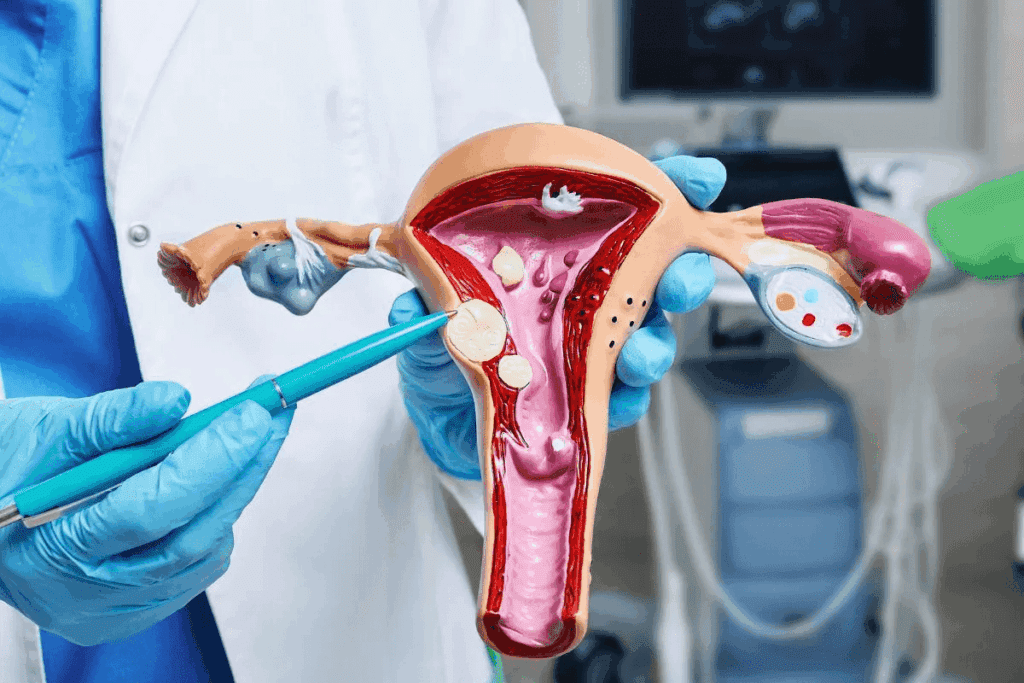
Ovarian reserve is about how well the ovaries can make eggs that can be fertilized. It’s key to knowing about female fertility and what affects it.
Normal Ovarian Function
Normal ovarian function means making and releasing eggs, which is vital for having kids. Women are born with 1-2 million eggs, but by puberty, this number drops to 300,000 to 400,000.
In each menstrual cycle, many follicles start to grow, but only one egg is released. This is a complex process that involves hormones. The ovarian reserve is important because it shows how many eggs are ready for fertilization.
How Ovarian Reserve Changes Over Time
As women get older, their ovarian reserve goes down. This happens slowly until the mid-to-late 30s, then it speeds up. By the 40s, the number and quality of eggs drop, making it harder to get pregnant.
Many things can cause the decline in ovarian reserve, including:
- Age: The biggest factor in this decline.
- Genetic predispositions: Some women may see a quicker drop due to their genes.
- Lifestyle factors: Some choices and exposures can also affect it.
Knowing about these changes is important for women who want to have kids. It helps them make smart choices about their reproductive health.
Causes of Diminished Ovarian Reserve
DOR can come from age, genetics, medical issues, and lifestyle choices. Knowing these causes helps women make smart choices about their reproductive health.
Age-Related Factors
Age greatly affects ovarian reserve. As women get older, they have fewer and lower-quality eggs. This decline speeds up after 35, making it harder to get pregnant.
Advanced maternal age is a big risk for DOR. Women thinking about pregnancy should know this and plan early.
Genetic Factors
Genetics also play a big part in ovarian reserve. Some women may inherit early menopause from their family.
- Some genetic mutations can harm ovarian function.
- Early menopause in family members may signal a higher risk.
Medical Treatments and Procedures
Some medical treatments and surgeries can harm the ovaries. For example, chemotherapy and radiation therapy can damage the ovaries, reducing egg count and quality.
Surgeries like ovarian surgery or hysterectomy can also impact ovarian function. It’s important for women to talk to their doctors about how these procedures might affect their fertility.
Lifestyle and Environmental Factors
Lifestyle and environmental factors can also raise the risk of DOR. For instance, smoking is linked to lower ovarian reserve.
Other factors include too much alcohol and exposure to toxins. A healthy lifestyle can help reduce these risks.
Signs and Symptoms of DOR
DOR can start without any symptoms in the early stages. But, there are signs that show a drop in ovarian function. Knowing these signs is key for women trying to get pregnant, as they affect fertility a lot.
Physical Symptoms
Some women notice a change in their menstrual cycle. A shortening of the menstrual cycle is common in older women. This could mean their ovaries are not working as well.
Other than changes in menstrual cycle length, there are few physical symptoms of low ovarian reserve. So, many women don’t know they have it until they can’t get pregnant.
Fertility-Related Symptoms
The main symptom that makes women seek medical help for DOR is infertility or trouble getting pregnant. This can be very upsetting. Knowing the cause is key to finding the right treatment.
Women with DOR and infertility might need treatments like IVF. Understanding DOR’s role in fertility and its impact on treatments like IVF is important. It helps them make better choices.
By spotting the signs of DOR, women can take action to improve their fertility. It’s vital to talk to a healthcare provider. They can help find the best options and make a plan just for you.
Diagnosing Diminished Ovarian Reserve
Diagnosing diminished ovarian reserve involves several steps. These include imaging and blood tests. It’s key to know a woman’s fertility and guide treatment.
Transvaginal Ultrasound and Antral Follicle Count
Transvaginal ultrasound is a main tool for checking ovarian reserve. It measures the antral follicle count (AFC). A low AFC means fewer eggs.
Blood Tests: AMH, FSH, and Estradiol
Blood tests also help check ovarian reserve. These include:
- Anti-Müllerian Hormone (AMH): AMH levels show how many eggs are left. Low AMH means fewer eggs.
- Follicle-Stimulating Hormone (FSH): High FSH levels on certain days can mean fewer eggs.
- Estradiol: Estradiol levels help understand hormone balance and ovarian function.
Interpreting Test Results
Understanding test results is complex. Healthcare providers look at age, medical history, and test results. They use this info to figure out ovarian reserve.
Test | Normal/Indication | Abnormal/Indication |
Antral Follicle Count (AFC) | Higher count/ Better reserve | Lower count/ Diminished reserve |
Anti-Müllerian Hormone (AMH) | Higher levels/ Better reserve | Lower levels/ Diminished reserve |
Follicle-Stimulating Hormone (FSH) | Lower levels/ Better reserve | Elevated levels/ Diminished reserve |
When to Seek Evaluation
Women under 35 trying to conceive for a year should get checked for DOR. Women over 35 should get checked after six months. Knowing the signs and talking to a doctor can lead to early help.
How DOR Impacts Fertility
Diminished Ovarian Reserve (DOR) greatly affects a woman’s ability to get pregnant. It’s a big concern for those trying to conceive. We need to know how DOR affects fertility and how it impacts a woman’s chances of getting pregnant.
Reduced Egg Quantity and Quality
DOR leads to fewer and lower-quality eggs. As women get older, they have fewer eggs. These eggs are also more likely to have genetic problems. This makes it harder to conceive and increases the risk of miscarriage.
Key factors contributing to reduced egg quality include:
- Increased genetic errors due to aging
- Environmental and lifestyle factors
- Potential genetic predispositions
Effects on Natural Conception
DOR makes it harder to conceive naturally. With fewer eggs and more genetic problems, fertilization and implantation are less likely. This can lead to long periods of trying to conceive, causing emotional and psychological stress.
Implications for Pregnancy Success
DOR affects pregnancy success in many ways. It not only makes conception harder but also increases the risk of pregnancy complications like miscarriage. It’s important for women with DOR to understand these implications to make informed decisions about their fertility treatment.
Aspect | Normal Ovarian Reserve | Diminished Ovarian Reserve |
Egg Quantity | Higher number of eggs | Reduced number of eggs |
Egg Quality | Better quality eggs | Increased likelihood of genetic abnormalities |
Conception Chances | Higher chances of natural conception | Lower chances of natural conception |
Pregnancy Complications | Lower risk of miscarriage | Higher risk of miscarriage |
Understanding DOR’s impact on fertility helps women make better choices for conception. They can seek the right medical advice to increase their chances of a successful pregnancy.
Treatment Options for Diminished Ovarian Reserve
Treatment for diminished ovarian reserve (DOR) is tailored to each woman’s needs. It depends on how severe the condition is and what she hopes to achieve. Every woman’s experience with DOR is different, and so are the treatments available to her.
Conventional Fertility Treatments
Many women with DOR start with conventional fertility treatments. These include fertility drugs to stimulate egg production and intrauterine insemination (IUI). IUI involves placing sperm directly into the uterus to help with fertilization. Success rates vary based on DOR severity and other factors.
Fertility medications aim to stimulate the ovaries to produce more eggs. This increases the chances of getting viable eggs for fertilization. But, women with DOR may not respond as well to these medications.
Advanced Reproductive Technologies
For severe DOR or when conventional treatments fail, advanced reproductive technologies like in vitro fertilization (IVF) are considered. IVF involves fertilizing eggs outside the body and then transferring the embryo to the uterus. This method allows for choosing the healthiest embryos, boosting pregnancy chances.
IVF has shown good results for DOR patients, often combined with egg or embryo freezing. The decision to try IVF is made after considering ovarian reserve, age, and health.
Emerging Therapies
Research into emerging therapies for DOR is ongoing. Areas like platelet-rich plasma (PRP) therapy are being explored. PRP involves injecting platelet-rich plasma into the ovaries to stimulate function.
These emerging therapies are promising but need more research. More studies are needed to understand their effectiveness and safety for DOR patients.
In conclusion, treatments for diminished ovarian reserve range from conventional fertility treatments to advanced reproductive technologies and emerging therapies. We aim to provide the latest and most compassionate care for your fertility journey.
Preserving Ovarian Function
Keeping ovaries healthy requires a mix of lifestyle changes and medical care. This is important for women who want to keep their fertility or face a risk of low ovarian reserve (DOR).
Lifestyle Modifications
Changing your lifestyle can help keep ovaries working well. Maintaining a healthy weight is key, as being too thin or too heavy can mess with hormones and ovulation. Regular exercise is also vital for reproductive health.
Also, reducing stress helps. Stress can upset hormone levels, harming ovarian function. Meditation or yoga can help lower stress.
Nutritional Approaches
Eating right can also boost ovarian health. Eating foods rich in antioxidants, like vitamins C and E, protects ovaries. Foods with omega-3 fatty acids, like salmon and walnuts, aid in hormone production and health.
Nutrient | Benefit | Food Sources |
Antioxidants | Protects ovaries from damage | Berries, leafy greens, nuts |
Omega-3 Fatty Acids | Supports hormone production | Salmon, walnuts, chia seeds |
Folate | Essential for ovulation | Leafy greens, legumes, citrus fruits |
Egg Freezing as a Preventive Measure
For women at risk of DOR or not ready to conceive, egg freezing is an option. This involves stimulating ovaries to produce eggs, which are then frozen for later use.
Egg freezing lets women save their fertility for when they’re ready. It gives them a chance at pregnancy in the future.
Emotional and Psychological Aspects of DOR
Being told you have DOR is more than a medical issue; it’s a personal journey. It can be tough, affecting you and your loved ones. Understanding and coping with this diagnosis is key to making informed choices about your fertility.
Coping with Diagnosis
When you get a DOR diagnosis, it’s normal to feel a range of emotions. It’s okay to take time to process these feelings. Seeking support from healthcare providers, counselors, or support groups can help you feel understood.
Support groups, online or in-person, offer a sense of community. Sharing your story with others facing similar challenges can be comforting. We suggest looking into these resources to help cope.
Support Resources and Communities
There are many resources for those dealing with DOR. Online forums and social media groups focused on fertility can offer both information and emotional support. Professional counseling can also help you deal with the emotional side of your diagnosis.
Talking to others who’ve been through similar things can be very helpful. Support from family and friends is important, but talking to those who get DOR can be extra supportive.
Communicating with Partners and Family
Telling your partner and family about your diagnosis can be hard but is essential. Being open about your feelings and needs is key. Understanding your diagnosis well helps you talk about it more clearly.
We suggest being ready to share your feelings, fears, and hopes with your loved ones. This can make your relationships stronger and more supportive. Being honest about how DOR affects you helps you get the support you need.
Conclusion: Living with Diminished Ovarian Reserve
Diminished ovarian reserve (DOR) affects many women, impacting their ability to have children. It’s important to understand what DOR means and how it affects fertility.
At RSC, we know a DOR diagnosis can be tough. But we’re here to help you find your way. With the right care and support, many women with low ovarian reserve can get pregnant.
Getting personalized care and using advanced fertility treatments can help a lot. It’s key to get professional help to look at all your options. This includes both traditional fertility treatments and newer technologies.
Even with DOR, you can’t let it stop your dreams of being a parent. Knowing about your condition and the treatments available helps you make smart choices. This way, you can move forward with your fertility journey.
FAQ
What is Diminished Ovarian Reserve (DOR)?
Diminished Ovarian Reserve (DOR) is when a woman has fewer and lower quality eggs. This can make it harder to get pregnant.
What are the causes of Diminished Ovarian Reserve?
DOR can be caused by getting older, genetics, certain medical treatments, and lifestyle choices.
How is Diminished Ovarian Reserve diagnosed?
Doctors use tests like ultrasound and blood tests to find DOR. These include AMH, FSH, and Estradiol tests.
What are the signs and symptoms of Diminished Ovarian Reserve?
Signs of DOR include irregular periods and trouble getting pregnant. These are physical and fertility-related symptoms.
How does Diminished Ovarian Reserve affect fertility?
DOR makes it harder to get pregnant by reducing egg quality and quantity. This can also affect pregnancy success.
What are the treatment options for Diminished Ovarian Reserve?
Treatments for DOR include traditional fertility treatments and advanced technologies like IVF. New therapies are also being explored.
Can lifestyle changes help preserve ovarian function?
Yes, making lifestyle changes can help. This includes nutrition and egg freezing to improve fertility chances.
How can women cope with a diagnosis of Diminished Ovarian Reserve?
Women can cope by finding support, talking to loved ones, and looking into treatment options.
What is the prevalence of Diminished Ovarian Reserve among women?
DOR is common, affecting many women, mainly those with infertility. It’s more common with age.
Can women with Diminished Ovarian Reserve (DOR) achieve pregnancy?
Yes, with the right support and treatment, women with DOR can have children.
What is the role of egg freezing in preserving fertility?
Egg freezing is a way to preserve fertility. It’s helpful for those at risk of DOR or with a family history of early menopause.
How does age impact ovarian reserve?
Age greatly affects ovarian reserve. The quality and number of eggs decrease naturally, more so after 35.
References
World Health Organization. Endometriosis Support: Essential Resources and Awareness Organizations. Retrieved from https://www.who.int/news-room/fact-sheets/detail/endometriosis