Optic disc edema is a serious eye problem. It can show that there’s a big issue with your brain or body. Finding it early is key to saving your sight.What is disc oedema? This essential guide explains 5 dangerous causes of optic disc swelling and the key signs to recognize.
Swelling at the optic nerve head is a big reason people see eye doctors. Knowing what causes and shows this problem is important. It helps doctors act fast.
Key Takeaways
- Optic disc edema is a big warning sign of brain or body problems.
- Spotting it early is key to keeping your eyes healthy.
- Looking closely at your eyes is how doctors find it.
- Knowing the causes and signs helps doctors act quickly.
- It’s a common reason for people to see eye doctors who specialize in the brain.
What is Optic Disc Edema?

The optic disc is key to our vision. It can swell due to different reasons. This swelling is called optic disc edema. It happens when there’s too much fluid in or around the axons.
This swelling can be caused by high pressure in the brain, inflammation, or lack of blood flow.
Definition and Pathophysiology
Optic disc edema is when the optic disc swells. This swelling is due to fluid buildup in the axons or around them. It can be caused by many things, like high brain pressure, inflammation, or not enough blood flow.
The swelling happens because the normal flow of materials in the optic nerve is blocked. This blockage can be due to various reasons. Disruption of axoplasmic flow leads to swelling of the optic disc.
The normal flow of materials is important for the optic nerve. When this flow stops, swelling occurs. Knowing why this happens is important for treating optic disc edema.
Cause | Pathophysiological Mechanism | Clinical Implication |
Increased Intracranial Pressure | Compression of the optic nerve | Potential for vision loss if not addressed |
Optic Neuritis | Inflammation of the optic nerve | May result in visual disturbances |
Ischemic Optic Neuropathy | Reduced blood flow to the optic nerve | Can lead to sudden vision loss |
Clinical Significance and Impact
Optic disc edema is a serious sign that needs to be checked out. It can be linked to many health issues. Finding out why it happens is important.
It can cause problems with seeing, like blurry vision or blind spots. This can really affect a person’s life. Quick action is needed to avoid lasting damage to vision.
Understanding optic disc edema helps doctors treat it better. This leads to better outcomes for patients.
Anatomy and Normal Appearance of the Optic Disc
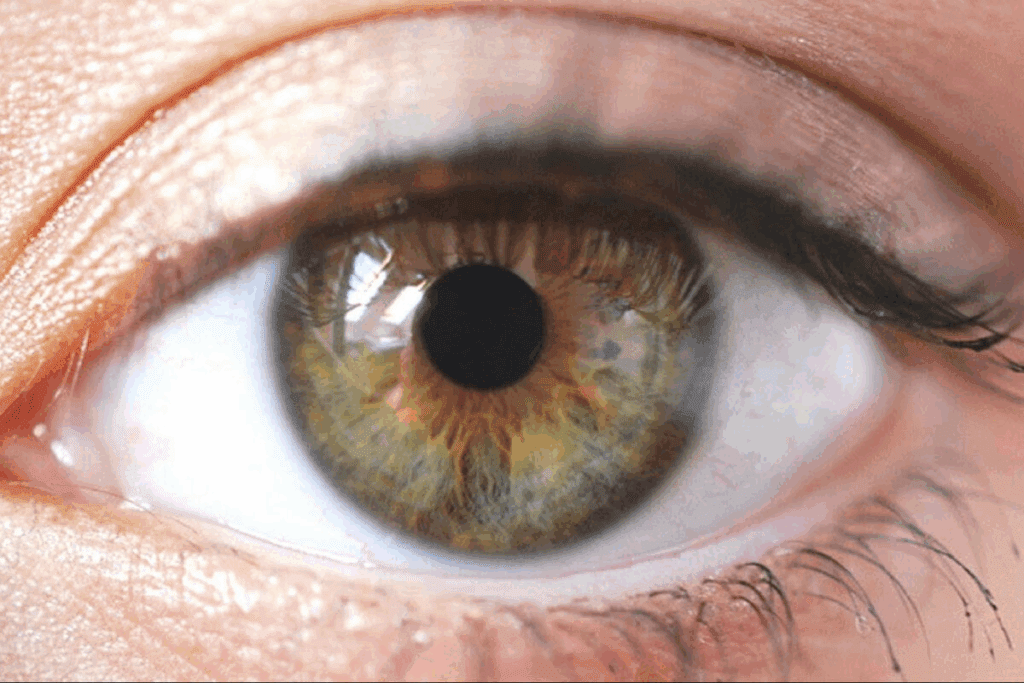
The optic disc is key to our vision. It’s where the optic nerve fibers leave the eye. Its look can tell us a lot about eye and brain health.
Normal Optic Disc Features
A normal optic disc looks a certain way. It has a cup-to-disc ratio, a sharp edge, and a specific color. The cup-to-disc ratio is important for checking the disc’s health. It should be between 0.3 and 0.5.
The disc’s edge should be clear and its color orange-pink. The optic disc also has a natural cup in the center. The area around this cup should be even in color and complete.
Anatomical Variations
Not everyone’s optic disc looks the same. Sizes, shapes, and ratios can vary. Some might have optic disc drusen or tilted discs. Knowing these differences helps doctors tell normal from abnormal.
For example, a bigger disc might have a bigger cup. This could look like glaucoma damage at first glance. But, it’s not always a problem. Tilted discs can also be tricky to diagnose. Knowing these variations helps doctors make the right call.
Epidemiology of Disc Edema
It’s important to understand the epidemiology of disc edema to manage it well. This condition, where the optic disc swells, can be caused by many things. These include high pressure in the brain, optic neuritis, and ischemic optic neuropathy.
Prevalence and Demographic Patterns
Disc edema is rare, affecting about 2 to 10 people per 100,000. Its prevalence changes based on the cause and who is studied.
Demographic patterns show some groups are hit harder. For example, young, obese women are more likely to get idiopathic intracranial hypertension (IIH), a cause of disc edema.
Age and Gender Distribution
The age distribution of disc edema depends on its cause. IIH usually strikes young adults, while older people are more likely to get ischemic optic neuropathy.
Gender distribution also varies. IIH is more common in women. This shows why gender-specific factors are key in treating disc edema.
Risk Factors
Several risk factors have been found for disc edema. These include being overweight, having high blood pressure, and conditions that raise brain pressure. Knowing these risk factors helps in early detection and treatment.
- Being overweight is a big risk, mainly for IIH.
- Hypertension can lead to disc edema by raising brain pressure.
- Other conditions, like multiple sclerosis and ischemic optic neuropathy, also raise the risk.
Pathophysiological Mechanisms Leading to Optic Disc Swelling
Optic disc swelling has many causes. These include problems with axoplasmic flow, vascular issues, and inflammation. Knowing these causes helps doctors diagnose and treat the condition better.
Axoplasmic Flow Disruption
Axoplasmic flow is how proteins and molecules move in neurons. When this flow stops, it can cause the optic disc to swell. This happens because material builds up in the axons.
Mechanisms of Axoplasmic Flow Disruption:
- Compression of the optic nerve
- Increased intracranial pressure
- Ischemia or hypoxia
Increased Intracranial Pressure Effects
High intracranial pressure (ICP) also causes optic disc swelling. High ICP presses on the optic nerve. This disrupts axoplasmic flow and leads to swelling.
The effects of increased ICP on the optic nerve include:
- Mechanical compression
- Impaired axoplasmic transport
- Ischemic changes due to compromised blood flow
Vascular and Inflammatory Factors
Vascular and inflammatory factors are also key in optic disc swelling. Inflammation makes blood vessels leak, causing swelling. High blood pressure and lack of blood flow can make things worse.
Key vascular and inflammatory factors include:
Factor | Description |
Inflammation | Increased vascular permeability and fluid leakage |
Hypertension | Vascular damage and increased pressure |
Ischemia | Reduced blood flow leading to tissue damage |
In summary, optic disc swelling comes from many causes. These include problems with axoplasmic flow, high intracranial pressure, and vascular and inflammatory issues. Understanding these causes is key to diagnosing and treating the condition.
Clinical Signs of Optic Disc Edema
It’s important to spot the signs of optic disc edema early. This helps in getting the right treatment fast. A detailed eye exam can show these signs.
Early Ophthalmoscopic Findings
At first, the optic disc might look a bit fuzzy. This is because the nerve layer is slightly hidden. Spotting it early is vital to avoid bigger problems.
The edges of the disc start to blend in with the rest of the eye. This makes it harder to see the normal details of the disc.
As it gets worse, the disc might look red and swollen. It might also lift up a bit. The normal cup in the center might disappear.
Progressive Changes in Disc Appearance
As optic disc edema gets worse, the changes get more obvious. The disc gets higher, and blood spots might show up. These signs show how serious it is.
New spots called cotton-wool might appear. This means there’s inflammation or lack of blood flow. The veins in the retina might also get wider and twisty.
Associated Retinal Findings
Changes in the optic disc are not the only signs. The retina can also show important clues. Look for blood spots, fluid leaks, and cotton-wool spots. Examining the retina closely is key to understanding the problem.
In some cases, optic disc edema can lead to other eye problems. This includes swelling in the macula or fluid under the retina. These issues can affect how well you see. A detailed eye check is important for these patients.
Visual Symptoms Associated with Disc Edema
Disc edema can cause many visual symptoms. These include changes in how well you see and problems with your field of vision. Knowing about these symptoms helps doctors give better care.
Visual Acuity Changes
Seeing things clearly can become harder with disc edema. People might see things blurred or struggle with details. Sometimes, vision stays the same until the condition gets worse. “The visual acuity can be affected to varying degrees, depending on the severity of the disc edema,” say experts.
Visual Field Defects
Visual field defects are another big symptom. Patients might see blind spots or areas where they can’t see well. Doctors use special tests to find and track these problems.
Color Vision Abnormalities
Color vision issues can happen too. Some people see colors differently or less clearly. This makes it hard to see the world around them.
Transient Visual Obscurations
Transient visual obscurations (TVOs) are short times when vision gets worse or goes away. They often happen when you change how you’re sitting or standing. TVOs are a key sign of disc edema, often linked to high pressure inside the skull. “Transient visual obscurations are a hallmark symptom that warrants further investigation,” says a study.
Understanding these visual symptoms helps doctors help patients more. Finding and treating problems early is key to improving life quality.
Systemic Signs That May Accompany Optic Disc Edema
Systemic signs with optic disc edema can hint at the cause. It’s key to spot these signs for full patient care.
Headaches and Neurological Symptoms
Headaches are common in papilledema, getting worse with certain positions. Symptoms like dizziness or confusion suggest high intracranial pressure or other brain issues.
Headaches with optic disc edema can be very bad. It’s important to know how long they last and what makes them better or worse.
Nausea and Vomiting
Nausea and vomiting often come with optic disc edema, mainly when there’s high intracranial pressure. These symptoms can cause dehydration and electrolyte problems if not handled right.
In some cases, nausea and vomiting can get worse with posture or movement changes. This hints at the role of intracranial pressure.
Pulsatile Tinnitus
Pulsatile tinnitus is a rhythmic ear sound that matches the heartbeat. It’s linked to issues with intracranial pressure or blood vessels.
Other Systemic Manifestations
Other signs with optic disc edema include visual problems like transient visual obscurations or double vision. These can really affect a patient’s life and need quick attention.
In summary, signs like headaches, neurological issues, nausea, vomiting, and pulsatile tinnitus in optic disc edema patients need a detailed check-up. This helps find the cause and manage it properly.
Common Causes of Optic Disc Edema
Optic disc edema can come from many different conditions. Each one needs its own treatment plan. Knowing what causes it is key to helping patients.
Idiopathic Intracranial Hypertension
Idiopathic intracranial hypertension (IIH) is when the brain’s pressure goes up without a reason. It’s a big reason for optic disc edema, mainly in young adults and obese women. It’s the top cause of papilledema in people under 50.
The brain’s fluid pressure goes up, which can hurt the optic nerve. If not treated, it can cause lasting damage.
Optic Neuritis
Optic neuritis is when the optic nerve gets inflamed. It’s a big cause of optic disc edema. It shows up with sudden vision loss and eye pain.
It’s linked to diseases like multiple sclerosis. Quick diagnosis and treatment are key to avoiding permanent vision loss.
Ischemic Optic Neuropathy
Ischemic optic neuropathy (ION) happens when the optic nerve doesn’t get enough blood. This leads to edema and vision loss. It’s more common in older adults.
It’s linked to things like high blood pressure and diabetes. There are two types: arteritic and non-arteritic. The non-arteritic type is more common.
Malignant Hypertension
Malignant hypertension is very high blood pressure. It can cause optic disc edema and other serious problems. The high pressure can damage the eye’s blood vessels.
This can lead to severe vision problems. Keeping blood pressure under control is very important.
In conclusion, optic disc edema has many causes. A thorough diagnosis is needed for the right treatment. This helps improve patient outcomes.
Differential Diagnosis: Pseudopapilledema vs. True Disc Edema
Pseudopapilledema and true optic disc edema are tricky to tell apart. Knowing their differences is key to proper treatment.
Optic Disc Drusen
Optic disc drusen look like optic disc edema but are not the same. They are usually calcified and make the optic disc look raised. Early on, they don’t usually cause big vision problems.
Tilted Discs and Myopic Changes
Tilted discs and myopic changes can look like optic disc edema. Tilted discs happen when the optic nerve enters the eye at an odd angle. Myopic changes, like chorioretinal atrophy, can also change how the optic disc looks.
Myelinated Nerve Fibers
Myelinated nerve fibers can also be mistaken for optic disc edema. They make the optic disc look swollen. But, they have a unique white, feathery look.
Key Distinguishing Features
To tell pseudopapilledema from true disc edema, look closely. Look for venous congestion, retinal hemorrhages, and visual field defects. These are signs of true disc edema.
Feature | Pseudopapilledema | True Disc Edema |
Venous Congestion | Absent | Present |
Retinal Hemorrhages | Absent | May be present |
Visual Field Defects | Typically absent or minimal | May be present |
Optic Disc Appearance | Elevated, may have drusen or other anomalies | Swollen, hyperemic |
Knowing these differences helps doctors make the right diagnosis. This leads to better treatment plans.
Modern Diagnostic Approaches for Optic Disc Edema
Diagnosing optic disc edema involves several steps. We use clinical checks, imaging, and lab tests to find the cause. Our goal is to identify the problem and create a treatment plan.
Clinical Examination Techniques
A detailed clinical check is key in diagnosing optic disc edema. We look at the optic disc with a fundoscope to see swelling or other issues. We also test the patient’s vision to spot any problems.
Fundoscopic Examination Findings:
- Optic disc swelling
- Disc margin blurring
- Retinal hemorrhages
- Exudates
Imaging Studies
Imaging is very important in diagnosing optic disc edema. We use optical coherence tomography (OCT) to get clear images of the optic disc and retina. OCT helps us see how thick the retinal nerve fiber layer is and spot any issues.
Imaging Modalities Used:
Imaging Modality | Diagnostic Utility |
Optical Coherence Tomography (OCT) | Assesses retinal nerve fiber layer thickness and detects structural abnormalities |
Magnetic Resonance Imaging (MRI) | Evaluates the optic nerve and surrounding structures for signs of pathology |
Computed Tomography (CT) | Helps identify intracranial causes of optic disc edema, such as tumors or increased intracranial pressure |
Laboratory Tests
We run many tests to find the cause of optic disc edema. These include blood counts, ESR, and CRP to check for inflammation or infection.
Lumbar Puncture Findings
Lumbar puncture is key in some cases, like idiopathic intracranial hypertension. We measure the opening pressure and check the cerebrospinal fluid for signs of infection or inflammation.
Lumbar Puncture Findings in Optic Disc Edema:
- Elevated opening pressure
- Abnormal CSF composition
- Presence of infection or inflammation
Conclusion
It’s important to spot optic disc edema early to avoid vision problems. We’ve talked about what it is, why it happens, and how it affects your eyes. We also looked at its signs and how common it is.
Optic disc edema is when the optic disc swells. This can happen for many reasons, like high blood pressure in the brain or eye problems. Knowing why it happens helps doctors treat it right.
Early action is key to stop optic disc edema from getting worse. Doctors use special tests to find and treat it. This helps keep your eyes healthy.
Doctors need to know about optic disc edema to help patients. They can then treat the real cause and stop vision loss. This is how we keep your eyes in top shape.
FAQ
What is optic disc edema?
Optic disc edema is when the optic disc swells. This is the part of the retina where optic nerve fibers leave the eye. It can happen for many reasons, like high pressure in the brain, inflammation, or blood vessel problems.
What are the symptoms of optic disc edema?
Symptoms can vary but often include blurry vision, double vision, or losing side vision. Some people might also get headaches, feel sick, or vomit. Sometimes, there are no symptoms at all.
How is optic disc edema diagnosed?
Doctors use a detailed eye exam, including ophthalmoscopy, to see the optic disc. They might also do OCT or MRI scans. Blood tests and a lumbar puncture can help find the cause.
What are the common causes of optic disc edema?
Common causes include high pressure in the brain, optic neuritis, and blood flow problems. Tumors, infections, and inflammation can also cause it.
How is hyperemic optic disc related to optic disc edema?
A hyperemic optic disc looks red and swollen because of too much blood flow. This is often a sign of inflammation or high brain pressure.
Can optic disc edema cause permanent vision loss?
Yes, if not treated, it can damage the optic nerve and cause permanent vision loss. Quick diagnosis and treatment are key to avoiding vision problems.
What is the difference between optic disc edema and pseudopapilledema?
Pseudopapilledema looks like optic disc edema but doesn’t have the same swelling. It’s important to tell them apart for proper treatment.
How does increased intracranial pressure cause optic disc edema?
High pressure in the brain can block the optic nerve’s flow, causing swelling. This pressure can come from tumors, fluid buildup, or other conditions.
Are there any specific risk factors for developing optic disc edema?
Yes, risks include high brain pressure, inflammation, blood diseases, and infections. Age and gender can also affect the risk of certain causes.
What is the role of imaging studies in diagnosing optic disc edema?
Imaging like OCT and MRI is key for diagnosing. They show the optic disc and help find swelling and causes.
Can swelling of the optic disc be a sign of a serious underlying condition?
Yes, it can signal serious issues like brain tumors or high brain pressure. Quick medical check-ups are needed to find and treat the cause.
How is optic disc edema treated?
Treatment varies based on the cause. It might involve lowering brain pressure, treating inflammation, or managing diseases. Sometimes, surgery is needed.
Is optic disc edema associated with other systemic symptoms?
Yes, it can cause headaches, nausea, vomiting, and other neurological symptoms, depending on the cause.
References
National Center for Biotechnology Information. Evidence-Based Medical Guidance. Retrieved from https://pmc.ncbi.nlm.nih.gov/articles/PMC8240241/