

Choosing cervical disc replacement surgery is a big step. Knowing about the recovery process helps you make a better choice. At Liv Hospital, we help you understand the key facts about cervical disc arthroplasty recovery.
The disc replacement in neck recovery has several steps. Most people get better in three to six months. Our team is here to give you all the info you need for a smooth recovery journey.
Key Takeaways
- Cervical disc replacement recovery is a multi-phase process.
- Most patients achieve full recovery within three to six months.
- Understanding the recovery process is key for making a good choice.
- Liv Hospital offers full support during your recovery.
- Our team works hard to make sure your recovery is smooth and successful.
Understanding Cervical Disc Replacement Surgery
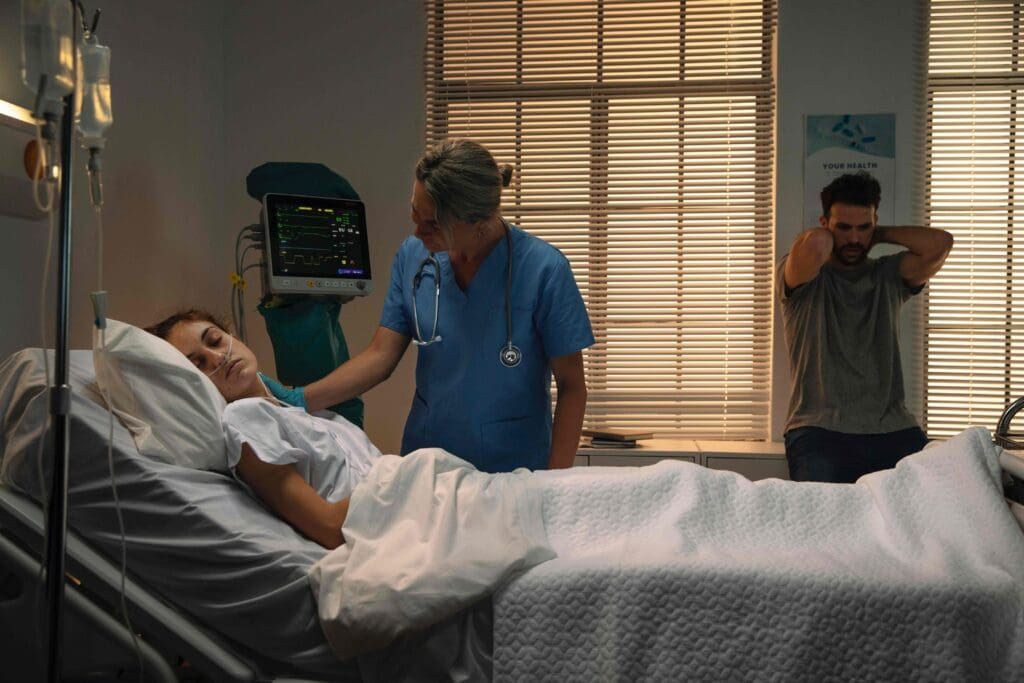
For those with chronic neck pain from disc degeneration, cervical disc replacement surgery is a hopeful option. This surgery replaces a damaged or sick cervical disc with an artificial one. It aims to bring back normal spinal function and ease pain.
What is Cervical Disc Replacement?
Cervical disc replacement is a surgery for neck pain and symptoms from degenerative disc disease or herniated discs. It’s different from traditional spinal fusion surgery. This method keeps the treated area moving, which might lower the chance of problems in other parts of the spine.
Conditions Treated with Cervical Disc Replacement
This surgery is often suggested for those with:
- Degenerative disc disease
- Herniated discs
- Neck pain
- Radiculopathy (nerve root pain)
It’s key for patients to get a detailed check-up to see if this surgery is right for them.
Benefits Over Traditional Fusion Surgery
Cervical disc replacement has some big advantages over traditional fusion surgery, including:
- Preservation of Motion: This surgery keeps the treated area moving. This might help reduce stress on other discs and lower the risk of future problems.
- Faster Recovery: Many people recover faster with this surgery. The artificial disc allows for more natural movement.
- Reduced Risk of Adjacent Segment Disease: Keeping the area moving can also lower the risk of disease in other parts of the spine.
Early studies show that over 90 percent of those who have cervical disc replacement recovery feel a lot better. They experience less neck pain and better mobility. This makes it a very effective treatment for the right candidates.
The Complete Disc Replacement in Neck Recovery Timeline
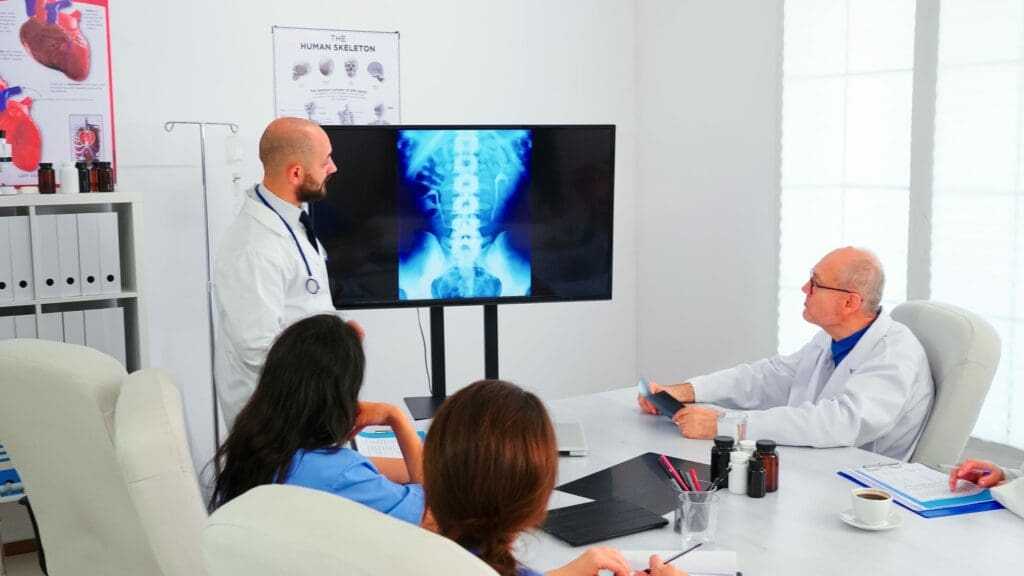
Knowing the recovery timeline is key for those having neck disc replacement surgery. We’ll walk you through the four recovery phases. You’ll learn what to expect at each stage.
Immediate Post-Operative Period (24-48 Hours)
The first 24 to 48 hours after surgery are vital for healing. We manage pain, reduce swelling, and prevent problems. Patients usually stay in the hospital for a day or two before going home.
Key aspects of this phase include:
- Rest and relaxation to allow the body to heal
- Effective pain management through medication
- Monitoring for any signs of complications or adverse reactions
Early Recovery Phase (1-3 Weeks)
In the early recovery phase, patients start to feel better. They slowly increase their activity and start physical therapy to aid in recovery.
Notable developments during this phase:
- Gradual return to light activities and mobility exercises
- Initiation of physical therapy to improve range of motion and strength
- Continued pain management and monitoring for any complications
Mid-Term Recovery (1-3 Months)
In the mid-term recovery phase, patients see big improvements. We refine physical therapy to help them get back to normal activities.
Key milestones in this phase:
- Increased strength and flexibility in the neck and surrounding muscles
- Enhanced range of motion and reduced stiffness
- Gradual return to more strenuous activities and exercises
Long-Term Recovery (3-6 Months)
The long-term recovery phase sees continued progress. Most patients see big improvements. We focus on keeping the spine healthy and preventing future problems.
Long-term recovery highlights:
- Full integration of physical therapy exercises into daily routines
- Return to most, if not all, pre-surgery activities
- Ongoing monitoring and maintenance to ensure long-term success
Understanding the four phases of disc replacement in neck recovery helps patients. Our team is here to support you every step of the way.
Key Fact #1: Pain Relief Success Rates After Surgery
People worried about pain after cervical disc replacement surgery often ask about relief levels. Knowing how much pain relief to expect is key to recovery. It helps set realistic goals.
90% Success Rate for Pain Reduction
More than 90% of patients see a big drop in neck pain after surgery. This success is thanks to the surgery’s precision and the latest technology.
Key factors contributing to this success rate include:
- Accurate diagnosis and patient selection
- Advanced surgical techniques and technology
- Effective post-operative care and rehabilitation
Comparing Pre and Post-Surgery Pain Levels
Patients often feel much less pain after surgery. Looking at pain levels before and after helps us see how well the surgery works.
A study comparing pain levels before and after surgery found that:
| Timeframe | Average Pain Level |
|---|---|
| Pre-Surgery | 7.5/10 |
| 6 Months Post-Surgery | 2.1/10 |
Patient Testimonials and Satisfaction
What patients say about their surgery is very telling. Many are very happy with the pain relief they get.
“I was amazed at how quickly I recovered and how much my pain decreased after the surgery. The entire process was handled with professionalism and care.”
We aim to help our patients get the best results. Knowing about pain relief after surgery helps them choose wisely.
Key Fact #2: Expected Mobility Improvements During Recovery
Getting back to moving freely is key in cervical disc replacement recovery. As you heal, you’ll notice big improvements in how well you can move. We’ll show you when you can expect these changes and how to help your recovery along.
Timeline for Range of Motion Restoration
How fast you regain movement varies, but most see big changes in a few months. Noticeable improvements usually happen between 6 to 12 weeks after surgery. You’ll likely feel more flexible and less stiff in your neck during this time.
Activities That Help Improve Mobility
Doing certain activities can really help with getting your mobility back. Gentle stretching exercises are great for keeping your neck flexible and helping it heal. Also, physical therapy sessions are key. They help you do exercises that fit your needs.
- Gentle neck stretches
- Range of motion exercises
- Strengthening exercises for neck muscles
Signs of Successful Mobility Recovery
Knowing when you’re getting better is important. Look for less pain and discomfort, more flexibility, and doing daily tasks easier. Being able to stand up straight and do physical activities without trouble shows you’re on the right track.
Understanding how you’ll get better with cervical disc replacement recovery helps a lot. Our team is here to support you. We want to make sure you get back to moving freely and doing what you love with confidence.
Key Fact #3: Returning to Daily Activities and Work
Returning to daily activities and work is a big step after cervical disc replacement surgery. It’s important to know when and how to start again. This helps ensure a good recovery.
Resuming Light Activities (1-2 Weeks)
Patients can start with light activities 1-2 weeks after surgery. These might include:
- Short walks
- Light stretching exercises
- Gentle household chores
It’s essential to listen to your body and not overexert yourself during this period. Slowly increasing activity helps regain strength and mobility.
Returning to Work Expectations (1-3 Weeks)
Most people can go back to light work and daily activities in 1-3 weeks. But, the exact time depends on the job and how fast you recover.
| Job Type | Typical Return to Work Time |
|---|---|
| Desk Job | 1-2 weeks |
| Manual Labor | 2-3 weeks or more |
Driving and Travel Considerations
Driving and travel are big parts of daily life. Patients can usually drive again in 1-2 weeks after surgery. They should be comfortable and off pain meds that could affect driving.
For travel, it’s best to avoid long trips early on. If you must travel, take breaks to stretch and move around.
Full Activity Resumption Timeline
It takes 6 to 12 weeks to get back to full activities after cervical spinal surgery. Always follow your healthcare provider’s advice. They can give personalized guidance based on your recovery.
Knowing the recovery timeline and following your healthcare team’s advice helps ensure a smooth recovery from c spine surgery.
Key Fact #4: The Role of Physical Therapy in Disc Replacement in Neck Recovery
Rehabilitation is key for patients after cervical disc arthroplasty. Physical therapy is a big part of getting better. It helps patients regain strength and move their neck freely.
When Physical Therapy Begins
Physical therapy starts a few weeks after surgery. Our team creates a plan just for you. It’s based on your needs and goals.
Essential Rehabilitation Exercises
A good physical therapy program includes many exercises. These help with movement, strength, and flexibility. Some important ones are:
- Neck stretches to improve flexibility
- Strengthening exercises for the neck and shoulder muscles
- Posture correction techniques to reduce strain on the neck
Working with Your Physical Therapist
Talking to your physical therapist is important. We want you to ask questions and share any worries. Being active in your therapy is key.
Measuring Progress Through Rehabilitation
We check your progress often. We look at how well you move, your strength, and pain levels. This helps us make your plan better.
Adding physical therapy to your recovery helps a lot. You’ll likely see better neck movement and less pain.
Key Fact #5: Recovery Differences in Multi-Level Disc Replacements
Recovery from cervical disc replacement surgery can vary a lot. This depends on whether one or more levels are treated. The specifics of the surgery, like how many levels are addressed, greatly affect the recovery time and experience.
Studies show that recovery time can change based on the number of levels treated. Multi-level disc replacements are more complex. This can make the recovery longer and more detailed.
2-Level Cervical Disc Replacement Recovery
When two levels are treated, recovery is often longer than for single-level procedures. Typically, the hospital stay is short, usually a few hours to overnight. But, the overall recovery time might be longer.
Research indicates that the first few weeks post-surgery can be tough. Following the surgeon’s instructions closely is key to a good recovery.
C6-C7 Disc Replacement Recovery Specifics
The C6-C7 level is common for cervical disc replacement. This is because it’s very mobile and prone to wear and tear. Recovery at this level can be affected by its closeness to the thoracic spine and any pre-existing conditions.
Patients with C6-C7 disc replacement often see improvement in symptoms over the first few months. Physical therapy is vital for regaining strength and mobility in the affected area.
C5-C6 Disc Replacement Recovery Considerations
The C5-C6 level is also frequently treated. It’s known for its significant range of motion. Recovery for this level involves managing pain and regaining neck mobility.
“The key to successful recovery is not just the surgery itself, but the complete care and rehabilitation that follows.” Spine Specialist
Comparing Single vs. Multiple Level Recovery
Comparing single-level to multi-level cervical disc replacement recovery shows key differences. Multi-level procedures usually have a longer and more complex recovery.
- Single-level recovery is simpler, with many patients returning to normal activities in a few weeks.
- Multi-level recovery is more challenging but can lead to significant improvements in pain and function over a longer time.
It’s important for patients to understand these differences. This helps set realistic expectations and work closely with healthcare providers to improve recovery.
Key Fact #6: Factors That Influence Recovery Timeframes
Knowing what affects recovery time is key for those having cervical disc replacement surgery. Several things can change how fast and easy a recovery is. We’ll dive into these factors to help you understand what to expect.
Age and Overall Health Impact
Age and health are big factors in recovery time. Younger, healthier people usually recover faster than older or sicker ones. “A patient’s health and age greatly affect their recovery,” says a top spine surgeon. Our team uses these factors to create a recovery plan just for you.
Adherence to Post-Operative Care
Following your doctor’s post-op care is very important for a smooth recovery. This means sticking to your medication, going to physical therapy, and not lifting or bending too much. Following these instructions closely can help avoid problems and speed up recovery.
Pre-Existing Conditions
Conditions like diabetes or heart disease can slow down recovery. Patients with these may need extra care during their recovery. Our team works closely with you to manage these conditions and get the best results.
Surgical Technique and Technology
The surgery method and technology used can also affect recovery time. Newer, less invasive techniques can cause less damage and heal faster. Our surgeons use the latest in spinal surgery to get the best results.
In summary, recovery time after cervical disc replacement surgery depends on many things. These include age, health, following post-op care, existing conditions, and the surgery method. Understanding these factors helps patients prepare for their recovery and get the best results.
Key Fact #7: Life After Cervical Disc Replacement
Life after cervical disc replacement brings better mobility and less pain. This makes daily activities easier. We help patients understand the benefits and how to keep their spine healthy.
Long-Term Function and Comfort
Patients feel better and more comfortable after recovery. Research shows the surgery helps with pain and improves life quality. We aim to help our patients get the best results.
Maintaining Spine Health
Keeping the spine healthy is key for lasting success. This means regular exercise, good posture, and a healthy lifestyle. We suggest activities like yoga or physical therapy to strengthen spine muscles.
Follow-Up Care Requirements
Regular check-ups are vital for recovery. We keep an eye on how patients are doing and handle any issues. Patients usually visit us at 1, 3, 6, and 12 months post-surgery.
| Follow-Up Visit | Timeline | Purpose |
|---|---|---|
| Initial Follow-Up | 1 month | Assess wound healing and initial recovery |
| Progress Check | 3 months | Evaluate range of motion and pain levels |
| Mid-Term Assessment | 6 months | Assess overall recovery and function |
| Final Follow-Up | 12 months | Confirm long-term success and address any concerns |
Activity Modifications for Long-Term Success
Patients may need to change some activities for long-term success. They should avoid heavy lifting and bending. We help them find exercises that are good for their spine.
By following these tips and caring for their spine, patients can live a full life after surgery. We support our patients from the start to long-term recovery.
Conclusion: Making an Informed Decision About Cervical Disc Replacement
Knowing how to recover from disc replacement in the neck is key. This knowledge helps you make smart choices about your care. By looking at the 7 important facts in this article, you can understand your recovery better. We’ve talked about how cervical disc arthroplasty can help with pain and improve movement.
Our team is here to help you from the start to the end of your recovery. Choosing a trusted medical place is important for a good outcome. We suggest talking to your doctor about what you need. This way, you can find the best treatment for your situation.
What is the typical recovery time for cervical disc replacement surgery?
Recovery from cervical disc replacement surgery usually takes three to six months. But, most people can start with light activities in one to three weeks.
How long does it take to recover from a 2-level cervical disc replacement?
A 2-level cervical disc replacement takes longer to recover from. It usually takes four to six months.
What are the benefits of cervical disc replacement over traditional fusion surgery?
Cervical disc replacement has many benefits. It keeps natural motion, lowers the risk of disease in other segments, and might lead to quicker recovery.
When can I return to work after cervical disc replacement surgery?
Most people can go back to work in one to three weeks. It depends on your job and how you’re recovering.
What role does physical therapy play in cervical disc replacement recovery?
Physical therapy is key in recovery. It helps you regain strength, mobility, and range of motion.
How long does it take to regain full mobility after cervical disc replacement?
Full mobility varies. But, most people see big improvements in three to six months after surgery.
Are there any activity modifications I need to make after cervical disc replacement?
Yes, you might need to avoid heavy lifting, bending, or high-impact exercises. This helps ensure long-term success.
What are the success rates for pain relief after cervical disc replacement?
Over 90 percent of patients get significant pain relief from neck pain after surgery.
How does recovery from cervical disc replacement differ for multi-level procedures?
Multi-level procedures take longer and need more rehabilitation. This is compared to single-level procedures.
What factors can influence recovery timeframes after cervical disc replacement?
Age, health, following post-operative care, and pre-existing conditions affect recovery time. These factors play a big role.
What is the long-term outlook after cervical disc replacement?
With proper care and follow-up, patients can enjoy improved function and comfort long-term after surgery.