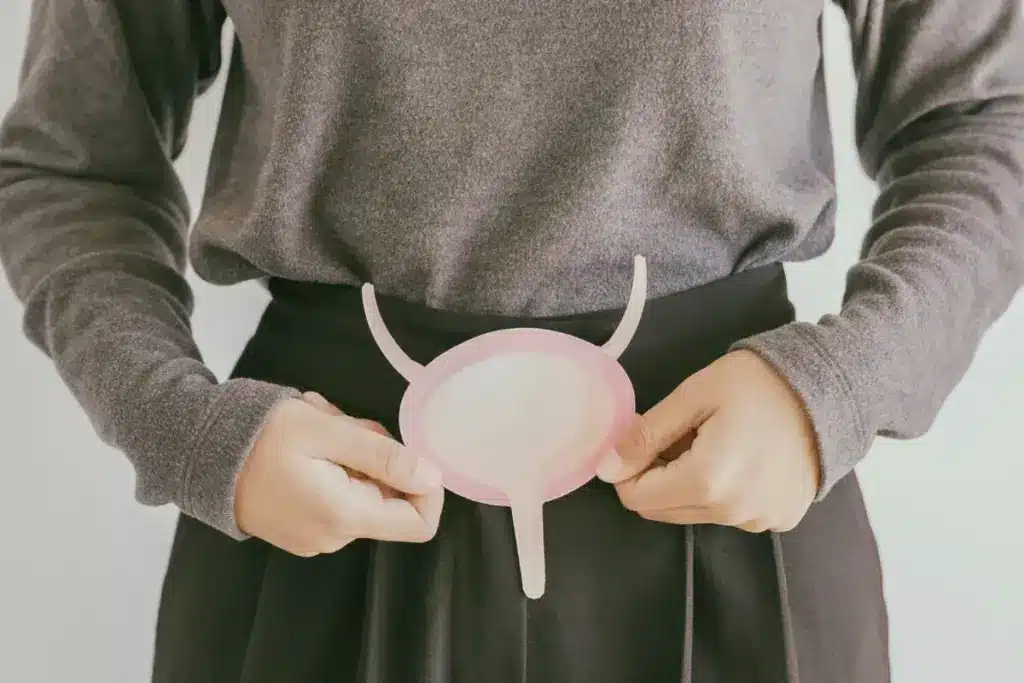
About 10 million people in the United States deal with urinary retention. This issue often leads to a distended bladder. It can really hurt your daily life, causing pain and making simple tasks hard.
A distended bladder happens when the bladder gets too full. This is usually because something is blocking it or the muscles are weak. Knowing if a stretched bladder can go back to normal is key for those affected.
We will look into why bladders get distended and if they can heal. We’ll talk about keeping your bladder healthy. Our goal is to help you understand the importance of bladder care and the treatments for urinary retention.
Key Takeaways
- Understanding the causes of a distended bladder is key for effective treatment.
- Bladder distention can come from blockages or weak bladder muscles.
- Good bladder health is vital for your overall well-being.
- There are many treatments for urinary retention and bladder distention.
- Proper care and management can help recover from a stretched bladder.
Understanding a Distended Bladder
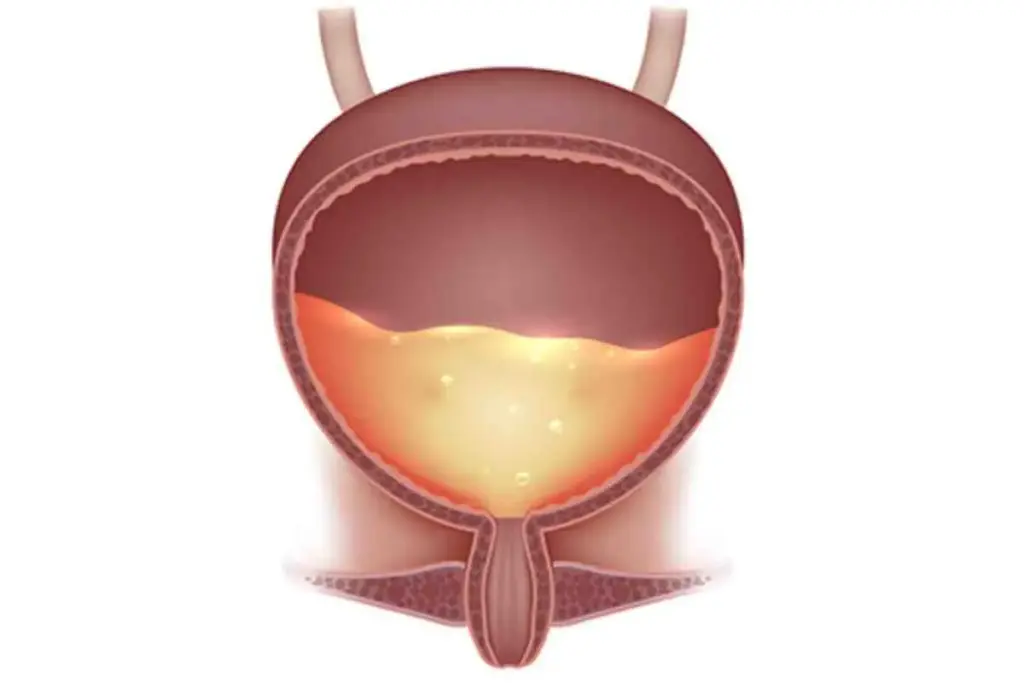
Bladder distension is when the bladder stretches too much. It happens when urine stays in the bladder, causing it to expand. This can lead to discomfort and health problems.
What is Bladder Distension?
Bladder distension is when the bladder gets too full because of urine. It can be due to blockages, nerve issues, or weak muscles. Knowing what bladder distension meaning is helps find the cause and get the right treatment.
Common Causes of a Distended Bladder
Many things can make a bladder distend. Some common distended bladder causes are:
- Urinary tract blockages
- Neurological problems like multiple sclerosis
- Weaker bladder muscles with age
- Medicines that affect bladder function
Finding the cause is key to treating it well.
Symptoms of Bladder Distension
The symptoms of bladder distension can differ but often include:
- Needing to urinate a lot
- Hard time starting to pee
- Weak urine flow
- Feeling like you didn’t empty your bladder
- Leaking urine
Spotting these signs early is important for getting help. Sometimes, it can cause the bladder wall to thicken, needing medical care.
Knowing what distension definition is and its signs is key to managing it. If you notice these symptoms, see a doctor for help.
Impact on Urinary Function

A distended bladder affects urination in many ways. It changes how often and how well you can urinate. This can really impact your daily life.
How a Distended Bladder Affects Urination
A distended bladder changes how you urinate. It can cause urine retention, where you don’t fully empty your bladder. This can be uncomfortable and may lead to infections.
The bladder muscles get stretched out. This makes it hard for them to contract and empty the bladder fully.
Some common symptoms include:
- Difficulty starting urination
- Weak or interrupted urine flow
- Frequent urination
- Urgent need to urinate
Potential Complications from Distension
If not treated, a distended bladder can cause serious problems. These include:
|
Complication |
Description |
|---|---|
|
Urinary Tract Infections (UTIs) |
Incomplete bladder emptying can lead to bacterial growth, causing UTIs. |
|
Bladder Damage |
Prolonged distension can cause permanent damage to the bladder muscles. |
|
Kidney Damage |
Severe or prolonged urine retention can lead to kidney damage due to backpressure. |
If symptoms don’t go away or get worse, see a doctor. Early treatment can prevent serious damage and improve your health.
Diagnosis of Bladder Distention
Diagnosing bladder distension involves several steps. We use a detailed approach to find out why the bladder is swollen. This helps us understand the cause.
Medical History and Symptoms Review
First, we look at the patient’s medical history and symptoms. We ask about their urine habits, any pain, and past urinary problems. This information is key.
Diagnostic Imaging Techniques
We use diagnostic imaging techniques to see the bladder. These include:
- Ultrasound: To check the bladder’s size and look for any issues.
- X-rays: To find blockages or problems in the urinary tract.
- CT scans: For a detailed look at the bladder and nearby areas.
Urine Tests and Other Assessments
We also do urine tests to find infections or other problems. Other tests might include:
- Urinalysis to find blood, protein, or other unusual things in the urine.
- Urodynamic tests to see how well the bladder holds and releases urine.
Treatment Options for a Distended Bladder
There are many ways to treat a distended bladder. These include simple lifestyle changes and more serious surgeries. We’ll look at each option, discussing their benefits and what to consider.
Lifestyle Changes and Home Remedies
Simple changes in your daily life can help a lot with a distended bladder.
- Dietary Changes: Drinking more water, cutting down on caffeine and alcohol, and eating well can help your bladder.
- Timed Voiding: Going to the bathroom at the same times every day can train your bladder.
- Pelvic Floor Exercises: Doing Kegel exercises can make your pelvic floor muscles stronger, supporting your bladder.
These lifestyle changes are often the first recommendations from healthcare professionals due to their effectiveness in improving bladder health. They’re easy to do and can work well.
Medications for Bladder Health
If simple changes don’t help, doctors might prescribe medicine for a distended bladder.
- Alpha-blockers: These drugs relax muscles in the prostate and bladder neck, making it easier to pee.
- Anticholinergics: These medicines reduce bladder muscle spasms, helping with urgency and frequency.
Talking to your doctor about the good and bad of these medicines is important.
Surgical Interventions
For serious cases, surgery might be needed to fix a distended bladder.
- Catheterization: If you can’t pee on your own, a catheter might be used to empty your bladder.
- Surgery for Obstructions: Removing blockages like tumors or scar tissue can help your bladder work right again.
Surgery is usually a last resort, after other treatments have failed or aren’t right for you.
How Long Does Recovery Take?
The time it takes to get back to normal after a distended bladder varies. It depends on the cause, treatment success, and your health.
Timeline for Return to Normal Function
Recovery times for a distended bladder differ a lot. Symptoms can get better in a few days with the right treatment. But, it might take weeks or months for the bladder to fully recover.
Here’s a general recovery timeline:
- Initial improvement: 1-4 weeks
- Significant recovery: 6-12 weeks
- Full recovery: 3-6 months or longer
Factors Influencing Recovery
Many things can affect how fast you recover from a distended bladder. These include:
- The cause of the bladder distension
- The severity of the distension
- The success of the treatment plan
- Your overall health and lifestyle
Asa urologist, says, “A healthy lifestyle, including a balanced diet and regular exercise, can greatly help your recovery.”
“Recovery is not just about treating the condition but also about adopting habits that promote overall bladder health.”
Preventing Bladder Distention
We can stop bladder distension by knowing why it happens and acting early. It happens when the bladder gets too full and stretched. This is often because of not being able to urinate or something blocking the way. By living healthy and watching our bladder, we can lower the chance of it happening.
Tips for Maintaining Bladder Health
Keeping our bladder healthy means making lifestyle changes and being aware. Here are some ways to stop bladder distension:
- Stay Hydrated: Drinking enough water helps clean out the bladder. But, don’t drink too much, as it can hurt the bladder.
- Practice Good Urination Habits: Take your time when you pee. Try to relax. Don’t push too hard, as it can weaken the bladder muscles.
- Maintain a Healthy Weight: Being overweight can put extra pressure on the bladder. This can make distension more likely.
- Avoid Irritants: Some foods and drinks, like caffeine, alcohol, and spicy foods, can upset the bladder and make distension worse.
As “a urologist, notes, ‘A healthy bladder is essential for overall urinary health. By making simple lifestyle changes, individuals can significantly reduce their risk of bladder distension'”.
Importance of Regular Check-ups
Regular doctor visits are key to avoiding bladder distension. During these visits, doctors can:
- Look at your medical history to find out if you’re at risk for bladder distension.
- Do physical checks to see if there are any problems.
- Do tests like ultrasound or urine analysis to find issues early.
Regular check-ups help find and treat bladder problems early. This lowers the chance of serious issues. By being proactive about our bladder health, we can avoid distension and keep our urinary system working well.
When to Seek Medical Attention
It’s important to know when to get medical help for a distended bladder. A big bladder can cause serious problems if not treated quickly.
Warning Signs of Severe Distention
Severe bladder distension shows up in several scary ways. These include:
- Severe pain in the lower abdomen or back
- Difficulty urinating or being unable to urinate
- Blood in the urine or dark-colored urine
- Fever with chills or other infection signs
- Swelling in the abdominal area
If you see any of these signs, get medical help right away.
The Role of a Healthcare Professional
A doctor is key in finding and fixing bladder problems. They will:
- Look over your medical history to find the cause
- Do tests like ultrasound or urine analysis to check the bladder
- Make a treatment plan that might include medicine, lifestyle changes, or surgery
Doctors say, “Acting fast is important to avoid lasting damage and get better quickly.” So, see a doctor if you have bladder distension symptoms.
Dealing with a big bladder can be tough. But, with the right medical care and support, you can handle it and stop it from happening again.
The Role of Diet and Hydration
A well-balanced diet and enough water are key for a healthy bladder. What we eat affects our bladder’s function and health.
Foods That Benefit Bladder Health
Some foods are good for our bladder. These include:
- Cranberries: They might help lower the risk of urinary tract infections.
- Probiotic-rich foods: Like yogurt, they help keep the urinary tract healthy.
- Leafy greens: They’re full of antioxidants and fiber, which is good for overall health.
- Whole grains: They give us important nutrients and fiber.
Eating these foods can help keep your bladder healthy and lower the chance of bladder problems.
Importance of Staying Hydrated
Drinking enough water is vital for bladder health. It helps remove bacteria and other harmful things from the urinary tract. This lowers the risk of infections.
“Drinking enough water is key for urinary health. It helps prevent constipation and reduces the concentration of possible irritants in the urine.”
We suggest drinking 8-10 glasses of water a day. Adjust this based on your needs and how active you are.
|
Fluid Intake |
Benefits for Bladder Health |
|---|---|
|
Adequate water intake |
Flushes out bacteria and pathogens |
|
Herbal teas |
Can provide additional antioxidants |
|
Limit caffeinated and alcoholic beverages |
Reduces irritation to the bladder |
Conclusion: Expectations for Recovery
A distended bladder can be a worry, but it’s treatable. Knowing the causes, symptoms, and treatments helps set realistic hopes for recovery.
Key Takeaways
Bladder distension often stems from health issues or lifestyle choices. Fixing these problems can ease symptoms and aid in healing. Treatment varies from simple changes to more serious steps, based on the case.
Maintaining Bladder Health
To recover well and keep your bladder healthy, drink plenty of water and practice good hygiene. Regular doctor visits are also key. These steps help avoid future problems and improve your life quality.
FAQ
What is bladder distension?
Bladder distension is when the bladder gets too big. This happens when you can’t pee or when something blocks the way.
What causes a distended bladder?
Many things can cause a big bladder. These include blockages, nerve problems, some medicines, and weak muscles.
Can a stretched bladder return to normal?
Yes, a big bladder can get back to normal size and work. But how long it takes depends on the cause and how bad it is.
What are the symptoms of bladder distension?
Signs of a big bladder include trouble peeing, needing to pee a lot, and leaking. You might also feel pain in your belly or back.
How is bladder distension diagnosed?
Doctors check for a big bladder by looking at your history, doing a physical exam, and using tests like ultrasound. They also test your pee to see how your bladder is working.
What are the treatment options for a distended bladder?
Treatment for a big bladder depends on why it’s big. It might include changing your habits, taking medicine, or surgery to fix the problem.
How can I prevent bladder distention?
To avoid a big bladder, pee when you need to, drink enough water, and manage any health issues that might affect your bladder.
What is the role of diet and hydration in bladder health?
Eating right and drinking enough water are key for a healthy bladder. Some foods and drinks can bother your bladder, while others can help.
When should I seek medical attention for bladder distension?
If you have bad pain, can’t pee, or think you might have an infection, see a doctor right away. This helps prevent worse problems.
What is the timeline for recovery from bladder distension?
How long it takes to get better from a big bladder varies. It depends on the cause, how well treatment works, and your overall health.
Can bladder distension lead to long-term complications?
Yes, if not treated, a big bladder can cause serious problems. These include more infections, damage to the bladder or kidneys. That’s why seeing a doctor is important if symptoms don’t go away.
Reference
National Center for Biotechnology Information. Evidence-Based Medical Insight. Retrieved from https://pmc.ncbi.nlm.nih.gov/articles/PMC9609720/