
Managing diverticulitis means knowing how diet and lifestyle affect it. Some habits can make it worse, leading to serious problems.
A diet high in red meat and low in fiber can exacerbate diverticulitis. Making smart food choices can help control the condition and lower the chance of flare-ups.
Key Takeaways
- A diet high in red meat can worsen diverticulitis symptoms.
- Low fiber intake is associated with increased risk of diverticulitis complications.
- Managing weight is key to reducing the risk of diverticulitis flare-ups.
- Certain medications can trigger or worsen diverticulitis.
- Knowing what foods to avoid is essential for managing diverticulitis.
Understanding Diverticulitis and Its Risk Factors
Diverticulitis is a complex condition influenced by diet and lifestyle. Knowing its causes is key to managing and preventing it.
The Pathophysiology of Diverticular Disease
Diverticular disease causes small pouches in the colon wall. The exact cause is not known, but it’s linked to low fiber intake and increased intral uminal pressure. Our guide on explains how to treat it effectively.
How Inflammation Develops in Diverticulitis
Inflammation in diverticulitis happens when diverticula get inflamed, often from fecal blockage. This can cause pain, fever, and bowel changes. Factors like dietary habits, physical inactivity, and obesity play a role. Knowing these can help lower your risk and manage symptoms.
For those with diverticulitis, knowing what to eat is vital. A good diet can ease symptoms and prevent future problems.
The Diverticulitis Diet: Evidence-Based Approaches
Recent studies have shown how important diet is in managing diverticulitis. They offer new insights into preventing and treating the condition. The link between diet and diverticulitis is complex, with many factors affecting symptoms.
How Food Choices Impact Diverticular Health
What we eat greatly affects our diverticular health. Eating a lot of fiber can prevent diverticula from forming. On the other hand, a low-fiber diet can increase the risk of diverticulitis.
Foods high in soluble fiber, like oats and fruits, can soften stool and reduce colon pressure. Foods low in fiber and high in processed ingredients can make symptoms worse.
“A high-fiber diet is associated with a lower risk of diverticulitis,” studies have found. Fiber helps with regular bowel movements and prevents constipation, a big risk factor for diverticulitis.
The Evolution of Dietary Recommendations
Dietary advice for diverticulitis has changed a lot over time. At first, people were told to avoid nuts, seeds, and popcorn to prevent problems. However, recent research indicates that these foods may not be as harmful as previously believed and could actually benefit you due to their fiber content.
“The avoidance of nuts, seeds, and popcorn is no longer universally recommended for patients with diverticulitis. Instead, a balanced diet that includes a variety of fiber-rich foods is now considered optimal for managing the condition.”
Some of the best foods for diverticulitis include:
- Fiber-rich fruits and vegetables
- Whole grains like brown rice and quinoa
- Legumes, including beans and lentils
- Nuts and seeds in moderation
Adding diverticulitis friendly recipes to your diet can make managing the condition easier and more fun. Try vegetable stir-fries with whole grains and lean proteins.
Red Meat Consumption: The #1 Dietary Trigger

Red meat is a big dietary cause of diverticulitis flare-ups. We look at how eating a lot of red meat can raise your risk of diverticulitis and cause inflammation.
The 58% Increased Risk from High Consumption
Research shows that eating a lot of red meat can greatly increase your chance of getting diverticulitis. A key study found that those who ate more red meat had a 58% higher risk than those who ate less.
|
Red Meat Consumption Level |
Diverticulitis Risk |
|---|---|
|
Low |
Baseline Risk |
|
Moderate |
25% Increased Risk |
|
High |
58% Increased Risk |
Why Processed and Red Meats Worsen Inflammation
Processed and red meats have a lot of advanced glycation end (AGE) products. These products cause oxidative stress and inflammation in the body. This can make diverticulitis symptoms worse and lead to more serious problems.
It’s important to know how what we eat affects diverticulitis. Cutting down on red meat can help lower your risk of flare-ups and improve your gut health.
Fiber Deficiency: Critical for Prevention and Management
Fiber is vital for a healthy digestive system. Not enough fiber can cause diverticula to form.
How Low Fiber Leads to Diverticular Formation
A low-fiber diet makes stools hard and hard to pass. This puts more pressure on the colon. This pressure can cause diverticula, more so in those with a family history.
Enough fiber softens stools and helps them move regularly. This lowers the chance of getting diverticula. Soluble and insoluble fiber both play a part in this.
Soluble vs. Insoluble Fiber Benefits
Soluble fiber turns into a gel that softens stools. It also lowers the risk of diverticulitis. Insoluble fiber, on the other hand, makes stools bulkier and helps them move more easily.
|
Fiber Type |
Benefits |
Food Sources |
|---|---|---|
|
Soluble Fiber |
Softens stools, reduces diverticulitis risk |
Oats, barley, nuts, fruits (like apples and berries) |
|
Insoluble Fiber |
Adds bulk, promotes regular bowel movements |
Whole wheat, vegetables (like leafy greens), corn |
A diverticulitis meal plan with both soluble and insoluble fiber is key. It’s important to slowly increase fiber intake. This lets your gut adjust.
Adding high-fiber foods to your diet is easy and tasty. Start with fruits, veggies, and whole grains. A well-thought-out diet can greatly lower the risk of diverticulitis problems.
Obesity and Physical Inactivity: The 20-40% Risk Multiplier
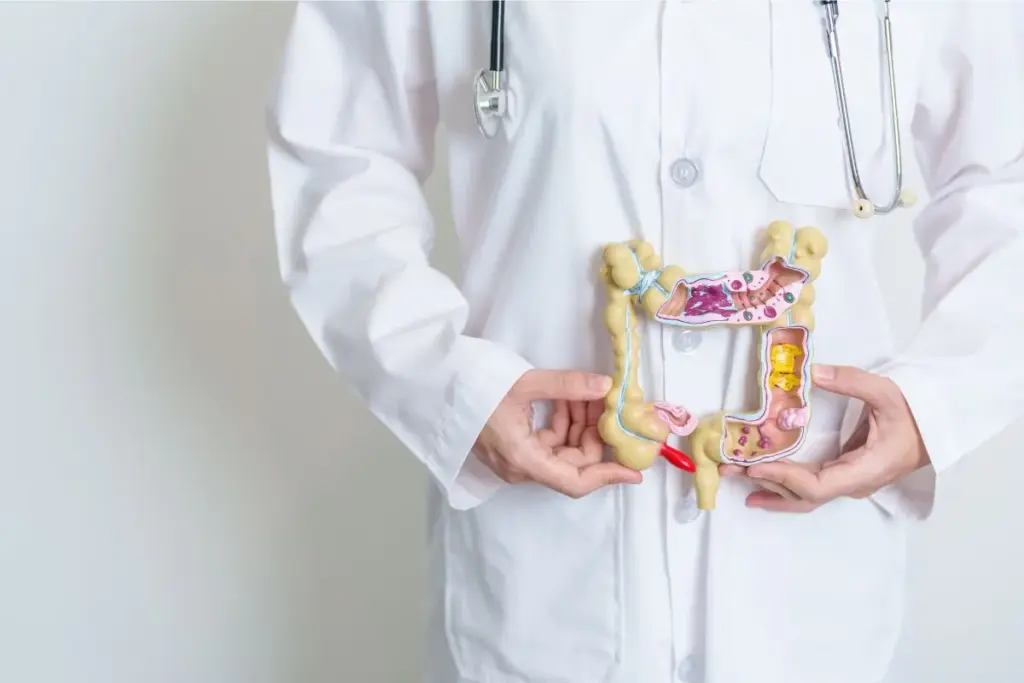
Research shows that being overweight and not active can raise diverticulitis risk by 20-40%. This highlights the need for a healthy weight and regular exercise to avoid diverticulitis.
Being obese is more than just extra pounds. It’s also tied to chronic inflammation, which can make diverticulitis worse. A higher Body Mass Index (BMI) is linked to more severe symptoms.
The BMI Connection to Diverticulitis Severity
People with a higher BMI often face more severe diverticulitis. This is because extra body fat, like belly fat, increases inflammation.
Visceral fat is very harmful because it releases substances that make diverticulitis worse. Keeping a healthy BMI through diet and exercise can reduce this risk.
Visceral Fat and Gut Inflammation
Visceral fat causes inflammation in the gut, making diverticulitis symptoms worse. Reducing visceral fat through regular exercise and a balanced diet can lower the risk of diverticulitis complications.
Not being active is also a big risk factor for diverticulitis. Exercise helps keep a healthy weight and improves digestion.
Medication Dangers: NSAIDs and Corticosteroids
Some medicines, like NSAIDs and corticosteroids, can make diverticulitis worse. It’s important for patients to know the risks. This knowledge helps in managing the condition better.
How These Medications Double Complication Risks
NSAIDs and corticosteroids are used for inflammation. But, they can increase the risk of problems in diverticulitis patients. Research shows NSAIDs can double the risk of complications. Corticosteroids can lead to bowel perforation.
These medicines harm the gut. NSAIDs damage the gut lining, making it more prone to inflammation and holes. Corticosteroids weaken the immune system, making infections worse and healing harder.
“The use of NSAIDs and corticosteroids in patients with diverticulitis requires careful consideration and monitoring due to the associated risks of complications.”
Bowel Perforation and Other Serious Outcomes
Bowel perforation is a serious issue with diverticulitis. NSAIDs and corticosteroids raise this risk a lot. This can cause severe infections in the belly, which can be deadly if not treated fast.
Other serious problems include abscesses, fistulas, and blockages. These risks highlight the need for careful medicine use in diverticulitis patients. Doctors must think about the benefits and risks of these medicines. They should look for other treatments when they can.
For those with diverticulitis, knowing what to eat is key. But, it’s also important to understand which medicines can make things worse. A good plan for managing diverticulitis includes diet changes and careful medicine use.
Smoking’s Impact: 30% Higher Hospitalization Rates
Studies show that smoking makes diverticulitis symptoms worse and raises hospital admission rates by 30%. This highlights the need to tackle smoking as part of treating diverticulitis.
Mechanisms Behind Tobacco’s Digestive Damage
Smoking harms the digestive system in many ways, making diverticulitis worse. Tobacco smoke has harmful chemicals that weaken the colon walls. It also cuts down blood flow to the colon, making it harder to heal and increasing complications.
Key mechanisms include:
- Reduced blood flow to the colon
- Increased inflammation
- Impaired healing processes
- Weakened colon walls
A study in a top gastroenterology journal says quitting smoking is key to lowering diverticulitis risks.
Recovery Timeline After Quitting
Stopping smoking can greatly help with diverticulitis. While recovery times vary, quitting smoking can show benefits in a few years.
“The risk of diverticulitis decreases with time after quitting smoking, showing quitting early is vital.”
Eating a diverticulitis diet full of fiber and avoiding processed foods helps recovery. Adding fruits, veggies, and whole grains to your diet can manage symptoms and prevent future problems.
Knowing the dangers of smoking and diverticulitis helps people take action. Quitting smoking and living a healthy lifestyle, along with a diverticulitis diet, can improve health and lower hospital visits.
Dehydration and Seasonal Diverticulitis Patterns
There’s a strong link between seasonal changes, dehydration, and diverticulitis. It’s clear that managing dehydration is key for those with diverticulitis.
Summer Month Risk Factors
In the summer, the risk of dehydration goes up because of the heat. Dehydration can make urine more concentrated and bowel movements less frequent. This can put more pressure on the colon walls, making diverticulitis symptoms worse.
A study on the website shows how important staying hydrated is for the colon. Dehydration can make bowel habits worse, which can make diverticulitis symptoms even harder to handle.
|
Season |
Dehydration Risk |
Diverticulitis Risk |
|---|---|---|
|
Summer |
High |
Increased |
|
Winter |
Moderate |
Stable |
|
Spring/Autumn |
Low |
Reduced |
How Proper Hydration Supports Colon Health
Staying hydrated is vital for healthy bowel movements and avoiding constipation. Enough fluid intake softens stool and helps regular bowel movements, easing the strain on the colon.
To stay hydrated, follow these tips, mainly in the summer:
- Drink at least 8-10 glasses of water a day.
- Eat hydrating foods like cucumbers, watermelon, and celery.
- Limit caffeinated and alcoholic drinks, as they can dehydrate you.
By focusing on hydration and being aware of seasonal changes, people with diverticulitis can manage their condition better. Adding diverticulitis friendly recipes that are high in fiber and hydrating can also help keep the colon healthy.
Best Foods for Diverticulitis: Before, During, and After Flares
Knowing which foods to eat and avoid is key to managing diverticulitis. The right foods can lessen symptoms, stop future flares, and keep your gut healthy.
Clear Liquid Diet for Acute Phases
When diverticulitis flares up, a clear liquid diet is often advised. It lets your digestive system rest and lowers the risk of complications. Clear liquids include:
- Water
- Clear broths (chicken or vegetable)
- Electrolyte-rich beverages (like sports drinks)
- Clear juices (apple or grape)
- Gelatin
Staying hydrated is vital during this time. But, avoid liquids that might upset your stomach or intestines.
Low-Fiber Transition Foods
When symptoms start to fade, you can slowly add low-fiber foods to your diet. These foods are easy on your digestive system and provide essential nutrients. Some examples are:
|
Food Category |
Examples |
|---|---|
|
Dairy |
Plain yogurt, cottage cheese, milk |
|
Grains |
White rice, refined pasta, white bread |
|
Fruits |
Canned fruit, applesauce, ripe bananas |
|
Proteins |
Lean meats (cooked and tender), eggs, tofu |
When adding foods back, do it slowly to see how your body reacts. A food diary can help track which foods are safe and which might cause problems.
By managing your diet during and after diverticulitis flares, you can control your symptoms better. This improves your overall quality of life. Always talk to a healthcare provider or dietitian for specific dietary advice.
Creating a Practical Diverticulitis-Friendly Meal Plan
Creating a meal plan for diverticulitis means knowing what foods to avoid and choosing wisely. A good meal plan can help control symptoms and prevent complications. It also improves your overall quality of life.
Weekly Meal Preparation Strategies
Effective meal planning is key to managing diverticulitis. Start with a clear liquid diet during acute phases. Then, move to low-fiber foods and add high-fiber foods later to prevent flare-ups. Here are some strategies for weekly meal preparation:
- Plan your meals around seasonal produce to ensure freshness and variety.
- Prepare meals in bulk and store them in the refrigerator or freezer for convenience.
- Incorporate a mix of soluble and insoluble fiber-rich foods as recommended by your healthcare provider.
- Avoid high-fiber foods during acute diverticulitis episodes.
By planning meals in advance, individuals can better manage their diverticulitis and reduce the risk of complications. Meal preparation can help minimize the temptation to opt for unhealthy, processed foods that can exacerbate symptoms.
Restaurant and Travel Eating Tips
Managing diverticulitis doesn’t mean sacrificing the pleasure of dining out or traveling. With some planning and awareness, individuals can enjoy their favorite foods while keeping their condition under control. Here are some tips for restaurant and travel eating:
- Research restaurants in advance to identify those that offer diverticulitis-friendly options.
- Call ahead to ask about ingredients and preparation methods.
- Choose simple, grilled, or steamed dishes, and avoid high-fiber or spicy foods.
- When traveling, pack snacks and consider portable, easy-to-digest foods.
Being mindful of food choices while traveling or dining out can significantly reduce the risk of diverticulitis flare-ups. By taking a proactive approach to meal planning, individuals can enjoy a varied and satisfying diet while managing their diverticulitis.
Exercise and Stress Management Protocols
Exercise and stress management are key to preventing and managing diverticulitis. Regular physical activity and stress reduction techniques can lower the risk of diverticulitis. They also help reduce symptoms.
Exercise boosts overall health and helps with digestive health. It stimulates bowel movements and reduces pressure on the intestines. This can lower the risk of diverticula formation.
Safe Physical Activities to Reduce Risk
Low-impact exercises like walking, swimming, or cycling are good for diverticulitis patients. These activities promote gentle bowel movement and help keep a healthy weight. This reduces the risk of complications.
It’s important to avoid high-impact activities that could worsen the condition, during flare-ups. Gentle stretching or yoga can help manage stress and keep muscles flexible.
How Stress Triggers Digestive Inflammation
Stress affects the digestive system, potentially causing inflammation and worsening conditions like diverticulitis. When stressed, our body’s “fight or flight” response diverts blood from the digestive system to muscles.
Stress management techniques like meditation, deep breathing, or mindfulness can help. They reduce stress levels, creating a better environment for digestive health. This can lower the risk of diverticulitis flare-ups.
By adding these lifestyle changes to diverticulitis nutrition tips, you get a full approach to managing the condition. A holistic strategy that includes diet, exercise, and stress management improves life quality. It also reduces the risk of diverticulitis complications.
When to Seek Medical Attention for Diverticulitis
Knowing when to get medical help is key to better diverticulitis outcomes. This condition causes inflammation in the digestive tract. It can get worse if not treated right.
Emergency Warning Signs
It’s important to know the signs that mean you need to see a doctor fast. These include:
- Severe abdominal pain
- High fever (over 101°F)
- Nausea or vomiting
- Bleeding from the rectum
- Changes in bowel habits
If you have any of these symptoms, seek medical help right away. Quick action can stop serious problems like abscesses, perforations, or peritonitis.
The Role of Multidisciplinary Care
At Liv Hospital, we believe in a team effort for diverticulitis care. Our team includes gastroenterologists, surgeons, and more. They work together to give the best care.
Multidisciplinary care helps with symptoms now and prevents future problems. It includes diet changes and lifestyle tips. Knowing what to eat for diverticulitis is a big part of managing it.
By getting medical help when needed and following a treatment plan, patients can live better. They can also lower the risk of diverticulitis complications.
Conclusion: Building Your Personalized Diverticulitis Prevention Plan
To manage diverticulitis, it’s important to know what foods and habits can help or hurt. A is key, as the Dietary Guidelines suggest 14 grams of fiber per 1,000 calories. Eating foods like whole wheat spaghetti, fresh fruits, and legumes can prevent symptoms.
It’s also important to avoid certain medicines, like NSAIDs and steroids. Keeping a healthy weight, exercising, and quitting smoking are also vital. Making these choices can greatly lower your risk of diverticulitis problems.
Creating a diet plan for diverticulitis needs to fit your personal needs and health. Talking to healthcare experts can help make a plan that works for you. This can greatly improve your digestive health.
FAQ
What is diverticulitis, and how does it occur?
Diverticulitis is when small pouches in the colon wall get inflamed. This usually happens because of a diet low in fiber. Other factors can also play a role.
What are the best foods to eat during a diverticulitis flare-up?
When you’re having a flare-up, eat a clear liquid diet to help your colon heal. Once you start feeling better, slowly add low-fiber foods to your diet.
How does red meat consumption affect diverticulitis?
Eating a lot of red meat can make diverticulitis worse. This is because red meat, and processed red meat in particular, can make the colon more inflamed.
Why is fiber important for managing diverticulitis?
Fiber is key because it helps prevent diverticulitis. It keeps your bowel movements regular and reduces pressure on the colon wall. Both types of fiber are important for colon health.
Can obesity and physical inactivity worsen diverticulitis?
Yes, being overweight or inactive can make diverticulitis symptoms worse. Staying at a healthy weight and being active can help manage the condition.
Are there any medications that can worsen diverticulitis?
Some medicines, like NSAIDs and corticosteroids, can increase the risk of serious diverticulitis complications. Always talk to your doctor about the risks of your medications.
How does smoking affect diverticulitis?
Smoking can lead to more severe diverticulitis and hospital stays. Quitting smoking can greatly reduce this risk and improve your health.
What role does hydration play in managing diverticulitis?
Drinking enough water is vital for colon health and can prevent diverticulitis. Not drinking enough water, which is more common in summer, can increase flare-up risks.
How can I create a diverticulitis-friendly meal plan?
To make a meal plan for diverticulitis, focus on high-fiber foods and avoid red meat. Stay hydrated and use meal prep and eating out tips to manage your condition.
What are some safe physical activities for reducing diverticulitis risk?
Safe activities include walking or yoga to lower diverticulitis risk. Stress management, like meditation, can also help with symptoms.
When should I seek medical attention for diverticulitis?
Seek medical help right away if you have severe pain, fever, or other emergency signs. A team like the one at Liv Hospital can offer full support for managing diverticulitis.
References
National Center for Biotechnology Information. Evidence-Based Medical Insight. Retrieved from https://www.niddk.nih.gov/health-information/digestive-diseases/diverticulosis-diverticulitis/eating-diet-nutrition



 Departments
 Related Videos
 Our Doctors
 News
News