Recovery after heart ablation is key. Making smart choices and following aftercare closely can greatly improve your outcome. At Liv Hospital, we offer patient-focused care to guide you through the recovery process. We help you know what to do and what to avoid.
Follow these do and don ts after heart ablation for a smooth recovery and faster healing.
Most patients see big improvements in symptoms like irregular heartbeat and overall well-being after the procedure. You might feel some mild bruising in the groin and soreness where the catheter was inserted. These usually go away in a few days or weeks.
Right after the procedure, you’ll need to rest in bed for 3-6 hours. Then, you can start getting back to normal activities slowly over a few weeks.
Key Takeaways
- Follow a gradual recovery plan to ensure a smooth healing process.
- Rest and avoid strenuous activities during the initial recovery period.
- Monitor and manage common symptoms and wound care effectively.
- Adhere to the recommended post-ablation care guidelines.
- Seek guidance from healthcare professionals for personalized aftercare.
Understanding Heart Ablation and Recovery Expectations
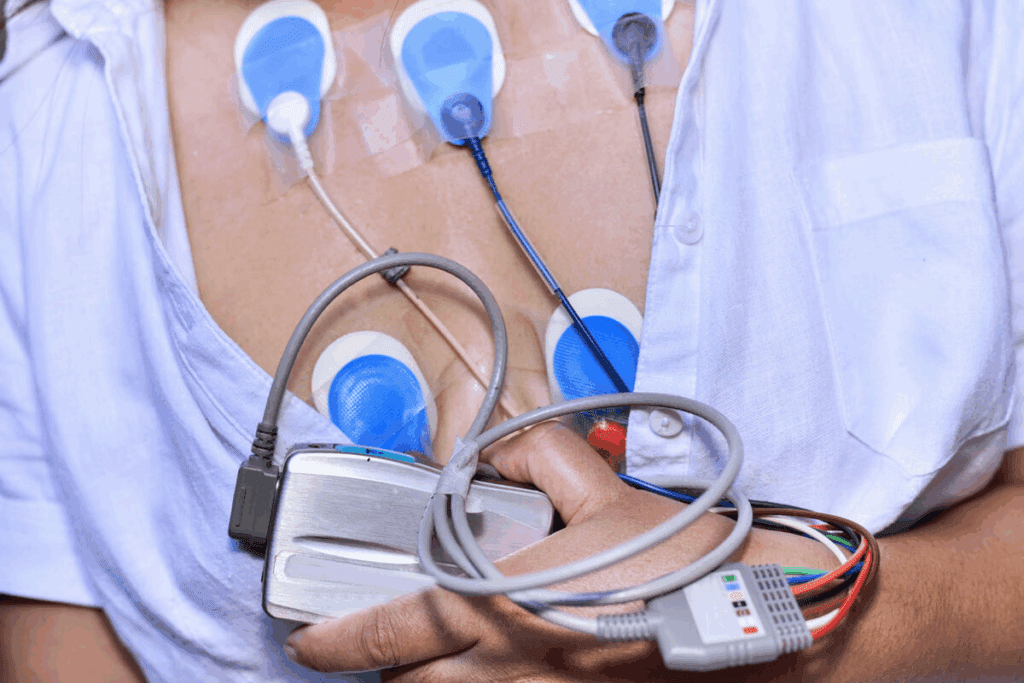
Heart ablation is a common procedure that needs a clear understanding of recovery to get the best results. Knowing what happens during the procedure and what to expect after is key. This helps ensure a smooth recovery.
What Happens During a Heart Ablation Procedure
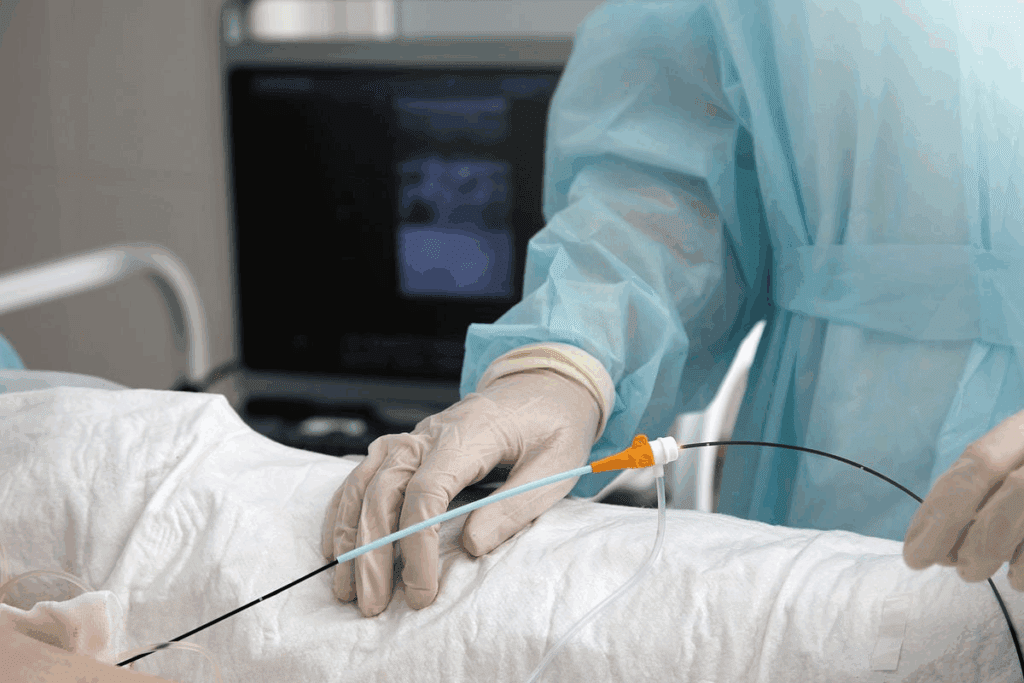
A catheter is used to destroy abnormal electrical pathways in the heart during a heart ablation. This is done under local anesthesia and sedation to keep the patient comfortable. The catheter goes through a vein in the groin to the heart, where it delivers energy to the targeted areas.
The American Heart Association says, “Catheter ablation is a procedure that uses a catheter to destroy (ablate) the area of the heart tissue that is triggering an abnormal heart rhythm (arrhythmia).” This precise approach allows for the correction of arrhythmias without the need for open-heart surgery.
Typical Aftereffects: Bruising, Soreness, and Palpitations
Patients may feel some bruising and soreness at the catheter entry site, usually in the groin area, after the procedure. These effects are mild and temporary, usually going away in a few days to weeks. Some may also feel palpitations or irregular heartbeats as the heart adjusts.
A study in the Journal of Cardiovascular Electrophysiology found, “The most common complications after catheter ablation are related to the vascular access site, such as hematoma or pseudoaneurysm.” It’s important to monitor these aftereffects and report any concerns to your healthcare provider for a smooth recovery.
| Aftereffect | Typical Duration | Action |
| Bruising | A few days to weeks | Apply ice packs as needed |
| Soreness | A few days to weeks | Take pain medication as directed |
| Palpitations | Variable, may persist | Monitor and report to your doctor |
Recovery Timeline: What to Expect Over 3 Months
The recovery time after heart ablation varies, but most people can get back to normal in one to two weeks. Over three months, the body heals, and the heart adjusts to the procedure changes.
“The first few days are the most critical, and patients are advised to rest and avoid strenuous activities. As the weeks progress, patients can gradually increase their activity levels based on their comfort and healthcare provider’s guidance.”
Expert Opinion
Knowing what to expect and following the recommended guidelines can greatly impact the procedure’s outcome. Being informed and proactive helps patients confidently navigate the recovery process.
The First 48 Hours: Critical Do’s and Don’ts After Heart Ablation
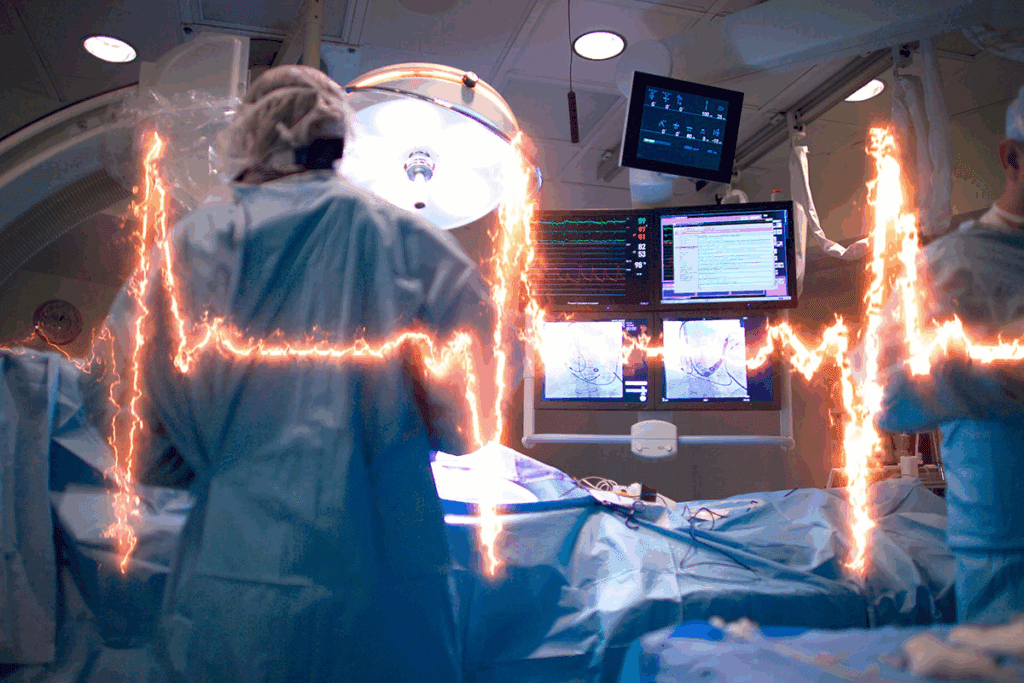
The time right after heart ablation is very important. Knowing what to do and what not to do can really help with recovery. During this time, patients are at a high risk for problems, so careful care is key.
DO: Maintain Proper Bed Rest (3-6 Hours Minimum)
After heart ablation, it’s best to stay in bed for at least 3-6 hours. This rest helps your body start healing without extra stress. It also lowers the chance of bleeding and eases heart strain.
DON’T: Drive or Make Important Decisions
For 48 hours after the procedure, don’t drive or use heavy machines. The procedure and any sedation can make you less alert. Also, wait to make big decisions because you might not feel clear-headed.
DO: Have Someone Stay With You Initially
Having someone with you right after heart ablation is very important. They can help if you need it, watch your health, and support you. Their help is very important, in case of emergencies or for basic needs.
DON’T: Shower or Bathe Until Approved
Don’t shower or bathe until your doctor says it’s okay. Usually, this is after 24 hours or when the catheter site has healed. Keeping it dry helps avoid infection.
Here’s a quick guide for the first 48 hours after heart ablation:
| Activity | Recommendation | Duration |
| Bed Rest | Maintain | 3-6 hours minimum |
| Driving | Avoid | At least 48 hours |
| Companion | Have someone stay with you | Initially |
| Showering/Bathing | Avoid until approved | Typically 24 hours |
By sticking to these tips, patients can make their recovery after heart ablation better. It’s important to follow these guidelines for a safe and easy recovery.
Managing Physical Activity During Recovery
Managing physical activity is key after a heart ablation procedure. It’s important to find a balance between rest and activity. This ensures a smooth recovery.
DO: Start With Short, Gentle Walks
Short, gentle walks are a great way to start moving again after heart ablation. They improve circulation and reduce risks. Start with 5-10 minute walks and increase as you get stronger.
DON’T: Lift Objects Heavier Than 10 Pounds for 1-2 Weeks
Avoid lifting heavy objects for 1-2 weeks after your procedure. Heavy lifting can strain your body and slow recovery. Wait for your doctor’s okay before lifting heavy things again.
DO: Gradually Increase Activity Based on How You Feel
Listen to your body and slowly increase activity as you feel better. If you feel pain or discomfort, stop and talk to your doctor. This helps your body adjust and prevents setbacks.
DON’T: Resume Strenuous Exercise Without Medical Clearance
Don’t start strenuous exercise without your doctor’s okay. It’s important to wait for clearance to avoid complications. Usually, you’ll need a follow-up appointment or doctor’s approval before starting intense activities.
| Activity | Recommended Timing | Guidelines |
| Gentle Walks | Immediately after procedure | Start with 5-10 minutes, increase as tolerated |
| Lifting Objects | Avoid for 1-2 weeks | Do not lift objects heavier than 10 pounds |
| Strenuous Exercise | After medical clearance | Wait for healthcare provider’s approval |
Proper Wound Care for Catheter Entry Sites
After a heart ablation, it’s key to take care of the catheter entry sites. These spots, often in the groin or arm, need special attention. This helps avoid problems and speeds up healing.
Keeping Entry Sites Clean and Dry
Keeping the entry sites clean and dry is important to avoid infections. A gentle wash with mild soap and water is usually enough. But, always follow your doctor’s specific advice.
Avoiding Certain Activities
Don’t put lotions, creams, or ointments on the sites until they’re fully healed. Also, avoid baths or getting the sites wet until your doctor says it’s okay.
Monitoring for Complications
Watch the sites for signs of bleeding, discharge, or infection. If you see redness, swelling, or pain, call your doctor right away.
Following Dressing Instructions
Don’t take off the dressings before your doctor tells you to. Their advice on dressing changes and care is key to proper healing.
| Wound Care Activity | Recommended Action | Avoid |
| Cleaning | Gently wash with mild soap and water | Using harsh chemicals or abrasive cleaners |
| Dressing | Follow healthcare provider’s instructions for changing dressings | Removing dressings too early |
| Bathing | Take showers as advised by your healthcare provider | Taking baths or submerging the sites in water |
By following these wound care tips, you can reduce risks and aid in a smooth recovery after your heart ablation.
Managing Common Symptoms and Discomfort
After heart ablation, managing symptoms is key for a smooth recovery. Patients may feel different physical sensations and symptoms. Knowing how to handle these is important for healing and getting back to health.
DO: Take Prescribed Medications as Directed
Following your doctor’s medication plan is very important. These drugs help manage symptoms, prevent problems, and aid in healing. Make sure to take the right amount and don’t skip doses. If you have side effects or concerns, talk to your doctor right away.
DON’T: Ignore Chest Pain or Irregular Heartbeats
Some discomfort is okay after heart ablation, but not all symptoms are. Don’t ignore severe chest pain or irregular heartbeats, or if you feel dizzy or have trouble breathing. If you have these symptoms, call your doctor or go to the emergency room.
DO: Expect Some Fatigue and Minor Chest Discomfort
Fatigue and minor chest discomfort are common after heart ablation. These symptoms usually go away as you get better. Rest when you need to and avoid hard activities to help manage them. If you’re worried about your symptoms, talk to your doctor.
DON’T: Hesitate to Contact Your Doctor About Concerning Symptoms
If you’re worried about symptoms or they seem off, call your doctor. It’s always better to be safe when it comes to your health. Your doctor can offer advice, reassurance, or take action if needed to keep your recovery on track.
Essential Do’s and Don’ts After Heart Ablation for Long-Term Success
To have a smooth recovery after heart ablation, it’s important to follow some key do’s and don’ts. These actions during the recovery period are critical for long-term success.
DO: Attend All Follow-up Appointments
Going to all your follow-up appointments is vital. It helps your healthcare team keep track of your recovery. Make sure to mark these appointments on your calendar so you don’t miss them.
DON’T: Skip Medication Even If Feeling Better
Always take your medication as prescribed, even if you feel fine. Skipping your meds can cause problems and ruin the success of the procedure. Sticking to your medication plan is essential for recovery.
DO: Keep a Symptom Journal During Recovery
Keeping a symptom journal is helpful. It lets you track your progress and spot any unusual symptoms early. This way, you and your doctor can make better decisions about your care. Writing down your symptoms can be very helpful.
DON’T: Expose Yourself to Extreme Temperatures
Avoid extreme temperatures during your recovery. Very hot or cold weather can stress your body and make recovery harder. It’s important to stay moderate.
By following these tips, you can greatly improve your chances of a successful recovery after heart ablation. Being proactive and taking care of your health is key.
Resuming Personal and Intimate Activities
After heart ablation, patients often ask when they can start normal activities again. The recovery time is key, and intimate activities need careful handling.
It’s important to get back to personal and intimate activities. But, it’s vital to follow some guidelines for a safe recovery.
DO: Wait for Doctor’s Clearance Before Resuming Sexual Activity
Patients should wait for their doctor’s okay before starting sexual activity. This makes sure the heart has fully recovered and lowers the risk of problems.
DON’T: Rush Intimate Relations (Typically 1 Week Minimum)
It’s best to wait at least one week before starting intimate relations again. Rushing can stress the heart too much, which is not good when it’s healing.
DO: Communicate With Your Partner About Comfort Levels
Talking openly with your partner is essential. Share your comfort levels and any worries. This can make the experience better for both of you.
DON’T: Ignore Symptoms That Occur During Intimate Activity
If you feel chest pain, shortness of breath, or palpitations during intimate moments, don’t ignore them. Stop right away and talk to your doctor.
| Activity | Recommendation |
| Sexual Activity | Wait for doctor’s clearance |
| Intimate Relations | Wait at least 1 week |
| Communication with Partner | Discuss comfort levels and concerns |
By sticking to these guidelines, patients can safely start personal and intimate activities again after heart ablation. This ensures a healthier and more comfortable recovery.
Returning to Work and Daily Routines
After heart ablation, getting back to work and daily life needs careful planning. It’s important to balance getting back to normal with letting your body heal. This helps you recover well.
Starting with a phased return to work is often recommended. This can take 1-2 weeks. It helps you avoid overdoing it and makes the transition smoother.
DO: Consider a Phased Return to Work (1-2 Weeks)
Starting with a phased return helps you adjust to work without feeling too stressed. You might start with part-time hours or simpler tasks.
DON’T: Take on Stressful Projects Immediately
Stay away from stressful projects early on. They can strain your heart too much. Wait for your doctor’s okay before tackling tough tasks.
DO: Inform Colleagues About Activity Limitations
Telling your colleagues about your limits helps them understand your needs. This makes your work environment more supportive and reduces stress.
DON’T: Feel Pressured to Resume Full Responsibilities Too Soon
Don’t rush back to full duties too fast. Listen to your body and follow your doctor’s advice. This ensures you’re safe and healthy.
Here’s a sample plan for returning to work:
| Week | Work Hours/Tasks | Activity Level |
| 1 | Part-time (20 hours) | Light tasks, minimal stress |
| 2 | Increasing to full-time | Gradually more demanding tasks |
Following a plan like this helps you smoothly get back to work and daily life after heart ablation.
Conclusion: Embracing Your Heart Health Journey After Ablation
After a heart ablation, patients often see big improvements. Symptoms like irregular heartbeat lessen, and life quality goes up. By following the tips in this article, recovery and long-term health can be ensured.
Good care after ablation means resting, taking meds, and slowly getting back to activities. These habits help keep the heart healthy and symptoms down.
We urge patients to stick to their recovery plan. Go to all follow-up visits and talk openly with doctors. With the right care, you can manage your heart health well and live better after ablation.
FAQ
What is the typical recovery time after heart ablation?
Recovery times vary, but most people can get back to normal in 1-3 weeks.
How long should I rest after heart ablation?
Rest in bed for 3-6 hours after the procedure. Have someone with you at first.
Can I drive after heart ablation?
No, avoid driving or making big decisions for the first 48 hours.
When can I resume physical activity after heart ablation?
Start with short walks and gradually increase activity. Wait for doctor’s okay before doing strenuous exercise.
How do I care for the catheter entry sites after heart ablation?
Keep the sites clean and dry. Watch for bleeding or discharge. Avoid lotions and baths until healed.
What are the common symptoms after heart ablation?
You might feel bruising, soreness, and palpitations. Fatigue and minor chest pain are also common.
When can I resume sexual activity after heart ablation?
Wait for your doctor’s okay, usually after 1 week.
How long does it take to return to work after heart ablation?
Plan a gradual return to work in 1-2 weeks. Tell your colleagues about your limits.
What are the signs of complications after heart ablation?
Watch for bleeding, discharge, or severe symptoms like chest pain. Contact your doctor if you’re worried.
How long does groin bruising last after cardiac ablation?
Bruising in the groin can last days to weeks. It usually goes away by itself.
Can I take a bath after heart ablation?
Avoid baths until the sites are fully healed and your doctor says it’s okay.
How long should I keep a symptom journal during recovery?
Keep a symptom journal during recovery. It helps track your progress and any concerns.
References
National Center for Biotechnology Information. (2025). 10 Dos and Donts After Heart Ablation for. Retrieved from https://www.ncbi.nlm.nih.gov/pmc/articles/PMC8801207/
- Natale, A., & others. (2024). Catheter ablation for atrial fibrillation: indications and future perspectives. European Heart Journal, 45(41), 4383-4398. https://pubmed.ncbi.nlm.nih.gov/39322413/
- Nakahara, S., & colleagues. (2023). Catheter ablation of ventricular tachycardia associated with structural heart disease: efficacy and safety. ScienceDirect. https://www.sciencedirect.com/science/article/pii/S0914508722002404