
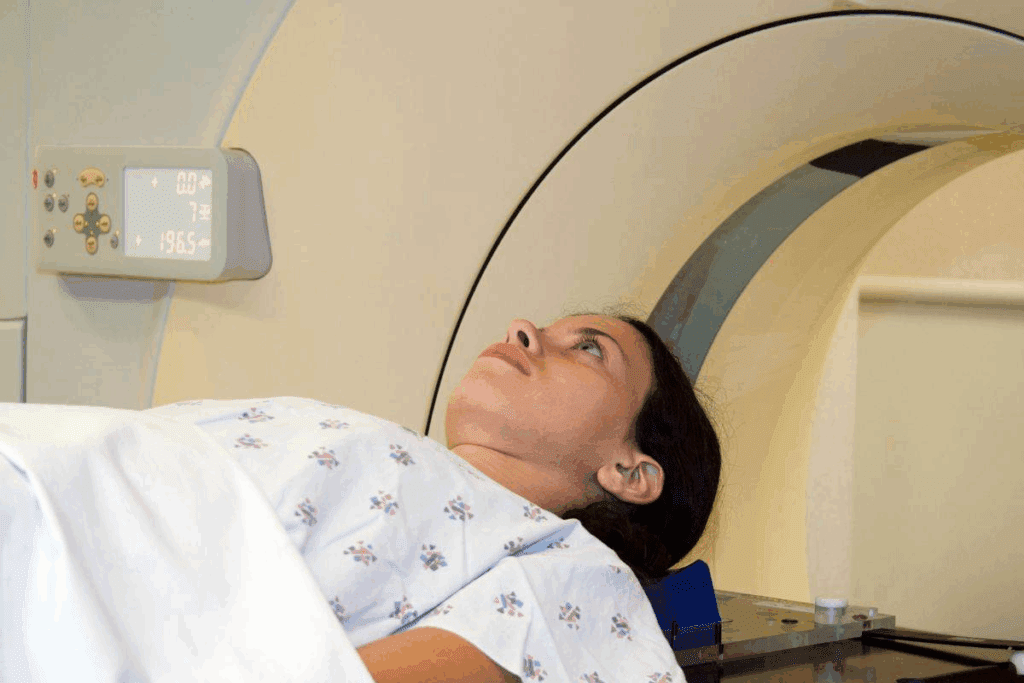
Nearly 1.8 million new cancer cases are diagnosed in the United States each year, many involving tumors. Positron Emission Tomography (PET) scans play a key role in detecting and understanding these tumors.
A PET scan uses a radioactive glucose molecule to highlight areas of high metabolic activity, as cancer cells consume more glucose than normal cells. Many patients wonder, “Do benign tumors light up on PET scan?” Understanding this is important because not all bright spots on a PET scan indicate cancer.
PET scan technology remains crucial in cancer diagnosis and treatment planning, helping doctors distinguish between malignant and benign lesions while evaluating tumor functionality and behavior.
Key Takeaways
- PET scans are a valuable tool in cancer diagnosis, helping to identify areas of high metabolic activity.
- The ability of PET scans to differentiate between benign and malignant tumors is a subject of ongoing research.
- Accurate diagnosis is critical for effective cancer treatment planning.
- Understanding PET scan results is essential for both doctors and patients.
PET scan technology plays a crucial role in cancer diagnosis and treatment planning, serving as a vital tool in oncology that reveals the functionality and behavior of tumors.
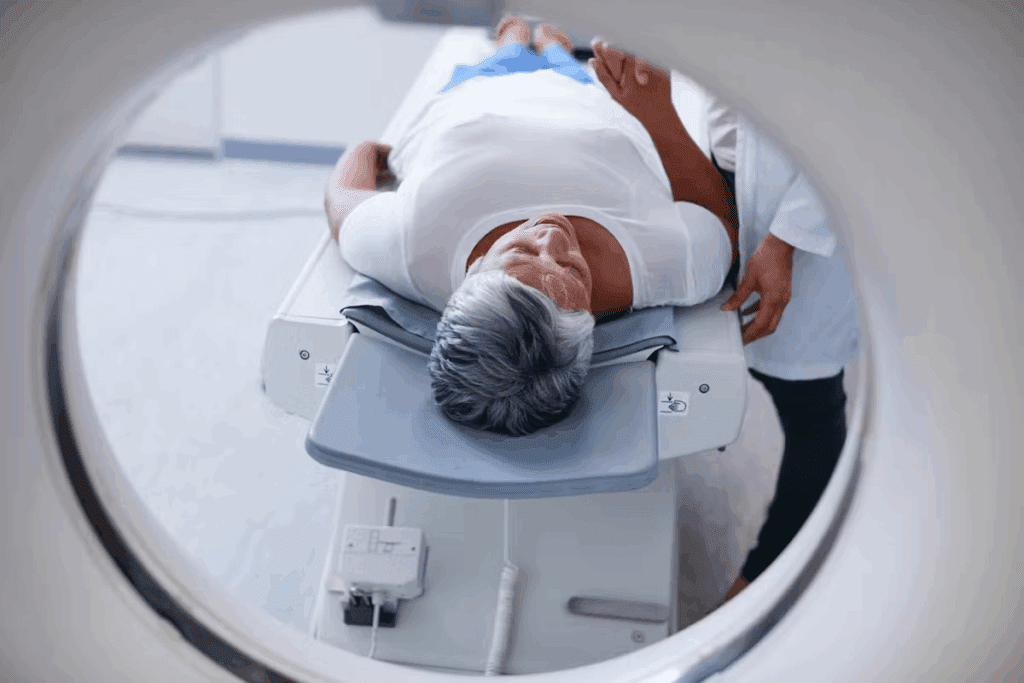
PET scan technology plays a crucial role in cancer diagnosis and treatment planning, serving as a vital tool in oncology that reveals the functionality and behavior of tumors.
What is a PET Scan?
A PET scan is a high-tech imaging method. It shows how the body’s tissues and organs work. Unlike other scans, PET scans focus on how cells function, not just their shape.
The scan uses a special tracer, Fluorodeoxyglucose (FDG), which is like sugar. Cancer cells eat more sugar, so they take up more FDG. This helps PET scans spot cancer by showing where sugar is being used fast.
How PET Scans Work
PET scans detect special radiation from the tracer. This radiation comes from when the tracer meets electrons in the body. The scanner makes images from this radiation, showing where the tracer is.
- The patient gets a small dose of radioactive tracer, usually FDG.
- The tracer goes to areas that are very active.
- The PET scanner finds the radiation from the tracer.
- Computers make images of where the tracer is.
The Science Behind Tumor Detection
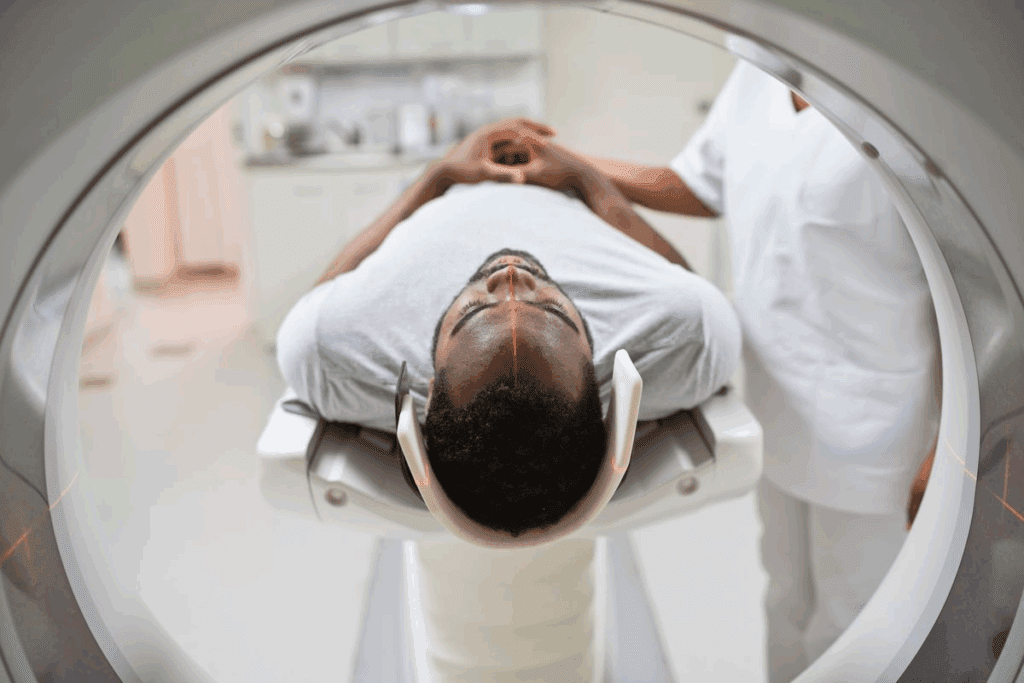
PET scans can tell the difference between good and bad tumors. They do this by looking at how cells work. This helps doctors understand what kind of tumor it is.
Cellular Metabolism and Glucose Uptake
Cancer cells use more glucose than normal cells. This is because they work differently. PET scans use Fluorodeoxyglucose (FDG) to find these active cells. This helps spot tumors that might be cancerous.
Standardized Uptake Values (SUV)
The Standardized Uptake Value (SUV) shows how much FDG is taken up by tissues. It helps doctors see how active tumors are. A high SUV usually means the tumor is growing fast, which is often bad.
Interpreting Metabolic Activity
Doctors look at SUV values and how the tumor looks on the scan. High metabolic activity often means it’s cancer. But, they also look at other signs to make sure.
Knowing how PET scans work is key to understanding them. Doctors use this knowledge to help patients. They look at how cells work, SUV values, and how tumors look to make the best choices.
Do Benign Tumors Light Up on PET Scan?
Metabolic Activity in Benign Tumors
Benign tumors can have different levels of activity on PET scans. Some might not show much, while others could light up a lot. This can make it hard to tell them apart from cancer.
For example, some benign tumors with lots of cells or inflammation might light up more. This includes:
- Fibroids with degenerative changes
- Adenomas in various organs
- Inflammatory processes like sarcoidosis
Common Benign Conditions That Show Uptake
Many benign conditions can also show up on PET scans. These include:
- Inflammatory processes: Things like abscesses or inflammation after surgery can light up a lot.
- Benign tumors: Some non-cancerous growths, like adenomas or fibroids, can be very active.
- Healing fractures: Bones that are healing can also show more activity.
Intensity Patterns in Benign Lesions
The way benign lesions light up on PET scans can vary a lot. Some might spread out their activity, while others might have a single spot that’s very active. Knowing these patterns is key to understanding PET scan results.
For instance, a spread-out pattern might mean inflammation, while a single spot could be a benign tumor or infection. Using Standardized Uptake Values (SUV) can help figure out what’s going on, but it’s not always clear-cut.
Characteristics of Malignant Tumors on PET Scans
PET imaging is a powerful tool for identifying malignant tumors. It does this by looking at their unique metabolic signatures. Malignant tumors show high metabolic activity, which PET scans can detect using Fluorodeoxyglucose (FDG).
Typical Appearance of Cancer on PET Imaging
Cancerous tissues on PET scans show up as bright spots. This is because they have high glucose metabolism. This high metabolism is what makes them stand out on PET images.
The intensity of FDG uptake in malignant tumors can vary. But it’s usually higher than in benign lesions or normal tissues. This difference is key for telling malignant from benign conditions.
SUV Thresholds for Malignancy
Standardized Uptake Values (SUV) measure FDG uptake in tissues. Higher SUV values often mean malignant tumors. While there’s no one SUV threshold for malignancy, values above 2.5-3.0 are usually suspicious for cancer.
| SUV Value | Likelihood of Malignancy |
| < 2.5 | Low |
| 2.5 – 3.0 | Moderate |
| > 3.0 | High |
Distribution Patterns in Malignant Disease
Malignant tumors can be identified by their distribution patterns on PET scans. Cancer often spreads to lymph nodes or distant organs. PET scans can spot these metastatic sites.
The pattern of FDG uptake can give clues about the malignancy. For example, a single intense uptake might be a primary tumor. But multiple foci could mean metastatic disease.
Knowing these characteristics is key for accurately interpreting PET scans. It helps make informed decisions about patient care.
Differentiating Features Between Benign and Malignant Findings
It’s key to tell apart benign and malignant tumors on PET scans. We need to look at both visual and quantitative data. This helps decide the right treatment and what the patient’s future might hold.
Key Visual Differences
Looking at visual clues is a main way to tell the difference. Malignant tumors light up more on PET scans because they’re more active. Benign tumors don’t light up as much.
Visual cues like how bright the uptake is, if it’s even, and if there’s a reaction around it are important. Malignant tumors often have irregular shapes and uneven uptake. Benign ones have clear shapes and even uptake.
Quantitative Assessment Methods
Quantitative methods are also key. The Standardized Uptake Value (SUV) shows how much glucose a tumor takes up compared to the rest of the body. Higher SUV values usually mean malignant tumors, but there can be some overlap.
Other methods include watching how the tumor changes over time with dynamic PET imaging and seeing how it reacts to treatment. These methods help doctors make a more precise diagnosis.
Case Examples and Comparisons
Looking at examples and comparisons can really help us understand the differences. For example, comparing a benign lung nodule to lung cancer can show us how uptake patterns and SUV values differ.
These comparisons show why a detailed look at both visual and quantitative data is essential for accurate diagnosis.
Why Lymph Nodes Light Up on PET Scans
It’s important to know why lymph nodes light up on PET scans. This helps doctors diagnose and plan treatment. Lymph nodes are small, bean-shaped parts of our body’s lymphatic system. They help fight infections and diseases.
When lymph nodes get active, they show up more on PET scans. This means something might be wrong.
Normal vs. Abnormal Lymph Node Uptake
Lymph nodes can light up for different reasons. Sometimes, they naturally show some activity because of their role in filtering lymph fluid. But, if they show too much activity, it could mean infection, inflammation, or cancer.
It’s key to tell the difference between normal and abnormal activity. This helps doctors make the right diagnosis.
The level of activity can vary. For example, high uptake in many lymph nodes might point to a widespread issue like lymphoma or cancer that has spread.
Significance of Lymph Node Activity
Lymph node activity on PET scans is very important. It often shows if and how far a disease has spread. For cancer patients, knowing this helps doctors decide the best treatment.
But, lymph nodes can also light up for reasons not related to cancer. Infections or inflammatory diseases can also cause them to show up more on scans.
Patterns Suggesting Malignancy
Some patterns on PET scans can hint at cancer. These include:
- High SUV values, showing a lot of metabolic activity
- Many lymph nodes showing activity, suggesting widespread disease
- Activity in lymph nodes not usually involved in common infections or inflammation
| Pattern | Description | Possible Indication |
| High SUV | Intense metabolic activity | Malignancy |
| Multiple Node Involvement | Several lymph nodes show uptake | Systemic disease (e.g., lymphoma) |
| Atypical Node Involvement | Uptake in unusual lymph node locations | Metastatic disease |
Knowing these patterns helps doctors understand PET scan results better. It guides further tests and treatments.
Factors That Can Cause False Positives
PET scan technology plays a crucial role in cancer diagnosis and treatment planning, serving as a vital tool in oncology that reveals the functionality and behavior of tumors.
Inflammatory Conditions
Inflammatory conditions often lead to false-positive PET scans. They cause areas to take up more glucose, like cancer does. This includes rheumatoid arthritis, sarcoidosis, and other inflammatory diseases.
Infections That Light Up on PET Scans
Infections can also show up as false positives on PET scans. For example, tuberculosis and abscesses have high metabolic activity. This makes them look like cancer on PET scans.
- Bacterial infections
- Fungal infections
- Viral infections
It’s important to look at the bigger picture and do more tests. This helps tell the difference between infections and cancer.
Post-Treatment Changes
Changes after treatment, like surgery or chemotherapy, can also cause false positives. These changes can lead to inflammation and tissue repair. This might look like tumor activity on PET scans.
Knowing the patient’s treatment history is essential. It helps make sense of PET scan results after treatment.
Can PET Scans Miss Cancer?
How well PET scans find cancer depends on several things. These include the type of cancer, where it is, and how active it is. Knowing what PET scans can’t do is key to understanding their results.
Types of Cancer Frequently Missed
- Low-grade tumors: These tumors don’t use enough FDG to show up well.
- Lobular breast cancer: This type of breast cancer is hard to spot with PET scans because it doesn’t take up much FDG.
- Mucinous adenocarcinomas: These tumors, found in different parts of the body, also don’t take up much FDG, making them tricky to find.
Technical Limitations
PET scans have some technical limits that can make it hard to find cancer. These include:
- Resolution limits: Small tumors might not be seen because PET scanners can’t see very small details.
- Motion artifacts: If the patient moves during the scan, it can make the images blurry and hide tumors.
- Attenuation correction: Dense tissues or certain materials can cause problems with the image quality.
When Additional Testing is Necessary
If PET scans don’t give clear results but doctors think there might be cancer, more tests are needed. These can include:
- CT scans: They give detailed pictures of the body’s structures, which can help with PET scan results.
- MRI: This gives high-resolution images of soft tissues, which is useful for finding tumors in some areas.
- Biopsy: This is the most accurate way to diagnose, used when imaging results are unclear.
Using PET scans with other tests can make diagnosis more accurate. It helps doctors choose the best treatment plan.
PET Scan Applications for Specific Cancer Types
PET scan technology plays a crucial role in cancer diagnosis and treatment planning, serving as a vital tool in oncology that reveals the functionality and behavior of tumors.
Lung Cancer and Pulmonary Nodules
PET scans are very helpful for lung cancer, mainly for checking pulmonary nodules. They can tell if a nodule is benign or malignant by looking at its metabolic activity. High FDG uptake usually means it’s cancerous, helping doctors decide what to do next.
Brain Tumors
PET scans give important metabolic info on brain tumors. This is key in telling apart tumor growth from treatment effects. Special PET tracers offer insights that help doctors make better decisions.
Ovarian Cancer
PET scans have a wide range of uses in cancer care. They provide detailed metabolic data. This helps in making more accurate diagnoses and planning better treatments.
Comparing PET Scans to Other Imaging Modalities
It’s important to know how PET scans compare to CT and MRI for accurate diagnosis. Each has its own strengths and weaknesses. This makes some better for certain tasks than others.
PET vs. CT Scan
PET and CT scans are used for different things in imaging. CT scans show detailed body structures. PET scans show how active the body’s cells are.
PET vs. MRI
MRI scans show detailed body structures without using harmful radiation. PET scans are better at showing cell activity. MRI is better at showing soft tissues like the brain or liver.
Benefits of Hybrid Imaging (PET/CT, PET/MRI)
Hybrid imaging like PET/CT and PET/MRI combines different scans. PET/CT mixes PET’s cell activity with CT’s body details. This helps doctors stage cancer better.
PET/MRI combines PET’s cell activity with MRI’s soft tissue detail. This is good for complex areas or detailed soft tissue checks.
Key benefits of hybrid imaging include:
- Improved diagnostic accuracy
- Enhanced cancer staging
- Better treatment planning and monitoring
- Reduced need for multiple separate scans
The PET Scan Procedure: What to Expect
To get the most out of your PET scan, it’s important to know what to expect. A PET scan is a detailed tool used to check how the body works. It’s mainly used to find and track cancer.
Preparation Guidelines
Getting ready for a PET scan is key. Patients usually need to fast for a few hours before the scan. The exact time can change based on your doctor’s advice.
Diabetic patients must tell their doctor about their diabetes and medicines. Keeping blood sugar levels right is important. It helps get clear scan results. Also, wear loose clothes and no jewelry to avoid scan problems.
During the PET scan, you’ll lie on a table that moves into a big scanner. It’s usually painless, but you might feel a bit uncomfortable because you have to stay very quiet and calm. The scan itself takes about 30 minutes to an hour.
The radiotracer is given through a vein in your arm. It spreads through your body before the scan starts. The PET scanner picks up signals from this tracer to show detailed images of your body’s activity.
Post-Scan Considerations
After the scan, you can usually go back to your normal activities unless your doctor says not to. It’s a good idea to drink lots of water to get rid of the radiotracer. Some people might feel a bit of discomfort where the radiotracer was given, but it usually goes away quickly.
Make sure to talk to your healthcare provider about your scan results. They will explain what the images mean and what to do next.
Reading and Interpreting PET Scan Results
PET scan technology plays a crucial role in cancer diagnosis and treatment planning, serving as a vital tool in oncology that reveals the functionality and behavior of tumors.
Understanding SUV Measurements
Standardized Uptake Values (SUV) are key in PET scan reading. SUV shows how much the radiotracer is taken up in a certain area compared to the body average. A high SUV means more activity, which might point to tumors. But, some non-cancerous conditions can also show high SUV values.
SUV values can change based on several things. These include the patient’s weight, the radiotracer dose, and when the scan is done. So, it’s important to look at SUV values with the patient’s medical history and other scans in mind.
Color Scales and Visual Interpretation
PET scan images use a color scale to show how much radiotracer is taken up. Hot spots on the scan mean high uptake, while cooler areas mean less. Looking at the size, intensity, and spread of these hot spots is part of the visual check.
Color scales can differ between PET scanners and how images are made. Knowing the specific technology used is important for accurate image reading.
What “Hypermetabolic Lesions” Mean
Hypermetabolic lesions show up as areas with high metabolic activity on PET scans. They often suggest cancer but can also appear in benign conditions or inflammation.
“The presence of a hypermetabolic lesion on a PET scan warrants further investigation to determine its etiology.”
When looking at PET scan results, the whole clinical picture matters. This includes the patient’s medical history, symptoms, and other test results. A detailed approach helps make sure PET scans are used well in patient care.
Advancements in PET Technology for Better Differentiation
PET scan technology plays a crucial role in cancer diagnosis and treatment planning, serving as a vital tool in oncology that reveals the functionality and behavior of tumors.
New Radiotracers Beyond FDG
While FDG is widely used, scientists are working on new tracers. These tracers target specific cancers or metabolic processes. For example, Fluorothymidine (FLT) is being studied for its role in cell growth, giving a deeper look into tumors.
“The development of new radiotracers is key for expanding PET imaging,” says a leading researcher.
Artificial Intelligence Applications
Artificial intelligence (AI) is changing PET imaging. AI helps analyze scan results better than humans can. It spots patterns that might be missed, improving accuracy.
- Enhanced pattern recognition
- Improved quantification
- Better comparison against known cases
Improved Quantification Methods
Quantifying PET scans is vital for disease assessment and treatment monitoring. New methods, like Standardized Uptake Values (SUV), offer precise tools for evaluating tumors.
“Advances in quantification methods are allowing for more accurate assessments of tumor response to therapy, which is critical for making informed treatment decisions.”
By combining new tracers, AI, and better quantification, PET imaging is set to improve. This will help doctors better distinguish between benign and malignant tumors, leading to better patient care.
Conclusion
New tech in PET scans is making them even better. This includes new tracers and ways to measure them. Knowing what PET scans can and can’t do helps doctors make better choices for patients. This leads to better health outcomes.
In short, PET scans are a vital tool in fighting cancer. They give doctors the information they need to help patients get the best care possible.
FAQ
Do benign tumors light up on PET scans?
Yes, benign tumors can show up on PET scans. This is because they have some metabolic activity. But, the light they produce is usually not as strong as that of cancerous tumors.
What does a PET scan show about cancer?
A PET scan can spot cancerous tissues. It does this by highlighting areas with high metabolic activity. This is a sign that cancer cells might be present.
How does cancer show up on a PET scan?
Cancer cells show up as “hot spots” on a PET scan. This is because they take up more glucose than normal cells. This increased glucose uptake is what makes them stand out.
What is the role of FDG in PET imaging?
FDG is a key part of PET scans. It’s a radiotracer that goes to cells that use a lot of glucose. This includes cancer cells, making them detectable.
What are SUV values, and how are they used in PET scans?
SUV values measure how much radiotracer a tissue takes up. They help doctors see how active a lesion is. This helps tell if it’s benign or malignant.
Why do lymph nodes light up on PET scans?
Lymph nodes can light up for a few reasons. It could be because of inflammation, infection, or cancer spreading. The pattern and how bright they are can tell what’s causing it.
What causes false positives on PET scans?
False positives can happen for a few reasons. Inflammation, infections, and changes after treatment can all cause tissues to take up more glucose. This can make them look like cancer on a scan.
Can PET scans miss cancer?
Yes, PET scans can miss some cancers. This is true for cancers that don’t use a lot of glucose or are very small. Sometimes, technical issues can also lead to false negatives.
How do PET scans compare to other imaging modalities like CT and MRI?
PET scans show how tissues are working, while CT and MRI show their structure. Using both together, like in PET/CT scans, gives a clearer picture for doctors.
What is the PET scan procedure like?
Getting a PET scan involves a few steps. First, you get a radiotracer injection. Then, you wait for it to spread. After that, you’re scanned. Before the scan, you need to fast and avoid hard activities.
How are PET scan results interpreted?
Doctors look at the scan’s results in a few ways. They check the pattern, how bright the areas are, and where the radiotracer is. They use SUV values and color scales to spot abnormal activity.
What are hypermetabolic lesions on a PET scan?
Hypermetabolic lesions are areas that take up a lot of glucose. This means they’re very active metabolically. It could mean they’re cancerous, but it’s not the only possibility.
Are there advancements in PET technology for better cancer detection?
Yes, there are new developments. There are better radiotracers, artificial intelligence for analyzing images, and ways to measure activity more accurately. All these aim to improve how well PET scans can find cancer.
Reference
- Even-Sapir, E., Metser, U., Flusser, G., Mishani, E., Lerman, H., Dorfman, M., & Haim, N. (2006). The detection of bone metastases in patients with high-risk prostate cancer: ⁹⁹ᵐTc-MDP scintigraphy, SPECT, ¹⁸F-fluoride PET, and ¹⁸F-fluoride PET/CT. Journal of Nuclear Medicine, 47(2), 287–297. https://pubmed.ncbi.nlm.nih.gov/16432035/
- Palestro, C. J. (2015). The role of 18F-FDG PET in differentiating benign from malignant lesions: current perspectives and limitations. European Journal of Nuclear Medicine and Molecular Imaging, 42(2), 328–354. https://www.ncbi.nlm.nih.gov/pmc/articles/PMC4315529/



 Departments
 Related Videos
 Our Doctors
 News
News