
Discover do clogged arteries cause high blood pressure and how it affects heart function.
Many people ask if clogged arteries always mean high blood pressure. Or if you can have serious blockages without any signs. At Liv Hospital, we aim to provide top-notch healthcare. We support international patients fully.
Atherosclerosis, or plaque buildup in arteries, can block blood flow. This makes the heart work harder, leading to high blood pressure. We’ll look into how this affects blood pressure. And if you can have blockages even with normal readings.
Key Takeaways
- Clogged arteries, or atherosclerosis, can lead to high blood pressure.
- The condition restricts blood flow, making the heart work harder.
- It’s possible to have blockages without elevated blood pressure.
- Liv Hospital offers advanced diagnostics and patient-centered care.
- Understanding the relationship between artery health and blood pressure is vital for heart health.
Understanding Atherosclerosis: The Silent Arterial Threat

Atherosclerosis is a silent threat to our heart health. It happens when fatty deposits build up in our arteries. This condition is a big reason for heart disease, which is a top cause of death worldwide.
What Happens When Arteries Become Clogged
When arteries get clogged, blood flow to important organs gets cut off. This starts with plaque, a mix of fat, cholesterol, and other stuff, building up on artery walls. Over time, this plaque hardens and narrows the arteries, a condition known as atherosclerosis.
This narrowing can lead to less blood flow. It can cause heart attacks, strokes, and other serious heart problems.
Plaque buildup is a slow process. It’s caused by high cholesterol, high blood pressure, and smoking. As plaque grows, it can cause inflammation and damage to the artery walls, making things worse.
The Progressive Nature of Plaque Buildup
Plaque buildup happens slowly over years without any obvious signs. The process of atherosclerosis goes through several stages:
- Initial fatty streak formation
- Plaque growth and inflammation
- Hardening of plaque and arterial narrowing
- Potential rupture of plaque, leading to acute cardiovascular events
Knowing these stages is key to catching atherosclerosis early and managing it.
Why Atherosclerosis Often Goes Undetected
Atherosclerosis often doesn’t show symptoms until a big blockage happens. Several reasons why:
- Compensatory mechanisms: Our bodies have natural ways to hide the signs of atherosclerosis until it’s too late.
- Lack of regular check-ups: Without regular doctor visits, atherosclerosis can go unnoticed.
- Asymptomatic nature: Many people with atherosclerosis don’t feel any symptoms until a heart event happens.
Regular health checks and knowing your risk factors are key to catching it early and preventing problems.
By understanding atherosclerosis, we can take steps to protect our heart health. This includes living a healthy lifestyle, managing risk factors, and getting medical checks when needed.
The Relationship Between Arterial Health and Blood Circulation
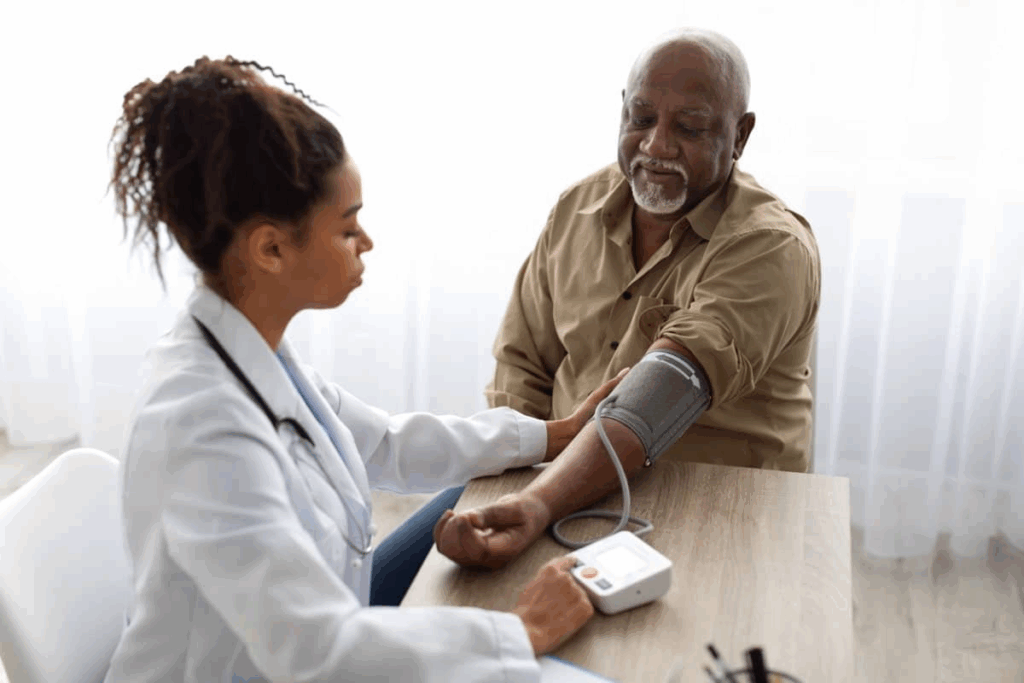
Our arteries’ health is key to keeping blood flowing well in our body. Good artery health means blood can carry oxygen and nutrients to our tissues and organs.
How Healthy Arteries Maintain Normal Blood Flow
Healthy arteries are flexible and have a smooth inside. This lets blood flow freely. They can also change size to control blood pressure and make sure blood gets to all parts of the body.
The inside of healthy arteries, called the endothelium, is very important. It helps blood flow by making the arteries bigger or smaller. This is vital for handling changes in blood pressure and flow.
The Impact of Narrowed Vessels on Circulation
When arteries get narrow because of plaque, it hurts blood flow. Narrowed arteries make it hard for blood to reach important organs. This can cause pain in the chest or legs when you exercise.
Less blood flow from narrowed vessels can cause heart and leg problems. It’s important to find and fix the reasons for narrowed arteries to avoid these issues.
| Condition | Effect on Blood Flow | Potential Symptoms |
| Healthy Arteries | Normal blood flow | None |
| Narrowed Arteries | Reduced blood flow | Chest pain, leg pain during exercise |
Blood Pressure Regulation in the Cardiovascular System
Keeping blood pressure right is a job for the heart, nerves, and kidneys. Healthy arteries are key in this process. They adjust to blood pressure changes.
It’s vital to keep blood pressure in check for good blood flow. Healthy arteries can change size to keep blood flow steady. This is important for organs and tissues to get what they need.
Do Clogged Arteries Cause High Blood Pressure?
It’s important to know how atherosclerosis and hypertension are connected. We’ll look at how blocked arteries can raise blood pressure and why this happens.
The Mechanical Effect of Narrowed Arteries
When arteries get clogged, they get narrower. This makes it harder for blood to flow. The heart then works harder, which can raise blood pressure.
Think of it like trying to push water through a blocked hose. The pressure goes up as the blockage tightens. In our bodies, clogged arteries can also raise blood pressure.
How the Heart Compensates for Restricted Blood Flow
The heart tries to overcome blocked blood flow in several ways. It may pump harder to push blood through. Over time, the heart muscle gets thicker to handle the extra work.
While these efforts help in the short term, they can harm the heart in the long run. They can lead to high blood pressure and even heart failure if not managed.
Scientific Evidence Linking Atherosclerosis and Hypertension
Many studies have found a strong link between atherosclerosis and high blood pressure. People with a lot of plaque in their arteries often have high blood pressure. The inflammation and damage to the inner lining of arteries also play a role.
A study in a well-known medical journal showed that severe atherosclerosis is linked to high blood pressure. This study supports the idea that blocked arteries can cause high blood pressure.
In summary, the connection between clogged arteries and high blood pressure is clear. Both the mechanics and scientific research back this up. Understanding this link is key to preventing and managing heart disease.
Can You Have Blocked Arteries With Normal Blood Pressure?
Having normal blood pressure doesn’t mean your arteries are clear. The link between artery health and blood pressure is complex. Many factors can affect if blockages cause high blood pressure.
Body Compensation Mechanisms That Mask Symptoms
The human body has amazing ways to hide signs of blocked arteries. When an artery narrows, the body might:
- Up blood pressure to keep flow going
- Make new paths for blood
- Change how the heart pumps
These tricks can sometimes keep blood pressure normal even with big blockages.
The Role of Medication in Normalizing Blood Pressure
Medicines for high blood pressure or heart issues can also play a part. For example:
- Drugs for high blood pressure can lower it, hiding blockage effects
- Medicines for cholesterol can slow artery disease growth
These treatments can help keep blood pressure normal even with artery disease.
Localized Blockages vs. Systemic Effects on Blood Pressure
Not all blockages affect blood pressure the same. Small or less important blockages might not raise blood pressure much. But, they can be very dangerous.
Case Studies: Normal BP Despite Significant Arterial Disease
Many studies show people with big blockages can have normal blood pressure. For example:
| Case Study | Arterial Blockage | Blood Pressure |
| 1 | 50% blockage in coronary artery | 120/80 mmHg |
| 2 | 70% blockage in carotid artery | 130/85 mmHg |
| 3 | 80% blockage in femoral artery | 125/80 mmHg |
These examples show normal blood pressure doesn’t mean no artery disease.
Health Risks Associated With Arterial Blockages
Arterial blockages can harm your heart and overall health. They affect more than just the heart. It’s important to know the risks.
Heart Attack and Coronary Artery Disease
Arterial blockages can lead to heart attacks. When arteries are blocked, the heart doesn’t get the oxygen it needs. This can damage or kill heart tissue.
Coronary artery disease happens when arteries narrow or block due to plaque. This greatly increases the risk of a heart attack.
A study in the Journal of the American College of Cardiology shows a link between coronary artery disease and heart attacks. Early detection and treatment are key.
“The presence of coronary artery disease is a powerful predictor of future cardiovascular events, stressing the need for aggressive risk factor modification.”
Journal of the American College of Cardiology
Stroke and Cerebrovascular Complications
Arterial blockages also raise the risk of stroke and brain problems. When brain arteries are blocked, it can cause an ischemic stroke. This can lead to permanent brain damage.
The risk factors for stroke are similar to heart disease. These include high blood pressure, diabetes, and smoking.
Peripheral Artery Disease and Circulation Problems
Peripheral artery disease (PAD) happens when arteries in the legs or arms narrow or block. This reduces blood flow. It can cause pain when walking and lower your quality of life.
If not treated, PAD can cause severe problems. These include gangrene and amputation.
| Condition | Symptoms | Complications |
| Coronary Artery Disease | Chest Pain, Shortness of Breath | Heart Attack |
| Stroke | Slurred Speech, Weakness | Brain Damage, Disability |
| Peripheral Artery Disease | Leg Pain during Walking | Gangrene, Amputation |
Long-term Consequences of Untreated Atherosclerosis
Untreated atherosclerosis can have severe long-term effects. As plaque builds up, the risk of heart and brain problems grows. It can also lead to kidney disease and vision loss.
It’s important to catch and manage arterial blockages early. Knowing the risks and acting early can prevent these serious health problems.
How Do You Know If You Have Clogged Arteries?
To know if you have clogged arteries, you need to watch for warning signs and risk factors. Clogged arteries, or atherosclerosis, can show symptoms or stay hidden until a serious heart event happens.
Common Symptoms and Warning Signs
Clogged arteries might not show symptoms at first. But, there are signs that can tell you something’s wrong. These include:
- Chest pain or discomfort (angina)
- Shortness of breath
- Pain or weakness in the legs or arms
- Dizziness or fainting
- Confusion or difficulty speaking
These symptoms happen because the heart isn’t getting enough blood. Or, there’s a big blockage affecting other parts of the body.
When Blockages Remain Asymptomatic
Many people with clogged arteries don’t feel symptoms until it’s too late. This is because the body tries to hide the signs of blockages.
Asymptomatic blockages are very dangerous. They can cause heart attacks or strokes without any warning.
Risk Factors That Suggest Possible Arterial Disease
Some risk factors make you more likely to have clogged arteries. These include:
| Risk Factor | Description |
| High Blood Pressure | High blood pressure can damage artery walls. |
| High Cholesterol | High levels of LDL cholesterol can cause plaque buildup. |
| Smoking | Smoking harms the inner lining of blood vessels. |
| Diabetes | Diabetes can damage blood vessels and nerves. |
| Obesity | Being overweight or obese raises the risk of clogged arteries. |
Knowing these risk factors and symptoms can help find and manage clogged arteries early.
Detecting Arterial Blockages: Diagnostic Methods
Understanding how to find arterial blockages is key to managing them well. Finding blockages early can greatly improve treatment results and lower the chance of heart problems.
Noninvasive Imaging Techniques
Noninvasive imaging is a big help in finding arterial blockages. These methods let doctors see the arteries without surgery.
Common Noninvasive Imaging Techniques:
- Ultrasound: Uses sound waves to create images of the arteries.
- Computed Tomography Angiography (CTA): Combines CT scans with contrast dye to visualize the arteries.
- Magnetic Resonance Angiography (MRA): Uses magnetic fields and contrast dye to image the arteries.
Stress Tests and Functional Assessments
Stress tests and functional assessments are key for checking how blockages affect the heart. These tests see how well the heart works when stressed.
Types of Stress Tests:
| Test Type | Description | Usefulness |
| Exercise Stress Test | Measures heart function during physical exertion. | Assesses cardiac response to stress. |
| Nuclear Stress Test | Uses radioactive tracers to image the heart during stress. | Evaluates blood flow to the heart muscle. |
| Stress Echocardiogram | Combines ultrasound with stress testing to visualize heart function. | Assesses heart valve function and wall motion. |
Blood Tests for Cardiovascular Risk Factors
Blood tests are key for spotting risk factors for arterial blockages. These tests check for biomarkers that show heart health.
Key Blood Tests:
- Lipid Profile: Measures cholesterol and triglyceride levels.
- C-reactive Protein (CRP): Indicates inflammation levels.
- Hemoglobin A1c (HbA1c): Assesses blood sugar control.
When to Seek Medical Evaluation for Possible Blockages
If you have symptoms or risk factors for blockages, see a doctor. Early treatment can greatly improve your health.
Recognizing the signs and seeking timely medical attention can be lifesaving.
What Do Clogged Arteries Look Like? Visual Assessment
It’s important to know what clogged arteries look like to diagnose and treat heart diseases. We use imaging to see how blocked arteries are. This helps us plan the best treatment.
Angiography Findings in Atherosclerosis
Angiography gives us detailed images of arteries. It shows if arteries are narrowed or blocked by plaque. This is key for diagnosing atherosclerosis.
Angiography findings show how severe atherosclerosis is. We can see how much the arteries are narrowed or if they’re blocked. This helps us choose the right treatment, like medicine, angioplasty, or surgery.
Imaging Characteristics of Plaque-Filled Vessels
Plaque-filled vessels have unique features that help us understand the blockages. We look at the size and type of plaque and how it affects blood flow.
Advanced imaging lets us see different types of plaque. This is important for treatment and patient outcomes. It also helps us track how atherosclerosis changes over time.
Differences Between Partial and Complete Blockages
Blockages can be partial or complete, each with different effects on health and treatment. Partial blockages might cause symptoms like chest pain or leg pain.
Complete blockages are more serious and can lead to heart attacks or strokes if not treated quickly. Imaging helps us tell these apart and choose the right treatment.
Visual Progression of Atherosclerotic Disease
We can track how atherosclerotic disease changes over time with imaging. This shows if treatments are working and helps us understand the disease’s natural course.
By comparing images, we see changes in plaque size and composition and new blockages. This is key for adjusting treatments and managing heart disease risk factors.
Conclusion: Managing Arterial Health and Blood Pressure
Managing arterial health and blood pressure is key to avoiding heart problems. We’ve looked at how clogged arteries and high blood pressure are linked. We also saw how atherosclerosis can cause hypertension, even with normal blood pressure.
At Liv Hospital, we stress the need for full care in managing arteries. This means regular check-ups, tests, and treatment plans made just for you. By focusing on blood pressure and risk factors, we lower the chance of heart attacks and strokes.
We use the latest medical treatments and support to help our patients. This way, they get the care they need to stay healthy. Together, we aim for better health and a better life.
FAQ
Do clogged arteries cause high blood pressure?
Yes, clogged arteries can lead to high blood pressure. When arteries narrow due to plaque, the heart works harder. This can raise blood pressure.
Can you have blocked arteries with normal blood pressure?
Yes, blocked arteries can exist with normal blood pressure. The body may hide symptoms, and some meds can keep blood pressure normal.
How do you know if you have clogged arteries?
Signs of clogged arteries include chest pain and leg pain when exercising. Shortness of breath is another symptom. But, many blockages don’t show symptoms until it’s too late.
Risk factors like high cholesterol and smoking hint at possible disease.
What are the health risks associated with arterial blockages?
Blockages raise the risk of heart attacks and strokes. They can also lead to peripheral artery disease. Untreated, they can cause serious long-term damage.
How are arterial blockages detected?
Doctors use tests like ultrasound and CT scans to find blockages. Stress tests and blood tests for risk factors also help. These tools aid in early detection and treatment.
Can you have normal blood pressure and clogged arteries?
Yes, it’s possible to have normal blood pressure with clogged arteries. This happens when the body compensates or when blockages are localized.
What do clogged arteries look like?
On scans, clogged arteries show as narrowed or blocked vessels. The buildup of plaque can cause blockages. Over time, the disease’s progression can be seen.
Can heart blockage cause high blood pressure?
Yes, heart blockage can cause high blood pressure. The heart must work harder to pump blood through narrow areas. This can increase blood pressure.
How can you tell if your arteries are clogged?
Doctors check for clogged arteries through medical history, risk factors, symptoms, and tests. If you’re at risk or have symptoms, get checked by a doctor.
References
- Medical News Today. (2022). Arteries: Function, anatomy, and types.https://www.medicalnewstoday.com/articles/arteries