

Ear candling is a method where a hollow candle is lit and placed in the ear canal. It’s believed to remove earwax and treat ear problems. But, doctors are worried about its safety and effectiveness.
Proponents of ear candling say it works, but science doesn’t back them up. Top health groups and doctors strongly advise against it. They point out the dangers it poses.
We’ll look into the debate over ear candling. We’ll check out the evidence and the health risks. Knowing the truth helps us protect our ear health.
Key Takeaways
- Ear candling is not a safe or effective way to remove earwax.
- There is no scientific evidence to support the claims made about ear candling.
- Medical experts and healthcare institutions discourage the use of ear candling.
- Ear candling poses significant health risks, including ear damage and burns.
- Alternative, evidence-based methods for earwax removal are available and recommended.
What Is Ear Candling and How Does It Work?
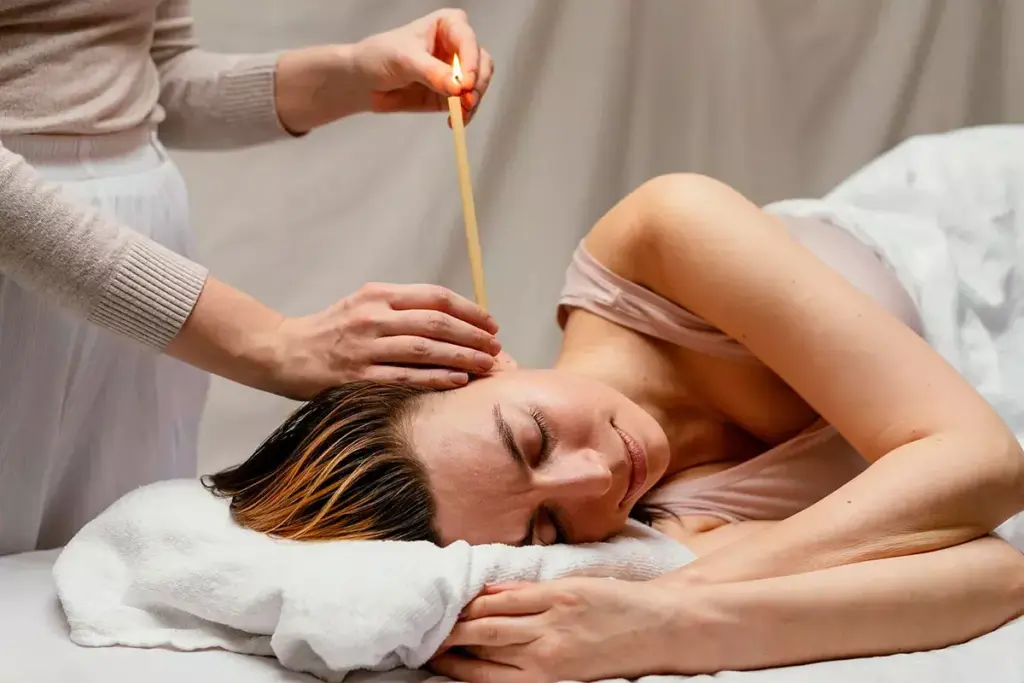
Ear candling, also known as thermal-auricular therapy, is a practice that uses a special candle. This candle is made from fabric soaked in beeswax. It’s placed in the ear and lit.
The idea is that the candle creates suction. This suction is thought to help remove earwax. It might also relieve discomfort and improve hearing.
The Process and History of Thermal-Auricular Therapy
The roots of ear candling lie in traditional practices. Today, it’s used for various health benefits. People believe the candle’s warmth loosens earwax and other impurities.
The ear candling process is said to create suction. This suction is thought to pull out earwax and other substances.
The history of thermal-auricular therapy is not well-documented. But, it’s believed to have started in ancient cultures. They used candle therapy for healing. Today, beeswax candles are used because they are considered safer and more effective.
Claims Made by Ear Candling Proponents
Ear candling supporters say it can remove excess earwax. They also claim it can reduce sinus pressure and improve hearing. Some believe it can even help with tinnitus and earaches.
According to Healthline, some think it can balance the body’s energy. They believe it promotes overall well-being.
But, not everyone agrees on its effectiveness. The debate about ear candling’s benefits continues. We’ll look into the scientific evidence in the next sections.
The Reality of Ear Candling Results: What Science Shows
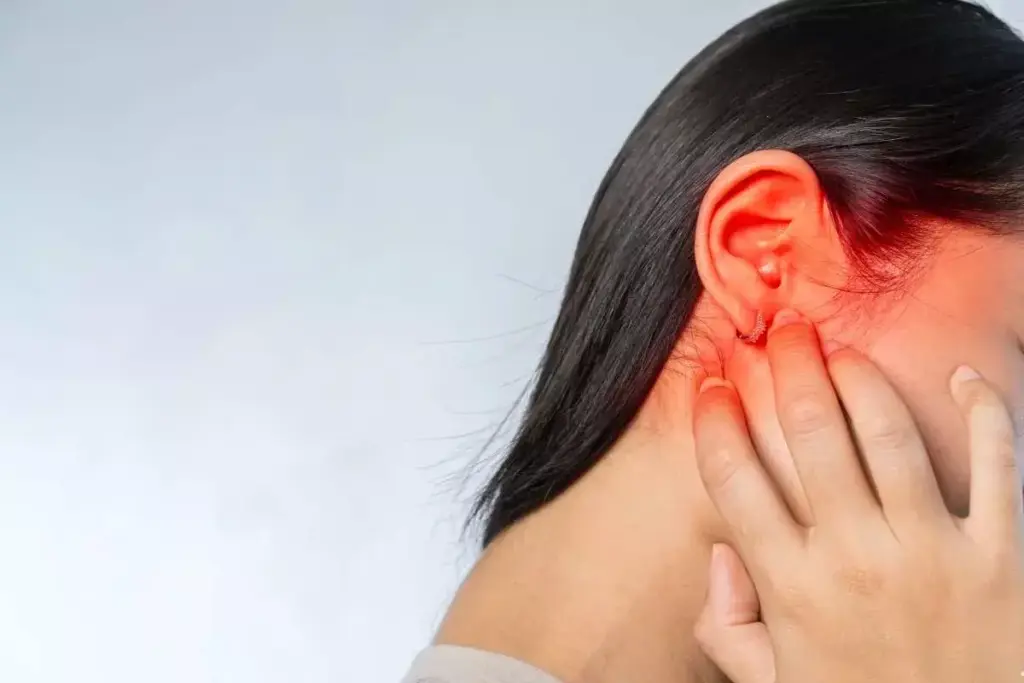
Many people believe ear candling works, but science says it doesn’t. Let’s look at the facts.
Do Ear Candles Create Suction? Testing the Negative Pressure Theory
Ear candling fans say it creates suction to pull out earwax. But, studies have proven this isn’t true.
Research shows ear candling doesn’t make enough suction to remove earwax. The suction it does create is too weak to have any real effect.
What’s Actually in the Candle After Treatment
Proponents of ear candling claim the candle residue is earwax. But, science says it’s actually candle wax and other debris.
Studies have found that the candle stub’s residue is mostly candle wax, not earwax. This proves ear candling doesn’t remove earwax effectively.
Scientific Studies and Research Findings
Many scientific studies have looked into ear candling’s effectiveness. They’ve tested its suction and analyzed the candle residue.
All these studies agree: ear candling doesn’t work for removing earwax or improving ear health. It can even cause harm, like burns, blockages, and eardrum damage.
Health Risks and Safe Alternatives for Earwax Removal
Ear candling is not safe and can cause serious harm. It can lead to burns, damage to the ear canal, and even perforate the eardrum. These risks are not worth the possible benefits.
Potential Dangers and FDA Warnings
The FDA warns against ear candling because it’s not proven to be safe or effective. It can cause burns to the ear, face, or hair, and might even cause temporary hearing loss. Medical News Today talks about the dangers of ear candling.
Common risks associated with ear candling include:
- Burns to the ear canal or eardrum
- Ear canal blockage due to candle wax or debris
- Puncture or perforation of the eardrum
- Temporary hearing loss
Medically Approved Methods for Ear Cleaning
There are safer ways to clean your ears than ear candling. Doctors recommend these methods:
| Method | Description | Benefits |
| Ear Irrigation | Using a special device to flush out earwax with water or saline solution. | Safe, effective, and gentle on the ears. |
| Microsuction | A procedure using a microscope and suction device to remove earwax. | Highly effective and precise, with minimal risk of complications. |
Healthcare professionals suggest these methods because they are safe and work well. If you have earwax buildup or discomfort, see a doctor for the right treatment.
Conclusion
Ear candling is not safe for removing earwax. Health experts say it’s risky and doesn’t work well. Our research shows it doesn’t remove earwax effectively and can harm your health.
Studies prove ear candling doesn’t work. It doesn’t create the needed pressure to remove earwax. The leftover wax in the candle doesn’t show it’s effective. Instead, we suggest using safe, approved ways to clean your ears.
Knowing the risks and benefits of ear cleaning methods helps you make better choices. It’s key to pick safe and effective ear care options. Our findings confirm ear candling is not a good choice for earwax removal.
In summary, choosing safe earwax removal methods is critical. Ear candles are not effective for this purpose. We recommend using proven, safe methods to protect your ear health.
FAQ:
What is ear candling, and how does it supposedly work?
Ear candling involves placing a hollow candle in the ear and lighting it, supposedly to create a vacuum that pulls out earwax.
Are ear candles effective in removing earwax?
No, studies show ear candles do not effectively remove earwax, and the residue comes from the candle itself.
Is ear candling safe?
No, ear candling can cause burns, blockages, and ear damage, making it unsafe.
What are the alternatives to ear candling for earwax removal?
Safe alternatives include ear drops, irrigation, or professional removal by a healthcare provider.
Can ear candling cause ear infections?
Yes, ear candling can introduce bacteria or push wax deeper, increasing the risk of ear infections.
What does the residue in the ear candle indicate?
The residue is burned candle wax, not earwax.
Are there any benefits to using ear candles?
There are no proven medical benefits; any perceived effect is placebo.
How can I safely remove earwax?
Use ear drops, gentle irrigation, or have a healthcare professional remove it safely.
Is ear candling approved by health authorities?
No, health authorities like the FDA advise against ear candling due to safety risks and lack of effectiveness.
References:
National Center for Biotechnology Information. Evidence-Based Medical Insight. Retrieved from https://pubmed.ncbi.nlm.nih.gov/8849790/