
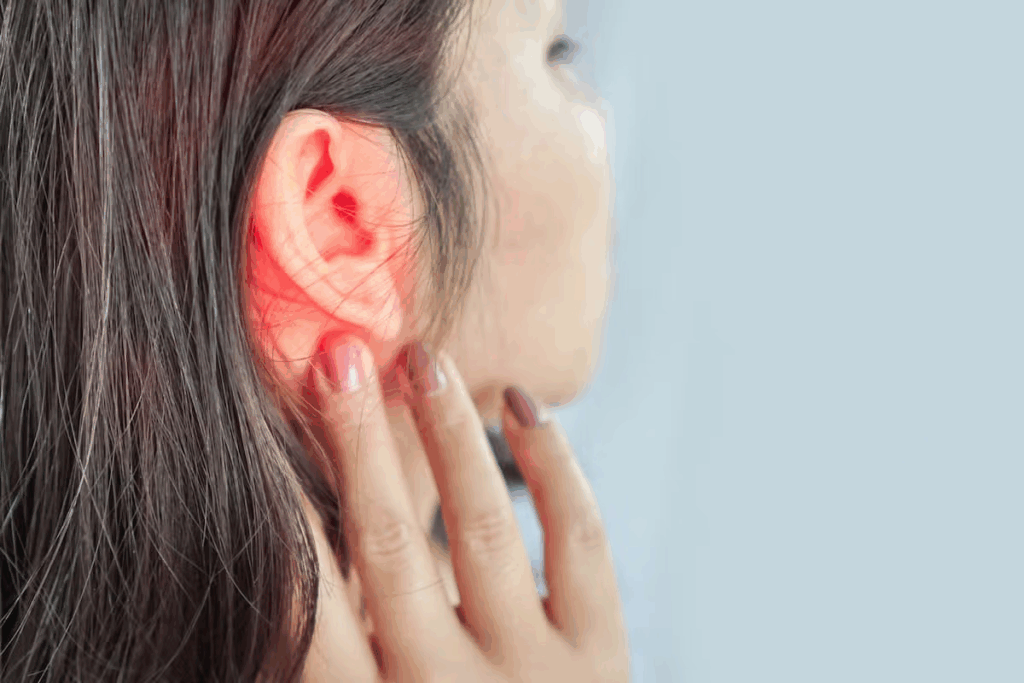
Do ear infections cause hearing loss? Yes, temporary conductive hearing loss is common, but permanent loss is rare. Ear infections, like otitis media, are common in kids and adults. They can harm your hearing health. At Liv Hospital, we focus on early detection and care to protect your hearing health.
Did you know ear infections are a top reason for hearing loss in young kids? Most people with a middle ear infection experience some hearing loss. We want to help you understand how ear infections can affect your hearing health.
Key Takeaways
- Ear infections can lead to temporary or permanent hearing loss.
- Early detection is key to preventing long-term hearing damage.
- Comprehensive care is vital for protecting your hearing.
- Recurring ear infections can have big hearing implications.
- Knowing the causes and effects of ear infections is important.
Understanding Ear Infections and Their Prevalence
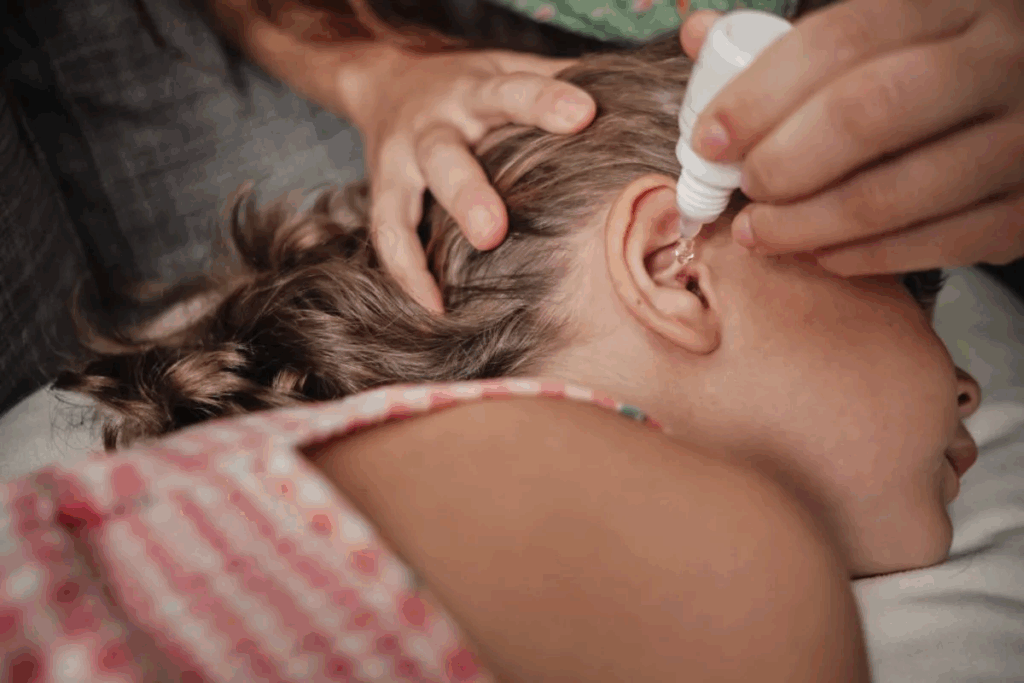
Ear infections are a big reason for hearing loss worldwide. They can happen to anyone, but some groups get them more often. This includes certain age groups.
Types of Ear Infections: Otitis Media and Others
Ear infections are divided into types based on where they happen. Otitis media, or middle ear infection, is common in kids. It’s caused by bacteria or viruses, leading to swelling and fluid.
Other types include otitis externa (outer ear infection), known as swimmer’s ear, and labyrinthitis, affecting the inner ear. Each has its own symptoms and effects on hearing.
Statistics on Ear Infection Occurrence in Children and Adults
Ear infections are very common in kids. About 75% of children have at least one otitis media episode by age three. Adults can get them too, often due to health issues or allergies.
Studies show ear infections can cause hearing loss. This can be temporary or, in bad cases, permanent. Knowing about ear infections and their impact on hearing is key.
The Anatomy of the Ear and How We Hear

To understand how ear infections affect our hearing, we need to know about the ear’s structure. The ear is a complex part of our body that lets us hear. It has three main parts: the outer ear, middle ear, and inner ear. Each part plays a key role in hearing.
Outer, Middle, and Inner Ear Structure
The outer ear, or pinna, catches sound waves and sends them into the ear canal. The ear canal then sends these sound waves to the eardrum. This thin membrane vibrates when it hears sound.
The middle ear has three small bones called ossicles. These bones make the vibrations stronger and send them to the inner ear. The inner ear has the cochlea, a spiral-shaped part. It turns vibrations into electrical signals that our brain understands as sound.
The Process of Sound Transmission
Sound transmission starts with the outer ear catching sound waves. These waves go through the ear canal and hit the eardrum. This makes it vibrate.
The vibrations then get stronger in the middle ear and reach the cochlea in the inner ear. The cochlea changes these vibrations into electrical signals. These signals go to the brain, letting us hear.
As “The ear is a complex and fascinating structure”, knowing how it works is key. This helps us understand how infections can affect our hearing.
How Infections Disrupt Normal Hearing Function
Ear infections, like otitis media, happen when bacteria or viruses infect the middle ear. This causes inflammation and fluid buildup. It can stop sound vibrations from getting to the inner ear properly.
This can lead to hearing loss because sound can’t be transmitted well. In severe cases, infections can harm the inner ear. This can cause permanent hearing loss.
“Infections, like those in the middle ear, can disrupt the normal hearing process. This can lead to different levels of hearing loss.”
Knowing about the ear’s anatomy and how infections affect it is important. It helps us understand the risk of hearing loss after an infection. By understanding how sound is transmitted and how infections can harm it, we can tackle hearing loss better.
Can an Ear Infection Cause Hearing Loss?
Ear infections can really affect our hearing, leading to temporary or permanent loss. It’s important to understand how ear infections and hearing loss are connected. This knowledge helps in managing and treating the issue effectively.
The Direct Connection Between Infections and Hearing
Ear infections, mainly those in the middle ear, can harm our hearing. They disrupt the ear’s normal function. This can happen when an infection causes fluid buildup or damages the eardrum and tiny bones that carry sound.
The impact on hearing is not just a matter of volume; it can also affect the clarity of sound. Sometimes, the hearing loss is so bad it’s like wearing earplugs. It makes it hard to talk or enjoy daily activities.
Measuring Hearing Loss: The 24 Decibel Impact
Studies show middle ear infections can cause a 24-decibel hearing loss. This is like wearing earplugs. Such a loss can make it hard to hear and talk, even in quiet places.
Knowing how much hearing loss there is helps decide the right treatment. Sometimes, hearing comes back after the infection is gone. But other times, the loss can last longer and need more treatment.
What It Feels Like to Experience Infection-Related Hearing Loss
Hearing loss from an ear infection can be really tough. It feels like being in a bubble or having plugged ears. Sounds seem muffled or far away, making it hard to talk or enjoy sounds.
The emotional impact of hearing loss should not be underestimated. It can really change a person’s life, making them feel isolated and frustrated. It’s key to treat hearing loss quickly to lessen its effect on daily life.
Temporary vs. Permanent Hearing Loss from Ear Infections
It’s important to know if hearing loss from an ear infection is temporary or permanent. This helps decide the best way to treat it. Ear infections can lead to both kinds of hearing loss.
Characteristics of Temporary Hearing Loss
Temporary hearing loss from ear infections happens when fluid builds up or inflammation blocks sound. This usually gets better once the infection is treated and the fluid or inflammation goes away. Conductive hearing loss is common in ear infections, affecting how sound is carried through the middle ear.
Conditions Leading to Permanent Damage
Severe, recurring, or untreated ear infections can cause permanent damage. This can harm the inner ear or the auditory nerve. Sensorineural hearing loss is a serious type that affects how the inner ear processes sound.
Recovery Timeline Expectations
How long it takes to recover from ear infection hearing loss varies. Temporary loss might improve in a few weeks after treatment. But, if permanent damage happens, hearing might not fully come back. Sometimes, medical help or devices are needed.
Conductive Hearing Loss: The Most Common Type
Conductive hearing loss happens when sound can’t get through the outer ear, eardrum, or middle ear bones. Ear infections often cause this due to fluid or damage. It can usually be fixed with medical or surgical help.
Sensorineural Hearing Loss from Severe Infections
Sensorineural hearing loss is more serious and can be permanent. It’s caused by damage to the inner ear or auditory nerve from severe or untreated infections. It’s key to treat ear infections quickly to avoid this.
Mixed Hearing Loss: When Both Types Occur
Sometimes, people have mixed hearing loss, a mix of conductive and sensorineural hearing loss. This happens when there’s a middle ear problem and inner ear or nerve damage. Mixed hearing loss needs a detailed check-up to find the right treatment.
Ear Infections in Children and Hearing Implications
Children are more likely to get ear infections, which can harm their hearing. These infections, like otitis media, are common in kids. This is because their immune systems are not fully grown and their ears are different.
Why Children Are More Susceptible
Children’s eustachian tubes are shorter and more horizontal than adults’. This makes it easier for germs to get into the middle ear. Their developing immune systems also play a big role in why they get ear infections more often.
Key factors contributing to susceptibility include:
- Immature immune system
- Shorter eustachian tubes
- Exposure to pathogens in daycare or school settings
Impact on Speech and Language Development
Ear infections can cause hearing to go up and down. This can really affect how a child learns to speak and understand language. Kids learn by hearing and copying sounds. So, any hearing problems can make it hard for them to learn language.
The effects can be far-reaching, potentially leading to:
- Difficulty in articulating certain sounds
- Vocabulary gaps
- Challenges in understanding complex sentences
Educational Challenges
Children with ear infections may struggle in school. This is because their hearing keeps changing. It can make it hard for them to listen to teachers, understand lessons, and join in class activities.
Some of the educational implications include:
- Struggling to keep up with peers academically
- Difficulty in following verbal instructions
- Potential misdiagnosis of learning disabilities
It’s important to know how ear infections can affect kids’ hearing and learning. By helping early, we can lessen the long-term effects on their education and social skills.
Chronic and Recurrent Ear Infections
Chronic and recurrent ear infections can harm our hearing. If not treated, they might cause permanent damage. These infections can keep coming back, affecting our hearing and quality of life.
Risk Factors for Developing Chronic Otitis Media
Several factors can increase the risk of chronic otitis media. Age is a big factor, with young children being more at risk. Their immune systems are not fully developed, and their Eustachian tubes are different.
Other risk factors include being exposed to secondhand smoke, having allergies, and a family history of ear infections. Anatomical issues like a deviated septum or enlarged adenoids also play a role. Knowing these risk factors helps in preventing and treating early.
Cumulative Effects on Hearing Health
Recurring ear infections can have a big impact on our hearing. Each infection can cause temporary hearing loss. Repeated infections may lead to more lasting hearing problems.
The fluctuating hearing loss from chronic otitis media is hard to deal with. It can affect children’s speech and language development. It also causes problems in school and work.
Chronic infections can also cause permanent hearing loss if not treated. This highlights the need to monitor and treat ear infections quickly.
Structural Changes to the Eardrum and Middle Ear
Chronic and recurrent ear infections can change the eardrum and middle ear’s structure. Repeated inflammation and infection can cause scarring and damage to the eardrum. This might lead to perforation.
In the middle ear, chronic infection can cause cholesteatoma, a skin cyst. This can cause more damage and make treatment harder. These changes can affect hearing and might need surgery to fix.
Early detection and management of chronic otitis media are key. They help prevent complications and keep our hearing healthy.
Diagnosing Hearing Loss After an Ear Infection
Figuring out if you have hearing loss after an ear infection is key. You need to know the symptoms and tests used to diagnose it. Ear infections can cause hearing loss, so getting a correct diagnosis is important.
Common Symptoms to Watch For
If you’ve had an ear infection, watch for signs of hearing loss. You might notice muffled hearing or ear pain. Other signs include fluid drainage from the ear and trouble hearing high-pitched sounds.
Diagnostic Tests and Procedures
Doctors use several tests to check for hearing loss after an ear infection. Audiometry tests how well you can hear different sounds. Tympanometry checks the eardrum and middle ear muscles.
Other tests like otoacoustic emission testing and auditory brainstem response testing look at the inner ear and nerves. These tests help find out if there’s a problem.
When to Seek Immediate Medical Attention
If you have intense ear pain, high fever, or discharge from the ear that smells bad, see a doctor right away. Also, if you notice significant hearing loss or difficulty balancing, get help fast. Early treatment can stop problems from getting worse.
Treatment Options for Infection-Related Hearing Loss
Ear infections can cause hearing loss. There are many ways to treat this. The right treatment depends on how bad the hearing loss is and what caused it.
Medical Interventions
Doctors often start with medicine for ear infection hearing loss. Antibiotics are used to fight bacterial infections. This can help fix the infection and improve hearing. Sometimes, corticosteroids are given to lessen swelling in the ear.
Medication Type | Use | Benefits |
Antibiotics | Treat bacterial infections | Effective in resolving infection |
Corticosteroids | Reduce inflammation | Quickly reduces swelling |
Surgical Approaches
If medicine doesn’t work, surgery might be needed. Tympanostomy tubes help drain fluid from the middle ear. This can help improve hearing. Tympanoplasty is a surgery that fixes the eardrum and middle ear bones. This is helpful for those with chronic infections.
Hearing Rehabilitation and Assistive Devices
Some people might need help hearing better. Hearing aids can make sounds louder. Speech therapy is also helpful, mainly for kids. It helps them talk better.
Dealing with hearing loss is tough. But, the right treatment can help many people hear again. This improves their life a lot.
Preventing Ear Infections and Associated Hearing Loss
We can lower the risk of hearing loss by preventing ear infections. This involves understanding risks, keeping up with care, and making lifestyle choices. It’s a way to protect our ears.
Risk Factor Reduction Strategies
It’s key to know and lower risk factors for ear infections. Exposure to smoke is a big risk, so avoiding it is important. Also, managing allergies and colds well can help prevent ear infections.
Good hygiene, like washing hands often, stops infections from spreading.
Vaccination and Preventive Care
Vaccines are vital in stopping infections that can harm hearing. The pneumococcal conjugate vaccine (PCV) and the influenza vaccine help a lot. Keeping up with vaccines is a smart way to protect our ears.
Lifestyle Modifications for Better Ear Health
Changing our lifestyle can also help our ears. Breastfeeding babies can lower their ear infection risk. It gives them antibodies to fight off infections.
Not using pacifiers after 12 months and avoiding secondhand smoke also helps. Eating healthy foods, like fruits and whole grains, supports ear health too.
By using these strategies, we can lower ear infection rates and hearing loss. This helps everyone, no matter their age, to have better ear health.
Conclusion
It’s important to understand how ear infections can affect our hearing. We’ve looked into how ear infections can cause hearing problems. We also talked about the difference between temporary and permanent hearing loss and why early treatment is key.
Knowing the risks and taking steps to prevent them can help avoid hearing loss from ear infections. Good ear care, staying up to date on vaccinations, and seeing a doctor quickly if problems arise are all important. These actions can greatly lower the chance of hearing loss.
To prevent ear infections and hearing loss, we need to be informed and proactive. Taking care of our ears is essential for our hearing and overall health. By focusing on ear health, we can keep our hearing sharp and enjoy life to the fullest.
FAQ
Can an ear infection cause permanent hearing loss?
Yes, an ear infection can sometimes cause permanent hearing loss. This is more likely if the infection is severe or left untreated. We’ll explore the reasons for this in our article.
What are the symptoms of hearing loss after an ear infection?
Symptoms include trouble hearing, sounds seeming muffled or distorted, and feeling like your ear is full or under pressure. If you notice these signs, you should see a doctor right away.
How are ear infections diagnosed, and what diagnostic tests are used to assess hearing loss?
Doctors diagnose ear infections by examining the ear and reviewing your medical history. To check for hearing loss, they might use tests like tympanometry and pure-tone audiometry.
Can children outgrow the risk of hearing loss from ear infections?
Some children might outgrow the risk of ear infections. But others could keep experiencing hearing loss. It’s important to watch their hearing and treat any problems quickly to help with speech and language skills.
What are the treatment options for infection-related hearing loss?
Treatments include antibiotics, surgery like tympanoplasty, and using hearing aids. These strategies help manage hearing loss caused by infections.
How can I prevent ear infections and associated hearing loss?
To prevent ear infections, reduce risks, get vaccinated, and make healthy lifestyle choices. These steps can help keep your ears healthy.
Is conductive hearing loss the most common type of hearing loss associated with ear infections?
Yes, conductive hearing loss is common with ear infections. It happens when the middle ear has a problem. But, severe infections can also cause sensorineural hearing loss.
Can recurrent ear infections cause cumulative effects on hearing health?
Yes, having many ear infections can harm your hearing over time. It could lead to more serious or permanent hearing loss. It’s key to prevent and manage these infections.
What is the impact of ear infections on children’s developmental outcomes?
Ear infections can hurt children’s speech, language, and school performance. Untreated infections or ongoing hearing loss can have lasting effects. Quick medical care and proper management are vital.
Can an ear infection cause deafness?
In rare cases, a severe ear infection could lead to significant hearing loss or even deafness. It’s critical to get medical help quickly to avoid this.
Does ear infection cause hearing loss in adults as well?
Yes, adults can also experience hearing loss from ear infections, though it’s less common than in children. If you’re an adult and notice hearing problems, see a doctor.
Can a person experience mixed hearing loss due to an ear infection?
Yes, it’s possible for someone to have both conductive and sensorineural hearing loss from an ear infection.
How long does it take to recover from hearing loss caused by an ear infection?
Recovery time varies based on the infection’s severity and the type of hearing loss. In some cases, hearing may return once the infection is treated. In others, it might take longer or be permanent.
Are there any lifestyle changes that can help prevent ear infections?
Yes, making lifestyle changes can help prevent ear infections. Avoiding smoke, regular check-ups, and good hygiene are important steps.
Can vaccination help prevent ear infections and associated hearing loss?
Yes, getting vaccinated against certain infections can lower the risk of ear infections and hearing loss. Vaccines like pneumococcal conjugate and influenza are effective.
References
Baugh, R. F., Archer, S. M., Mitchell, R. B., Rosenfeld, R. M., Amin, R.,侧. R., . . . Witsell, D. L. (2011). Clinical Practice Guideline: Tonsillectomy in Children. Otolaryngology—Head and Neck Surgery, 144(1 Suppl), S1-S30. Retrieved from https://journals.sagepub.com/doi/full/10.1177/0194599810389949