
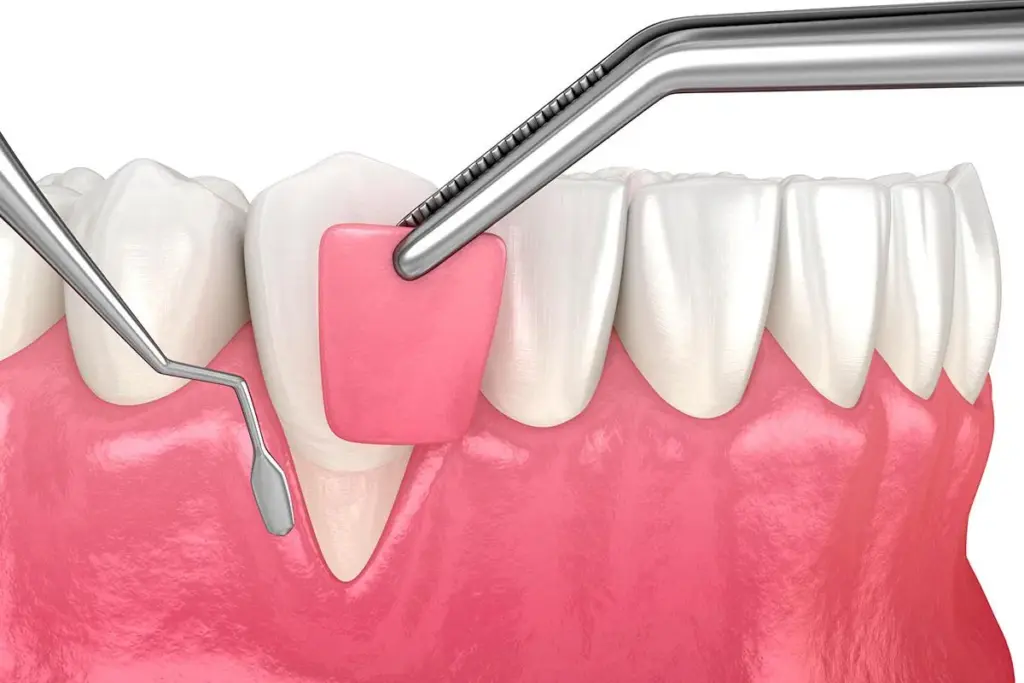
Gum recession is a common problem, affecting about 50% of adults over 30. It causes exposed tooth roots and sensitivity. Gum grafting is a highly effective treatment for this issue, helping protect dental health.
Gum grafting involves transplanting healthy gum tissue to receded areas. This reduces sensitivity and prevents more damage. There are different techniques, like connective tissue and free gingival grafts, to meet various needs.
Many studies show gum grafting’s high success rates and long-term benefits. It’s a reliable and effective treatment in today’s dentistry.
Key Takeaways
- Gum recession affects a significant portion of the adult population, leading to dental sensitivity and other issues.
- Gum grafting is a highly effective treatment for gum recession, with success rates exceeding 90%.
- Various gum grafting techniques are available, including connective tissue and free gingival grafts.
- Gum grafting reduces sensitivity and prevents further dental damage.
- Numerous studies support the long-term benefits of gum grafting.
Understanding Gum Grafts and Their Purpose
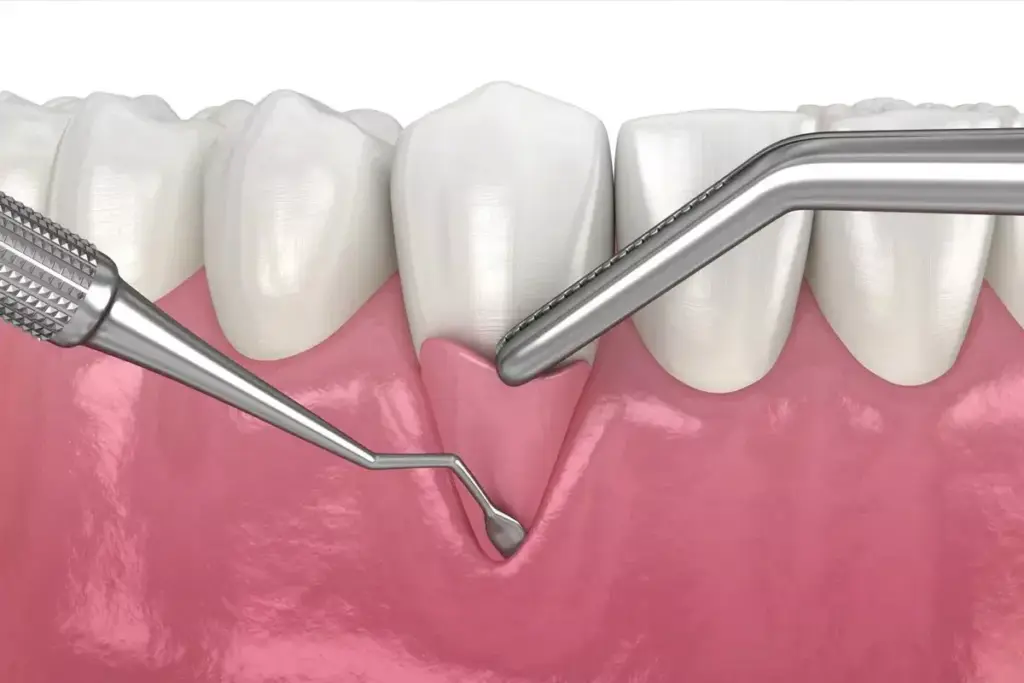
Gum grafting is a surgery that helps treat gum recession. We’ll look into how it works, what it fixes, and the methods used.
What Is Gum Recession and Its Consequences
Gum recession happens when gums pull back, showing the roots. It can come from hard brushing, gum disease, or genetics. If not treated, it can cause tooth sensitivity, decay, and tooth loss.
Common Issues Addressed by Gum Grafts
Gum grafts fix many problems with gum recession. They cover exposed roots, reducing tooth sensitivity and decay risk. They also make gums look better, improving smiles.
This is great for those with big gum recession. It makes gums look healthy and natural again.
Types of Gum Graft Techniques
There are many gum graft methods, each with its own benefits. The subepithelial connective tissue graft is popular for its success and little pain. The pedicle graft moves gum tissue to cover roots.
The right method depends on how bad the recession is and the patient’s health. Knowing about these techniques helps patients make better choices with their dentist.
Do Gum Grafts Work? Success Rates and Effectiveness
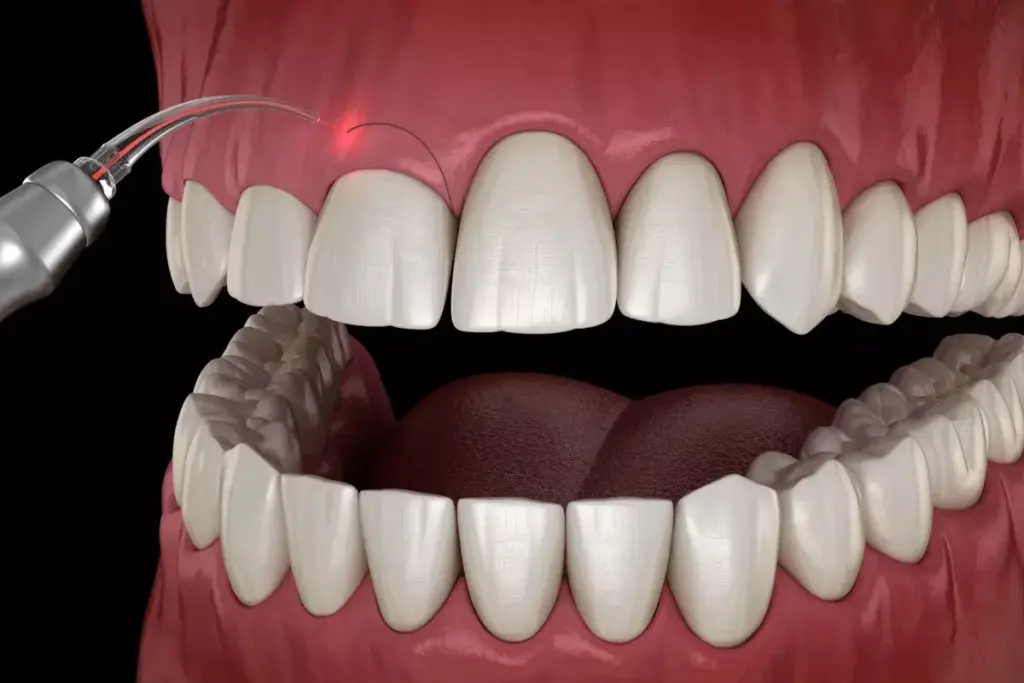
Gum grafting is a procedure that helps restore gum tissue around teeth. It has shown promising results. We will look at the evidence supporting its effectiveness, including success rates and long-term outcomes.
Clinical Success Rates and Research Evidence
Studies have shown gum grafting to be highly successful. Connective tissue grafts have achieved an average root coverage of 98.4% after 27.5 months. This success is due to the technique’s ability to promote healing and tissue regeneration.
Many research studies support the clinical success of gum grafting. For example, a study found that it significantly improves gum health and aesthetics.
- High success rates with connective tissue grafts
- Significant improvement in gum health and aesthetics
- Long-term results supported by research evidence
Long-Term Results: 35-Year Studies
Long-term studies have shown that gum grafting can provide durable results. Research indicates that 83% of cases maintain recession reduction for up to 35 years. This shows the procedure’s long-term success when maintained properly.
Factors like oral hygiene practices and overall health contribute to long-term success. Regular dental check-ups and good oral hygiene are key to maintaining the results of gum grafting.
Factors Affecting Gum Graft Success
The success of gum grafting depends on several factors. These include oral hygiene, smoking status, and the dentist’s skill. Smoking, in particular, can negatively impact the healing process and overall success of the graft.
- Oral hygiene practices
- Smoking status
- Skill of the dentist
Recovery and Integration Timeline
The recovery and integration timeline for gum grafting varies. Generally, patients can expect the graft to integrate within a few weeks to a few months. Proper post-operative care is essential for optimal healing and integration.
We recommend following a soft-food diet and maintaining good oral hygiene during the initial healing period. Regular follow-up appointments with your dentist are also important for monitoring the healing process.
Alternatives to Gum Grafting: Exploring Your Options
New dental technologies have brought many alternatives to gum grafting. Patients are now looking for treatments that are less painful and more effective. They want to stop gum recession without the usual surgery.
Non-Surgical Approaches for Mild Recession
For mild gum recession, there are non-surgical options. The Pinhole Surgical Technique is one. It makes a small hole in the gum to cover the exposed root. Learn more about natural alternatives to gum.
Another option is Platelet-Rich Fibrin (PRF) therapy. It uses a membrane made from the patient’s blood to heal and grow new tissue.
Synthetic and Artificial Gum Graft Materials
New synthetic and artificial materials are being made for gum grafting. These can make the gum look and work better.
| Material | Description | Benefits |
| Alloderm | Human-derived graft material | Promotes natural healing, minimal donor site morbidity |
| Synthetic membranes | Artificially created grafts | Reduced risk of disease transmission, consistent quality |
| PRF Membranes | Derived from patient’s own blood | Stimulates tissue regeneration, biocompatible |
Preventive Strategies for Gum Health
Preventing gum recession is better than treating it. Good oral hygiene and regular dental visits are key. Avoiding smoking and fixing teeth alignment also helps.
Exploring these options and preventive steps can help patients choose wisely. They might avoid the need for gum grafting.
Conclusion
When looking into gum graft treatment, it’s key to know your options. The right treatment depends on how bad the gum recession is and your personal health. We’ve looked at how gum graph procedures work and other alternative to gum grafting choices.
Gum grafting often works well for many, with good results lasting a long time. But, does it work for everyone? It really depends on your situation and the dentist’s skill.
Talking to a skilled dentist can help find the best treatment for you. Whether it’s a traditional gum graft or something else, making a smart choice is important for healthy gums.
We suggest talking to a dentist to find the best treatment for you. With the right care, you can keep your gums healthy and smile with confidence.
FAQ
What is gum grafting and how does it work?
Gum grafting is a surgery that moves healthy gum tissue to where gums have pulled back. It covers exposed roots, makes teeth less sensitive, and stops more damage.
What are the different types of gum graft techniques?
There are many techniques, like connective tissue grafts and free gingival grafts. They help meet different needs and offer choices for patients.
Does gum grafting really work?
Yes, many studies prove gum grafting is effective. It has high success rates and long-term benefits for treating gum recession.
What are the alternatives to gum grafting?
Options include non-surgical treatments for mild recession, synthetic grafts, and ways to keep gums healthy.
What are the benefits of synthetic gum graft materials?
Synthetic grafts are a good alternative to traditional grafts. They use less donor tissue and might heal faster.
How can I prevent gum recession?
To prevent recession, see your dentist regularly, brush well, and avoid smoking. These steps help keep gums healthy.
Are there any non-surgical treatments for gum recession?
Yes, for mild recession, scaling and root planing can work. Your dentist or periodontist might suggest these treatments.
How long does it take to recover from gum grafting?
Recovery time varies, but most heal in a few weeks. The graft will blend with the surrounding tissue over time.
Can gum grafting address aesthetic concerns?
Yes, gum grafting can make the gum line look better. It can also improve the smile’s overall look.
What factors affect the success of gum grafting?
Success depends on patient health, oral hygiene, and post-op care. Proper care and follow-up are key.
References:
National Center for Biotechnology Information. Evidence-Based Medical Guidance. Retrieved from
https://pubmed.ncbi.nlm.nih.gov/29873085/