
Many women think regular periods mean they’re fertile and healthy. But, the truth is more complicated. Infertility and regular periods can happen together. This means a woman can ovulate and have normal periods but struggle to get pregnant.Do infertile women get periods? Get the surprising, essential answer. This guide reveals the critical facts about infertility and menstruation.
At Liv Hospital, we get how tough infertility journeys can be. We offer tests based on science. Regular periods show ovulation, but many fertility problems can stop conception. We’ll look into how regular periods and fertility are linked. We’ll see that just ovulating doesn’t mean you can get pregnant.
Key Takeaways
- Regular periods don’t always mean a woman is fertile.
- Ovulation is just one factor in determining fertility.
- Underlying fertility issues can exist despite regular cycles.
- Evidence-based evaluations are key to understanding fertility challenges.
- Liv Hospital offers full support for those facing infertility.
Understanding the Relationship Between Menstruation and Fertility
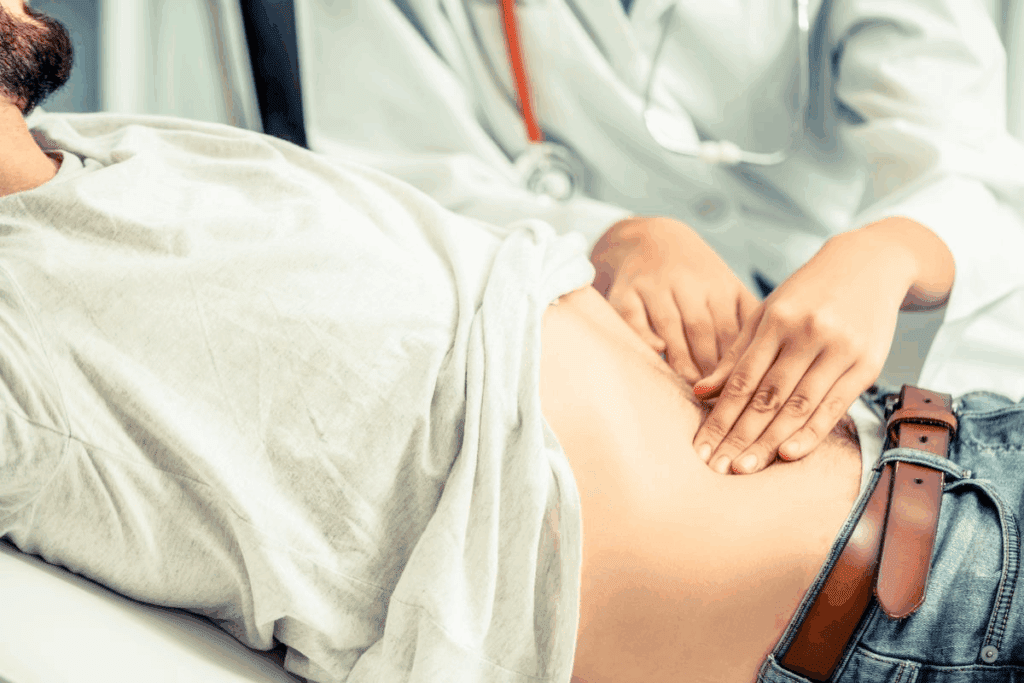
The link between menstruation and fertility is complex. It involves many body processes. Knowing what regular periods mean for fertility is key.
What Regular Periods Actually Indicate
Regular cycles often mean a woman is ovulating. This is a big part of being fertile. Regular periods show ovulation is likely happening, thanks to the right hormone balance.
But, ovulation and fertility are not the same. Even if a woman ovulates, other things can affect her fertility. This includes the egg’s quality, the fallopian tubes, and overall reproductive health.
The Ovulation Process and Its Role in Fertility
Ovulation starts with an egg leaving the ovaries and moving to the fallopian tubes. There, it can meet sperm. Hormones control this whole cycle. The luteinizing hormone (LH) surge is a key sign of ovulation, making the egg ready to be fertilized.
Knowing how ovulation works is important for checking fertility. But, being able to ovulate doesn’t mean a woman can get pregnant. Other things can also affect her ability to conceive.
Factors Affecting Fertility | Description | Impact on Fertility |
Ovulation | Release of an egg from the ovaries | Critical for fertility; without ovulation, pregnancy is not possible |
Egg Quality | The health and viability of the egg | Affects the likelihood of successful fertilization and healthy pregnancy |
Fallopian Tube Condition | The state of the fallopian tubes, whether blocked or clear | Blockages can prevent fertilization, impacting fertility |
By understanding these points, women can better see their fertility. They can spot issues that might stop them from getting pregnant.
The Surprising Truth: Do Infertile Women Get Periods?

Menstruation and fertility are linked but not the same. Having regular periods doesn’t mean a woman can easily get pregnant. We often think regular periods mean good reproductive health, but that’s not always true for fertility.
Debunking Common Misconceptions
Many believe women with regular periods are always fertile. But fertility is more than just ovulation and menstruation. It’s about being able to conceive and carry a baby to term. Things like ovulation quality, hormonal balance, and reproductive tract health are also important.
For example, a woman might have regular periods but struggle to conceive. This could be due to poor egg quality or other issues. Medical Expert, a fertility specialist, says,
“Regular periods are just one piece of the fertility puzzle. Many women with regular cycles may face challenges in getting pregnant.”
Statistics on Infertility Despite Regular Cycles
Infertility is more common than people think, even among women with regular cycles. The CDC says about 11% of women in the U.S. struggle with infertility.
Infertility Prevalence | Women with Regular Cycles | Women with Irregular Cycles |
Experiencing Infertility | 8% | 15% |
Total Population | 70% | 30% |
These numbers show regular cycles don’t always mean better fertility. A lot of women with regular periods struggle to conceive. Knowing this can help women and couples make better choices about their reproductive health.
It’s key to understand infertility isn’t just about regular periods. A full check of fertility factors is needed for women having trouble getting pregnant, no matter their cycle.
How Ovulation and Fertility Are Connected
Ovulation is key in the fertility journey, but it’s not everything. It’s when the ovary releases an egg into the fallopian tube. There, the egg can meet sperm for fertilization. Yet, getting pregnant involves more than just ovulation.
To grasp the link between ovulation and fertility, we must explore the reproductive process. Ovulation is vital for fertility because it provides the egg for fertilization. But, ovulation alone doesn’t ensure fertility.
Can You Ovulate and Yet Be Infertile?
Yes, you can ovulate and not be fertile. Ovulation is just one piece of the fertility puzzle. Other factors like egg quality, fallopian tube health, and uterine lining condition also matter.
For example, a woman might ovulate regularly but have low-quality eggs. This could be due to age or hormonal issues. Such factors can greatly lower the chances of fertilization and implantation.
“Ovulation is a necessary but not sufficient condition for fertility. Other factors such as tubal patency, uterine health, and hormonal balance also play critical roles.” – Medical Expert, Fertility Specialist
The Journey from Egg Release to Possible Pregnancy
The path from egg release to pregnancy is complex. After ovulation, the egg travels through the fallopian tube. There, it can meet sperm for fertilization. The fertilized egg, now a zygote, then divides several times as it heads to the uterus.
Once the zygote reaches the uterus, it implants into the uterine lining. This process, called implantation, is essential for pregnancy.
Step | Description | Factors Affecting Success |
Ovulation | Release of an egg from the ovary | Hormonal balance, ovarian health |
Fertilization | Fertilization of the egg by sperm in the fallopian tube | Sperm quality, tubal patency |
Implantation | Implantation of the fertilized egg into the uterine lining | Uterine health, hormonal support |
As the table shows, each step in the journey to pregnancy is influenced by many factors. Knowing these can help women and couples tackle fertility challenges.
In summary, while ovulation is key, it’s not the only factor in fertility. A full understanding of the reproductive process is vital for tackling fertility issues.
Common Causes of Infertility Despite Regular Menstruation
Many women think regular periods mean they can get pregnant easily. But, several issues can stop them from conceiving. We’ll look at the main reasons for infertility in women with regular cycles. We’ll focus on problems with the body’s structure and health.
Fallopian Tube Blockages
Fallopian tube blockages are a big reason for infertility. If the tubes are blocked, the egg can’t meet sperm, or the fertilized egg can’t reach the uterus. Causes include:
- Pelvic inflammatory disease
- Endometriosis
- Previous surgeries
Not all blockages show symptoms. But, tests like hysterosalpingography can find them. Treatment depends on the blockage’s cause and how bad it is.
Endometriosis
Endometriosis is when tissue like the uterine lining grows outside the uterus. This causes inflammation and scarring, hurting fertility. Symptoms include:
- Pelvic pain
- Heavy or irregular periods
- Infertility
To diagnose, doctors often use laparoscopy. Treatment can be hormonal therapy or surgery.
Uterine Abnormalities
Uterine issues, like fibroids or a uterus that’s not shaped right, can hurt fertility. They can make it hard for an embryo to implant or increase miscarriage risk. Types include:
- Congenital anomalies
- Acquired conditions like fibroids or polyps
Treatment varies based on the abnormality’s type and how severe it is. It can range from surgery to using assisted reproductive technologies.
Hormonal Imbalances and Their Impact on Fertility
Hormones play a key role in fertility. Any imbalance can make it hard to get pregnant. This can affect many aspects of fertility, making it tough for women to conceive.
Luteal Phase Defects
A luteal phase defect happens when the corpus luteum doesn’t make enough progesterone. This hormone is vital for keeping a pregnancy. Without enough, it’s hard for an embryo to implant and grow.
Luteal phase defects are a big reason for infertility and miscarriages.
To find out if you have this, doctors check your basal body temperature and progesterone levels. They might give you progesterone to help your fertility.
Thyroid Disorders
Thyroid problems, like hypothyroidism and hyperthyroidism, can hurt your fertility. Thyroid hormones help control your menstrual cycle and ovulation. If they’re off, you might have irregular periods or poor egg quality.
Doctors use tests to find thyroid issues. They treat it with medicine to get your hormones back in balance. This can help you ovulate regularly and improve your chances of getting pregnant.
Other Hormonal Factors Affecting Egg Quality
Other hormonal issues can also affect egg quality and fertility. For example, insulin resistance and polycystic ovary syndrome (PCOS) can mess with hormones and ovulation.
Living a healthy lifestyle, like eating right and exercising, can help with insulin resistance. Sometimes, doctors might prescribe fertility drugs to help with ovulation and egg quality.
In short, hormonal imbalances can greatly affect fertility. Knowing the causes and how to fix them can boost a woman’s chances of getting pregnant. We suggest talking to a healthcare provider for advice on managing hormones and improving fertility.
Polycystic Ovary Syndrome (PCOS): A Complex Fertility Challenge
PCOS is complex because it can show up differently in women. Some may have regular periods, making it hard to spot and understand the fertility problems.
Presentation with Regular Periods
Many think PCOS means irregular periods. But, some women with PCOS have regular cycles. This makes it tricky to diagnose and understand their fertility issues.
Key factors to consider:
- Hormonal imbalance
- Insulin resistance
- Androgen excess
Effects on Egg Quality
PCOS affects not just ovulation but also egg quality. Women with PCOS are more likely to have eggs with problems. This can make it hard to get pregnant or increase the risk of miscarriage.
Treatment Options for PCOS-Related Infertility
There are many ways to tackle PCOS-related infertility. These include:
Treatment Option | Description |
Lifestyle Modifications | Dietary changes and more exercise to help insulin and hormone balance. |
Fertility Medications | Medicines like clomiphene citrate or letrozole to help ovulation. |
Assisted Reproductive Technologies (ART) | IVF for those who don’t respond to first treatments. |
It’s key to understand PCOS and its impact on fertility to find the right treatment. By tackling the hormonal and metabolic issues, women with PCOS can boost their chances of getting pregnant.
Age-Related Fertility Decline Despite Regular Cycles
Regular menstrual cycles are often a sign of fertility. But, age is a big factor in a woman’s ability to get pregnant. As women age, their eggs get worse in quality and number, affecting their fertility.
Egg Quality and Quantity Changes After 35
After 35, women see a big drop in egg quality and number. This is a natural part of aging. But, it can really hurt their chances of getting pregnant.
Key Changes Include:
- Reduced Egg Quality: Eggs are more likely to have problems, making it harder to get pregnant and increasing miscarriage risk.
- Decreased Egg Quantity: There are fewer eggs for fertilization, lowering the chance of getting pregnant.
Understanding Diminished Ovarian Reserve
Diminished ovarian reserve means the ovary doesn’t work as well, leading to worse egg quality and fewer eggs. This can be due to age or other reasons.
Age Group | Egg Quality | Fertility Status |
20-24 | High | Optimal |
25-34 | Good | Good |
35-39 | Fair | Declining |
40+ | Poor | Significantly Reduced |
Knowing about these changes is key for women planning to have kids, after 35. It’s important to understand the challenges and get medical advice if needed.
Male Factor Infertility: The Other Half of the Equation
Male infertility plays a big part in couples’ fertility problems, making up nearly half of all cases. Many think the problem is always with the woman. But, male factor infertility is a big part of fertility challenges too.
When the Issue Isn’t with the Female Partner
Male infertility can come from many things, like low sperm count or poor sperm health. These problems can be due to hormonal issues, genetic problems, or lifestyle choices. For example, smoking and too much alcohol can hurt sperm quality.
- Low sperm count
- Poor sperm motility
- Abnormal sperm morphology
Combined Fertility Factors
Often, infertility isn’t just one person’s problem. It’s a mix of issues from both partners. Combined fertility factors might include ovulation problems in women and sperm issues in men. Knowing these factors is key to finding good treatments.
“Infertility is a couple’s issue, and both partners should be evaluated to determine the underlying causes of their fertility challenges.”
Diagnostic Approaches for Couples
Figuring out male infertility involves tests like semen analysis and hormone tests. These help find the root of the problem. For couples trying to get pregnant, a full check-up is important to find the right treatment.
- Semen analysis
- Hormone testing
- Genetic screening
Understanding male infertility and looking at both partners helps doctors create better treatment plans. This way, couples can work towards their reproductive goals.
Recognizing Signs That You May Not Be Fertile
Fertility is complex and can’t be just about regular periods. While regular periods suggest fertility, many other factors play a role. We’ll look at subtle signs that might show infertility, even with regular cycles.
Subtle Symptoms Beyond Regular Periods
There are several subtle signs that might point to fertility problems. These include:
- Severe menstrual cramps
- Heavy or irregular bleeding
- Prolonged or absent ovulation
- Hormonal imbalances
These signs can hint at issues like endometriosis, PCOS, or hormonal imbalances that affect fertility.
How to Know If You’re Not Fertile Despite Regular Cycles
Knowing your fertility is more than just tracking your periods. It’s about looking at your whole reproductive health. Here are some important things to consider:
Factor | Indicators of Possible Fertility Issues |
Ovulation | Irregular or missing ovulation |
Hormonal Balance | Thyroid problems, luteal phase defects |
Reproductive Health | Endometriosis, fibroids, blocked fallopian tubes |
If you’re having trouble getting pregnant, see a healthcare provider. They can spot any issues and suggest treatments or actions.
Spotting infertility signs is the first step to getting help and maybe improving your chances of getting pregnant. By knowing these subtle signs and factors, you can take steps to understand your fertility better.
Treatment Options for Unexplained Infertility
Unexplained infertility can be tough to deal with, but there are many ways to tackle it. Couples facing this issue have several options. These range from medical treatments to making lifestyle changes.
Medical Interventions
Medical treatments are often the first step for unexplained infertility. These can include:
- Ovulation Induction: Medications like clomiphene citrate or letrozole can help stimulate ovulation, boosting fertility.
- Hormone Therapies: Progesterone supplements may be suggested to support the luteal phase and improve implantation chances.
Assisted Reproductive Technologies
If medical treatments don’t work, assisted reproductive technologies (ART) are a good option. ART includes:
- In Vitro Fertilization (IVF): IVF fertilizes an egg with sperm outside the body and then transfers the embryo to the uterus. It’s a very effective way to get pregnant.
- Intracytoplasmic Sperm Injection (ICSI): Used with IVF, ICSI injects a single sperm into an egg to help fertilize it.
Here’s a comparison of the success rates of different ART procedures:
Procedure | Success Rate (%) |
IVF | 40-50 |
ICSI | 45-55 |
Lifestyle Changes That May Improve Fertility
Along with medical treatments, making lifestyle changes can also boost fertility. These include:
- Dietary Adjustments: Eating a balanced diet full of fruits, vegetables, and whole grains can help reproductive health.
- Exercise and Weight Management: Keeping a healthy weight through exercise can improve fertility outcomes.
- Stress Reduction: Stress-reducing activities like meditation and yoga can help, as stress can harm fertility.
By combining medical treatments with lifestyle changes, couples can increase their chances of getting pregnant despite unexplained infertility.
Conclusion: Understanding Your Fertility Beyond Regular Periods
Fertility is more than just regular periods. We’ve looked into how menstruation, ovulation, and fertility are connected. We’ve seen many factors that can change fertility.
Just because you have regular periods doesn’t mean you can get pregnant easily. Hormonal problems and blocked fallopian tubes can stop conception. It’s key to know these details for those facing fertility issues.
Getting help from experts is vital. With the right advice, many people can beat fertility problems. This shows how important it is to really understand fertility.
FAQ
Can you be infertile and yet ovulate?
Yes, you can ovulate and be infertile. Ovulation is key, but other issues like structural problems or hormonal imbalances can also affect fertility.
Can you be infertile and have regular periods?
Yes, having regular periods doesn’t mean you’re fertile. Many women with regular periods can be infertile due to other reasons.
Are regular periods a sign of fertility?
Regular periods usually mean you’re ovulating. But, ovulation alone doesn’t ensure fertility. Other factors like egg quality and reproductive health are also important.
Do infertile women have periods?
Yes, many infertile women have regular periods. Being infertile isn’t just about having or not having periods.
How do you know if you’re not fertile?
Infertility can stem from many causes, like structural issues, hormonal imbalances, or age. If you’re having trouble getting pregnant, see a healthcare professional for a full check-up.
Can you ovulate and yet be infertile?
Yes, ovulation is important for fertility, but it’s not the only thing. Other issues can affect fertility even if you ovulate.
How to know if a woman is barren?
To find out if a woman is infertile, a detailed fertility check is needed. This includes various tests to find the cause.
How to know if you’re not fertile?
If you’re having trouble getting pregnant, see a healthcare professional. They can do a full check and suggest treatments.
Can you have a period and be infertile?
Yes, having a period doesn’t mean you’re fertile. Many women with regular periods can be infertile for other reasons.
If you’re infertile, do you always get periods?
Yes, many infertile women have regular periods. Being infertile isn’t just about having or not having periods.
Can you be infertile and yet have a period?
Yes, having a period doesn’t mean you’re fertile. Many women with regular periods can be infertile for other reasons.
References
National Center for Biotechnology Information. Infertility Despite Regular Menstrual Cycles: A Complex Reality. Retrieved from https://pubmed.ncbi.nlm.nih.gov/38936536/