
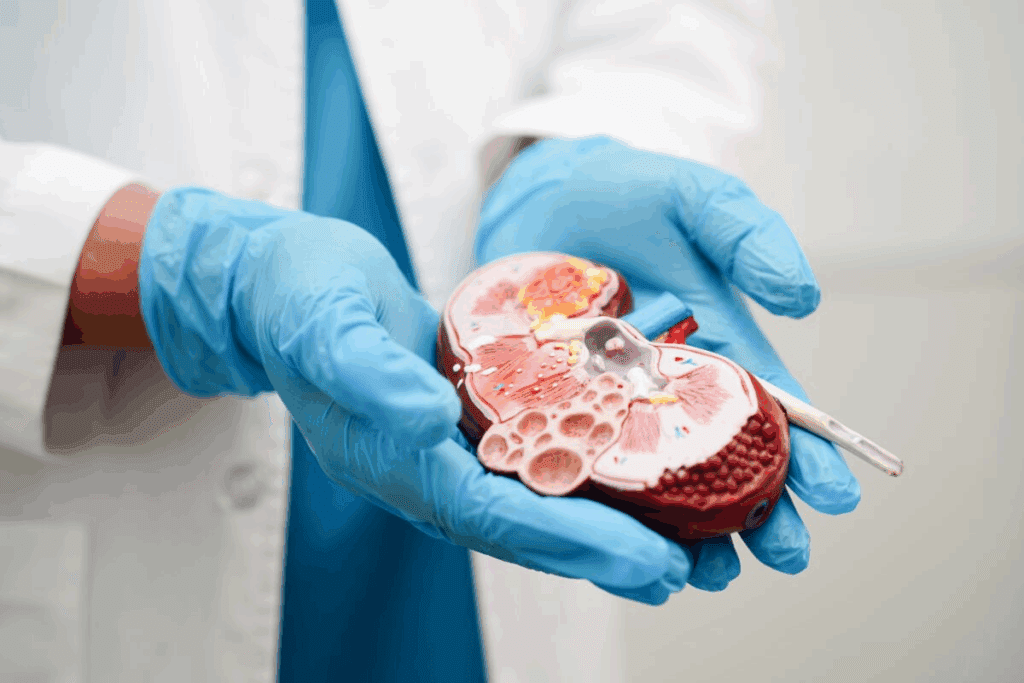
Kidney stones are hard mineral and salt deposits that form in the kidneys. They affect about 10 percent of people at some point. While they don’t directly cause bloating or gas, they can indirectly trigger these uncomfortable symptoms.
Do kidney stones cause bloating? Understand how the inflammation and severe pain of a kidney stone can lead to gastrointestinal side effects.
Passing a kidney stone is painful. It often comes with symptoms like abdominal pain, nausea, and vomiting. These can also include changes in bowel function, such as constipation, diarrhea, and cramping.
It’s important to understand how kidney stones affect our digestive health. At Liv Hospital, we offer detailed care for those dealing with these symptoms.
Key Takeaways
- Kidney stones can indirectly cause gastrointestinal symptoms like bloating and constipation.
- Passing a kidney stone can be accompanied by abdominal pain, nausea, and vomiting.
- Changes in bowel function are common when experiencing a kidney stone.
- Understanding the connection between kidney stones and digestive health is key for overall well-being.
- Liv Hospital provides detailed care for patients with kidney stones and related symptoms.
What Are Kidney Stones and Who Gets Them?
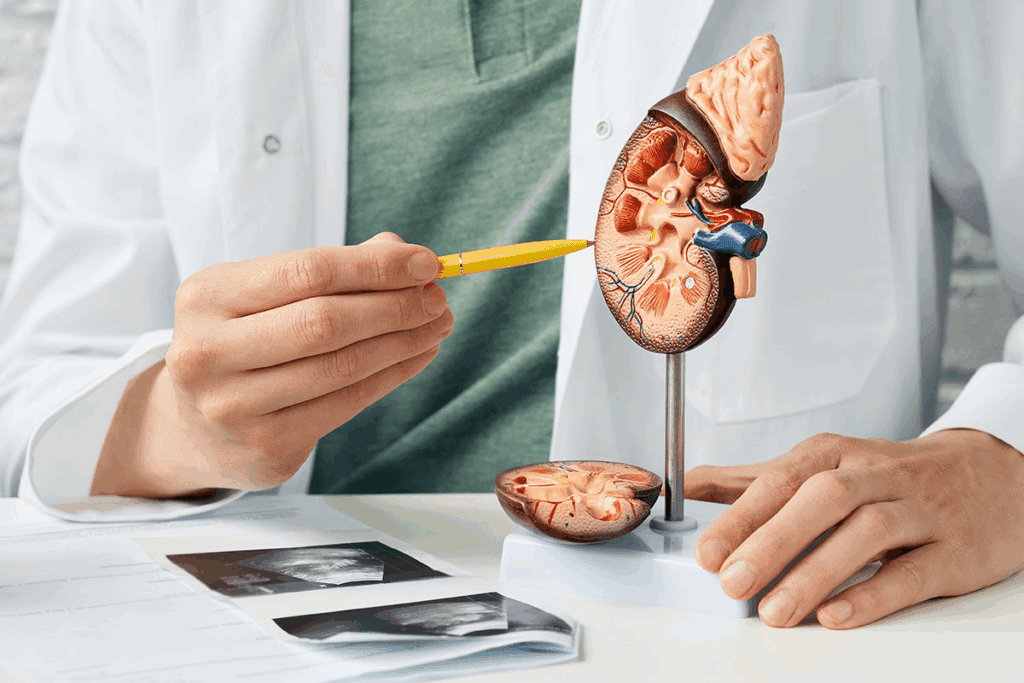
Kidney stones are hard deposits made of minerals and salts. They form inside the kidneys. These stones can vary in size and composition.
Definition and Formation Process
Kidney stones form when there’s an imbalance in urine substances. Calcium oxalate stones are common, caused by too much calcium or oxalate. Other types include uric acid stones, struvite stones, and cystine stones, each with different causes.
The stone formation process involves nucleation, growth, and aggregation. Factors like dehydration, diet, and genetics can affect this process.
Types of Kidney Stones
- There are four main types of kidney stones:
- Calcium Stones: Usually in the form of calcium oxalate, these are the most common type.
- Uric Acid Stones: More common in people who lose too much fluid, eat a high-protein diet, or have diabetes or obesity.
- Struvite Stones: Typically occur in women with urinary tract infections (UTIs). These stones can grow quickly and become quite large.
- Cystine Stones: Form in people with a hereditary disorder that causes the kidneys to release too much cystine into the urine.
Prevalence and Risk Factors
Kidney stones are a significant health issue worldwide, affecting millions. The prevalence varies geographically, with higher rates in certain regions.
Several risk factors contribute to kidney stones, including:
- Dehydration: Concentrated urine increases the risk of stone formation.
- Dietary Factors: High intake of sodium, animal protein, and oxalate-rich foods can increase risk.
- Family History: Individuals with a family history of kidney stones are more likely to develop them.
- Medical Conditions: Certain conditions like hyperparathyroidism, gout, and urinary tract infections can increase the risk.
Understanding these risk factors can help in preventing kidney stones.
Primary Symptoms of Kidney Stones
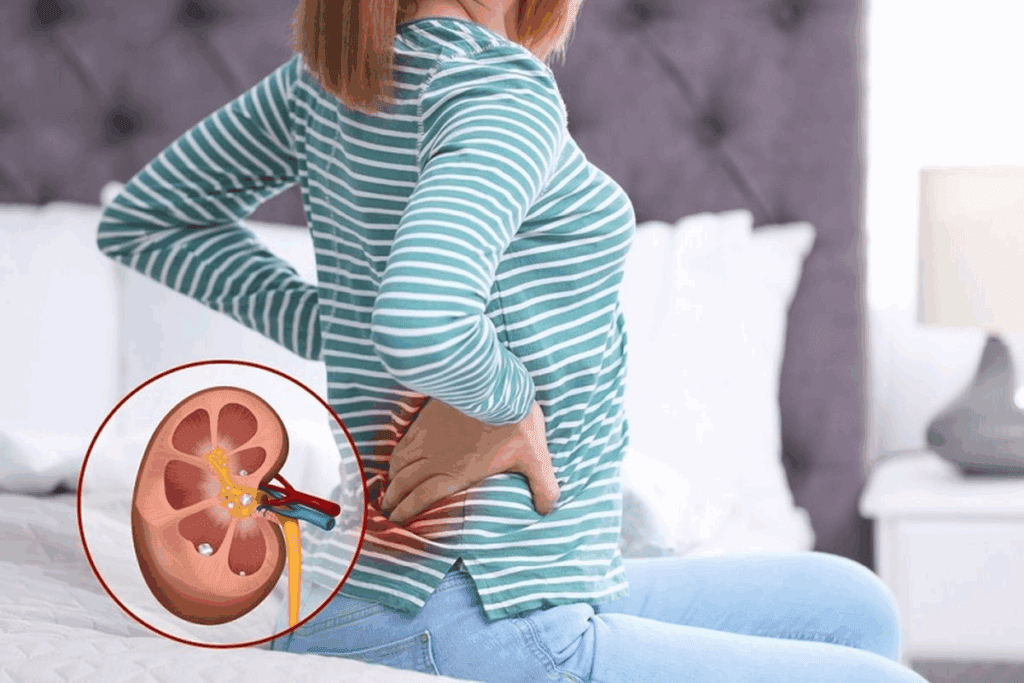
Kidney stones show up in different ways, like pain, changes in urination, and other body effects. Spotting these signs early is key for quick diagnosis and treatment.
Pain Patterns and Locations
The pain from kidney stones is usually very sharp and comes and goes. It starts in the lower back or side and can spread to the groin or belly. This pain, called renal colic, can be very strong and feel like waves.
Pain characteristics can differ, but it often starts quickly and might make you feel sick or throw up. The pain spot can change as the stone moves through your urinary system.
Urinary Symptoms
Kidney stones also bring on various urinary symptoms. These can be:
- Frequent or painful urination
- Hematuria (blood in the urine)
- Urgency or constant need to urinate
- Cloudy or foul-smelling urine
These symptoms happen because the stone irritates or blocks the urinary tract.
Systemic Symptoms
Systemic symptoms can also show up with kidney stones, like if there’s an infection. These might include:
- Nausea and vomiting
- Fever and chills
- General feeling of being unwell
Having a stone can sometimes lead to an infection. This can bring on more symptoms like fever and chills.
Knowing these main symptoms is vital for spotting kidney stones. It helps tell them apart from other issues like gas or stomach problems.
The Kidney-Gut Connection: Anatomical Relationships
It’s important to know how the kidneys and digestive organs are connected. This helps us understand how kidney stones can impact our gut health. The kidneys are in the lower back, close to the intestines and pancreas.
Proximity of Kidneys to Digestive Organs
The kidneys are near the duodenum and the colon. This close location means kidney stone issues can affect nearby digestive organs. A medical expert says,
“The close anatomical relationship between the kidneys and the gastrointestinal tract can lead to referred pain and other gastrointestinal symptoms in patients with kidney stones.”
The proximity of the kidneys to digestive organs can cause various gut symptoms. For example, some people might feel nauseous or vomit due to the pain from kidney stones.
Shared Nerve Pathways
Kidneys and digestive organs share nerve pathways. This can cause referred pain. When kidney stones irritate or block, pain signals can travel through these nerves, causing discomfort in the abdomen or other areas.
Shared nerve pathways are key in the kidney-gut connection. The nerves for the kidneys also supply other abdominal organs. This creates a network that can lead to different symptoms when kidney stones are present.
How Kidney Issues Can Affect Digestive Function
Kidney stones can indirectly affect digestion. The pain and discomfort can change eating habits, leading to constipation or other issues. Also, the inflammation and irritation from kidney stones can impact the motility and function of nearby digestive organs.
The kidney-gut connection is complex and important. Knowing this relationship helps healthcare providers diagnose and treat kidney stone patients, even when they have gut symptoms.
Do Kidney Stones Cause Bloating?
The link between kidney stones and bloating is complex. It involves several indirect ways that can affect how we feel in our stomach. We will look into how kidney stones can cause bloating through different paths.
Indirect Mechanisms of Bloating
Kidney stones can lead to bloating in several ways. One key way is through the gut-brain axis disruption. The pain from kidney stones can stress the body, affecting the gut. This can cause bloating, nausea, and changes in bowel habits.
Dehydration is also a factor. It’s a risk for kidney stones and can cause constipation and bloating. When we’re dehydrated, our digestive system slows down. This can cause gas and discomfort.
Ureteral Obstruction and Intestinal Pressure
A kidney stone in the ureter can cause a lot of pain. This pain can also put pressure on the intestines, leading to bloating and discomfort. The ureters are close to the intestines, so any blockage can affect bowel habits and cause digestive symptoms.
The pain from a blockage can also change how we eat and drink. This can lead to dehydration and constipation, making bloating worse.
Referred Pain Mimicking Bloating
Sometimes, kidney stone pain can feel like it’s coming from the abdomen. This can make it hard to tell if it’s bloating or another stomach issue. The nerves that carry pain from the kidneys and the gut can overlap, making diagnosis tricky.
It’s important to understand these mechanisms to treat kidney stone patients with bloating and other stomach problems. We need to look at how the urinary and digestive systems work together when diagnosing these patients.
Kidney Stones and Constipation: Understanding the Link
To understand the connection between kidney stones and constipation, we need to look at several important factors. Kidney stones can cause a lot of pain and disrupt how our bodies work. This can lead to constipation.
Pain-Induced Changes in Eating and Drinking Habits
The pain from kidney stones can be very bad. It often makes people eat and drink less to avoid feeling pain. This can cause dehydration and constipation.
Reduced fluid intake is a big problem. Drinking enough water helps prevent constipation. Without enough water, the body pulls more water from the colon, making stools hard to pass.
Dehydration’s Effect on Bowel Function
Dehydration affects how well our bowels work. It makes urine more concentrated and makes it harder for food to move through our digestive system. This can cause constipation because our bodies can’t move waste regularly.
Also, dehydration messes with our body’s balance of electrolytes. Electrolytes are important for muscle function, including the muscles that help us move our bowels.
Neurological Factors in Constipation
The nervous system controls our bowel movements. The pain from kidney stones can affect our nervous system. This can slow down how fast our gut moves, leading to constipation.
Stress and anxiety from having kidney stones can also make constipation worse. These feelings can affect our nervous system and bowel habits.
Medication Side Effects: How Kidney Stone Treatment Affects Digestion
Medications for kidney stones can sometimes upset our stomachs. The goal is to ease pain and help stones pass. But, some meds can cause constipation, bloating, and gas.
Opioid Pain Relievers and Constipation
Opioids are used to treat kidney stone pain. But, they can slow down bowel movements, leading to constipation. Constipation is a common side effect because opioids affect the intestines.
- Opioids can make bowel muscles contract, making it harder to pass stool.
- Patients might need laxatives or other treatments to avoid constipation.
- Doctors should talk about bowel habits with patients on opioids.
Other Medications and Their Digestive Impact
Other meds for kidney stones can also upset the stomach. For example, some pain relievers and anti-inflammatory drugs can cause nausea or heartburn. It’s important to watch for these effects and adjust treatment plans.
| Medication Type | Potential Digestive Side Effects |
| Opioid Pain Relievers | Constipation, Nausea |
| NSAIDs | Stomach Irritation, Heartburn |
Balancing Pain Management and Digestive Health
Managing kidney stones means finding the right balance between pain relief and avoiding stomach problems. Doctors and patients must work together to manage these issues. This might mean changing meds or adding treatments to help with digestion.
Knowing the side effects of kidney stone meds helps us take care of both pain and digestion. This way, patients get the best treatment for their needs.
Distinguishing Kidney Stone Symptoms from Other Conditions
It can be hard to tell if you have kidney stones or something else because symptoms can be similar. Kidney stones cause severe pain, nausea, and vomiting. These symptoms can also be signs of other health issues. It’s important to look closely at these symptoms to figure out what’s wrong.
Gastrointestinal Disorders with Similar Presentations
Conditions like appendicitis, diverticulitis, and inflammatory bowel disease can seem like kidney stones. For example, appendicitis pain can feel like kidney stone pain, moving from the back to the groin. Knowing the differences is key to making the right diagnosis.
For instance, kidney stone pain starts in the flank and goes to the groin. But appendicitis pain starts near the navel and moves to the lower right. Here’s a table that shows some key differences:
| Condition | Typical Pain Location | Associated Symptoms |
| Kidney Stones | Flank, radiating to groin | Nausea, vomiting, hematuria |
| Appendicitis | Lower right abdomen | Fever, loss of appetite, nausea |
| Diverticulitis | Lower left abdomen | Fever, changes in bowel habits |
Urinary Tract Infections vs. Kidney Stones
Urinary tract infections (UTIs) can have symptoms like kidney stones, like pain when you pee and needing to pee a lot. But UTIs usually don’t cause as much pain as kidney stones. Tests are needed to tell them apart.
Diagnostic Tests and Procedures
Doctors use different tests to find out if you have kidney stones or something else. These tests include:
- Imaging tests like CT scans or ultrasounds to see the stones
- Urinalysis to check for blood, infection, or other issues
- Blood tests to see how your kidneys are doing and if you have an infection
By using these tests and looking at your symptoms, doctors can find out what’s wrong and how to treat it.
When to Seek Medical Attention for Bloating and Constipation
If you’re dealing with ongoing bloating and constipation, knowing when to seek help is key. These symptoms can be linked to many health issues. But it’s important to understand their connection to kidney stones.
Warning Signs That Require Immediate Care
Certain symptoms mean you need to see a doctor right away. These include:
- Severe pain: Sudden, severe pain in your back, side, or lower abdomen that doesn’t go away.
- Fever and chills: Having fever and chills with bloating and constipation could mean an infection.
- Painful urination: Pain or burning when you pee is a big warning sign.
- Blood in urine or stool: Seeing blood in your pee or poop is a critical sign.
- Vomiting: Persistent vomiting can cause dehydration, making both kidney stone and digestive problems worse.
Symptoms That Suggest Kidney Involvement
Some signs might mean your bloating and constipation are linked to kidney problems, like kidney stones. These include:
- Radiating pain: Pain that spreads from the back or side to the lower abdomen or groin.
- Changes in urination: Trouble peeing, needing to pee a lot, or feeling like you always need to pee.
- Nausea: Feeling sick to your stomach or vomiting, which can be a sign of kidney trouble.
It’s also important to note that kidney stone pain can be mistaken for other issues. So, getting checked by a doctor is vital.
What to Tell Your Healthcare Provider
When you go to see a doctor, share as much info as you can. Be ready to talk about:
- The length and intensity of your symptoms
- Any changes in your symptoms over time
- Your medical history, including any past kidney stone episodes
- Any medicines you’re taking
- Your diet and how much water you drink
Being detailed and honest with your doctor can help you get a correct diagnosis and the right treatment.
Managing Kidney Stones and Associated Digestive Symptoms
Managing kidney stones requires a holistic approach. This includes treating symptoms like bloating and constipation. We will look at different ways to tackle kidney stones and their effects on digestion.
Medical Interventions for Kidney Stones
There are various treatments for kidney stones, from simple to complex. For small stones, conservative management is often the first step. This involves managing pain and staying hydrated to help the stone pass.
For larger stones or those causing blockages, more aggressive treatments are needed. Extracorporeal Shock Wave Lithotripsy (ESWL) uses shock waves to break stones into smaller pieces. Sometimes, ureteroscopy is used, where a small scope is inserted to remove the stone directly.
| Treatment Option | Description | Indications |
| Conservative Management | Pain management and hydration | Small stones |
| ESWL | Shock wave lithotripsy to break stones | Larger stones |
| Ureteroscopy | Direct removal of stones through urethra | Stones in ureter or kidney |
Relieving Bloating and Constipation
Bloating and constipation are common in kidney stone patients. It’s important to address these symptoms to improve comfort and quality of life. Hydration is key in preventing constipation by softening stool and promoting regular bowel movements.
Changing your diet can also help with bloating. Eating more fiber can regulate bowel movements and reduce constipation. Avoiding foods that cause gas, like beans and cabbage, can also help.
“Adequate hydration is essential for preventing constipation and helping to pass kidney stones.”
National Kidney Foundation
Hydration and Dietary Strategies
Drinking enough water is vital for managing kidney stones. It helps dilute urine, reducing mineral concentration that can lead to stones. It also aids in flushing out small stones and fragments after treatment.
A low-sodium diet can lower the risk of stone formation by reducing urine calcium levels. Limiting animal protein intake can also reduce the risk of certain types of stones.
By using these strategies, patients with kidney stones can better manage their condition. This helps reduce digestive symptoms like bloating and constipation.
Conclusion
It’s important to understand how kidney stones affect our digestive health. Kidney stones can cause bloating and constipation in different ways. This includes blockages in the ureter, pain that feels like it’s coming from the stomach, and changes in how we eat and drink.
To manage kidney stones, we need to tackle them from all angles. This means looking at the stones themselves and how they affect our digestion. Knowing how kidney stones and constipation are connected helps doctors create better treatment plans.
If you have kidney stones and are feeling bloated or constipated, see a doctor. They can check for other problems and help you get the right treatment. By focusing on both kidney stones and digestive health, we can feel better and live healthier lives.
FAQ
Can kidney stones cause bloating and constipation?
Yes, kidney stones can indirectly cause bloating and constipation. This is due to the pain they cause. It also affects eating and drinking habits. Plus, shared nerve pathways between the kidneys and digestive organs play a role.
What are the primary symptoms of kidney stones?
The main symptoms include severe pain in the side or back. You might also experience painful or frequent urination. Other symptoms include nausea and vomiting.
How do kidney stones affect digestive health?
Kidney stones can impact digestive health in several ways. The pain they cause can lead to changes in eating and drinking habits. This can result in dehydration and constipation. They can also cause referred pain through shared nerve pathways.
Can a kidney stone cause constipation?
Yes, a kidney stone can indirectly cause constipation. The pain it causes can lead to reduced fluid intake. This, in turn, can affect bowel habits.
Do kidney stones cause gas and bloating?
Kidney stones can contribute to bloating through mechanisms like ureteral obstruction and referred pain. But they do not directly cause gas.
What is the relationship between kidney stones and gastrointestinal symptoms?
The proximity of the kidneys to digestive organs and shared nerve pathways can lead to gastrointestinal symptoms. Symptoms like bloating and constipation can occur when kidney stones are present.
How can I differentiate between kidney stone symptoms and other conditions?
Diagnostic tests like imaging studies and urinalysis can help determine the cause of symptoms. They can tell if symptoms are due to kidney stones or other conditions like gastrointestinal disorders or urinary tract infections.
When should I seek medical attention for bloating and constipation?
Seek medical attention if you experience severe pain, vomiting, or fever. Also, if you suspect kidney involvement based on symptoms like severe flank pain or painful urination.
How are kidney stones and associated digestive symptoms managed?
Management includes medical interventions for kidney stones. It also involves hydration, dietary changes, and strategies to relieve bloating and constipation.
Can medications for kidney stones affect bowel function?
Yes, certain medications like opioid pain relievers can impact bowel function. They can contribute to constipation.
Are there dietary strategies to help manage kidney stones and digestive symptoms?
Yes, staying hydrated and making specific dietary changes can help manage kidney stones. It can also alleviate associated digestive symptoms.
References
https://pmc.ncbi.nlm.nih.gov/articles/PMC6961439



 Departments
 Related Videos
 Our Doctors
 News
News