


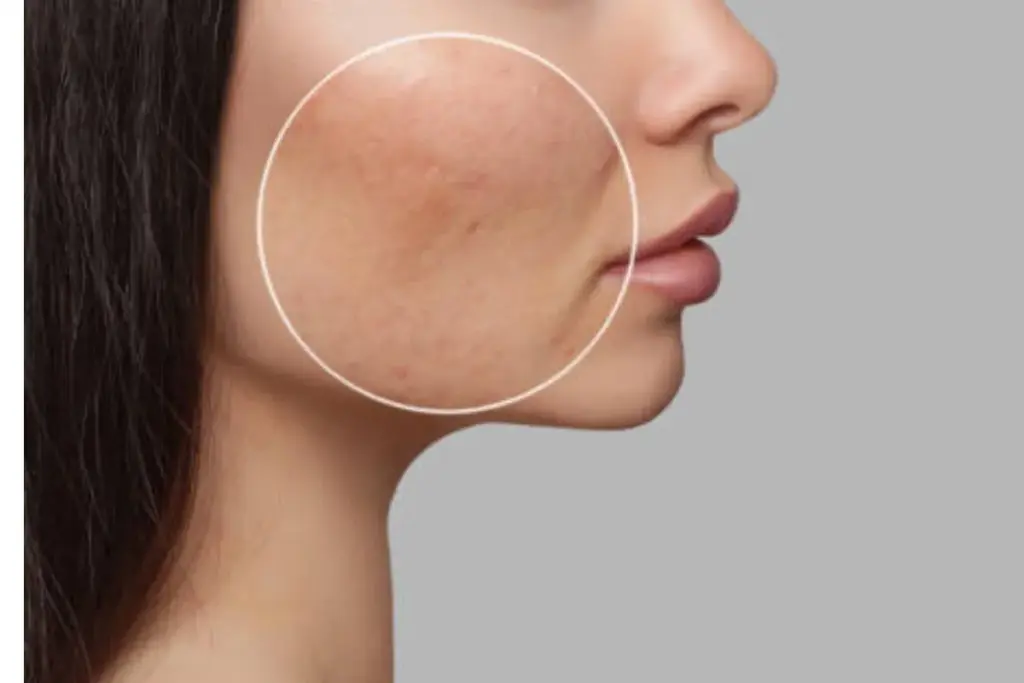
Choosing to change your look is a big step. You might wonder about rhinoplasty scars when you first start looking into it. It’s normal to be curious about how your body heals after such a big change.
Many people worry about scar tissue after rhinoplasty. Modern surgery tries to be as discreet as possible. Knowing how your body heals can help you feel better about what’s to come. Whether you have an open or closed surgery, we want you to feel confident and well-informed during your recovery.
We think being open is key to great care. By learning about scarring in nose tissues, you can get ready for what happens after surgery. We’ll help you understand the healing process and how to get a beautiful, natural look.
Key Takeaways
- Open rhinoplasty may involve a small, discreet incision on the columella that fades significantly over time.
- Closed rhinoplasty techniques are performed entirely inside the nostrils, resulting in no visible external marks.
- Proper aftercare and following your surgeon’s instructions are vital for optimal healing and minimal tissue changes.
- Most patients find that any minor marks become nearly invisible within the first year of recovery.
- Advanced surgical methods focus on preserving structural integrity while prioritizing aesthetic refinement.
Understanding Surgical Techniques and How Does Nose Surgery Leave Scars
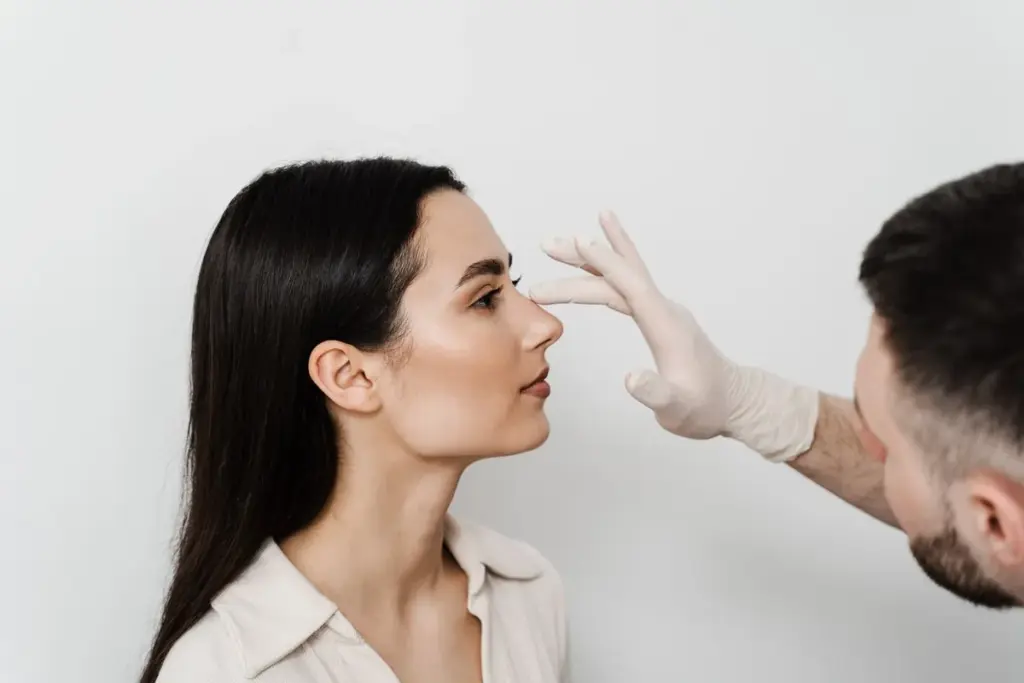
The method used in rhinoplasty greatly affects the chance and visibility of scars after surgery. We will look into the different surgical methods and how they impact scarring.
Open Rhinoplasty vs. Closed Rhinoplasty
Closed rhinoplasty makes incisions inside the nostrils. This leads to no visible external scars. It’s chosen for its minimal scarring.
Open rhinoplasty, on the other hand, needs a small cut at the nose’s base, called the columella. This might cause a faint scar outside. But, how visible this scar is can differ from person to person.
The choice between open and closed rhinoplasty depends on the surgery’s complexity and the patient’s nose shape. We’ll talk about how these methods affect scarring risk and how to lessen it.
Managing Recovery and Minimizing Rhinoplasty Scarring
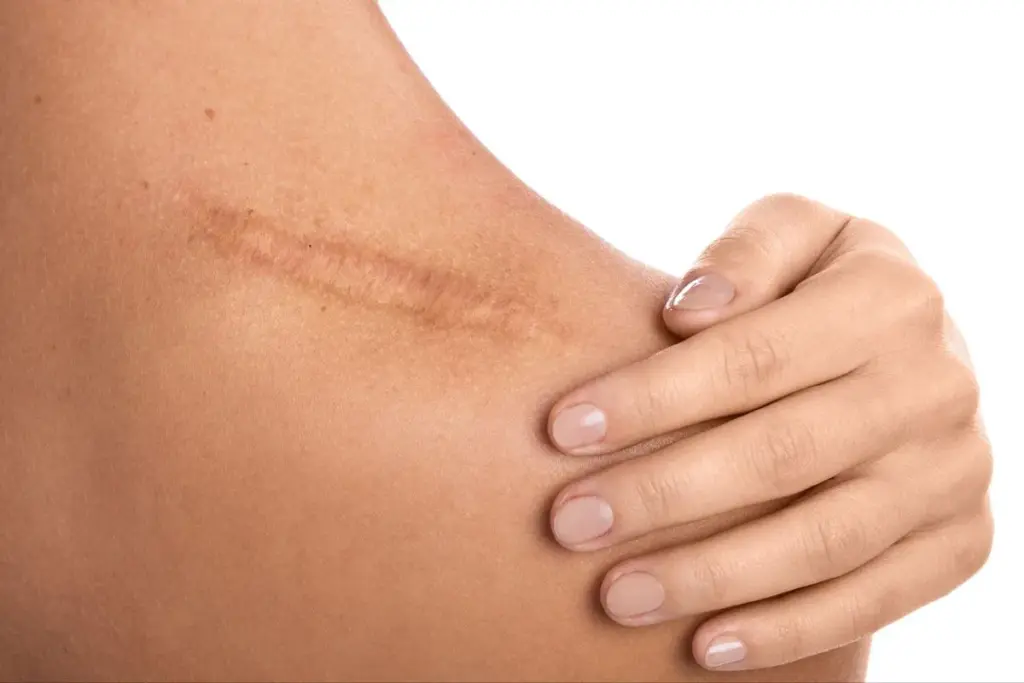
The secret to less rhinoplasty scarring is in the care after surgery and a healthy recovery plan. Healing well is about many steps working together. These steps help lower the chance of scarring being seen.
Post-Operative Care for Optimal Healing
Right care after surgery is key to less scar tissue after rhinoplasty. Gentle massage, keeping the nose out of the sun, and eating well are all helpful. Gentle massage, in particular, can help in breaking down scar tissue and promoting a smoother recovery.
We suggest a detailed care plan for after surgery. This includes:
- Keeping the surgical site clean to prevent infection
- Avoiding strenuous activities that could compromise the healing process
- Using sunscreen to protect the nose from UV damage
- Maintaining a balanced diet rich in vitamins and minerals
Doctors say a good recovery plan is as key as the surgery itself for the best results. Following post-operative instructions is critical for avoiding problems and getting the best outcome.
Addressing Internal Scar Tissue After Rhinoplasty
Internal scar tissue is a worry after rhinoplasty. We use advanced surgery and care plans to lower this risk. Early action and good wound care can greatly cut down internal scar tissue.
Sometimes, extra treatments are needed for internal scar tissue. We stay close to our patients to watch their healing and tackle any issues fast.
Conclusion
It’s important to know about scarring after rhinoplasty if you’re thinking about getting a nose job. Some scarring is normal, but you can lower the risk with good care. Choosing the right surgery method and following a detailed care plan can help make scars less visible.
Good recovery from rhinoplasty means more than just the first few days. It’s about taking steps to prevent scarring. We stress the need for proper wound care and regular check-ups to help scars heal well. This way, patients can get the look they want with fewer scars.
Being well-informed and proactive helps you feel confident during the rhinoplasty process. This way, you can get a better result with less worry about scarring.
FAQ
Do nose jobs leave scars that are visible to others?
Most rhinoplasty scars are hidden inside the nostrils or are very minimal and barely noticeable externally.
How long does it take for an open rhinoplasty scar to fade?
An open rhinoplasty scar typically fades over several months to a year with proper care.
What should I do if I feel I have a scar on my nose that is raised?
Consult your surgeon, as treatments like silicone gels, injections, or laser therapy can help flatten raised scars.
Can I prevent internal scar tissue after rhinoplasty from affecting my breathing?
Following post-op care, including nasal rinses and check-ups, helps minimize internal scar tissue and breathing issues.
Does a nose ring leave a scar that affects my rhinoplasty results?
A nose piercing may leave a small scar, but it usually does not significantly impact rhinoplasty outcomes.
Is there a way to hide a closed rhinoplasty scar during the healing process?
Closed rhinoplasty scars are internal, so they are naturally hidden and not visible during healing.
Does rhinoplasty leave scars inside the nostrils that I can feel?
Yes, internal healing can create temporary scar tissue sensations, but these typically soften over time.
Reference
National Center for Biotechnology Information. Evidence-Based Medical Insight. Retrieved from https://pubmed.ncbi.nlm.nih.gov/19553831/


 Departments
 Related Videos
 Our Doctors
 News
News


