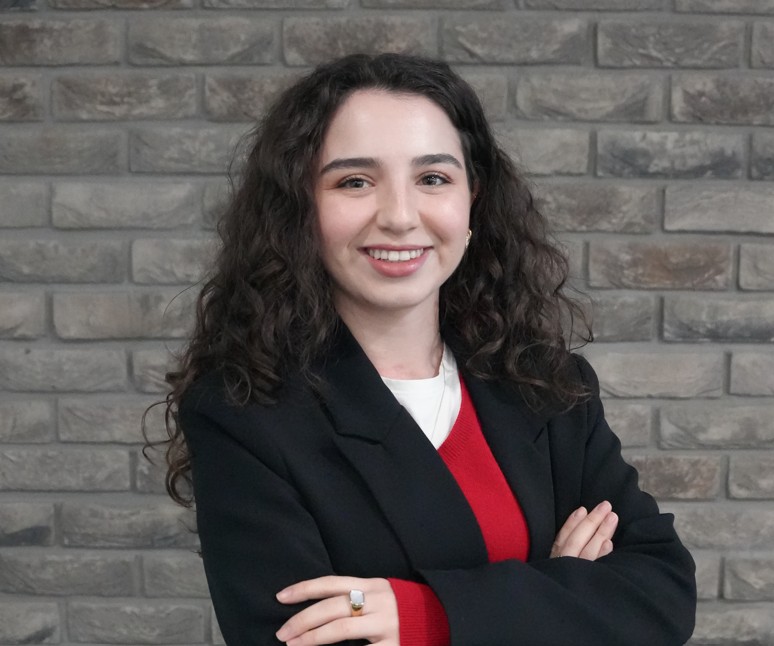
Pediatric oncologists are doctors who focus on treating kids with cancer. They are key in diagnosing and managing childhood cancers. But they usually don’t do surgery.

A pediatric oncologist is trained to give kids with cancer the best care. This includes chemotherapy, radiation, and more. Even though they work with surgeons, the surgery is done by specialized doctors.
Key Takeaways
- Pediatric oncologists specialize in treating children with cancer.
- They diagnose and manage childhood cancers, but typically don’t perform surgery.
- Pediatric oncologists work with surgeons to develop a complete treatment plan.
- Their responsibilities include giving chemotherapy and radiation therapy.
- Pediatric oncologists provide critical care to children with cancer and their families.
Understanding the Role of Pediatric Oncologists
Pediatric oncologists are doctors who focus on treating cancer in kids. They do more than just treat the disease. They also support the emotional well-being of young patients and their families.
Definition and Specialization
A pediatric oncologist is a doctor with deep knowledge in treating children’s cancer. To become one, they need to finish a Doctor of Medicine degree. Then, they do a residency in pediatrics and a fellowship in pediatric oncology. This training prepares them to give top-notch care to their young patients.
Being a pediatric oncologist is special because kids’ cancers are different from adults’. Childhood cancers need treatments that consider the child’s growth and future health.
Primary Responsibilities in Cancer Care
Pediatric oncologists handle diagnosing and treating cancer in kids. Their main tasks include:
- They do detailed tests to find out what kind and stage of cancer a child has.
- They create and carry out treatment plans. This might include chemotherapy, radiation, or a mix of treatments.
- They help manage symptoms and side effects of treatment.
- They work with a team of healthcare experts to make sure kids get all the care they need.
The pay for a pediatric oncology physician can change based on where they work, how long they’ve been doing it, and who they work for. But it’s a job that’s both well-paid and fulfilling. The average pediatric oncology physician’s salary is good compared to other medical fields.
Knowing what pediatric oncologists do shows how important and complex their job is. Their hard work and skill are key to helping kids with cancer get better.
The Distinction Between Pediatric Oncologists and Surgeons
When treating childhood cancer, it’s important to know the difference between pediatric oncologists and surgeons. Pediatric oncologists are doctors who focus on treating childhood cancers. They use methods like chemotherapy and radiation therapy, not surgery.
Who Actually Performs Pediatric Cancer Surgeries
Pediatric surgical oncologists, or pediatric surgeons, do the surgeries for tumors and other cancer operations. They get special training to work with kids and understand their needs. For example, they might do a complex surgery to remove a tumor, needing great skill and knowledge of the human body.
The pay for these experts, including pediatric oncologists, can change based on where they work, how long they’ve been doing it, and the hospital. For instance, the average pediatric oncologist’s salary can vary a lot. This affects how much pediatric oncologists are paid and what the total compensation is.
Collaboration Between Specialists
Pediatric surgeons and oncologists work together to give kids the best cancer care. They team up to plan treatments that might include surgery, chemotherapy, or radiation. This teamwork makes sure all parts of a child’s treatment work well together, helping them get better.
Knowing how much a pediatric oncologist makes can help understand the financial side of this career. But the real joy of this job is the positive change these doctors make in kids’ lives.
Pediatric Surgical Oncology: A Specialized Field
Pediatric surgical oncology is a field that combines surgery and cancer knowledge for kids. It needs a lot of skill and understanding of cancer. This field is very specialized.

Training and Expertise Requirements
Pediatric surgical oncologists get a lot of training. They start with general surgery and then focus on pediatric and oncology surgery. They learn a lot about cancer and how to treat it in kids.
This extensive training makes them experts. They are key in helping kids with cancer. They need to know a lot about the disease and how to treat it.
Surgical Oncologists vs. General Pediatric Surgeons
General pediatric surgeons perform many surgeries on kids. But, surgical oncologists focus on cancer surgery. They have more training and know a lot about cancer.
They work with other doctors to care for kids with cancer. Their collaborative approach makes sure each patient gets the right treatment. This is very important.
Knowing about pediatric surgical oncologists helps us understand their pay. Their salary can change based on where they work, how long they’ve been doing it, and who they work for. On average, pediatric oncologists are well-paid. This shows how important their job is.
Common Surgical Procedures in Pediatric Oncology
Studies show that about 68% of childhood cancer treatments need surgery. This highlights surgery’s key role in treating various cancers in kids.
Neuroblastoma Surgeries
Neuroblastoma starts in the adrenal glands or nerve tissue. Surgery often removes the tumor and affected lymph nodes. The surgery’s complexity depends on the tumor’s size and location.
Surgical resection is a main treatment for neuroblastoma. The goal is to remove as much of the tumor as possible. Sometimes, neoadjuvant chemotherapy is used before surgery to make the tumor smaller.
Wilms Tumor Resection
Wilms’ tumor, or nephroblastoma, is a kidney cancer in kids. Surgery usually removes the affected kidney, called a nephrectomy.
The type depends on the tumor’s size and spread. Sometimes, a partial nephrectomy is used to save kidney function.
Hepatoblastoma Procedures
Hepatoblastoma is a rare liver cancer in children. Surgery is key in treating it. The aim is to remove the tumor and some healthy liver tissue.
In some cases, a liver transplant is needed if the tumor can’t be removed or if the liver is badly damaged. New surgical and chemotherapy methods have improved treatment outcomes for kids with hepatoblastoma.
Sarcoma Surgeries
Sarcomas are cancers from connective tissue like muscle, bone, or fat. Surgery removes the tumor and some healthy tissue.
Limb-sparing surgery tries to remove the tumor without harming the limb. Sometimes, amputation is needed if the tumor is too big or in critical areas.
Nurses are very important in caring for kids with cancer who have surgery. If you’re interested in this field, learning how to become a pediatric oncology nurse is key. Also, knowing how much pediatric oncologists make is important, considering factors like location and experience.
The Prevalence of Surgical Intervention in Childhood Cancers
Pediatric cancer treatment has changed a lot. Now, surgery is key for about 68% of cases. This shows how vital surgery is in treating childhood cancers.
Statistical Overview: The 68% Requiring Surgery
Research shows that about 68% of pediatric cancer cases need surgery. This shows how important surgeons are in treating these cancers. They help from the start to the end of treatment.
“Surgery is a cornerstone in the treatment of many pediatric cancers, giving a chance for cure or significant relief in advanced cases,” say top pediatric oncologists.

Factors Determining Surgical Necessity
Several things decide if a child needs surgery for cancer. These include the cancer type and stage, where the tumor is, and the child’s health.
- The type of cancer: Some cancers, like neuroblastoma or Wilms tumor, often need surgery as part of treatment.
- The stage of cancer: Early cancers might just need surgery. But more advanced ones might need surgery, chemo, and radiation.
- Tumor location: Tumors in some places are easier to remove surgically. This affects the decision to operate.
Knowing these factors helps find the best treatment for each child. This shows why a team of experts is key in pediatric oncology.
If you’re thinking about a career in pediatric oncology, it’s a big commitment. It takes about 11-12 years of education and training after high school. Also, the salary for pediatric oncologists can change based on where they work and their experience.
Advancements in Pediatric Cancer Surgery
Pediatric cancer surgery has seen big changes thanks to new tech and better surgical methods. These updates have greatly helped young patients with cancer.

Robotic-Assisted Surgical Techniques
Robotic surgery is changing pediatric oncology. It brings better precision, flexibility, and control. This makes complex surgeries easier for surgeons.
Robotic systems help with faster recovery and fewer problems. This makes them great for delicate surgeries in kids.
Benefits of Robotic-Assisted Surgery:
- Improved precision and accuracy
- Reduced blood loss and fewer transfusions
- Less postoperative pain
- Shorter hospital stays
Advanced Imaging Protocols
New imaging methods are changing pediatric oncology. They give detailed views of tumors and nearby areas. MRI and CT scans, with advanced software, help surgeons plan and perform surgeries more accurately.
Image-guided surgery makes surgeries even more precise. It lets surgeons navigate in real-time during procedures.
Minimally Invasive Approaches
Minimally invasive surgery is becoming more common in pediatric oncology. It uses smaller cuts, causing less damage and scarring.
Advantages of Minimally Invasive Surgery:
- Faster recovery times
- Less postoperative pain
- Reduced risk of infection
- Improved cosmetic outcomes
These advancements are changing pediatric cancer surgery. They offer hope and better results for young patients. As tech keeps improving, we can expect even more changes in pediatric oncology.
Outcomes and Recovery in Pediatric Oncology
Outcomes in pediatric oncology have seen a big leap forward. Modern treatments have cut down on recurrence rates. This has led to better success rates overall.
Recurrence Rates and Success Metrics
Success in pediatric oncology is measured in survival rates and recurrence rates. Modern treatments have shown a marked improvement in these metrics. Many patients now achieve long-term remission.
- Improved chemotherapy protocols
- Advanced surgical techniques
- Enhanced radiation therapy
These advancements have led to lower recurrence rates. For example, targeted therapy has boosted outcomes in certain pediatric cancers.
Hospitalization Duration and Recovery Timelines
The time spent in the hospital and recovery varies. It depends on the cancer type, stage, and treatment. Patients having surgery usually stay longer than those getting chemotherapy or radiation.
- Initial hospitalization for surgery or intensive treatment
- Follow-up care and monitoring
- Rehabilitation and recovery phase
Pediatric oncology patients need a team approach. This team includes oncologists, surgeons, radiologists, and more. The collaborative effort ensures complete care. It meets both physical and emotional needs.
The salary of pediatric oncology physicians reflects their specialized training and critical role. A pediatric oncology physician’s salary can change based on location, experience, and employer.
The Multidisciplinary Approach to Pediatric Cancer Treatment
Treating pediatric cancer is complex and benefits from a team effort. Many medical specialties work together to help young patients. This teamwork aims to give the best care possible.
Tumor Boards and Treatment Planning
Tumor boards are key in treating pediatric cancer. They bring together experts like pediatric oncologists, surgeons, and radiologists. These teams create treatment plans tailored to each patient. The pay for pediatric oncologists, like pediatric oncologist pay, shows their important role.
In tumor board meetings, teams review images and patient histories. They decide on the best treatment plans. This teamwork leads to better diagnoses and treatment plans.
Role Integration Between Specialists
It’s important for specialists to work well together in pediatric cancer care. Pediatric oncologists team up with surgeons and radiologists for complete care. The salary of a pediatric oncologist, or how much a pediatric oncologist makes, depends on their experience and teamwork.
When specialists work together, care improves. For example, surgeons and oncologists plan surgeries together. Radiologists help with imaging.
Case Management Protocols
Case management is key in managing pediatric cancer. It involves planning and following up on patient care. This ensures treatment plans are followed and patients get ongoing support.
Good case management also helps with communication. It’s important for addressing the complex needs of pediatric cancer patients. This improves their care experience.
In summary, treating pediatric cancer requires a team effort. Tumor boards, specialist teamwork, and case management are all important. The pay for pediatric oncologists shows their vital role in this care framework.
Career Path and Compensation in Pediatric Oncology
Starting a career in pediatric oncology is a big step. It needs a lot of hard work and a solid education. This field is very demanding and requires a lot of skill and dedication.
Educational Requirements and Timeline
To become a pediatric oncologist, you need to spend a lot of time studying. First, you get a Doctor of Medicine (M.D.) or Doctor of Osteopathic Medicine (D.O.) degree in four years.
Then, you do a residency program in pediatrics for three years. After that, you need to do a fellowship program in pediatric hematology-oncology for another three years.
So, from starting college to becoming a certified pediatric oncologist, it takes over 11 years.
Salary Expectations for Pediatric Oncologists
Pediatric oncologists are very well-paid. The average salary for pediatric oncologists in the United States is between $300,000 and over $500,000 a year. This depends on where you work, how long you’ve been doing it, and who you work for.
Their high salary shows how much education, training, and skill they need. It also shows how important they are in healthcare.
Choosing to be a pediatric oncologist means a long and tough education. But the benefits are huge, both in terms of personal fulfillment and making money.
Global Perspectives on Pediatric Cancer Care
Looking at pediatric cancer care worldwide shows we need flexible yet standard treatments. Healthcare systems, money, and technology vary greatly. This means we must tailor cancer care for kids differently in each place.
International Treatment Standards
Global standards for treating kids with cancer come from worldwide research and trials. These guidelines help doctors give top-notch care. But how well these standards are followed can change a lot from country to country.
Key parts of these standards are:
- Proven treatment plans
- Teams of doctors working together
- Use of the latest medical tools
- Help for patients and their families
Case Study: Turkey’s Approach to Pediatric Cancer
Turkey has improved a lot in treating kids with cancer. They have many centers that follow global standards. They focus on caring for the whole family and use the latest technology.
Pediatric oncologists in Turkey are trained to meet both the medical and emotional needs of their patients. Their pay is good, with salaries from $50,000 to over $100,000. This is similar to what doctors make in other countries, like the U.S., where they can earn over $200,000 a year.
Healthcare System Variations and Outcomes
Healthcare systems and how they’re paid for differ a lot around the world. This affects how well kids with cancer do. Countries with better systems and more money usually have better results.
What makes these differences include:
- How easy it is to get healthcare
- Availability of special cancer care for kids
- How healthcare is paid for
- Rules about cancer care in public health
In summary, while there are global standards for treating kids with cancer, how well these are followed can change a lot. Knowing these differences is key to improving care for kids with cancer worldwide.
Conclusion
Pediatric oncologists are key in fighting childhood cancers. They work with other experts to give kids the best care. Knowing about pediatric oncologists and their role is important for families dealing with cancer in children.
It takes a lot of education and training to become a pediatric oncologist. This path is long, often over 10 years after medical school. This is why it’s important to understand how long it takes to become one.
Understanding pediatric oncology well is essential for top-notch care. Pediatric oncologists use knowledge from many fields and new treatments to help kids with cancer. This helps improve their chances of getting better.
FAQ
What is a pediatric oncologist?
A pediatric oncologist is a doctor who deals with cancers in children. They diagnose, treat, and manage these cancers.
Do pediatric oncologists perform surgery?
No, pediatric oncologists usually don’t do surgery. They work with other specialists to plan a treatment.
Who performs pediatric cancer surgeries?
Surgical oncologists or pediatric surgeons with special training do these surgeries.
How long does it take to become a pediatric oncologist?
It takes 11-12 years after high school to become one. This includes four years of college, four years of medical school, and three to four years of residency.
What is the salary range for pediatric oncologists?
Their salary varies based on location, experience, and practice type. It’s usually between $250,000 and over $400,000 a year.
What are the primary responsibilities of a pediatric oncologist?
They diagnose and manage childhood cancers. They also plan treatments and care for patients, working with other specialists.
How do pediatric oncologists collaborate with surgeons?
They work together to plan treatments. This ensures patients get the best care possible.
What is pediatric surgical oncology?
It’s a field that deals with surgery for childhood cancers. It requires special training and expertise.
What are some common surgical procedures in pediatric oncology?
Procedures include surgeries for neuroblastoma, Wilms tumor, hepatoblastoma, and sarcoma.
How has pediatric cancer surgery advanced in recent years?
Advances include robotic surgery, better imaging, and less invasive methods. These lead to better results and faster recovery.
What is the role of tumor boards in pediatric cancer treatment?
Tumor boards are key. They bring specialists together to plan treatments for each patient.
How do healthcare systems vary in their approach to pediatric cancer care globally?
Systems worldwide differ in treating childhood cancer. There are differences in standards, access, and outcomes. This shows the need for global sharing of knowledge.
References
- Children’s Oncology Group. (n.d.). About the Children’s Oncology Group.



 Departments
 Related Videos
 Our Doctors
 News
News