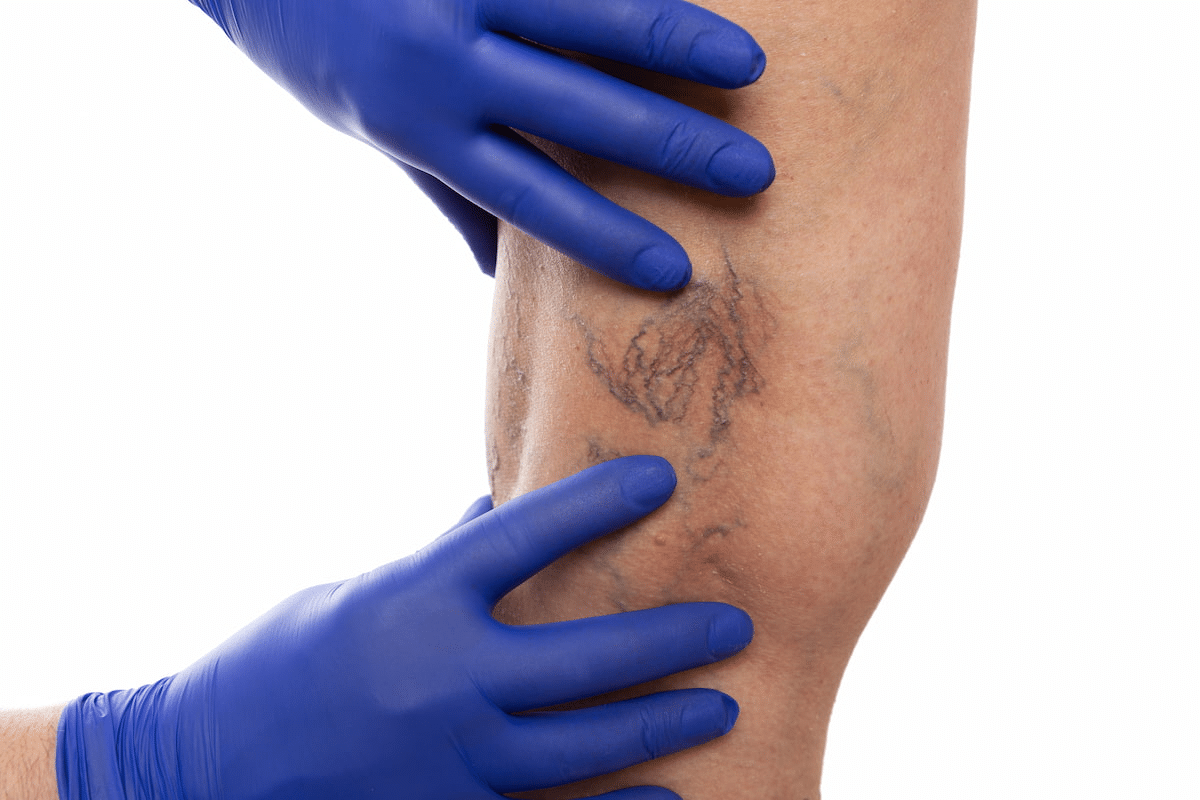
Answering do spider veins go away on their own (usually not) and explainin g the need for cosmetic or medical treatment.Many people wish spider veins would just go away by themselves. But, the truth is, they usually don’t. These small blood vessels under the skin show up as red, blue, or purple lines that look like a spider’s web.
Spider veins are a big worry for many, but they hit women harder. They show up as thin, web-like veins on legs or faces. Knowing if they’ll go away by themselves or need a doctor’s help is key to taking care of your blood vessels.
Liv Hospital offers top-notch vascular checks and treatments. They help make your skin look healthier.
Key Takeaways
- Spider veins rarely disappear on their own and may worsen over time.
- They are not just a cosmetic issue but can indicate underlying venous insufficiency.
- Professional treatment is often necessary to address spider veins effectively.
- Liv Hospital offers advanced vascular assessments and treatments.
- Understanding the causes and treatment options is essential for making informed decisions.
Understanding Spider Veins: Causes and Development

It’s important to know how spider veins develop. They are a common issue that affects many people, mostly women.
What Are Spider Veins?
Spider veins are small, dilated blood vessels close to the skin’s surface. They appear as thin lines or clusters and are usually red, purple, or blue. These veins occur when the valves in veins weaken, causing blood to pool in small veins under the skin.
How Spider Veins Form in the Body
Spider veins form when blood vessels near the skin’s surface stretch or weaken. This can happen due to genetics, hormones, or long hours on your feet. Standing or sitting for a long time can also cause veins to dilate. Hormonal changes during pregnancy or menopause can further affect vein health.
The Role of Weakened Valves in Vein Damage
The valves in veins are key to stopping blood from flowing backward. When these valves weaken, blood can pool, increasing pressure on the vessel walls. This can cause veins to stretch and become visible as spider veins. Genetics, obesity, and age can all contribute to valve weakening.
|
Causes |
Factors Contributing to Spider Veins |
Effect on Veins |
|---|---|---|
|
Genetics |
Inherited tendency to develop spider veins |
Increased susceptibility to vein damage |
|
Hormonal Changes |
Fluctuations during pregnancy, menopause |
Vein dilation and increased visibility |
|
Prolonged Standing/Sitting |
Increased pressure on veins |
Vein stretching and weakening |
Understanding spider veins is the first step to addressing them. There are many ways to manage spider veins, from lifestyle changes to medical treatments.
Do Spider Veins Go Away on Their Own?

It’s important to know if spider veins can fix themselves. Spider veins are small, visible blood vessels near the skin’s surface. They look like red or purple lines.
Once veins get damaged, they can’t work right again. So, spider veins usually don’t go away by themselves. Without help, they often get worse over time.
The Natural Progression of Untreated Spider Veins
Untreated spider veins usually get worse over time. The veins’ valves get weaker, causing blood to pool and veins to show more.
“The valves in our veins are key for stopping backflow and making sure blood goes to the heart,” says Medical Expert, a vascular specialist. “When these valves fail, blood pools, and spider veins appear.”
Why Spider Veins Typically Worsen Without Intervention
Spider veins usually get more noticeable without treatment. Many things can make them worse, like genetics, lifestyle, and health. For example, standing or sitting for a long time can put more pressure on veins.
- Genetic predisposition
- Prolonged standing or sitting
- Aging
- Hormonal changes
Factors That Influence Spider Vein Persistence
Many things can make spider veins stay or get worse. These include:
|
Factor |
Impact on Spider Veins |
|---|---|
|
Genetics |
People with a family history are more likely to get spider veins. |
|
Lifestyle |
Standing a lot, being overweight, and not exercising can help them develop. |
|
Hormonal Changes |
Pregnancy, menopause, or hormone therapy can affect vein health. |
Knowing these factors can help people understand their risk. They can then think about prevention or treatment.
Spider Veins and Gender: Why Women Are More Susceptible
Spider veins are more common in women, and many factors contribute to this. Knowing these factors is key for prevention and treatment.
Statistical Prevalence: Venous Issues in Women
About 70% of all women will face venous insufficiency, with spider veins being a common sign. This shows how big a problem venous issues are for women.
|
Condition |
Prevalence in Women |
Factors Contributing to Prevalence |
|---|---|---|
|
Spider Veins |
Twice as common in women compared to men |
Hormonal changes, pregnancy, genetics |
|
Venous Insufficiency |
70% of women |
Aging, hormonal influences, lifestyle factors |
Why Spider Veins Are Twice as Common in Women
Spider veins are twice as common in women, mainly because of hormones. Changes in estrogen, like during pregnancy and menopause, can weaken blood vessels. This makes them more likely to get damaged.
Hormonal Influences on Vein Health
Hormonal changes are a big factor in spider veins. During pregnancy, the blood volume and hormone changes can cause spider veins. Hormonal birth control and menopause changes also affect vein health.
It’s important to understand how hormones affect veins. By knowing these factors, women can take steps to prevent spider veins.
Pregnancy and Spider Veins: What to Expect
Pregnancy brings many changes to the body, including spider veins from more blood. The body’s blood volume can increase by up to 50% to support the fetus. This extra blood can put more pressure on veins in the legs and ankles, causing spider veins.
Why Pregnancy Often Triggers Spider Veins
Several factors lead to spider veins during pregnancy:
- Increased blood volume and circulation
- Hormonal changes, like more progesterone, which weakens vein walls
- Pressure from the growing uterus on veins in the legs and pelvis
These factors make veins more visible, causing spider veins. Many pregnant women get spider veins, making it a common issue.
Will Spider Veins Go Away After Pregnancy?
Spider veins from pregnancy might look better after delivery for some. The body’s blood volume and venous pressure usually go back to normal after pregnancy. But, how likely spider veins are to go away on their own varies among women.
Postpartum Recovery Expectations and Timelines
After birth, the body starts to heal, and some changes may reverse. For spider veins, how long it takes to see improvement can vary:
- Some women see improvement a few months after giving birth.
- Others might not notice big changes until later.
Women should be patient as recovery times can differ. If spider veins don’t go away, talking to a healthcare professional about treatment is a good idea.
When Spider Veins Signal Underlying Health Concerns
Spider veins are often seen as just a cosmetic problem. But sometimes, they can show health issues that need medical help. It’s important to know the difference between cosmetic spider veins and those that mean you need to see a doctor.
Cosmetic Issue vs. Medical Concern: Knowing the Difference
Spider veins are usually a cosmetic worry when they’re just small, surface veins with no other symptoms. But if you have pain, swelling, or feel your legs are heavy, it might be a bigger problem.
Key differences between cosmetic and medical concerns:
- Cosmetic: Isolated, superficial veins without other symptoms
- Medical: Accompanied by symptoms like pain, swelling, or heaviness in the legs
Connection to Chronic Venous Insufficiency
Spider veins can be a sign of weak valves or chronic venous insufficiency (CVI). CVI happens when vein valves don’t work right, causing blood to pool and veins to get too full.
|
Condition |
Symptoms |
Potential Complications |
|---|---|---|
|
Cosmetic Spider Veins |
Visible, superficial veins |
None |
|
Chronic Venous Insufficiency |
Leg pain, swelling, heaviness |
Ulceration, skin discoloration |
Warning Signs That Require Medical Attention
If you have ongoing pain, swelling, or color changes in your legs, see a doctor. Early treatment can stop serious problems from CVI.
To deal with spider veins right, figure out if they’re just for looks or a health warning. If you’re worried or have symptoms, talk to a doctor. They can help figure out how to get rid spider veins on legs and what’s best for you.
Professional Treatment Options for Spider Veins
There are many medical treatments for spider veins. These options can help make spider veins less visible. They offer a variety of choices for everyone’s needs.
Sclerotherapy: Process and Effectiveness
Sclerotherapy is a common treatment for spider veins. It involves injecting a solution into the veins to close them. This quick procedure is done in a clinic.
“Sclerotherapy is a highly effective method for eliminating spider veins, providing noticeable results in a short period.” – Medical Expert, Vascular Specialist.
Laser and Light Therapy Treatments
Laser and light therapy are also good options for spider veins. They use laser energy to heat and close veins. This method is non-invasive and might need several sessions for the best results.
Radiofrequency Ablation
Radiofrequency ablation is a minimally invasive method. It uses heat from radiofrequency waves to close veins. This treatment works well for larger veins and more noticeable spider veins.
- Minimally invasive with quick recovery
- Effective for larger spider veins
- Can be used in conjunction with other treatments
Choosing a treatment for spider veins requires talking to a healthcare professional. They will consider the size and location of the veins and your overall health. This helps pick the best treatment for you.
Lifestyle Modifications That Can Improve Spider Veins
Living a healthier lifestyle can make a big difference in how spider veins look. Simple changes in your daily routine can help make these veins less noticeable. This can also improve the health of your veins overall.
Regular Movement and Exercise Recommendations
Staying active is key for healthy veins. Exercise boosts blood flow, which can make spider veins less visible. Walking, cycling, and swimming are great because they keep blood moving without harming your veins.
Recommended exercises include:
- Brisk walking
- Cycling
- Swimming
- Leg lifts and toe curls
Dietary Considerations for Vein Health
Eating a balanced diet is important for vein health. Foods high in fiber, vitamins, and minerals help keep blood vessels strong. Adding foods rich in antioxidants, like berries and leafy greens, is also good.
Key dietary recommendations:
- Increase consumption of fruits and vegetables
- Incorporate whole grains into meals
- Stay hydrated by drinking plenty of water
Compression Stockings: Benefits and Proper Use
Compression stockings are great for managing spider veins. They apply gentle pressure to improve blood flow and reduce vein appearance. It’s important to pick the right compression level and size for the best results.
Tips for using compression stockings:
- Put them on in the morning before starting daily activities
- Remove them at night
- Ensure a proper fit to avoid discomfort
Weight Management Strategies
Keeping a healthy weight is important for your veins. Extra weight can put more pressure on your veins, making spider veins worse. Eating right and exercising regularly can help you stay at a healthy weight.
Effective weight management tips:
- Monitor calorie intake
- Engage in regular physical activity
- Avoid fad diets and focus on sustainable lifestyle changes
Prevention Strategies: Reducing Your Risk of Spider Veins
To keep spider veins away, prevention and early action are key. By making lifestyle changes and knowing your risk factors, you can lower your chance of getting spider veins.
Daily Habits That Protect Vein Health
Everyday actions are vital for vein health. Regular exercise boosts circulation and strengthens veins. Walking, cycling, or swimming helps blood flow and eases vein pressure.
Also, elevating the legs often during the day is helpful. It reduces swelling and eases vein pressure, great for those who stand a lot.
Preventive Measures During High-Risk Periods
Pregnancy ups the risk of spider veins due to hormonal shifts and more blood. Wearing compression stockings can help support veins and lower this risk.
It’s smart to avoid long periods of standing or sitting. Taking breaks to move around improves blood flow and eases vein strain.
Long-term Vein Health Maintenance
Keeping a healthy weight is key for vein health. Extra weight increases vein pressure, raising spider vein risk.
Eating a balanced diet with fruits, veggies, and whole grains supports veins. Foods high in fiber prevent constipation, which helps avoid vein pressure.
By adding these prevention tips to your daily routine, you can lower your spider vein risk and keep your veins healthy for years.
Conclusion: Making Informed Decisions About Spider Vein Treatment
It’s important to know about treatment options and how to prevent spider veins. With the right info and treatment, you can manage and reduce their look.
Many wonder if spider veins will go away by themselves. But, they usually stay or get worse without help. Knowing what causes them helps you prevent them.
Combining treatments like sclerotherapy or laser with healthy habits can help a lot. Regular exercise and a balanced diet improve vein health. This makes the question of whether spider veins can go away less important.
To make good choices about spider vein treatment, you need to understand the condition and treatments. Being informed lets you control your vein health. This way, you can address the concern of whether spider veins will go away.
FAQ
Are spider veins permanent?
Spider veins are not always permanent. They often need treatment to look better. Without treatment, they can stay the same or get worse.
Can spider veins go away on their own?
Spider veins usually don’t go away by themselves. Things like your genes, lifestyle, and health can affect how long they stay. They often need treatment to look better.
Will spider veins go away after pregnancy?
Some spider veins might look better after having a baby. But, many don’t go away without treatment. Pregnancy can make spider veins worse because of more blood and vein pressure.
Do spider veins go away on their own?
No, spider veins usually don’t go away by themselves. They can mean there’s a problem with your veins. Things like your genes, hormones, and lifestyle can affect how they look.
Can spider veins disappear on their own?
Spider veins are unlikely to disappear by themselves. Some might get a bit lighter, but they often need professional help to look better.
Do spider veins from pregnancy go away?
Some spider veins from pregnancy might get better after the baby is born. But, many stay. There are treatments to make them look better.
Can veins heal themselves?
Veins can’t heal themselves much. Spider veins often need medical help to look better. Changing your lifestyle can also help your vein health.
Are spider veins normal during pregnancy?
Yes, spider veins are common during pregnancy. It’s because of more blood and vein pressure. They might be uncomfortable and look bad.
How to make spider veins go away?
Spider veins can be treated with sclerotherapy, laser therapy, and radiofrequency ablation. Changing your lifestyle, like exercising and wearing compression stockings, can also help.
How to get rid of spider veins on legs?
To treat spider veins on your legs, try sclerotherapy, laser therapy, or radiofrequency ablation. Changing your lifestyle, like moving more and wearing compression stockings, can also help.
Can spider veins be prevented?
Some risk factors for spider veins, like your genes, can’t be changed. But, you can lower your risk by staying healthy, exercising, and not standing for too long.
References
National Center for Biotechnology Information. Spider Veins: Spontaneous Resolution and Treatment Options. Retrieved from https://pubmed.ncbi.nlm.nih.gov/32448873/