
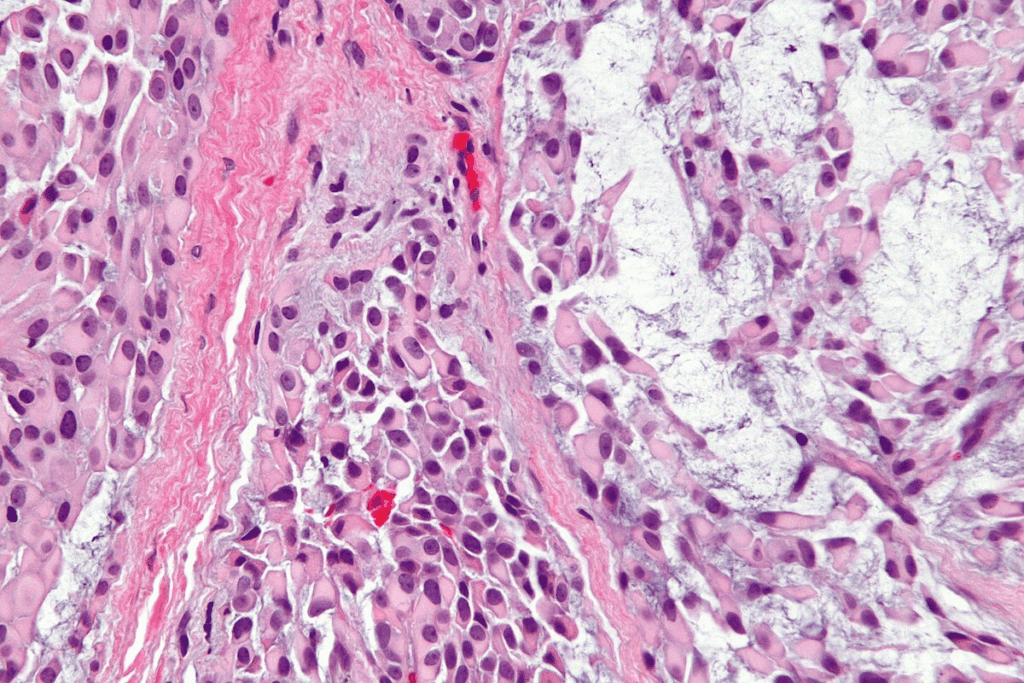
Seeing squamous epithelial cells in a urinalysis can worry you. At Liv Hospital, we focus on accurate diagnosis and care that puts you first. Squamous epithelial cells are big, square-shaped cells that cover the body’s outer layers, including the urinary tract.
These cells might show up in urine because of contamination or a health issue. Our team uses the latest urinalysis tech and deep clinical knowledge. This helps us tell if the cells are just a sign of something minor or a real health problem.
We’ll look into what squamous epithelial cells in urine mean. We’ll cover their normal presence and when they might signal health problems. This will help you understand their importance.
Do squamous cells in urine mean cancer? Find out what the presence of squamous epithelial cells in a urine test typically indicates.
Key Takeaways
- Squamous epithelial cells are a type of cell that lines the urinary tract.
- Their presence in urine can indicate various health conditions or sample contamination.
- Accurate diagnosis requires a combination of advanced urinalysis technology and clinical interpretation.
- Understanding the normal range of squamous epithelial cells is key for diagnosis.
- Elevated levels of these cells can be linked to certain health issues.
Understanding Squamous Epithelial Cells

It’s important to know about squamous epithelial cells to understand urinalysis results. We need to learn about their definition, structure, and role in the urinary system.
Definition and Structure
Squamous epithelial cells are thin and flat. They line the urinary tract. Their shape helps urine flow smoothly.
Location in the Urinary System
Squamous epithelial cells are mainly in the lower urinary tract. This includes the urethra and the bladder’s outer layer. They are not found in the upper urinary tract, like the kidneys or ureters.
Difference Between Squamous, Transitional, and Renal Tubular Cells
There are three main types of epithelial cells in the urinary tract: squamous, transitional, and renal tubular cells.
- Squamous Epithelial Cells: These are flat cells in the lower urinary tract.
- Transitional Epithelial Cells: Found in the upper urinary tract, including the kidneys and bladder. They change shape based on the bladder’s state.
- Renal Tubular Epithelial Cells: These cells line the renal tubules in the kidneys. They are key in the filtration process.
The presence of these cells in urine can show different health issues. For example, more renal tubular epithelial cells might mean kidney damage.
Knowing the differences is key for accurate diagnosis and treatment. By looking at the type and count of epithelial cells in urine, doctors can understand the urinary tract’s health.
Normal Range of Squamous Epithelial Cells in Urine

Knowing the normal range of squamous epithelial cells in urine is key for accurate diagnosis and treatment. These cells line the urinary tract. Their presence in urine can tell us a lot about urinary health.
Standard Reference Values
The normal range for squamous epithelial cells in urine is zero to five cells per high-power field (HPF). This range helps healthcare providers check if a urine sample is normal or if more tests are needed.
Having 0-5 squamous epithelial cells per HPF is usually normal. But, counts a bit higher might not always mean there’s a problem. Many factors can change the cell count.
Factors Affecting Normal Levels
Several things can change the number of squamous epithelial cells in urine. This can make the normal range vary. These include:
- Age and gender: Hormonal changes and age can affect cell shedding.
- Menstrual cycle: In women, the menstrual cycle can impact the presence of epithelial cells in urine.
- Urine collection method: How urine samples are collected can affect the cell count.
- Underlying health conditions: Certain conditions, such as urinary tract infections, can cause an increase in epithelial cells.
What Constitutes an Elevated Level
An elevated level of squamous epithelial cells in urine is above five cells per HPF. For example, 8 epithelial cells in urine or 25 epithelial cells in urine are considered high and may need more investigation.
High levels can mean health issues like infections, inflammation, or other urinary tract problems. It’s important for healthcare providers to look at these results with the patient’s overall health and medical history in mind.
How Urinalysis Detects and Reports Squamous Cells
To understand how urinalysis detects squamous cells, we need to look at the collection methods and laboratory procedures. Urinalysis involves examining a urine sample under a microscope. It counts the number of epithelial cells, including squamous cells.
Collection Methods and Their Impact on Results
The way a urine sample is collected can significantly impact the accuracy of the urinalysis results. Proper collection techniques are essential to minimize contamination and ensure reliable results.
There are different methods for collecting urine samples, including the clean-catch midstream method, which is commonly used. This method involves cleaning the genital area before collecting the urine sample to reduce the risk of contamination.
Laboratory Testing Procedures
Once the urine sample is collected, it is sent to a laboratory for analysis. Laboratory technicians use various techniques, including microscopic examination, to identify and count squamous epithelial cells.
The laboratory testing procedure typically involves:
- Receiving and labeling the urine sample
- Preparing the sample for microscopic examination
- Examining the sample under a microscope to identify and count squamous cells
- Reporting the results
Understanding Your Urinalysis Report
After the laboratory analysis is complete, the results are compiled into a urinalysis report. This report will typically include information on the presence and count of squamous epithelial cells, as well as other relevant findings.
Understanding your urinalysis report is key to interpreting the results correctly. The report may indicate the number of squamous cells per high power field (HPF), which is a measure used to quantify the cells observed under the microscope.
A normal result typically shows 0-5 squamous epithelial cells per HPF. Elevated counts may indicate contamination or underlying health issues that require further investigation.
Sample Contamination: The Primary Cause of Elevated Counts
Contamination during urine sample collection is a main reason for high squamous epithelial cell counts. This can make urinalysis results less accurate. It might lead to wrong diagnoses or extra tests.
How Contamination Occurs During Collection
Contamination happens if the genital area isn’t cleaned before urine collection. Squamous epithelial cells, found on the skin, can get into the urine. This can make the cell count seem higher than it is.
Proper collection techniques are key to avoid contamination. Using the clean-catch midstream method helps a lot. This method cleans the genital area before and then collects urine in a sterile container.
Distinguishing Contamination from Pathological Findings
Telling apart contamination from real health issues is hard in urinalysis. A high squamous epithelial cell count might mean contamination or a health problem. Doctors must look at symptoms, medical history, and other test results to diagnose correctly.
“The presence of squamous epithelial cells in urine should be interpreted in the context of the patient’s clinical presentation and other laboratory findings.”
Impact on Diagnostic Accuracy
Sample contamination greatly affects how accurate diagnoses are. It can cause false positives, leading to unnecessary worry and extra costs. It’s vital for healthcare providers to teach patients how to collect urine samples correctly.
Knowing why sample contamination happens and how to stop it helps make urinalysis results more reliable. This improves diagnosis accuracy and patient care.
Urinary Tract Infections and Squamous Epithelial Cells
It’s important to know how UTIs and squamous epithelial cells are linked for accurate diagnosis. UTIs can make more epithelial cells show up in urine. This can be seen through urinalysis.
Correlation Between UTIs and Cell Counts
Studies have found a strong link between UTIs and more squamous epithelial cells. Bacteria in the urinary tract cause inflammation and irritation. This leads to more cells shedding into the urine.
Key factors influencing this correlation include:
- The severity of the UTI
- The location of the infection within the urinary tract
- The patient’s overall health and immune response
Recent Research on Predictive Value
Recent studies have looked into how squamous epithelial cells help predict UTIs. While these cells alone don’t confirm UTIs, they help when combined with other tests. This improves how well UTIs can be diagnosed.
| Study | Findings | Predictive Value |
| Smith et al., 2022 | Elevated squamous epithelial cells associated with UTIs | 80% sensitivity, 70% specificity |
| Johnson et al., 2020 | Combination of squamous cells and leukocyte esterase improves UTI diagnosis | 90% sensitivity, 85% specificity |
When to Suspect an Infection
Healthcare providers should think about UTIs when they see high squamous epithelial cells in urine. They should also look for signs like pyuria or bacteriuria. Symptoms like painful urination, needing to urinate often, and urgency also point to UTIs.
Understanding the link between UTIs and squamous epithelial cells helps healthcare providers make better decisions. This improves patient care and treatment.
Kidney and Liver Disease Connections
It’s important to understand how kidney and liver diseases affect squamous epithelial cells in urine. Kidney problems can change how these cells are shed into urine. Doctors need to think about this when they look at urine tests.
Impact of Kidney Dysfunction on Epithelial Cell Shedding
Kidney disease can mess with how epithelial cells are shed. When kidneys can’t filter waste well, like in chronic kidney disease or acute kidney injury, more cells might show up in urine. This could mean the kidneys are not healthy.
“Finding epithelial cells in urine can signal kidney damage early,” say kidney experts. We need to watch for this in patients with kidney issues.
Liver Disease Manifestations in Urinalysis
Liver problems can also show up in urine tests, but in different ways than kidney issues. Liver issues can change how the body breaks down and gets rid of substances, which can show up in urine. For example, liver diseases like hepatitis or cirrhosis can cause unusual things to appear in urine.
Differential Diagnosis Considerations
When we see squamous epithelial cells in urine, doctors must think about many possible reasons. It’s key to do a thorough check to figure out what’s really going on. This means looking at the patient’s history, symptoms, and other test results.
The link between kidney and liver disease and squamous epithelial cells in urine makes urine tests complex. By carefully looking at these factors, doctors can make better diagnoses and treatment plans.
Do Squamous Cells in Urine Mean Cancer?
Squamous epithelial cells in urine can raise concerns about cancer. We’ll explore if these cells mean cancer, focusing on bladder cancer.
Relationship Between Squamous Cells and Bladder Cancer
Squamous epithelial cells aren’t a direct sign of cancer. But, some conditions linked to these cells might raise cancer risk. For example, bladder cancer can be linked to abnormal cell shedding, including squamous cells. Yet, finding squamous cells alone doesn’t confirm cancer.
Distinguishing Cancerous from Normal Squamous Cells
Telling cancerous from normal squamous cells is tricky. It needs many tests. Cancer cells often look different, like irregular shapes or big nuclei. Tests like cytology and biopsy help spot cancer cells.
Let’s compare normal and cancerous squamous cells:
| Characteristics | Normal Squamous Cells | Cancerous Squamous Cells |
| Cell Shape | Regular, flat | Irregular, variable |
| Nucleus Size | Small, uniform | Enlarged, variable |
| Cell Arrangement | Orderly | Disordered |
When Additional Testing Is Warranted
More tests are needed if squamous cells in urine come with other cancer signs. These signs include blood in urine, frequent infections, or exposure to harmful substances. Tests like imaging or cystoscopy might be needed to find the cause.
If you’re worried about squamous cells in your urine, talk to your doctor. They can decide if more tests are needed and explain your results.
Physical Trauma and Urinary Tract Injury
Urinary tract injuries can lead to more epithelial cells being shed. These cells are found in urine tests. We will look at how trauma affects the urinary system and what it means for urinalysis results.
Impact of Trauma on Epithelial Cells
Physical trauma to the urinary tract can damage the epithelial lining. This damage causes more cells to shed. Such damage can come from surgery, medical exams, or outside injuries.
Causes and Consequences of Urinary Tract Injuries
Urinary tract trauma can happen for many reasons. These include:
- External injuries, such as those from accidents or sports
- Surgical procedures, like removing kidney stones or doing urinary tract surgeries
- Instrumentation, like using catheters or doing cystoscopies
Healing and Normalization
After trauma, the urinary tract starts to heal. As the lining repairs, cell shedding goes down. The count of squamous epithelial cells in urine gets back to normal.
| Cause of Trauma | Effect on Epithelial Cells | Typical Recovery Time |
| External Injury | Increased shedding due to direct damage | Several weeks |
| Surgical Intervention | Temporary increase due to surgical trauma | 1-3 months |
| Instrumentation | Mild increase due to minor irritation | A few days to weeks |
It’s important to know how physical trauma affects the urinary tract. This helps doctors understand urinalysis results better. By knowing the causes and effects, doctors can give better care to patients.
Other Conditions Associated with Elevated Squamous Cells
It’s important to know what causes high squamous epithelial cells in urine. This knowledge helps doctors diagnose and treat better. While infections are common, other issues can also raise squamous cell counts.
Inflammation and Irritation
Inflammation and irritation in the urinary tract can increase squamous epithelial cells. This can happen due to infections, irritants, or trauma.
Some common causes include:
- Urinary tract infections (UTIs)
- Interstitial cystitis
- Catheter use
- Chemical irritants from soaps or douches
Hormonal Influences
Hormonal changes can also impact squamous epithelial cells in urine. For example, changes during menopause or pregnancy can affect the urinary tract.
| Hormonal Condition | Effect on Squamous Cells |
| Menopause | Decreased estrogen can lead to increased squamous cell shedding |
| Pregnancy | Hormonal fluctuations may cause changes in urinary tract epithelium |
Medication Effects
Some medications can also affect squamous epithelial cells in urine. For instance, certain drugs can irritate or cause allergic reactions, leading to more cell shedding.
Examples include:
- Chemotherapy agents
- Certain antibiotics
- Drugs that cause allergic reactions or irritation
In conclusion, high squamous epithelial cells can be linked to many conditions, not just infections. Factors like inflammation, hormonal changes, and medication effects play a role. Knowing these can help doctors diagnose and treat more accurately.
Proper Urine Sample Collection Techniques
To get reliable results from urinalysis, it’s key to collect urine samples correctly. The way you collect urine affects the test’s accuracy. We’ll show you how to avoid contamination and get precise results.
Clean-Catch Midstream Method
The clean-catch midstream method is the best way to collect urine. It involves cleaning your genital area and then urinating into a sterile container midstream. Here’s how to do it right:
- Clean the genital area with soap and water.
- Start urinating into the toilet.
- After a few seconds, place the container under the urine stream.
- Collect the midstream urine without touching the container to your body.
- Finish urinating into the toilet.
Benefits of the Clean-Catch Midstream Method: This method cuts down on contamination from the genital area. It makes urinalysis results more accurate.
Special Considerations for Different Populations
Some groups need special care when collecting urine samples. For example:
- Pediatric Patients: Infants and young children might need a urine collection bag or a special device.
- Elderly Patients: Older adults might need help cleaning and collecting the sample. They might also need support due to mobility or dexterity issues.
- Pregnant Women: Pregnant women should follow the standard clean-catch method. They should also take extra precautions to avoid discomfort or complications.
Common Collection Mistakes to Avoid
It’s important to avoid common mistakes when collecting urine samples. These mistakes can affect the accuracy of urinalysis results. Some common errors include:
| Mistake | Consequence | Prevention |
| Not cleaning the genital area | Contamination of the sample | Clean the area with soap and water before collection |
| Touching the inside of the container | Introduction of external bacteria | Handle the container by the outside only |
| Not using a sterile container | Contamination with external substances | Use a sterile container provided by the laboratory or healthcare provider |
By following the right urine sample collection techniques and avoiding common mistakes, you can ensure accurate and reliable urinalysis results.
When to Seek Medical Attention
Elevated squamous epithelial cells in urinalysis results can be a cause for concern. Knowing the next steps is important. If you’re facing this situation, understanding when to seek medical attention is key for your health and well-being.
Warning Signs and Symptoms
Certain symptoms may indicate a need for immediate medical attention. These include:
- Pain or burning sensation while urinating
- Frequent urination or urgent need to urinate
- Blood in the urine or abnormal urine color
- Severe pain in the lower abdomen or back
- Fever or chills
If you experience any of these symptoms alongside abnormal urinalysis results, it’s essential to consult your healthcare provider promptly.
Follow-up Testing Options
Your healthcare provider may recommend additional tests to determine the cause of elevated squamous epithelial cells. These may include:
| Test | Purpose |
| Repeat Urinalysis | To confirm initial findings and check for any changes |
| Urine Culture | To identify any bacterial infections |
| Imaging Studies (e.g., Ultrasound, CT Scan) | To examine the urinary tract for abnormalities or damage |
| Cystoscopy | To visually inspect the inside of the bladder and urethra |
These tests help in diagnosing the underlying cause and guiding appropriate treatment.
Questions to Ask Your Healthcare Provider
When consulting your healthcare provider, it’s helpful to ask the right questions. This helps you understand your condition and treatment plan. Consider asking:
- What are the possible causes of my elevated squamous epithelial cells?
- Do I need any additional testing, and what will it involve?
- What treatment options are available based on my diagnosis?
- Are there any lifestyle changes I can make to improve my condition?
- How will we monitor my progress and adjust the treatment plan as needed?
Being informed and proactive about your health can make a significant difference in managing your condition effectively.
Conclusion
Knowing about squamous epithelial cells in urine is key for accurate test results. We’ve looked into what these cells mean, from contamination to health issues. It’s vital to collect urine samples correctly to get reliable results.
These cells might point to urinary tract infections or diseases of the kidney and liver. We’ve talked about the need to tell apart contamination from real health problems. Sometimes, more tests are needed.
In summary, squamous epithelial cells in urine need careful thought and understanding. By grasping their causes and meanings, we can better help patients with urinalysis tests.
FAQ
What are squamous epithelial cells in urine?
Squamous epithelial cells line the urinary tract. Their presence in urine can signal health issues.
What is the normal range of squamous epithelial cells in urine?
The normal count is usually 0-5 cells per high power field (HPF). But, this can change based on the lab and individual factors.
What does it mean if I have rare epithelial cells in my urine?
Rare cells might not be a big deal. But, it’s wise to talk to a doctor to find out why.
Can contamination during urine sample collection affect the results?
Yes, contamination can mess up the results. This includes making squamous epithelial cell counts seem higher than they are.
How do urinary tract infections relate to squamous epithelial cell counts?
UTIs can raise squamous epithelial cell counts in urine. Studies suggest these cells might predict UTIs.
Can kidney or liver disease affect squamous epithelial cells in urine?
Yes, problems with the kidneys or liver can change how many epithelial cells are shed. This can affect counts in urine.
Are squamous epithelial cells in urine a sign of cancer?
Squamous cells in urine might hint at bladder cancer. But, it’s not a sure sign. More tests are needed to confirm.
How can physical trauma or urinary tract injury affect squamous epithelial cell counts?
Injury to the urinary tract can increase epithelial cell shedding. This can raise squamous epithelial cell counts.
What are some other conditions that can lead to elevated squamous epithelial cells?
Inflammation, hormonal changes, and some medications can also increase squamous epithelial cells in urine.
How can I ensure accurate urinalysis results?
Use the clean-catch midstream method for urine samples. This helps avoid contamination and ensures accurate results.
When should I seek medical attention based on urinalysis results?
If you notice warning signs or symptoms, or if your results are abnormal, see a doctor. They can guide you next steps.
References
World Health Organization. (2025). What Do Squamous Epithelial Cells in Urine Mean. Retrieved from https://www.who.int/publications/i/item/9789241550130