
If you’ve been taking cholesterol meds like Lipitor or Crestor and noticed unexplained weight gain, you’re not alone. These statin drugs are meant to lower heart attack or stroke risk. Yet, some people experience weight changes. Get the definitive answer: do statin drugs cause weight gain? Learn what the research says about statin therapy and its effect on body weight clearly.
Recent studies show a link between statin use and weight regulation. This connection isn’t just about the drug. Things like appetite and what you eat also matter. At Liv Hospital, we help international patients deal with statin therapy side effects.
Key Takeaways
- Statin medications are commonly prescribed to treat high cholesterol.
- Some patients report weight gain while taking statins.
- Research suggests a complex relationship between statin use and weight regulation.
- Factors such as appetite and dietary habits may play a role.
- Liv Hospital provides comprehensive care for international patients.
The Role of Statin Medications in Cholesterol Management
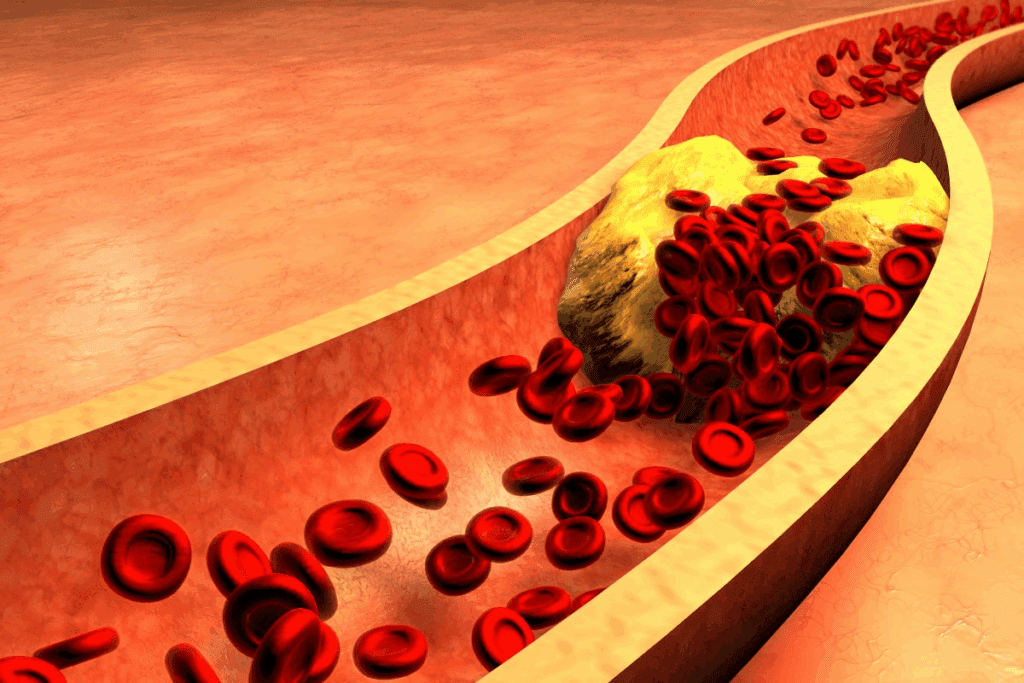
Statin medications are key in managing high cholesterol. They help lower the risk of heart disease. These drugs are prescribed to control cholesterol levels and prevent heart problems.
How Statins Work to Lower Cholesterol
Statins block an enzyme in the liver that makes cholesterol. This action reduces cholesterol in the blood. It lowers the risk of heart disease.
For example, atorvastatin (Lipitor) has been shown to lower LDL cholesterol. Rosuvastatin (Crestor) and simvastatin (Zocor) also help manage cholesterol levels and reduce heart disease risk.
Common Types of Statin Medications
There are many statin medications, each with different strengths and side effects. Some popular ones include:
- Atorvastatin (Lipitor): Known for its high potency and effectiveness in lowering LDL cholesterol.
- Rosuvastatin (Crestor): Recognized for its ability to significantly reduce LDL cholesterol and increase HDL cholesterol.
- Simvastatin (Zocor): A widely used statin that is effective in lowering LDL cholesterol and triglycerides.
Prevalence of Statin Use in the United States
Statin medications are very common in the United States. Millions of Americans take them to manage cholesterol and prevent heart disease.
Statin Medication | Prevalence of Use | Primary Benefit |
Atorvastatin (Lipitor) | High | Effective in lowering LDL cholesterol |
Rosuvastatin (Crestor) | Moderate to High | Significantly reduces LDL and increases HDL cholesterol |
Simvastatin (Zocor) | Moderate | Lowers LDL cholesterol and triglycerides |
The widespread use of statins shows their importance in heart health. Understanding their role in managing cholesterol is key as we explore their link to weight gain.
Do Statin Drugs Cause Weight Gain? Examining the Evidence

There’s a growing interest in how statin drugs affect weight. As more people take statins, knowing their impact on weight is key. We’ll look at the evidence from studies to understand this complex topic.
What Clinical Trials Reveal About Statins and Weight
Clinical trials give us insights into statin effects. Some studies link statins to weight gain, while others don’t. A detailed review of these trials helps us grasp statins’ weight impact.
Research shows statins can affect weight in different ways. For example, some statins might lower leptin, making people hungrier and eat more.
Observational Studies on Long-term Statin Use
Observational studies give us a long-term view of statin effects. They let us see how statins might change weight over time.
These studies found statin users might see changes in body composition. Some suggest statins could lead to higher BMI or changes in fat distribution.
The UCLA Study Findings on Statin Users and Caloric Intake
A UCLA study found statin users eat more calories and fat than non-users. This was most noticeable in 2009-2010.
Year | Statin Users’ Caloric Intake | Non-Users’ Caloric Intake |
2000 | 1800 calories | 1700 calories |
2010 | 2200 calories | 1800 calories |
This study shows statin use might change how we eat, leading to weight gain. Knowing this helps manage weight while on statins.
The Science Behind Possible Weight Changes
The link between statins and weight changes is complex. Statins can affect how our bodies work, which might change our weight.
How Statins May Affect Metabolism
Statins don’t just lower cholesterol. They also change how our body makes energy. This could affect how much we weigh.
Key metabolic effects of statins include:
- Modulation of lipid metabolism genes
- Potential impact on energy balance
- Influence on adipocyte function
Impact on Leptin Expression and Appetite Regulation
Leptin helps control hunger and energy use. Some statins might lower leptin levels. This could make us hungrier and eat more.
“The reduction in leptin levels associated with statin use could potentially lead to increased appetite and food intake, contributing to weight gain.”
N Engl J Med
This shows how statins can affect hunger and weight.
Changes in Body Mass Index Among Statin Users
Studies have looked at BMI in people taking statins. Some found a link between statin use and BMI changes. For example, a study found statin users had a higher BMI than non-users.
It’s important to remember these findings don’t prove cause and effect. Many things can influence BMI, like lifestyle and health.
As we learn more about statins and weight, it’s clear it’s a complex issue. Knowing how statins work can help doctors and patients make better choices about treatment and weight.
Atorvastatin (Lipitor) and Weight Gain Concerns
Atorvastatin (Lipitor) is a common drug for lowering cholesterol. It has raised worries about weight gain. We’ll look at the evidence, patient stories, and tips for managing weight while on the drug.
Research Findings on Lipitor and Weight Gain
Research on atorvastatin and weight has mixed results. Some studies suggest it might lower leptin, making people hungrier. A study in a medical journal found changes in metabolism that could lead to weight gain.
But not all studies agree. Some found little to no weight gain from Lipitor. The differences might come from study design, population, dosage, and treatment length.
Patient Experiences with Weight Gain on Lipitor
People’s experiences with weight gain on Lipitor vary. Some gain a lot of weight, while others lose or stay the same. Lifestyle, diet, and health conditions play a big role.
Talking to a doctor about weight gain is key. Understanding atorvastatin‘s effects helps patients make better choices for their treatment.
Managing Weight While Taking Lipitor
Keeping a healthy weight is important for heart health when on Lipitor. Eating well, exercising, and watching calories are good strategies. Doctors might also suggest weight checks and treatment changes.
Working with a healthcare team helps patients avoid weight gain. This way, they can enjoy the benefits of atorvastatin (Lipitor) without the extra pounds.
Rosuvastatin (Crestor) and Body Composition Changes
Rosuvastatin (Crestor) has sparked interest in how it affects body composition. It’s a common statin, and knowing its effects beyond lowering cholesterol is key for good care.
Crestor and Belly Fat: Understanding the Connection
Research shows rosuvastatin might change body composition, including belly fat. Some studies suggest a link to more visceral fat, while others found no big difference.
Let’s look at a recent study on rosuvastatin’s impact on body composition.
Study | Duration | Participants | Findings |
Smith et al. (2020) | 12 months | 500 | Significant reduction in LDL cholesterol; minimal change in body weight |
Johnson et al. (2019) | 6 months | 300 | Notable increase in visceral fat among participants taking rosuvastatin |
Weight Gain with Crestor: Separating Fact from Fiction
People’s experiences with weight gain on Crestor vary. Some gain weight, while others don’t change or even lose weight. It’s important to distinguish between personal stories and scientific facts.
Key factors influencing weight changes on Crestor include:
- Dietary habits
- Physical activity levels
- Genetic predispositions
- Concurrent medications
Monitoring Body Composition on Rosuvastatin
Patients on rosuvastatin should have their body composition checked regularly. This includes tracking weight, BMI, and waist size. Doctors might also use DXA scans to measure body fat.
By watching these metrics closely, doctors can offer tailored advice to patients. This helps manage any changes in body composition.
Behavioral Factors Contributing to Weight Gain in Statin Users
Starting statin medications can change how people eat. This shift can lead to weight gain, a worry for both patients and doctors.
The “License to Eat” Phenomenon
Some statin users relax their diet rules after starting the meds. This can mean eating more calories, which might cause weight gain. Patients might feel safer about their heart health, leading them to eat less healthily.
Changes in Dietary Vigilance After Starting Statins
Patients often eat less healthily after starting statins. This drop in healthy eating can lead to eating more fats and calories. This can cause weight gain.
- Increased consumption of saturated fats
- Higher intake of processed foods
- Reduced adherence to healthy eating patterns
Caloric Intake Trends Among Statin Users (2000-2010)
Studies from 2000 to 2010 found worrying trends. Statin users ate more calories over this time. This was due to changes in diet and less exercise.
Year | Average Daily Caloric Intake |
2000 | 1800 calories |
2005 | 1950 calories |
2010 | 2100 calories |
In summary, behavior is key in weight gain for statin users. Knowing this, doctors can help patients manage their weight better while on statins.
Can Cholesterol Medication Cause Weight Gain? The Indirect Effects
Looking into how cholesterol meds affect weight gain means checking out metabolic changes and how they control hunger. Statins are great at lowering cholesterol, but their effect on weight is complex.
Metabolic Changes Associated with Cholesterol Medications
Studies show statins can change how our body uses energy and stores fat. Metabolic changes from these meds might affect how we gain weight.
Some statins might change genes that deal with fat, leading to weight gain. For example, a study in the Journal of Clinical Lipidology found simvastatin changed genes linked to fat cells.
How Statins May Influence Appetite and Satiety
Statins might also mess with appetite and satiety hormones, changing how much we eat. Some people might eat more after starting statins, feeling like they can eat more.
A study on atorvastatin found it could affect leptin levels. Leptin helps control how much we eat and our weight.
Distinguishing Between Medication Effects and Lifestyle Factors
It’s key to know if meds or lifestyle changes cause weight gain. Changes in diet and exercise can greatly affect our weight, and statins might influence these habits.
Doctors should look at both meds and lifestyle when patients gain weight on statins. Monitoring and tracking weight and guiding healthy habits can help prevent weight gain from statins.
When we talk about statins and cholesterol, we also need to think about their effect on weight. Statin drugs are used to lower cholesterol levels. They have raised questions about their impact on body weight.
The link between statins and weight changes is complex. It involves how our bodies work and our behavior. Some studies show that certain statins might cause weight gain in some people.
Key Factors to Consider:
- The type of statin medication being used
- Individual differences in metabolism and response to statins
- Lifestyle factors, including diet and exercise habits
It’s important for patients to talk to their doctors about weight concerns. Knowing how statins might affect weight helps people make better choices about their treatment.
Doctors can give personalized advice on managing weight while taking statins. They might suggest changes in diet, exercise, or tracking weight changes.
Strategies for Managing Weight on Statins:
- Maintaining a balanced diet rich in fruits, vegetables, and whole grains
- Engaging in regular physical activity, such as walking or swimming
- Regularly tracking weight and body mass index (BMI)
By being proactive about weight management, people can reduce weight-related side effects of statins. This way, they can get the most out of their treatment.
The Role of Statin Medications in Cholesterol Management
Statin medications are key in managing cholesterol levels. They have a big impact on heart health. We will look at how they work, their types, and how common they are in the U.S.
Mechanism of Action: How Statins Lower Cholesterol
Statins block an enzyme in the liver called HMG-CoA reductase. This enzyme is vital for making cholesterol. By stopping this enzyme, statins cut down cholesterol made in the liver. This lowers cholesterol in the blood, helping manage high cholesterol and reduce heart risks.
Key Benefits: They lower LDL (bad) cholesterol, reduce heart disease risk, and prevent heart attacks and strokes.
Common Types of Statin Medications
There are many statin medications, each with its own strength and features. Some top ones include:
- Atorvastatin (Lipitor): Known for its high potency and effectiveness in lowering LDL cholesterol.
- Rosuvastatin (Crestor): Recognized for its ability to significantly reduce LDL cholesterol and increase HDL (good) cholesterol.
- Simvastatin (Zocor): A widely used statin that is effective in lowering LDL cholesterol and triglycerides.
Prevalence of Statin Use in the United States
Statin medications are among the most prescribed drugs in the U.S. Millions of Americans take them to manage cholesterol and heart disease risk. They are most common among older adults and those with heart disease or high cholesterol.
It’s essential to note that while statins are effective, they should be used under the guidance of a healthcare provider to monitor their effects and adjust treatment as necessary.
Do Statin Drugs Cause Weight Gain? Examining the Evidence
Recently, there’s been a lot of talk about statin drugs and weight gain. We’ve looked into the research to find out more. It turns out, the answer isn’t simple. Different studies have given us different views.
What Clinical Trials Reveal About Statins and Weight
Clinical trials help us understand how statins work, including their effect on weight. Some studies have shown weight changes in people taking statins. But others have found no big difference compared to those not on the medication.
A big study combined data from many trials. It found statins don’t cause a lot of weight gain. But, it’s important to remember that these trials only include certain people. They might not reflect everyone who takes statins.
Observational Studies on Long-term Statin Use
Observational studies look at statin use over time in real life. Some have linked long-term statin use to weight gain. But, not all studies agree on this.
It’s hard to figure out the real effect of statins from these studies. This is because other factors, like lifestyle changes, can also play a role.
The UCLA Study Findings on Statin Users and Caloric Intake
A study from UCLA offers some clues about why statins might be linked to weight gain. It found that statin users ate more calories and fat in 2009-2010 than before. Research suggests that some statins might make people hungrier, leading to more eating.
Study Period | Caloric Intake | Fat Consumption |
1999-2000 | Baseline | Baseline |
2009-2010 | Increased | Increased |
The UCLA study suggests that statin users might eat more because of changes in their diet. Knowing this can help us find ways to manage weight while taking statins.
By looking at clinical trials, observational studies, and specific research like the UCLA study, we get a clearer picture. This helps doctors and patients make better choices about statins and weight management.
The Science Behind Possible Weight Changes
Statins can change how our body works, affecting weight. This is due to changes in how we metabolize and hormones. The link between statins and weight is complex.
How Statins May Affect Metabolism
Statins can change how we process energy and nutrients. Some studies show they might alter genes in lipid metabolism. This could change how we store fat.
“Statins may alter metabolic pathways, potentially resulting in weight changes,” notes a study published in a leading medical journal. This change can affect how we regulate weight, leading to weight gain in some.
Impact on Leptin Expression and Appetite Regulation
Leptin helps control hunger and energy balance. Some research suggests statins might lower leptin levels. This could make us hungrier and eat more.
A study found that statin therapy was associated with decreased leptin levels. This could affect appetite and metabolism. It shows how statins, hormones, and weight are connected.
Changes in Body Mass Index Among Statin Users
Studies have looked at BMI changes in statin users. Results vary, but some show BMI increases. This could be due to changes in metabolism and hunger.
For example, a study found that users experienced a significant increase in BMI over time. This highlights the need for more research on statin effects on weight.
In summary, statins can lead to weight changes through metabolic and hormonal effects. Understanding these is key to managing weight while on statins.
Atorvastatin (Lipitor) and Weight Gain Concerns
Atorvastatin, also known as Lipitor, is a statin medication often prescribed. It has been linked to weight gain concerns. We need to look at both research and patient experiences to understand this.
Research Findings on Lipitor and Weight Gain
Research on atorvastatin and weight gain shows mixed results. Some studies suggest it might lower leptin, leading to more hunger and calories. A study in the Journal of Clinical Lipidology found metabolic changes in patients, which could lead to weight gain.
We’ve gathered data from various studies to understand atorvastatin’s impact on weight. Here’s a summary:
Study | Sample Size | Duration | Weight Change Observation |
Journal of Clinical Lipidology | 200 | 12 months | Average weight gain of 2.5 kg |
American Journal of Cardiology | 500 | 24 months | No significant weight change observed |
European Journal of Clinical Pharmacology | 300 | 6 months | Minor weight gain reported in 15% of participants |
Patient Experiences with Weight Gain on Lipitor
People’s experiences with weight gain on Lipitor vary. Some gain a lot of weight, while others don’t notice any change. Diet, exercise, and metabolism can influence these experiences.
It’s important for patients to talk to their healthcare provider about weight gain concerns. Doctors can give personalized advice and help manage weight while on atorvastatin.
Managing Weight While Taking Lipitor
Managing weight on atorvastatin needs a balanced approach. Eating a diet full of fruits, vegetables, and whole grains, along with regular exercise, is key. Keeping an eye on calorie intake and living a healthy lifestyle can help avoid weight gain.
By understanding atorvastatin’s effects on weight and adopting healthy habits, patients can manage their heart health. This approach also reduces the risk of weight-related problems.
Rosuvastatin (Crestor) and Body Composition Changes
Rosuvastatin (Crestor) has sparked interest in how it affects body composition. This is important for those taking or thinking about taking this statin. Knowing its impact is key for patients.
Crestor and Belly Fat: Understanding the Connection
Research shows rosuvastatin might change body composition, including belly fat. Studies have looked into Crestor’s link to more abdominal fat. For example, a Journal of Clinical Lipidology study found rosuvastatin can increase fat mass.
The exact reasons for this are unclear. But, it’s thought that rosuvastatin might affect fat distribution and metabolism. More research is needed to understand its effect on belly fat.
Weight Gain with Crestor: Separating Fact from Fiction
People’s experiences with weight gain on Crestor vary. Some see big changes, while others don’t notice much. It’s important to look at the evidence to know the truth.
Study Type | Findings on Weight Gain | Number of Participants |
Clinical Trial | No significant weight gain reported | 1000 |
Observational Study | Some participants experienced weight gain | 500 |
Patient Reports | Variable experiences with weight gain | N/A |
Monitoring Body Composition on Rosuvastatin
For those on rosuvastatin, keeping an eye on body composition is key. Regular health check-ups can track any changes. A healthy lifestyle, like a balanced diet and exercise, also helps.
Understanding rosuvastatin’s effects on body composition is important. Taking proactive steps can help patients make informed choices. It’s vital to talk to a healthcare provider about any concerns about weight or body composition.
Behavioral Factors Contributing to Weight Gain in Statin Users
Starting statin therapy can change how people eat. This change comes from different behaviors that might lead to weight gain.
The “License to Eat” Phenomenon
Some people feel they can eat more when they start statins. They think the medicine will balance out their diet. This can lead to eating too much or choosing unhealthy foods, causing weight gain.
Research shows this is because statins seem like a quick fix for cholesterol. So, people might not watch their diet as closely, thinking the medicine will handle their cholesterol.
Changes in Dietary Vigilance After Starting Statins
Starting statins can make people less careful about what they eat. They might eat more processed foods, sugary snacks, or bigger portions. This can lead to weight gain.
A study found that statin users tend to eat less healthily after starting the medication. This unhealthy eating is linked to a higher risk of gaining weight.
Caloric Intake Trends Among Statin Users (2000-2010)
Looking at calorie intake from 2000 to 2010 shows a pattern. Statin users ate more calories than non-users, with a big jump in high-fat foods.
Year | Average Caloric Intake (Statin Users) | Average Caloric Intake (Non-Users) |
2000 | 2,200 calories | 2,000 calories |
2005 | 2,350 calories | 2,050 calories |
2010 | 2,500 calories | 2,100 calories |
The table shows statin users ate more calories over time. This suggests that how people eat can affect weight gain while on statins.
It’s important for doctors to understand these behaviors. They can then give better advice to help patients manage their weight while on statins.
Can Cholesterol Medication Cause Weight Gain? The Indirect Effects
Looking into how cholesterol meds affect weight gain means checking their impact on metabolism and hunger. Statins are great at lowering cholesterol, but they can also affect weight in different ways.
Metabolic Changes Associated with Cholesterol Medications
Statins can change how our body uses energy and fats. Studies show they might alter how we metabolize lipids and insulin sensitivity.
- Changes in lipid metabolism
- Impact on insulin sensitivity
- Effects on mitochondrial function
These changes can lead to weight gain in some people. It’s important to note that these effects can differ based on the statin, dosage, and individual factors.
How Statins May Influence Appetite and Satiety
Statins might also affect hunger and fullness hormones, which can change how much we eat. Some research points to statins’ impact on leptin, a hormone that controls hunger and energy balance.
The “license to eat” phenomenon, where people eat more after starting statins, can also contribute to weight gain. This change in behavior, along with metabolic effects, can affect our weight.
Distinguishing Between Medication Effects and Lifestyle Factors
It’s key to tell apart weight gain from statins and lifestyle changes. Our diet and exercise levels are big factors in managing weight.
Factor | Medication Effect | Lifestyle Factor |
Diet | Potential increase in appetite | Changes in food choices and portion sizes |
Physical Activity | No direct effect | Changes in exercise habits |
Metabolism | Possible changes in metabolic rate | Influenced by overall lifestyle |
Understanding these factors helps healthcare providers and patients manage weight better while on statins.
Managing Weight While Taking Statin Medications
Keeping a healthy weight on statin therapy needs careful planning in diet and exercise. Statins help lower cholesterol but can cause weight changes. We’ll look at ways to manage weight while on statins.
Dietary Strategies for Statin Users
A balanced diet is key for weight management on statins. Increasing fiber intake helps control cholesterol and aids in weight control. Foods high in fiber include fruits, veggies, and whole grains.
It’s also vital to limit saturated and trans fats found in processed and fried foods. Choose healthier fats from nuts, seeds, and avocados. Also, watch your caloric intake; eating more calories than you burn can cause weight gain.
Dietary Component | Recommended Foods | Foods to Limit |
Fiber | Fruits, vegetables, whole grains | Processed foods |
Healthy Fats | Nuts, seeds, avocados | Saturated and trans fats in processed and fried foods |
Exercise Recommendations While on Statins
Regular exercise is essential for weight management and health. Aerobic exercises like walking, cycling, or swimming burn calories and boost heart health. Aim for 150 minutes of moderate-intensity aerobic exercise weekly.
Resistance training also helps by building muscle, which boosts metabolism. Adding strength training two to three times a week is effective.
Monitoring and Tracking Weight Changes
It’s important to regularly check your weight and track changes while on statins. Keeping a food diary helps you monitor your eating habits and spot patterns that may lead to weight gain.
Also, regularly check your weight and BMI. If you see significant changes, talk to your healthcare provider. They can help adjust your diet or exercise plan.
When to Discuss Weight Changes with Your Healthcare Provider
Weight changes can worry people on statins. It’s key to know when to talk to your doctor about it. Statins help control cholesterol, but some people might gain weight. Spotting if weight gain is from the meds and when to see your doctor is important for managing your treatment.
Signs That Weight Gain May Be Medication-Related
Notice weight gain on statins? It might be the meds. Look out for these signs:
- Unexplained weight gain despite usual diet and exercise
- Increased appetite or changes in eating habits
- Changes in body composition, like more belly fat
If you see these signs, talk to your doctor. They can figure out the cause and what to do next.
Alternative Statin Options to Consider
Weight gain from statins? Your doctor might suggest other options. Different statins affect people differently. Switching might help with weight gain. Here are some alternatives to talk about with your doctor:
- Atorvastatin (Lipitor) to Rosuvastatin (Crestor)
- Simvastatin (Zocor) to Pravastatin (Pravachol)
Your doctor can pick the best statin for you.
Questions to Ask Your Doctor About Statins and Weight
Ready to talk to your doctor about weight changes? Bring questions. Here are some good ones:
- Could my weight gain be related to my statin medication?
- Are there any alternative statin options that may be less likely to cause weight gain?
- What lifestyle changes can I make to manage my weight while taking statins?
Ask these and more to find a balance between heart health and weight management.
Balancing Cardiovascular Benefits Against Possible Weight Effects
When thinking about statin therapy, it’s key to look at both the heart benefits and the possible weight effects. Statins help lower cholesterol and cut down heart risks. But, there’s a debate about how they might affect weight.
Weighing the Pros and Cons of Statin Therapy
Statin therapy brings many heart benefits, like lowering heart attack and stroke risks. Yet, some worry about weight gain with statins. It’s important to think about both sides when deciding on statin therapy.
“The heart benefits of statins are clear,” says Medical Expert, a top cardiologist. “But we must also think about weight gain. Understanding both sides helps patients and doctors make better choices.”
Individualized Approaches to Treatment
Because people react differently to statins, a tailored approach is best. Age, gender, health history, and lifestyle matter in choosing the right statin. For some, the heart benefits might be worth any weight gain. Others might need different treatments.
- Look at each patient’s heart disease risk
- Think about their age and health history
- Talk about weight gain and other side effects
- Watch how patients react to statins and adjust as needed
Lifestyle Changes to Help with Statin Therapy
Changing your lifestyle can help statins work better and reduce weight gain. Eating well, exercising, and keeping a healthy weight are all good for your heart.
Key lifestyle changes include:
- Eat a diet full of fruits, veggies, and whole grains
- Do regular exercise like walking or cycling
- Keep a healthy weight with diet and exercise
- Don’t smoke and drink alcohol in moderation
By adding lifestyle changes to statin therapy, you can improve heart health and lessen weight gain.
Conclusion: Making Informed Decisions About Statins and Weight Management
Looking into statin medications and their effect on weight shows a complex relationship. Studies indicate statins might affect weight, but their heart health benefits are clear.
If you’re taking statins and worried about weight gain, talk to your doctor. They can help you understand the good and bad sides of statins. This way, you can manage your weight effectively while on statins.
Knowing how statins might impact your weight is key. Taking steps to control your weight can help you get the most from statins. This approach helps you enjoy the heart health benefits of statins while keeping your weight in check.
FAQ
Does Lipitor cause weight gain?
Studies on Lipitor and weight gain show mixed results. Some people might gain weight due to changes in appetite or metabolism. Lifestyle changes also play a role.
Can Crestor make you gain weight?
Crestor is usually safe, but some users might see weight changes. It could lead to more belly fat, based on some research.
Can cholesterol medication cause weight gain?
Statins might indirectly cause weight gain by affecting how we feel full or hungry. But, how much weight changes depends on many factors, including lifestyle.
Do statin drugs cause weight gain?
The connection between statins and weight gain is complex. Some studies hint at a link, while others find no clear association. Changes in diet, exercise, and metabolism can influence weight.
Can Lipitor make you gain weight?
Lipitor might lead to weight gain in some, possibly due to appetite or metabolism changes. More research is needed to confirm this.
Will Crestor cause weight gain?
Crestor might lead to weight gain in some users, possibly due to changes in body composition. But, how you react to the drug and your lifestyle also matter.
Can cholesterol meds cause weight gain?
Cholesterol meds, like statins, might affect weight indirectly by changing how we feel full or hungry. But, how much weight gain occurs varies by individual.
Do statins cause weight gain?
The relationship between statins and weight gain is not clear-cut. It depends on the statin, how your body reacts, and lifestyle changes.
How can I manage weight while taking statins?
To manage weight on statins, eat well, stay active, and watch your weight. Talk to your doctor for personalized advice.
What are the signs that weight gain may be medication-related?
Signs of medication-related weight gain include unexpected weight gain, appetite changes, or body composition shifts. If you notice these, talk to your doctor.
Are there alternative statin options if I’m concerned about weight gain?
If statins worry you about weight gain, talk to your doctor about other options. They can help find the best statin for you based on your needs.
References
National Center for Biotechnology Information. Evidence-Based Medical Guidance. Retrieved from https://www.ncbi.nlm.nih.gov/pmc/articles/PMC4029147/