
Transcatheter aortic valve replacement (TAVR) has changed how we treat aortic valve stenosis. It’s a less invasive option compared to open-heart surgery. Many wonder if they’ll end up in the Intensive Care Unit (ICU) after TAVR.
Post-procedure care depends on the patient’s health and the TAVR’s complexity. Some might stay in the ICU for close monitoring. Others could go to a less intensive care unit or a regular hospital room.
Doctors decide on ICU admission based on several factors. These include the patient’s overall health, any existing conditions, and complications from the procedure.
Key Takeaways
- TAVR is a minimally invasive procedure for treating aortic valve stenosis.
- Post-TAVR care can vary, with some patients being admitted to the ICU.
- The decision for ICU admission depends on the patient’s health and procedural complications.
- Not all TAVR patients require ICU care; some may go to intermediate or regular care units.
- Understanding the factors that influence post-procedure care can help manage patient expectations.
Understanding TAVR: A Brief Overview
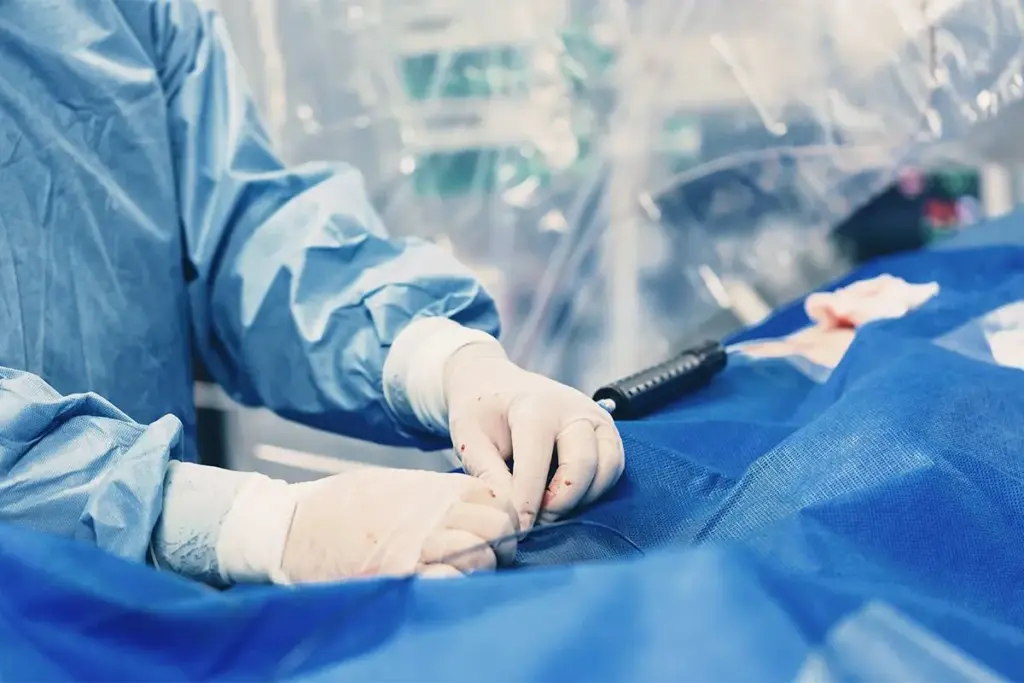
For those with severe aortic stenosis, TAVR is a less invasive option. It’s a procedure where a new aortic valve is put in using a catheter.
What is Transcatheter Aortic Valve Replacement?
Transcatheter Aortic Valve Replacement (TAVR) is a new way to treat aortic stenosis. This condition makes the aortic valve narrow, blocking blood flow. TAVR involves putting a catheter through an artery in the leg and guiding it to the heart. There, a new valve replaces the old one.
How TAVR Differs from Traditional Open-Heart Surgery
TAVR is different from traditional open-heart surgery. It’s less invasive.
Minimally Invasive Approach
Unlike open-heart surgery, which needs a big chest cut, TAVR uses small incisions. This causes less damage and helps heal faster.
Recovery Time Comparison
TAVR recovery is quicker than open-heart surgery. While open-heart surgery can take days to a week or more in the hospital, TAVR patients usually recover in a few days.
|
Procedure |
Recovery Time |
Invasiveness |
|---|---|---|
|
TAVR |
Few days |
Minimally invasive |
|
Open-Heart Surgery |
Several days to a week or more |
Invasive |
As technology gets better, TAVR keeps improving. A study in a top medical journal found that TAVR lowers death rates and improves life quality for those with severe aortic stenosis.
“TAVR has revolutionized the treatment of aortic stenosis, providing a less invasive option with quicker recovery times.”
The Standard Post-TAVR Care Pathway
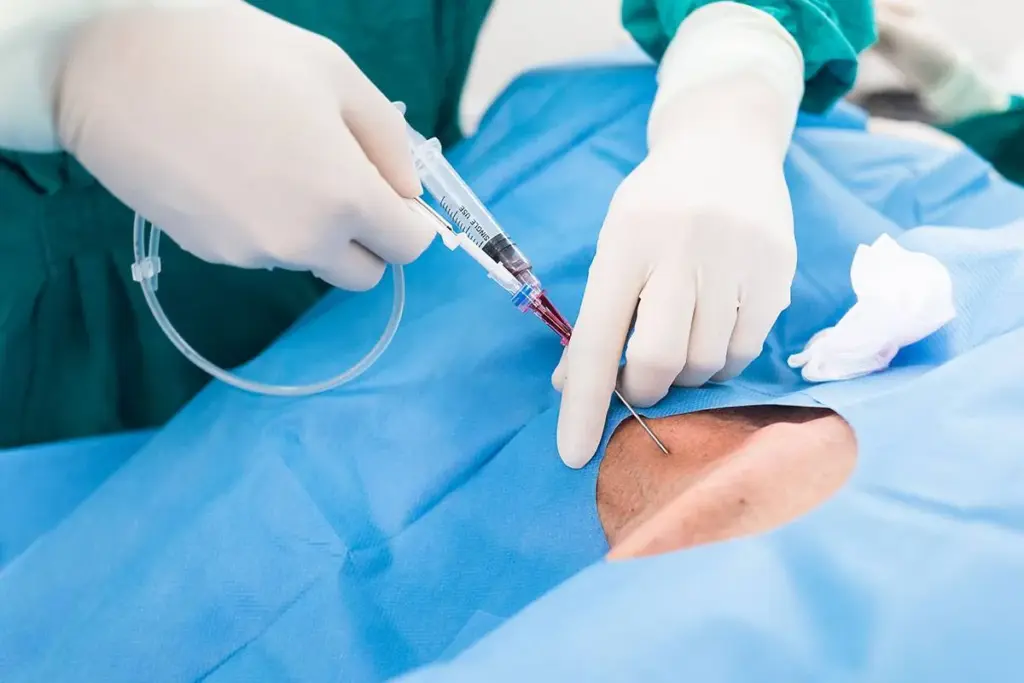
It’s important for patients and healthcare providers to understand the post-TAVR care pathway. This pathway helps ensure patient safety and optimal recovery after a TAVR procedure.
Immediate Recovery After the Procedure
Right after TAVR, patients go to a recovery area for close monitoring. Cardiac monitoring is key, using electrocardiography (ECG) to watch heart rhythm and catch any issues early.
Typical Monitoring Requirements
Post-TAVR monitoring focuses on the heart and the vascular access site.
Cardiac Monitoring
Continuous cardiac monitoring helps doctors spot and act on heart problems like arrhythmias or ischemia quickly.
Vascular Access Site Observation
Watching the vascular access site is vital to avoid and handle bleeding issues. Doctors look for any signs of bleeding or hematoma.
|
Monitoring Aspect |
Description |
Importance |
|---|---|---|
|
Cardiac Monitoring |
Continuous ECG monitoring |
Early detection of cardiac complications |
|
Vascular Access Site Observation |
Close observation for bleeding or hematoma |
Prevention and management of vascular complications |
Good post-TAVR care means working together. It ensures patients get the right monitoring and care to help them recover well.
Do You Go to ICU After TAVR?
Going to the ICU after TAVR isn’t always needed. Today, we focus more on personalized care. This makes care more efficient and tailored to each patient.
Historical Approach to Post-TAVR Care
Before, patients after TAVR always went to the ICU. This was because TAVR was seen as a risky procedure. They needed close monitoring and care.
Current Practices and Evolving Standards
Now, we’re moving toward minimalist approaches in post-TAVR care. Many places only send patients to the ICU if they’re at high risk or have complications.
Shift Toward Minimalist Approaches
The push for minimalist approaches aims to cut costs and reduce infection risks. It also aims to make patients more comfortable and improve their outcomes. Research shows that some patients can safely recover on regular wards or step-down units.
Hospital-Specific Protocols
Each hospital has its own rules for post-TAVR care. Protocols vary a lot because of different patient needs, resources, and doctor preferences.
|
Care Pathway |
Description |
Typical Patient Profile |
|---|---|---|
|
ICU Admission |
Close monitoring and intensive care |
High-risk patients or those with procedural complications |
|
Step-Down Unit |
Intermediate level of care |
Patients requiring monitoring but not intensive care |
|
Regular Ward |
Standard post-procedure care |
Low-risk patients with uncomplicated procedures |
The table shows the different paths for post-TAVR care. It shows how care changes based on patient risk and procedure results.
Factors That Determine ICU Admission After TAVR
Deciding if a patient needs ICU care after TAVR involves many factors. These include the patient’s health and the success of the procedure. Knowing these factors helps doctors make the best care plans.
Patient-Specific Risk Factors
Each patient’s risk for needing ICU care after TAVR is different. This depends on several factors.
Age and Comorbidities
Older patients or those with many health issues might need ICU care. They are more at risk for problems.
Cardiac Function Status
Patients with weak hearts before the procedure are at higher risk. They might need closer watch in the ICU.
Procedural Complications
Problems during or right after TAVR can mean ICU care is needed. These issues might include bleeding, heart stop, or damage to blood vessels.
Hospital Protocols and Available Resources
How a hospital decides on ICU care also matters. This includes the number of ICU beds and staff. Hospitals with more resources might have different rules for ICU admission.
In summary, deciding on ICU care after TAVR looks at the patient’s health, any procedure problems, and what the hospital can offer.
The Minimalist Approach: Avoiding ICU When Possible
A new way of caring for patients after TAVR is being tested. It aims to make patients better and use hospital resources wisely. This method tries to avoid ICU stays when it’s not needed.
Benefits of Non-ICU Recovery
Recovering outside the ICU after TAVR has many benefits. It can lower hospital bills and reduce the chance of getting sick in the hospital. This way, hospitals can use their resources better and keep patients safer.
Reduced Hospital Costs
One big plus of not using the ICU is saving money. Hospitals spend a lot on ICU care, like staff and equipment. By avoiding the ICU, they can cut down on these costs.
Decreased Risk of Hospital-Acquired Conditions
Not going to the ICU also means less chance of getting sick in the hospital. ICUs can be places where germs spread easily. Staying out of the ICU can help patients stay healthier.
Patient Selection for Direct Floor Transfer
Choosing the right patients for direct floor transfer is key. Doctors look at the patient’s health, how complex the TAVR was, and what the hospital can offer. This helps decide if a patient can safely recover outside the ICU.
|
Patient Factors |
Procedural Factors |
Hospital Resources |
|---|---|---|
|
Age and overall health |
Complexity of the TAVR procedure |
Availability of step-down units |
|
Presence of comorbidities |
Intra-procedural complications |
Staffing levels and expertise |
Fast-Track TAVR Protocols
Fast-track TAVR plans are made to make care quicker and easier. They involve a team effort before, during, and after the procedure. This teamwork helps patients recover better and faster.
By taking a minimalist approach to TAVR care, hospitals can do better for patients and save money. It’s important to pick the right patients and use fast-track plans carefully. This way, everyone wins.
When ICU Care is Necessary After TAVR
ICU care after TAVR isn’t always needed. But, some patient scenarios and complications might require it. Knowing when intensive care is needed is key for the best patient results.
High-Risk Patient Scenarios
Some patients face a higher risk of complications after TAVR. This includes those with severe comorbidities like advanced kidney disease, COPD, or significant coronary artery disease.
Severe Comorbidities
Patients with many comorbid conditions need closer watch. Their risk of complications after TAVR is higher. This makes ICU care important for their recovery and management.
Complex Cardiac Anatomy
Those with complex heart anatomy also benefit from ICU care after TAVR. Their heart issues can raise the risk of complications during the procedure.
Procedural Complications Requiring Intensive Care
Even with better TAVR technology, complications can happen. These might need ICU care for proper management.
Vascular Complications
Vascular issues, like major bleeding or injury, can occur during or after TAVR. These situations often need immediate and intensive care, making ICU stay necessary.
Conduction Abnormalities
After TAVR, some patients might develop heart rhythm problems. These could need close ICU monitoring, possibly needing temporary pacing or other treatments.
In summary, not all TAVR patients need ICU care. But, it’s vital to identify those at high risk or with complications. This ensures they get the right care. Understanding when ICU is needed helps healthcare providers manage patient care better and improve results.
Length of ICU Stay After TAVR
Knowing how long a patient stays in the ICU after TAVR is key. It helps set patient expectations and plan their care. The time in intensive care can differ a lot, depending on many factors.
Average Duration of Intensive Care
Research shows ICU stays after TAVR can last from hours to days. A study in a top medical journal reported a median stay of about 24 hours. But, this time can change based on the patient’s needs and hospital rules.
Factors That Extend ICU Time
Several things can make ICU stays longer after TAVR. These include:
Post-Procedural Complications
Issues like bleeding, vascular problems, or kidney injury can keep patients in the ICU longer.
Pre-Existing Conditions
Patients with serious health issues before TAVR might need more care. This can make their ICU stay longer.
|
Factor |
Impact on ICU Stay |
|---|---|
|
Post-Procedural Complications |
Increases ICU stay due to need for close monitoring and management |
|
Pre-Existing Conditions |
May require longer ICU stay for stabilization and management |
|
Age and Frailty |
Older, frailer patients may need extended care and monitoring |
Transition from ICU to Step-Down Unit
Deciding when to move a patient from the ICU to a step-down unit is important. It’s based on how stable they are and what care they need. A smooth move helps with recovery and makes hospital resources more efficient.
Patient Experiences: Recovery in ICU vs. Regular Floors
Knowing the difference between ICU and regular floor recovery is key for TAVR patients. Recovery from TAVR changes a lot, depending on where you stay. It’s either the ICU or a regular floor.
What to Expect in the ICU Environment
The ICU is a place where doctors watch you closely all the time. You’ll see machines that check your heart rate, blood pressure, and oxygen levels.
A patient might say, “Being in the ICU was a bit overwhelming at first, but the staff were very reassuring and explained everything that was happening.”
Family Visitation Policies
ICU visit rules can change from hospital to hospital. But, most let families visit when it’s best for them. They do this to keep everyone safe and help you rest.
Patient Testimonials and Perspectives
People who’ve stayed in both the ICU and regular floors share their stories. Some like the ICU for the extra care. Others find it too much and prefer the calm of a regular floor.
|
Aspect |
ICU Recovery |
Regular Floor Recovery |
|---|---|---|
|
Monitoring Level |
Highly monitored with continuous vital sign tracking |
Periodic monitoring with less intense care |
|
Staff Availability |
Specialists available at all times |
Staff available but less frequent specialist visits |
|
Family Visitation |
Generally flexible but may have restrictions |
More flexible visiting hours |
Choosing between ICU and regular floor recovery depends on your health and the hospital’s rules. Knowing these differences helps patients and families get ready for recovery.
Cost and Insurance Considerations for Post-TAVR Care
It’s important for patients and their families to understand the financial side of post-TAVR care. The cost can change a lot, depending on if you’re in the ICU or on regular floors.
ICU vs. Non-ICU Recovery Costs
The cost difference between ICU and non-ICU recovery is big. ICU stays are generally more expensive because of the high level of care. On the other hand, recovering on regular floors can be cheaper, if there are no complications.
Insurance Coverage for Different Care Pathways
Most insurance plans cover TAVR procedures, but how much they cover can vary. It’s key for patients to know what their insurance covers and what they might have to pay out of pocket.
Financial Planning for Your TAVR Procedure
Financial planning is essential for managing TAVR-related expenses. Patients should talk to their healthcare provider about insurance and what they might have to pay. This helps with planning.
Hospital-to-Hospital Variations in Post-TAVR Care
Post-TAVR care plans vary from hospital to hospital. This is due to different practices and resources. The type of hospital and its TAVR experience also play a role.
Academic vs. Community Hospital Approaches
Academic hospitals often lead in research and teaching. They might use more advanced care paths. On the other hand, community hospitals stick to well-established guidelines and local methods.
- Academic centers may have more detailed post-procedure monitoring.
- Community hospitals might aim for cost-effective, streamlined care.
High-Volume vs. Low-Volume TAVR Centers
Hospitals with more TAVR procedures tend to have better care paths. This can lead to better patient results.
Regional Differences in Care Standards
Healthcare policies and cultural factors vary by region. These differences affect post-TAVR care. It’s important to understand these to manage patient care and outcomes.
In summary, the differences in post-TAVR care show the need for tailored plans. It’s key to know the specific practices and resources at each hospital.
Research and Trends in Post-TAVR Care Pathways
TAVR is becoming more common, and understanding post-procedure care is key to better patient outcomes. Recent studies aim to improve care pathways, including ICU use after TAVR.
Recent Findings on ICU Utilization
Studies show different ICU admission rates post-TAVR. Some centers are more cautious, while others use ICU care more freely. A study in a top cardiology journal found that choosing ICU based on patient risk can save resources without harming outcomes.
Outcomes of Different Recovery Approaches
Studies have compared different recovery paths after TAVR. For low-risk patients, staying in a step-down unit or regular floor might be as good as ICU care. This could help lower healthcare costs.
|
Recovery Approach |
Patient Risk Level |
Average Length of Stay |
Complication Rate |
|---|---|---|---|
|
ICU Care |
High |
5 days |
15% |
|
Step-Down Unit |
Low/Moderate |
3 days |
8% |
|
Regular Floor |
Low |
2 days |
5% |
Future Directions in Post-TAVR Management
Future research will likely focus on tailoring care to each patient. This includes using advanced monitoring and streamlined care plans. These steps are expected to improve recovery after TAVR.
Conclusion
Transcatheter Aortic Valve Replacement (TAVR) has changed how we treat aortic stenosis. It’s a less invasive option compared to open-heart surgery. Post-TAVR care is key for the best results. Whether a patient goes to the ICU after TAVR depends on several factors.
These factors include the patient’s health, any complications during the procedure, and hospital rules. It’s important for healthcare teams to understand these aspects. This helps them make better decisions for their patients.
By knowing the benefits and risks of ICU admission, hospitals can improve care. They can also cut down on costs. In short, post-TAVR care needs a team effort. It’s about meeting each patient’s needs and using hospital resources wisely.
By summarizing the main points, healthcare providers can handle post-TAVR care better. This leads to better care and outcomes for patients.
FAQ
Is ICU admission required after TAVR?
Not always. Whether you need ICU care after TAVR depends on several things. These include your health risks, any complications during the procedure, and the hospital’s rules.
Do all TAVR patients go to the ICU?
No, not all TAVR patients need ICU care. Many can recover safely on regular floors. This is true for those with simple procedures and few health risks.
What determines whether a TAVR patient needs ICU care?
Deciding if a TAVR patient needs ICU care involves several factors. These include your health risks, any complications during the procedure, and the hospital’s rules and resources.
Are there benefits to avoiding ICU admission after TAVR?
Yes, avoiding ICU admission can save money and reduce the risk of getting sick in the hospital. It also makes for a more comfortable recovery for patients.
What is the minimalist approach to post-TAVR care?
The minimalist approach to post-TAVR care means less unnecessary care. It focuses on early movement and discharge. This often means avoiding ICU admission when it’s safe to do so.
How long do TAVR patients typically stay in the ICU?
The time spent in the ICU after TAVR varies. It can be a few hours to several days, depending on each patient’s needs.
What can I expect during recovery in the ICU after TAVR?
In the ICU, you’ll have close monitoring of your health. This includes watching your heart function and the site where the catheter was inserted. You’ll also get help for any complications or issues that come up.
How do hospital protocols influence post-TAVR care?
Hospital protocols are key in deciding how to care for you after TAVR. They help decide if you’ll go to the ICU or stay on a regular floor.
Are there differences in post-TAVR care between academic and community hospitals?
Yes, there are differences in post-TAVR care between academic and community hospitals. This is due to differences in resources, protocols, and expertise.
How do insurance coverage and costs impact post-TAVR care?
Insurance coverage and costs play a big role in post-TAVR care. ICU care is often more expensive than care on regular floors. Insurance coverage can vary based on the care pathway chosen.
What are the current trends and research in post-TAVR care pathways?
Research is ongoing to improve post-TAVR care pathways. This includes reducing ICU use, better outcomes, and more efficient and cost-effective care.
Do TAVR patients require ICU monitoring after the procedure?
Not always. While some patients need ICU monitoring, others can be safely cared for on regular floors. This depends on their health and the care needed.
Is ICU care necessary after TAVR for high-risk patients?
For high-risk patients, ICU care may be needed. This is to manage any complications and ensure the best outcomes.
Can TAVR patients be transferred directly to a step-down unit instead of the ICU?
In some cases, yes. Stable patients who need less care can be moved to a step-down unit. This avoids the ICU.
How do fast-track TAVR protocols impact post-procedure care?
Fast-track TAVR protocols aim to make post-procedure care quicker. They reduce ICU use and promote earlier discharge. This keeps care safe and effective.
References
National Center for Biotechnology Information. Evidence-Based Medical Insight. Retrieved from https://pubmed.ncbi.nlm.nih.gov/38876433/