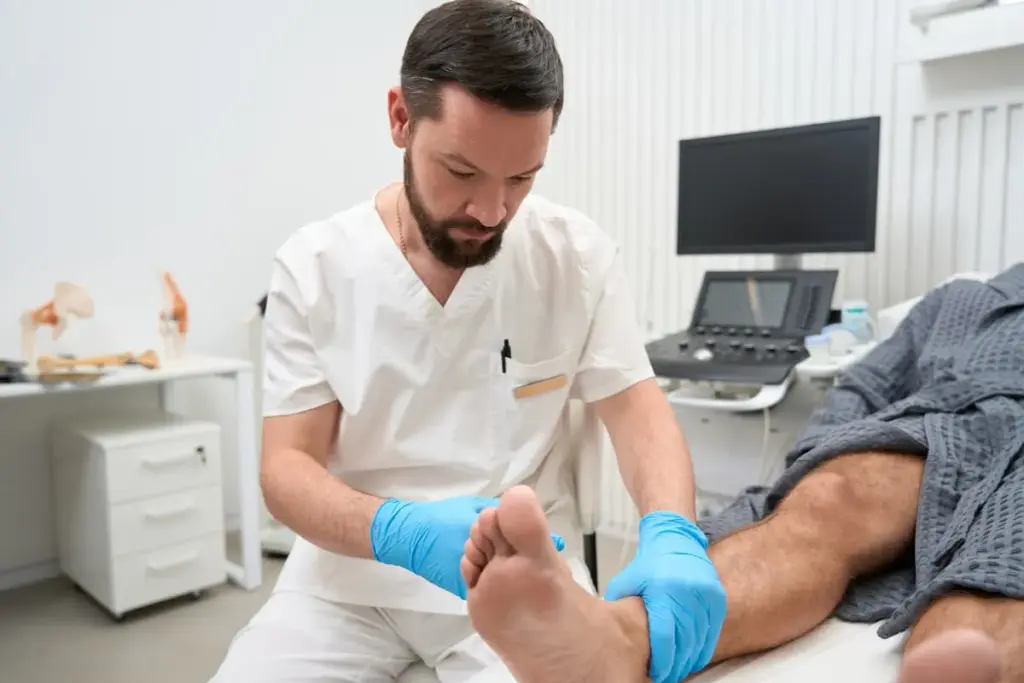
Ankle injuries are common, and chronic ones might need ankle ligament reconstruction. This helps restore stability and lowers the risk of future injuries. At Liv Hospital, we know how tough ankle injuries can be. The idea of surgery can be scary.
Whether surgery is needed for torn ankle ligaments depends on the injury’s severity and how well you heal. Most ankle sprains get better with conservative treatment methods. But sometimes, surgery is the only option.
We focus on top-notch healthcare and support for international patients. In this article, we’ll look at different ankle sprain types, symptoms, diagnosis, and treatment options.
Key Takeaways
- Torn ankle ligaments can often heal without surgery through conservative treatment methods.
- The need for surgical intervention depends on the severity of the injury and individual healing response.
- Most ankle sprains respond well to conservative treatment.
- Surgical intervention may be required in some cases.
- Ankle ligament reconstruction may be necessary for chronic ankle injuries.
Understanding Ankle Ligament Injuries
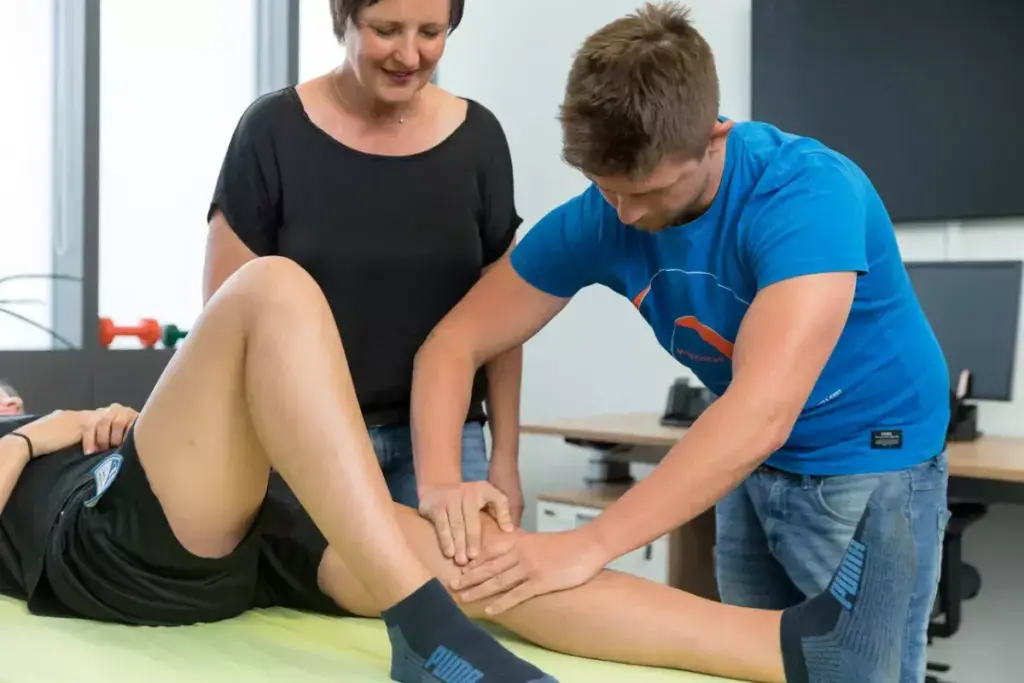
It’s important to know about ankle ligament injuries to choose the right treatment. The ankle has several key ligaments. These ligaments help keep the ankle stable and prevent too much movement. The anterior talofibular ligament (ATFL) is often hurt in ankle sprains.
Types of Ankle Sprains: Grade 1, 2, and 3
Ankle sprains are divided into three grades. Grade 1 sprains have little damage. Grade 2 sprains have a partial tear. Grade 3 sprains have a complete tear. Most ankle sprains, including many Grade 1 and Grade 2, can be treated without surgery.
Common Symptoms and Diagnosis
Symptoms of ankle sprains can vary. They can range from mild pain and swelling to serious instability and bruising. The severity of symptoms often matches the grade of the sprain. Doctors usually diagnose by physical exam and sometimes with an MRI to see how bad the damage is.
Knowing how bad your ankle injury is is key to the right treatment. By figuring out the grade of your sprain, we can make a treatment plan just for you. This plan might include non-surgical options or more medical steps.
Do You Need Surgery for Torn Ligaments in Ankle?

Deciding if you need surgery for ankle ligament injuries depends on many factors. Knowing these factors is key to making the right choice for your treatment.
When Surgery Is Rarely Needed
Most ankle sprains, like Grade 1 and Grade 2, can be treated without surgery. The RICE protocol (Rest, Ice, Compression, Elevation) and physical therapy help regain strength and mobility. Many ankle sprains can be treated without surgery.
Doctors say most ankle sprains can be treated without surgery. Surgery is usually for more severe cases or when other treatments don’t work.
“Surgery is typically considered for patients with severe ankle instability or those who have failed conservative management.”
Indicators That Surgical Intervention Might Be Necessary
But, for Grade 3 sprains or when other treatments don’t work, surgery might be needed. Signs that surgery could be necessary include persistent instability, recurring injuries, or when other treatments fail. If your ankle keeps feeling unstable or you keep getting injured, surgical options might be considered.
| Indicators for Surgery | Description |
| Persistent Instability | Feeling of ankle instability or “giving out” |
| Recurring Injuries | Frequent ankle sprains or injuries |
| Failure of Conservative Management | No improvement with conservative treatment |
Grade 3 ankle sprains might need surgery if other treatments don’t work after six months. Ankle ligament reconstruction is needed when other treatments can’t provide stability.
Knowing when surgery might be needed and talking to a healthcare professional can help you decide. We aim to guide you through your treatment options.
Conservative Treatment Approaches
Torn ankle ligaments can often be treated without surgery. We start with simple, non-invasive methods. These help the ankle heal and function better.
Initial RICE Protocol
The first step is the RICE protocol: Rest, Ice, Compression, and Elevation. It reduces pain and swelling, aiding in healing. For a grade 2 ankle sprain, RICE is key in the early stages.
- Rest: Stay away from activities that hurt.
- Ice: Ice helps lessen swelling.
- Compression: A bandage compresses the ankle.
- Elevation: Keep the ankle higher than your heart.
Physical Therapy and Rehabilitation
After RICE, physical therapy is essential. It strengthens ankle muscles, improves balance, and increases motion. A progressive therapy program is recommended for full recovery.
- Exercises to strengthen ankle muscles.
- Training for balance and proprioception.
- Motions exercises.
Natural Healing Process and Timeline
The healing time for torn ankle ligaments varies. Mild sprains (grade 1) heal in weeks. Severe sprains (grade 2 or 3) may take months. Knowing the healing timeline helps manage recovery.
Many people recover from a torn ankle ligament without surgery. Following a detailed treatment plan is key. We’re here to support you every step of the way.
Conclusion: Making an Informed Treatment Decision
It’s important to understand how severe your ankle ligament injury is. Knowing the treatment options helps you make a smart choice about your care. Whether it’s a minor sprain or a severe tear, knowing when surgery is needed is key to your recovery.
Deciding on surgery for a sprained ankle depends on your personal experience and how well conservative treatments work. Many people find that a grade 3 ligament tear heals with the right rehab and physical therapy. But sometimes, surgery is needed to fix ankle stability and avoid more injuries.
We’re here to help you make this important decision. We offer top-notch support and healthcare to guide you. Our team is focused on giving you care that fits your needs and helps you recover the best way possible.
FAQ
Do you need surgery for torn ligaments in ankle?
Not always. Most ankle sprains, including many Grade 1 and Grade 2 sprains, get better with conservative treatment. But, for Grade 3 sprains or when treatment fails, surgery might be needed.
Does a grade 3 sprain require surgery?
Not necessarily. Grade 3 sprains are severe, with a complete tear. But, many can heal with treatment. Surgery is considered if there’s ongoing instability, repeated injuries, or treatment failure.
Can a torn ankle ligament heal on its own?
Yes, many torn ankle ligaments can heal with the right treatment. This includes the RICE protocol and physical therapy. Healing success depends on injury severity and individual healing.
How to know if I need ankle surgery?
You might need surgery if you have ongoing instability, keep getting injured, or treatment doesn’t work. A healthcare professional should evaluate you to decide the best treatment.
Can you walk on a grade 2 ankle sprain?
Walking on a Grade 2 ankle sprain might hurt, but it’s doable. It’s key to follow a treatment plan that includes rest, ice, compression, and elevation. Then, physical therapy helps healing and prevents more injury.
Can a grade 3 ligament tear heal on its own?
A Grade 3 ligament tear might heal without treatment, but it’s unlikely. Proper treatment, like immobilization and physical therapy, is needed to support healing.
Is surgery necessary for a sprained ankle?
Usually, surgery isn’t needed for a sprained ankle. Most sprains get better with treatment. But, in severe cases or when treatment doesn’t work, surgery might be an option.
Can you walk with torn ligaments in ankle?
Walking with torn ligaments in the ankle can be hard, depending on the injury. Sometimes, it’s possible, but getting medical help is important. They can guide the best treatment and prevent more harm.
References
National Center for Biotechnology Information. Evidence-Based Medical Insight. Retrieved from https://pmc.ncbi.nlm.nih.gov/articles/PMC6602388/[7