
Knowing if you need to fast for an A1C test is key for diabetes checks. The A1C test doesn’t need fasting, which makes it easy and handy. It shows your blood sugar levels over three months.
The A1C test, or glycated hemoglobin test, looks at your blood sugar over 2-3 months. Getting ready for medical tests can be tricky, and fasting rules can be confusing.
Get the definitive answer: do you need to fast for an a1c test? Understand why the A1C test is convenient (no fasting needed) and what it measures clearly.
Key Takeaways
- The A1C test does not require fasting, making it more convenient than other diabetes tests.
- It measures your average blood glucose levels over the past 2-3 months.
- The test is a simple blood test that can be taken at any time.
- You can eat and drink as usual before the A1C test.
- The A1C test is a valuable tool for diabetes management and monitoring.
What Is an A1C Test?
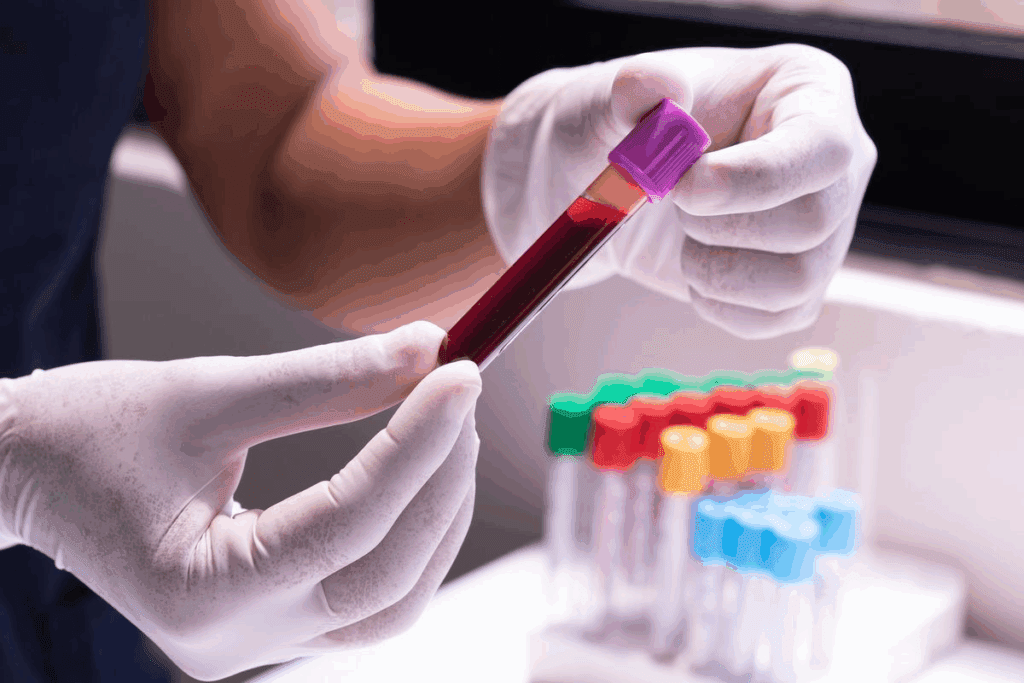
Understanding the A1C test is key for managing diabetes well. The A1C test, also known as the hemoglobin A1C test, is a simple blood test. It measures average blood glucose levels over the past 2-3 months.
The A1C test is important because it shows a patient’s glucose control over time. It helps doctors diagnose and manage diabetes better. Unlike daily blood glucose monitoring, the A1C test gives a broader view of glucose control.
How the A1C Test Measures Average Blood Glucose
The A1C test measures the percentage of hemoglobin in red blood cells with glucose attached. Hemoglobin is a protein in red blood cells that carries oxygen. When glucose is present, it binds to hemoglobin, forming glycated hemoglobin.
The more glucose in the blood, the higher the percentage of glycated hemoglobin. This shows how well glucose levels have been controlled.
Why A1C Tests Are Important for Diabetes Management
A1C tests are vital for managing diabetes because they show long-term blood glucose control. This helps doctors adjust treatment plans. Regular A1C testing can also help spot patterns and trends in glucose levels.
The Science Behind Hemoglobin A1C
Hemoglobin A1C is formed when glucose molecules bind to hemoglobin in red blood cells. The lifespan of red blood cells is about 120 days. So, the A1C test reflects average glucose levels over this period.
Do You Need to Fast for an A1C Test?
Getting ready for an A1C test is easy, and you don’t need to fast. This makes it simpler for patients, as they can eat and drink as usual before the test. The A1C test shows your blood sugar levels over the last 3 months. It gives a clear view of how well you’re managing your glucose.
Why Fasting Isn’t Required for A1C Testing
The A1C test doesn’t need fasting because it looks at your blood sugar over 3 months, not just at the test time. It’s different from tests that check your sugar level right then. The test looks at how much glucose is attached to your red blood cells. This shows your average glucose level over 3 months.
The Three-Month Blood Sugar Average Advantage
The A1C test’s big plus is it shows your blood sugar levels over 3 months. This long view helps doctors see how well you’re managing your diabetes over time, not just at one moment. It’s great for spotting trends and patterns in your blood sugar.
To see why the A1C test is good, let’s compare it with other diabetes tests:
| Test Type | Fasting Required | Measures |
|---|---|---|
| A1C Test | No | Average blood glucose over 3 months |
| Fasting Blood Glucose | Yes | Current blood glucose level |
| Oral Glucose Tolerance Test | Yes | Body’s ability to regulate blood glucose after a sugary drink |
Common Misconceptions About A1C Test Preparation
Many think they must fast or change their diet before an A1C test. But, this isn’t true. The test looks at your average glucose levels over time. So, what you eat or drink won’t change the results much.
Understanding Different Diabetes Blood Tests
It’s important to know about the different diabetes blood tests. The A1C test is helpful, but it’s not the only one. Other tests, like the fasting blood glucose and the oral glucose tolerance test, give us more information about blood sugar levels.
These tests help doctors diagnose and manage diabetes. Let’s look at how they compare to the A1C test.
Fasting Blood Glucose Test Requirements
The fasting blood glucose test checks blood sugar after not eating for at least 8 hours. Patients must not eat or drink anything (except water) before the test.
This test helps find diabetes and prediabetes. A blood sugar level of 126 mg/dL or higher means you might have diabetes.
Oral Glucose Tolerance Test Procedures
The oral glucose tolerance test (OGTT) checks how well the body uses insulin after drinking a sugary drink. Here’s what happens:
- A fasting blood glucose measurement is taken.
- The patient drinks a glucose-rich beverage.
- Blood glucose levels are checked again after 1-2 hours.
This test is used to find gestational diabetes in pregnant women. It also checks for insulin resistance.
Random Blood Glucose Test Considerations
A random blood glucose test checks blood sugar at any time. It’s used in emergencies or when symptoms of high or low blood sugar appear.
Even though it’s not a standalone test, a random blood glucose level over 200 mg/dL with symptoms like thirst and urination might mean diabetes.
How A1C Testing Differs from Other Diabetes Tests
The A1C test is different in several ways:
| Test | Measures | Preparation Required |
|---|---|---|
| A1C Test | Average blood glucose over 3 months | No fasting required |
| Fasting Blood Glucose | Blood glucose at a single point in time | Fasting required |
| Oral Glucose Tolerance Test | Body’s response to glucose | Fasting required |
| Random Blood Glucose | Blood glucose at any time | No preparation needed |
Knowing these differences helps doctors pick the best test for each patient. This ensures accurate diagnosis and effective diabetes care.
How to Check Your A1C
Checking your A1C levels is key to managing diabetes. There are many ways to do it now. A1C testing has become more accessible, giving patients options that fit their needs.
Before, A1C tests were mainly done through blood draws at labs. But now, at-home kits and tests at doctor’s offices are also common.
Laboratory Blood Draw Methods
Laboratory blood draws are a common way to test A1C. A healthcare professional takes a blood sample from your arm. Then, the sample goes to a lab for analysis.
This method is very accurate. But, it might need a separate visit to a lab. You’ll also have to wait for the results.
“The laboratory method for A1C testing is the gold standard. It’s very accurate and reliable.”
NATIONAL DIABETES EDUCATION PROGRAM
At-Home A1C Testing Options
At-home A1C testing kits are popular now. They let you check your A1C levels at home. These kits use a fingerstick blood sample sent to a lab.
Some kits give results right away. Others need to be mailed to a lab. Always follow the kit’s instructions for accurate results.
Point-of-Care A1C Testing at Doctor’s Offices
Many doctor’s offices now offer point-of-care A1C testing. This lets you get results right away during your visit. It uses a small blood sample from a fingerstick and a special device.
This method is great for doctors to make quick decisions. It also means you don’t have to go to a separate lab.
| Testing Method | Accuracy | Convenience |
|---|---|---|
| Laboratory Blood Draw | High | Moderate |
| At-Home Testing Kits | High | High |
| Point-of-Care Testing | High | High |
In conclusion, there are many ways to check your A1C levels. Each has its own benefits. Whether it’s a lab test, an at-home kit, or a doctor’s office test, the important thing is to test regularly.
Understanding Your A1C Results
Your A1C test result is more than just a number. It shows your blood sugar control over the past three months. Knowing what this number means is key to managing your diabetes or prediabetes well.
How A1C Percentages Relate to Average Blood Sugar
The A1C test measures your blood sugar over 2-3 months. It looks at how much glucose is attached to hemoglobin in red blood cells. The result is a percentage, with higher numbers showing higher blood sugar levels.
An A1C of 7% means 7% of your hemoglobin has sugar attached. This means your average blood sugar was about 154 mg/dL in the past months.
Here’s a breakdown of how A1C percentages relate to average blood glucose levels:
- A1C of 6% corresponds to an average blood glucose of 126 mg/dL
- A1C of 7% corresponds to an average blood glucose of 154 mg/dL
- A1C of 8% corresponds to an average blood glucose of 183 mg/dL
- A1C of 9% corresponds to an average blood glucose of 212 mg/dL
- A1C of 10% corresponds to an average blood glucose of 240 mg/dL
The A1C-eAG Conversion Chart
Healthcare providers use an A1C-eAG conversion chart to understand your A1C results better. eAG stands for “estimated Average Glucose.” It changes your A1C percentage into an average glucose level in mg/dL or mmol/L.
For example, an A1C of 7% is the same as an eAG of 154 mg/dL. This chart helps patients and doctors understand A1C results in more familiar terms. It makes it easier to set and track target glucose levels.
What Your A1C Number Means for Your Health
Your A1C number tells you about your risk of diabetes-related complications. The closer your A1C is to normal, the lower your risk of heart disease, kidney damage, and nerve damage.
“The A1C test is a powerful tool for managing diabetes. It gives us a long-term view of blood sugar control, which is essential for making informed decisions about treatment plans.”
For people with diabetes, an A1C level below 7% is considered good control. But targets can vary based on age, other health conditions, and how long you’ve had diabetes.
Key takeaways:
- Understanding your A1C results helps you manage your diabetes or prediabetes.
- A1C percentages correspond to average blood glucose levels over the past 2-3 months.
- The A1C-eAG conversion chart translates A1C into average glucose levels in mg/dL or mmol/L.
Normal A1C Ranges Explained
Understanding your A1C test results is key. It shows your blood sugar levels over three months. This gives a clear view of your blood sugar control.
To grasp your A1C results, knowing the ranges is vital. The American Diabetes Association (ADA) sets these guidelines. Healthcare professionals use them to guide patient care.
Normal A1C Range for Non-Diabetics
For those without diabetes, an A1C under 5.7% is normal. This means your blood sugar levels are healthy. It lowers the risk of diabetes-related problems.
The ADA says an A1C under 5.7% is normal. It means your average glucose is under 117 mg/dL. Keeping your A1C in this range is important for your health.
Prediabetes A1C Range
A1C levels between 5.7% and 6.4% show prediabetes. This is when blood sugar is higher than normal but not diabetes level. Prediabetes raises the risk of type 2 diabetes and heart disease.
The ADA calls prediabetes a risk for type 2 diabetes and heart disease. Early action can stop type 2 diabetes. Changing your diet and exercise can help a lot.
Diabetes A1C Range
An A1C of 6.5% or higher means diabetes. This level shows your glucose is 126 mg/dL or higher. It shows you might not be making enough insulin or are resistant to it.
If your A1C shows diabetes, you need a second test to confirm. Knowing your A1C is key to managing diabetes well. It helps avoid serious health issues.
Here’s a table to show the A1C ranges and what they mean:
| A1C Range | Average Glucose (mg/dL) | Interpretation |
|---|---|---|
| Below 5.7% | Less than 117 | Normal |
| 5.7% to 6.4% | 117 to 140 | Prediabetes |
| 6.5% and above | 126 and above | Diabetes |
Medical Expert. Nathan said, “The A1C test is key for diabetes diagnosis and management. It shows long-term blood sugar control.”
“The A1C test helps doctors check treatment success. It guides patient care decisions.”
How Often Should You Get an A1C Test?
The A1C test frequency depends on your health and diabetes risk. Knowing when to get tested helps manage your health better.
Recommendations for Adults Without Diabetes
Adults without diabetes should get tested every three years if they’re 45 or older. If you’re younger but have risk factors like being overweight, your doctor might suggest more frequent tests.
Testing Frequency for People with Prediabetes
Those with prediabetes should get tested every 1 to 2 years. This helps track your condition and catch diabetes early.
Testing Schedule for People with Diabetes
Diabetes patients need to test A1C levels based on their treatment and blood sugar control. The American Diabetes Association advises:
- Testing twice a year if your blood sugar is stable and you’re meeting your goals.
- Testing every quarter if you’re not meeting your goals or if your treatment has changed.
Special Considerations for Testing Frequency
Some situations require more A1C tests. For example, if you’re pregnant or have a condition that affects your hemoglobin, your doctor might adjust your schedule.
| Health Status | Recommended A1C Testing Frequency |
|---|---|
| Adults without diabetes (45+ or with risk factors) | At least every 3 years |
| Prediabetes | Every 1 to 2 years |
| Diabetes (stable and meeting goals) | At least twice a year |
| Diabetes (not meeting goals or changed treatment) | Quarterly |
Always follow your doctor’s advice on A1C testing. They can tailor guidance to your specific health needs.
Factors That Can Affect Your A1C Results
Many things can change your A1C results, not just your blood sugar. The A1C test is good for checking glucose control over time. But, some medical conditions, medications, and lifestyle choices can also play a part. Knowing about these factors helps you understand your A1C readings better and manage your diabetes well.
Medical Conditions That Impact A1C Readings
Some medical conditions can make A1C readings less accurate. For example, conditions that change how red blood cells work or hemoglobin levels can affect results. These include:
- Anemia
- Hemoglobin variants (e.g., sickle cell trait or thalassemia)
- Recent blood loss or transfusion
- Chronic kidney disease
- Liver disease
If you have any of these conditions, talk to your healthcare provider about how they might affect your A1C results.
Medications That May Influence Results
Some medicines can change A1C results. They might affect how red blood cells work or interfere with the test. Examples include:
- Certain antibiotics
- Medications that affect red blood cell production
- Some antiretroviral drugs
Tell your healthcare provider about all the medicines you’re taking. This helps them understand any possible effects on your A1C results.
Lifestyle Factors That Affect A1C Levels
What you do every day can also impact your A1C results. These include:
- Diet: Changes in what you eat can change your blood glucose levels and A1C.
- Exercise: Regular exercise can lower your A1C by making your body more sensitive to insulin.
- Stress: Ongoing stress can also affect your blood glucose levels.
Choosing a healthy lifestyle can help keep your A1C levels in check.
When to Question Unexpected A1C Results
If your A1C results are different from what you expected, talk to your healthcare provider. They can figure out if there’s something else going on and suggest what to do next.
Conclusion: Managing Your Health Through A1C Testing
A1C testing is key for spotting and handling diabetes and prediabetes. It shows how well glucose levels have been controlled over time. Knowing about A1C tests helps people take charge of their health.
Using A1C tests well lets doctors and patients make smart choices about treatment. This guide has given you the tools to understand A1C testing and its role in health care.
With A1C testing insights, people can manage their diabetes better. This reduces the chance of serious problems and boosts their life quality. We want you to know that using A1C tests is vital for diabetes care.
FAQ
Do I need to fast for an A1C test?
No, fasting is not needed for an A1C test. It shows your blood sugar levels over 2-3 months, not right now.
What is a normal A1C range for non-diabetics?
Non-diabetics should have an A1C below 5.7%. Levels between 5.7% and 6.4% mean you might have prediabetes. Anything 6.5% or higher could mean diabetes.
How often should I get an A1C test if I have diabetes?
People with diabetes should get tested every 3-6 months. This depends on their treatment and how well they control their sugar.
Can certain medical conditions affect A1C results?
Yes, some health issues like anemia or certain blood types can change A1C readings. Always talk to your doctor about any health conditions.
What is the A1C-eAG conversion chart?
The A1C-eAG chart shows how A1C percentages relate to blood sugar levels in mg/dL or mmol/L. It helps understand your average blood sugar better.
Is an A1C of 5.4 considered good?
Yes, an A1C of 5.4 is good. It shows you’re controlling your blood sugar well.
How does the A1C test compare to other diabetes tests?
The A1C test looks at your blood sugar over 2-3 months. Other tests, like fasting blood glucose, show sugar levels at one time.
Can lifestyle factors influence A1C levels?
Yes, your diet and exercise can change your A1C levels. A healthy lifestyle helps manage your blood sugar.
What are the different methods of A1C testing?
You can get an A1C test through blood draws, at-home kits, or at your doctor’s office. There are many ways to get tested.
How do I interpret my A1C percentage?
Your A1C percentage shows your blood sugar levels over 3 months. Knowing your A1C helps you manage your health better.
References
National Center for Biotechnology Information. A1C Test: Fasting Not Required for Diabetes Monitoring. Retrieved from https://www.ncbi.nlm.nih.gov/pmc/articles/PMC2890379/