

Many people wonder if kidney stones come out through pee or poop. The truth is, kidney stones leave your body through pee. People often ask, do you poop out kidney stones, but they actually exit when you urinate.
We will look into how kidney stones leave the body. We’ll answer the question of whether they go through pee or poop. Knowing how a kidney stone moves from start to finish is key to managing and stopping this painful issue.
Key Takeaways
- Kidney stones pass through the urinary system and exit the body mainly through pee.
- Most kidney stones small enough to pass naturally move from the kidney to the bladder via the ureter.
- The journey of a kidney stone can be painful. But knowing what to expect can help.
- Kidney stones are common. Some people are more likely to get them.
- It’s important to know how to manage and prevent kidney stones, if you’ve had them.
Understanding Kidney Stones: The Basics

Kidney stones, also known as renal calculi, are hard mineral deposits that form inside the kidneys. They can cause severe pain, discomfort, and other complications. It’s important to know what they are and how they form.
What Are Kidney Stones?
Kidney stones are made up of minerals and salts that accumulate in the kidneys. They can vary in size, shape, and composition. The most common types include:
- Calcium stones, often in the form of calcium oxalate
- Uric acid stones
- Struvite stones
- Cystine stones
As Medical Expert, a nephrologist, notes,
“The type of kidney stone a person gets can often give clues about the underlying causes and help guide treatment.”
How Kidney Stones Form
The formation of kidney stones is a complex process. Dehydration, diet, and genetic predisposition play key roles. When the urine becomes concentrated, minerals can crystallize and form stones.
Understanding these basics is key for prevention and treatment. Knowing what causes kidney stones helps individuals reduce their risk.
Do You Poop Out Kidney Stones? The Truth About Stone Passage
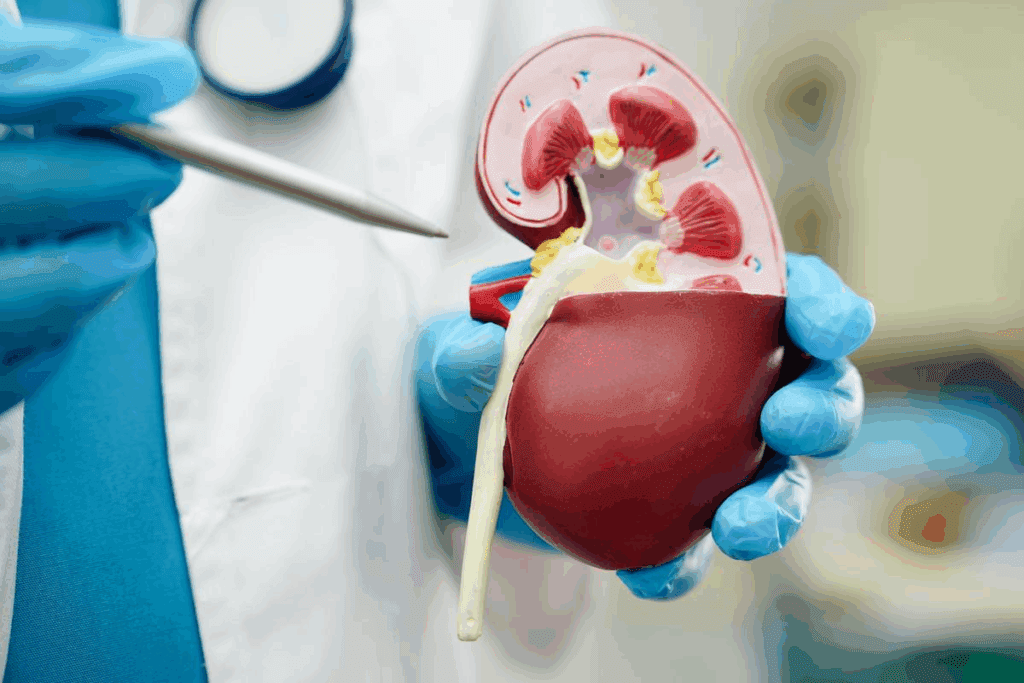
Kidney stones are often misunderstood, with many thinking they come out in feces. But, they actually pass through urine. We’ll explain how they move through the urinary tract.
The Urinary Tract Journey
Kidney stones start in the kidneys, formed by minerals and salts. When they break loose, they move into the urinary tract. This system filters waste and excess fluids from our body.
The urinary tract includes the kidneys, ureters, bladder, and urethra. As a stone travels, it goes from the kidney to the ureter. The ureter pushes the stone toward the bladder through muscle contractions.
Why Kidney Stones Exit Through Urine, Not Stool
The urinary system is different from the digestive system. Kidney stones form in the kidneys and pass through the urinary tract. They leave the body through urine.
Here’s why kidney stones aren’t passed through stool:
- The urinary and digestive systems are separate, with different pathways and functions.
- Kidney stones form in the kidneys, which are part of the urinary system.
- The ureters connect the kidneys to the bladder, providing a direct route for stones to exit through urination.
Knowing that kidney stones are passed through urine can help clear up confusion. Passing a stone is usually during urination and can be very painful.
To manage and prevent kidney stones, staying hydrated and eating a balanced diet is key. If symptoms get worse, see a doctor. These steps can help reduce the risk of kidney stones and ease the pain of passing them.
The Journey of a Kidney Stone Through Your Body
The journey of a kidney stone through the body is complex. It involves several stages in the urinary system. Understanding the urinary tract and its parts is key to grasping this process.
From Kidney to Ureter
A kidney stone starts in the kidney. It forms due to factors like urine concentration, mineral imbalance, or genetics. Once formed, it moves into the ureter, a tube connecting the kidney to the bladder.
This move can be painful. The stone may irritate or block the ureter. The ureter uses wave-like movements to push the stone towards the bladder.
As the stone moves, it can cause severe pain. This pain often starts in the back or side and moves to the lower abdomen or groin.
Through the Bladder and Urethra
The stone then stays in the bladder before being expelled. The bladder stores urine and signals when it’s full. When full, it’s time to urinate.
During urination, the stone is flushed out through the urethra. This is the tube that carries urine from the bladder out of the body. As the stone exits, people may feel relief, but some discomfort can remain.
The process of peeing out a kidney stone is challenging. But it marks the end of the stone’s journey through the urinary tract.
Knowing the path of kidney stones located in the urinary system helps in understanding the challenges faced. It allows individuals to better cope with discomfort and seek medical care when needed.
- The journey of a kidney stone involves several stages, from formation in the kidney to exit through the urethra.
- The stone moves from the kidney into the ureter, causing pain and discomfort.
- The ureter uses peristalsis to push the stone towards the bladder.
- After residing in the bladder, the stone is expelled during urination.
How Common Are Kidney Stones?
Kidney stones are more common than many people think. They have a big impact on public health. We will look at how common they are, including data from the United States and trends over time.
Prevalence Statistics in the United States
About 9.9 to 10.1 percent of Americans have had kidney stones. This shows how widespread kidney stones are in the country. Here are some key statistics:
| Year | Prevalence Rate |
| 1994 | 5.2% |
| 2012 | 10.1% |
| 2020 | 9.9% |
Increasing Rates Over Time
Kidney stone rates have gone up a lot, starting from 1994. Changes in diet, lifestyle, and possibly the environment are reasons. Knowing this helps healthcare and policy makers plan better.
Watching these trends is key for public health and healthcare. By looking at the data and understanding why kidney stones are more common, we can try to lower their impact.
Age and Gender: Who Gets Kidney Stones Most Often?
Looking into who gets kidney stones involves age and gender. These stones are a big health problem for many people. But some groups are more likely to get them.
Men vs. Women: Comparing Prevalence
Studies show men get kidney stones more often than women. About 10.6% of men will get them, while women have a rate of 7.1%. This shows that gender affects the risk of getting kidney stones, with men being more at risk.
Age-Related Risk Factors
Age is also key in who gets kidney stones. The risk goes up as people get older, mainly for those between 30 and 60. As we age, our bodies change in ways that can lead to stones, like less concentrated urine and changes in what we eat.
The highest number of kidney stones happens in the 40s and 50s. This is due to many factors, like lifestyle, diet, and health issues that get more common with age.
Knowing who is at higher risk helps doctors prevent and treat kidney stones better. They can give advice and treatments that help lower the number of stones.
Health Conditions Associated with Kidney Stones
Certain health conditions can increase the risk of kidney stones. We will look at how these conditions lead to stone formation. This is important for those at risk.
Obesity and Kidney Stone Risk
Obesity is a big risk factor for kidney stones. Studies show that obese people are more likely to get kidney stones. This is because obesity changes urine composition and increases substances that help stones form. The link between obesity and kidney stones is well-documented, showing the need for a healthy weight to lower stone risk.
Diabetes and Metabolic Syndrome Connections
Diabetes and metabolic syndrome also raise kidney stone risk. These conditions change urine chemistry, making stones more likely. Insulin resistance, common in both, is key in this process. Effective management of these conditions is vital to prevent kidney stones.
A study found, “Diabetes and metabolic syndrome change the urinary environment, favoring kidney stone formation.”
“The increasing prevalence of diabetes and metabolic syndrome may contribute to the rising incidence of kidney stones.”
Knowing the links between these conditions and kidney stones helps individuals take action. By managing obesity, diabetes, and metabolic syndrome, people can lower their stone risk. Lifestyle changes and medical treatment are key.
Signs and Symptoms of Passing Kidney Stones
Passing a kidney stone is very painful. It comes with many symptoms. Knowing these signs helps you get the right medical care.
Pain Patterns and Locations
The pain from a kidney stone is often very bad. It can spread to different places. Here are some common pain patterns:
- Sharp, cramping pain in the back and side, often radiating to the lower abdomen or groin
- Pain that comes in waves and fluctuates in intensity
- Pain or burning sensation while urinating
The pain’s location changes based on the stone’s position in the urinary tract.
Urinary Symptoms
Passing a kidney stone also brings urinary symptoms. These include:
- Frequent urination
- Urgency to urinate
- Blood in the urine (hematuria)
- Cloudy or foul-smelling urine
These symptoms happen because the stone irritates the urinary tract. They can be uncomfortable and distressing.
When to Seek Medical Attention
While some kidney stones pass without issues, others need quick medical help. Get help if you have:
- Severe pain that doesn’t subside
- Fever and chills
- Vomiting
- Blood in the urine
- Difficulty urinating
Seeing a doctor quickly can prevent problems and ensure the right treatment.
Can You Have Kidney Stones in Both Kidneys?
Bilateral kidney stones are less common but pose a unique challenge. They affect both kidneys, unlike most kidney stones that hit one. We’ll look into why this happens, how often it does, and what it means for those affected.
Bilateral Kidney Stones: Causes and Frequency
Bilateral kidney stones mean you have stones in both kidneys. This is less common than having stones in just one kidney. It’s a big deal because it can hurt your kidneys and make pain harder to manage. The reasons for this can include your genes, what you eat, and other health issues.
Key factors contributing to bilateral kidney stones include:
- Genetic predisposition
- Dietary habits
- Underlying health conditions like hyperparathyroidism or urinary tract infections
- Dehydration
Special Considerations for Multiple Stones
Dealing with bilateral kidney stones is more complicated. Treatment plans must be made for each stone’s unique needs. This includes their size, where they are, and what they’re made of.
Factors influencing treatment decisions include:
- The size and location of the stones
- The presence of any underlying health conditions
- The patient’s overall kidney function
In summary, dealing with kidney stones in both kidneys is complex. Knowing the causes, how often it happens, and the special needs of bilateral kidney stones is key. This knowledge helps in finding the right treatment and ways to prevent it.
Does It Hurt to Pee Out a Kidney Stone?
The pain from peeing out a kidney stone can vary. It depends on the stone’s size and where it is. We’ll look at what causes this pain and what you might feel.
Pain During Urination
Passing a kidney stone through urination can be uncomfortable. This is because the stone moves through the urinary tract. The urethra, being narrower, is more sensitive to this movement.
Some people might feel a sharp pain or a burning feeling while they pee. This is because of the stone’s size, shape, and how it irritates the urinary tract’s lining.
“The pain of passing a kidney stone is often described as one of the most severe pains a person can experience, often compared to childbirth or a severe muscle cramp.”
Factors Affecting Pain Severity
Several things can make the pain of passing a kidney stone worse:
- Stone Size: Bigger stones cause more pain because they irritate and block the urinary tract more.
- Stone Location: Stones near the bladder or urethra can be more uncomfortable during urination.
- Individual Pain Threshold: How much pain someone feels can vary. This affects how they experience pain when passing a stone.
| Factor | Influence on Pain |
| Stone Size | Larger stones cause more severe pain |
| Stone Location | Stones near the bladder or urethra cause more discomfort |
| Individual Pain Threshold | Varies among individuals, affecting pain experience |
Knowing these factors can help you prepare for the discomfort of passing a kidney stone.
Can You Pass a Kidney Stone Without Pain?
Many think passing a kidney stone always hurts. But, the truth is, pain levels can differ a lot from person to person.
Silent Stones: When Stones Pass Unnoticed
Some people might pass small kidney stones without much pain. These are called “silent stones.” They might not show symptoms until they’re gone, or they might not show symptoms at all.
The idea of silent stones shows how complex the link between kidney stones and pain is. Many things can decide if a stone is silent or not. These include the stone’s size, where it is, and how much pain a person can handle.
Factors That Influence Pain Experience
Several things can affect how much pain someone feels when passing a kidney stone. These include:
- The size and location of the stone
- The individual’s pain tolerance
- The presence of any underlying medical conditions
Knowing these factors can help people deal with the pain of kidney stones better.
| Factor | Influence on Pain |
| Stone Size | Larger stones tend to cause more pain |
| Stone Location | Stones in certain locations may cause more discomfort |
| Pain Tolerance | Individuals with lower pain tolerance may experience more distress |
The table shows how different things can affect the pain of passing a kidney stone. Knowing this can help understand why some people might not feel much pain.
We’ve looked into whether passing a kidney stone can be painless. We talked about “silent stones” and what affects pain. While pain is common, it’s not the same for everyone. Knowing what can influence pain can help manage it better.
Treatment Options for Kidney Stones
The right treatment for kidney stones depends on several factors. These include the stone’s size, location, and the patient’s health. Healthcare providers use this information to choose the best treatment plan.
Conservative Management for Small Stones
Small kidney stones, those under 5 mm, often start with conservative management. This means watching the stone move through the urinary tract. It also includes managing symptoms and preventing more stones.
Patients are told to drink lots of water to help pass the stone. They might also get pain medication. Changing their diet is also part of conservative management. This includes eating less sodium and more calcium, and avoiding foods high in oxalate.
Medical Interventions for Larger Stones
Larger stones or those causing a lot of pain may need medical help. Extracorporeal Shock Wave Lithotripsy (ESWL) is a common treatment. It uses shock waves to break the stone into smaller pieces that can pass in the urine.
Ureteroscopy is another option. It involves using a small scope to remove the stone or break it up with laser energy. This method is used for stones that are too big to pass on their own or are blocking the flow.
Surgical Procedures When Necessary
Sometimes, surgery is needed for very large stones or those causing problems like infection or kidney damage. Percutaneous Nephrolithotomy (PCNL) is a surgical method. It involves a small incision in the back to remove the stone from the kidney. This is for larger stones that can’t be treated with less invasive methods.
Surgery is considered when other treatments don’t work or are not possible. The choice of surgery depends on the stone’s size and the patient’s health.
Conclusion: Living With and Managing Kidney Stone Risk
Understanding kidney stones and their risk factors is key to preventing them from coming back. We’ve looked at what kidney stones are, how they form, and how they move through the urinary tract. To manage kidney stone risk, we need to make lifestyle changes and sometimes get medical help.
Preventing kidney stones is easier than you think. Making smart diet choices and drinking plenty of water can help a lot. By doing this, we can avoid the pain and discomfort of passing kidney stones.
Living with kidney stones means we have to take care of our health. We can prevent them by keeping a healthy weight, managing health issues, and watching what we eat. Taking these steps helps lower our risk of getting kidney stones and keeps us feeling better overall.
FAQ
Do you have to pee kidney stones out?
Yes, you do have to pee out kidney stones. The body’s urinary tract filters waste and fluids. Kidney stones are removed through this process.
Are kidney stones common?
Yes, kidney stones are quite common. They affect millions globally. In the U.S., their numbers have been rising.
Can you pass a kidney stone without pain?
Yes, some people pass kidney stones without pain. These are called “silent stones.” But, many do feel a lot of pain.
Do kidney stones cause stomach pain?
Kidney stones usually cause pain in the back or lower abdomen. But, some might feel nausea or stomach discomfort.
Can you have stones in both kidneys?
Yes, it’s possible to have stones in both kidneys. This makes treatment more complex.
Where are kidney stones located?
Kidney stones form in the kidneys. They can then move to the ureters, bladder, or urethra.
How bad is a kidney stone?
The pain from a kidney stone varies. It depends on the stone’s size, location, and type. Some are very painful, while others are less so.
Does it hurt to pee out a kidney stone?
Yes, passing a kidney stone can be very painful. It can hurt a lot, and you might also feel nausea and discomfort.
Can you pee out a 10cm kidney stone?
A 10cm stone is very large. It’s unlikely to pass on its own. Often, surgery is needed to remove it.
Can you have kidney stones in both kidneys at the same time?
Yes, it’s possible to have stones in both kidneys. This is called bilateral kidney stones. It needs careful treatment.
Do you pee out kidney stones?
Yes, you pee out kidney stones. The urinary tract filters waste and fluids. Stones are expelled through this system.
References
National Center for Biotechnology Information. (2025). Do You Poop or Pee Out Kidney Stones. Retrieved fromhttps://www.ncbi.nlm.nih.gov/books/NBK348937/