Mild Scoliosis: Your Absolute Comfort GuideDiscover which doctor for adult scoliosis to consult for accurate diagnosis and spine care.
Did you know that adult scoliosis affects millions of people worldwide? It causes a lot of discomfort and affects their quality of life. As we get older, our spines can degenerate, leading to curvature and other problems. It’s important to find the right specialist for effective scoliosis treatment.
Key Takeaways
- Adult scoliosis is a significant condition affecting millions worldwide.
- Identifying the appropriate specialist is crucial for effective treatment.
- A scoliosis specialist can provide complete care.
- Proper care can greatly improve quality of life.
Understanding Adult Scoliosis: Types and Symptoms
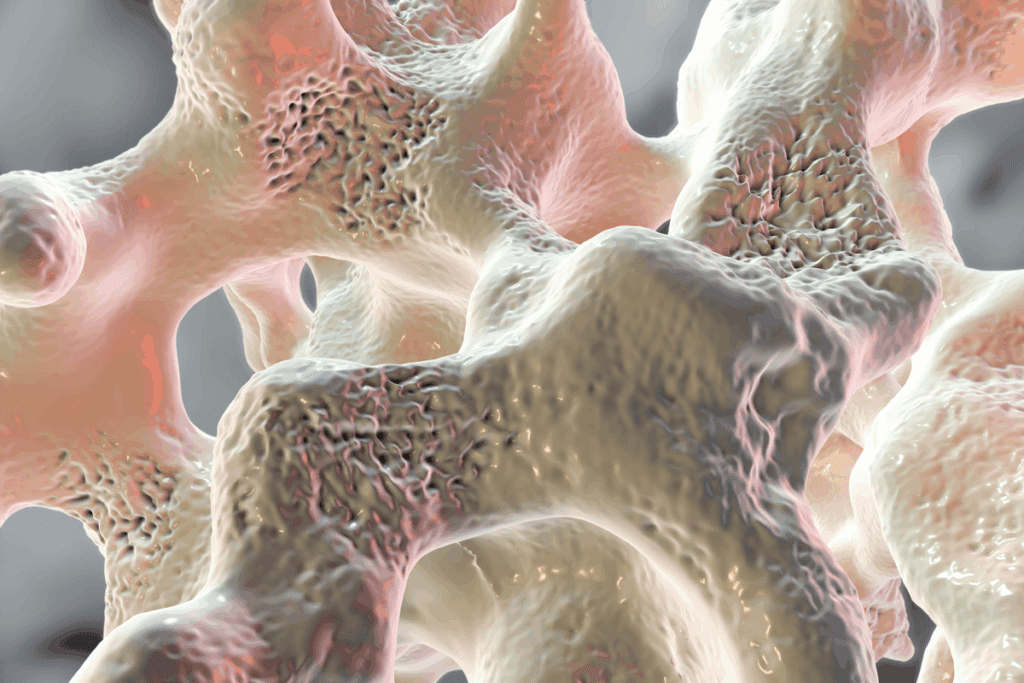
Adult scoliosis is different from adolescent scoliosis. It has its own challenges and treatment options. Knowing its types, symptoms, and life impact is key.
Differences Between Adult and Adolescent Scoliosis
Adult scoliosis is not the same as adolescent scoliosis. It often starts later in life. The main difference is in causes and health.
Common Symptoms That Require Medical Attention
It’s important to know the symptoms of adult scoliosis. This ensures timely medical help. Common signs include:
- Back pain and stiffness
- Visible curvature of the spine
- Uneven shoulders or hips
- Loss of height
- Fatigue due to muscle strain
These symptoms can affect daily life and well-being. A healthcare professional’s evaluation is needed.
Impact of Scoliosis on Adult Quality of Life
Adult scoliosis can deeply affect life. It impacts physical and mental health. It can cause chronic pain, reduced mobility, and less independence.
| Aspect of Life | Impact of Adult Scoliosis |
| Physical Health | Chronic pain, reduced mobility, and increased risk of respiratory issues |
| Mental Well-being | Anxiety, depression, and reduced self-esteem due to visible deformity |
| Daily Activities | Difficulty in performing routine tasks, loss of independence |
Understanding these impacts is vital. It helps in creating effective treatment plans. These plans should address physical and mental aspects of adult scoliosis.
Orthopedic Surgeons: Primary Doctor for Adult Scoliosis
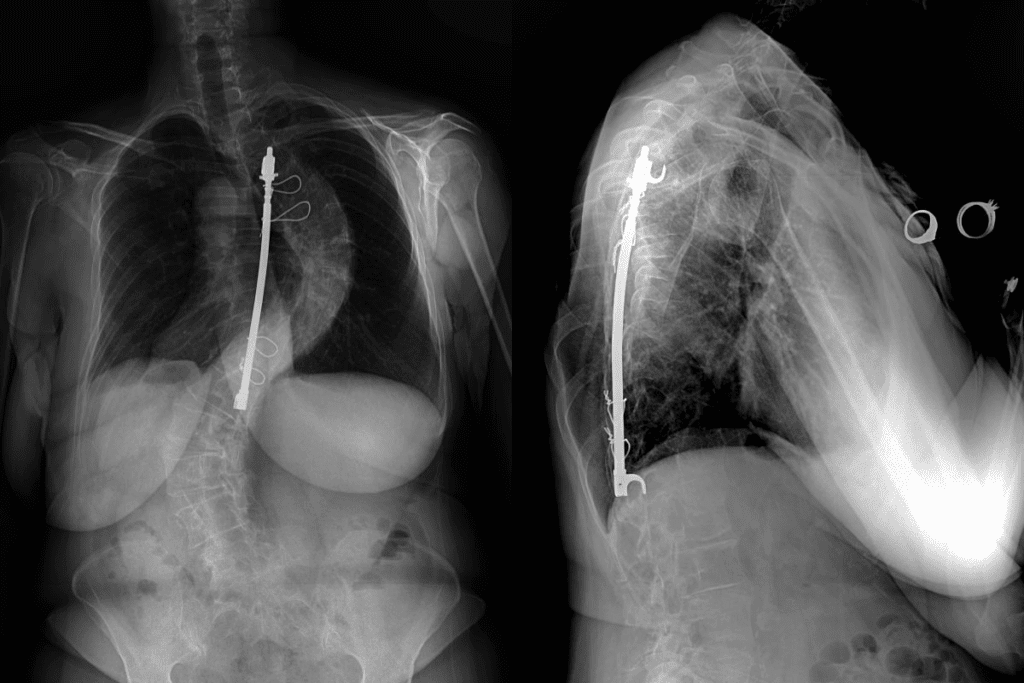
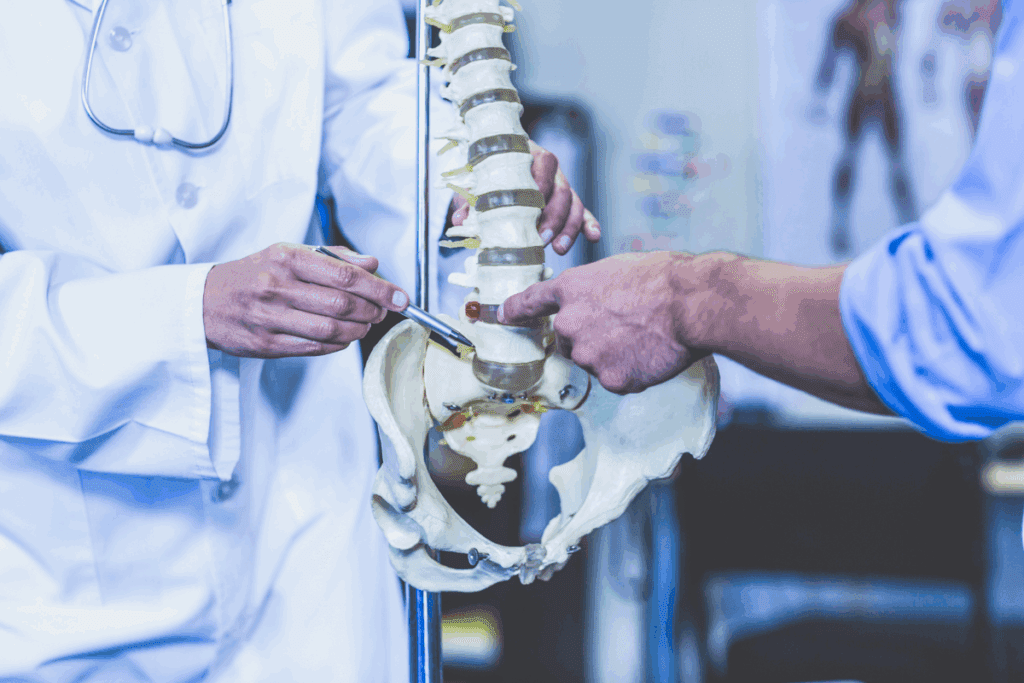
Orthopedic surgeons are key in treating adult scoliosis. They provide specialized care for spinal deformities. Their skills are vital for managing the condition, through surgery or other means.
Specialized Training and Qualifications
Orthopedic surgeons get a lot of training. They go to medical school and then do a residency in orthopedic surgery. Sometimes, they also do a fellowship in spinal surgery.
This training helps them diagnose and treat complex spinal issues. They also keep up with new spinal surgery techniques and technologies. This ensures they can give the best care to their patients.
When to Consult an Orthopedic Surgeon
See an orthopedic surgeon if adult scoliosis symptoms bother you a lot. Symptoms include back pain, spine curvature, or numbness in your legs. They can figure out how serious it is and what to do next.
Seeing a surgeon early can stop scoliosis from getting worse. They can tell you if you need surgery or not.
What to Expect During Your First Appointment
At your first visit, the surgeon will check you thoroughly. They’ll do a physical exam and look at your medical history. They might also take X-rays or do other scans to see how bad the deformity is.
This detailed check-up helps the surgeon create a treatment plan just for you. They’ll talk about your options, like surgery or other treatments. Then, they’ll decide the best choice for your case.
Spine Specialists: Focused Expertise for Scoliosis Treatment
For adults with scoliosis, seeing a spine specialist can change their treatment path. These experts are trained to handle complex spinal issues. They are perfect for tackling adult scoliosis’s unique challenges.
Differences Between General Orthopedists and Spine Specialists
General orthopedists deal with many musculoskeletal problems. But, spine specialists focus only on the spine. They know more about spinal anatomy and scoliosis.
Spine specialists also stay current with new treatments and surgeries. This means they offer the latest care options.
Advanced Diagnostic Capabilities
Spine specialists use advanced tools for accurate scoliosis diagnosis. They might use MRI and CT scans for detailed images. Getting the diagnosis right is key to a good treatment plan. Spine specialists know how to read these tests well.
| Diagnostic Tool | Purpose | Benefit for Scoliosis Patients |
| MRI | Detailed imaging of soft tissues | Helps in assessing nerve compression and spinal cord involvement |
| CT Scan | High-resolution imaging of bone structures | Provides detailed information on spinal deformities and bone density |
| X-ray | Initial assessment of spinal alignment | Quick and effective for monitoring curve progression |
Specialized Treatment Options Available
Spine specialists offer many treatment options for adult scoliosis. These include surgery, like spinal fusion, or non-surgical methods like bracing. The right treatment depends on the scoliosis’s severity, the patient’s health, and their wishes.
Seeing a spine specialist leads to a detailed treatment plan. This plan can help manage pain, improve spinal alignment, and enhance life quality. Spine specialists are key in caring for adults with scoliosis.
Neurologists: Addressing Nerve-Related Scoliosis Symptoms
Neurologists are key in managing nerve symptoms of adult scoliosis. They focus on the neurological effects, like nerve compression and pain. Orthopedic surgeons and spine specialists handle the spinal deformity.
When Neurological Evaluation Is Necessary
Adults with scoliosis need a neurological check if they have nerve symptoms. Symptoms include persistent pain, numbness, tingling, or weakness in legs or arms. Also, if bladder or bowel function is affected, seeing a neurologist is important.
See a neurologist if you have progressive neurological issues, severe pain not helped by usual treatments, or big changes in your neurological status.
Diagnostic Tests Performed by Neurologists
Neurologists use various tests to check nerve symptoms in scoliosis patients. These include:
- Electromyography (EMG) to check muscle function and find nerve damage
- Nerve conduction studies (NCS) to see how nerves work and find compression or damage
- Magnetic Resonance Imaging (MRI) to see the spinal cord and nerve roots
- Somatosensory Evoked Potentials (SSEP) to check sensory pathways
These tests help neurologists understand nerve damage and plan the right treatment.
Collaborative Care with Other Specialists
Neurologists team up with orthopedic surgeons and pain management specialists for adult scoliosis care. This team approach covers all aspects of the condition, from the spinal deformity to nerve symptoms and pain.
Together, we create a treatment plan that meets the complex needs of adult scoliosis patients. This improves their quality of life and functional outcomes.
Rheumatologists: Managing Inflammatory Conditions Related to Scoliosis
For adults with scoliosis, knowing how rheumatologists help is key. Scoliosis is a spine curvature that can get worse with inflammation. Rheumatologists play a big role in treating these issues.
Connection Between Autoimmune Disorders and Spinal Deformities
Autoimmune diseases like rheumatoid arthritis can cause scoliosis. These diseases make the immune system attack the body, leading to inflammation and spine problems. Rheumatologists are experts in treating these conditions and help manage scoliosis.
The relationship between autoimmune diseases and scoliosis is complex. Inflammation from these diseases can make scoliosis worse. Rheumatologists can help by treating the inflammation, which can reduce the spine’s deformity.
Medications and Treatments for Inflammatory Scoliosis
Rheumatologists use many treatments for inflammatory scoliosis. These include:
- Biologic medications that target the immune response to reduce inflammation.
- Disease-modifying antirheumatic drugs (DMARDs) to slow disease progression.
- Nonsteroidal anti-inflammatory drugs (NSAIDs) to reduce pain and inflammation.
These treatments help manage symptoms and slow the condition’s progression. A rheumatologist works with other doctors to create a complete treatment plan.
| Treatment Option | Purpose | Benefits |
| Biologic Medications | Target specific components of the immune response | Reduced inflammation, slowed disease progression |
| DMARDs | Slow disease progression | Reduced joint damage, improved quality of life |
| NSAIDs | Reduce pain and inflammation | Improved comfort, reduced inflammation |
When to Include a Rheumatologist in Your Care Team
If you have scoliosis and symptoms of an autoimmune disorder, see a rheumatologist. They can diagnose and treat any inflammatory conditions affecting your spine.
Getting a rheumatologist involved early can lead to better management of inflammatory scoliosis. This can reduce spinal deformities and improve your quality of life.
Physical Therapists: Non-Surgical Scoliosis Management
For adults with scoliosis, physical therapy is a great non-surgical option. It’s part of a complete plan to manage scoliosis. Physical therapists are key in this process.
Exercise Programs Tailored to Scoliosis
Physical therapists create scoliosis-specific exercise programs. These programs improve spinal flexibility and strengthen muscles. They also help with posture.
- Improving spinal flexibility through customized stretches
- Strengthening core and spinal muscles to support the spine
- Enhancing posture through awareness and correction techniques
Physical Therapy as a Primary or Complementary Treatment
Physical therapy can be a primary treatment for mild scoliosis. It can also be a complementary treatment to surgery or other plans. It helps reduce pain and improve function.
It’s important to talk to a healthcare provider. They can help decide the best treatment plan. This might include physical therapy.
Finding a Physical Therapist with Scoliosis Expertise
When looking for a physical therapist for scoliosis, find someone experienced. Ask about their experience with scoliosis-specific programs. Also, ask how they manage scoliosis without surgery.
- Ask about their experience with adult scoliosis cases
- Inquire about their treatment approaches and techniques
- Discuss your specific needs and goals
Working with a skilled physical therapist can help. Adults with scoliosis can get a non-surgical scoliosis treatment plan. This plan is made just for them, improving their scoliosis management.
Chiropractors: Role in Adult Scoliosis Care
Chiropractors play a key role in adult scoliosis care. They use evidence-based practices and focus on the patient. They offer non-invasive treatments like spinal manipulation and adjustments to help manage symptoms.
Evidence-Based Chiropractic Approaches for Scoliosis
Chiropractors use several proven methods for scoliosis care. These include:
- Spinal manipulation and adjustments to improve spinal mobility and reduce pain
- Specific exercises to strengthen spinal muscles and enhance posture
- Postural education to promote proper spinal alignment
These methods are tailored to each patient’s needs. This creates a personalized treatment plan.
Limitations of Chiropractic Treatment
Chiropractic care is beneficial for adults with scoliosis but has its limits. It’s not a cure for severe spinal deformities. Yet, it’s a valuable part of a complete treatment plan. It helps manage symptoms and improves quality of life.
| Benefits | Limitations |
| Improves spinal mobility | Not suitable for severe scoliosis cases |
| Reduces pain | May not address underlying spinal deformity |
| Enhances postural alignment | Requires regular maintenance |
Integrating Chiropractic Care with Medical Treatment
Combining chiropractic care with medical treatment is often the best approach. This team effort helps manage scoliosis from different angles. It includes pain management, physical therapy, and surgery when needed.
By mixing chiropractic care with other treatments, adults with scoliosis get a more complete care plan. This can lead to better outcomes and a higher quality of life.
Pain Management Specialists: Addressing Scoliosis-Related Discomfort
Pain management specialists are key in dealing with scoliosis pain. Scoliosis pain can really hurt, affecting both body and mind.
Managing scoliosis pain needs a variety of treatments. Pain management specialists are important. They tailor treatments to fit each person’s needs.
Medication Options for Scoliosis Pain
Medicine is often the first step in treating scoliosis pain. We use different drugs, like NSAIDs, muscle relaxants, and sometimes opioids for really bad pain. The right medicine depends on how bad the pain is and the patient’s health history.
NSAIDs help by reducing swelling and pain. Muscle relaxants work if the pain comes from muscle spasms. But, we use opioids with care because they can lead to addiction.
Interventional Procedures for Pain Relief
When medicine isn’t enough, interventional procedures can help a lot. These include nerve blocks, epidural steroid injections, and facet joint injections. They can cut down inflammation and stop pain signals.
Nerve blocks involve injecting something into or around a nerve to stop pain. Epidural steroid injections put medicine near the spinal cord to reduce swelling and pain.
Developing a Complete Pain Management Plan
Creating a detailed pain management plan is vital. We work with patients to make a plan that might include medicine, procedures, physical therapy, and changes in lifestyle.
This whole-body approach helps not just with pain but also improves life quality. We check on the plan often and make changes as needed for the best results.
The Diagnostic Process: What to Expect
Getting a correct diagnosis is key to treating scoliosis in adults. It involves physical checks and advanced imaging. We know tests can make you nervous. But, they’re vital for finding the right treatment.
Initial Evaluation and Physical Examination
Your journey starts with a detailed first visit. Your doctor will review your health history and do a physical check. They look for signs like uneven shoulders or balance problems.
Key parts of the first visit are:
- They’ll ask about your health history and any past treatments for scoliosis.
- They’ll check your posture, flexibility, and look for any spinal deformities.
- They’ll also do tests to see if there’s nerve damage or problems with reflexes and feeling.
Imaging Studies for Adult Scoliosis
Imaging tests are key for diagnosing and figuring out how severe scoliosis is. The main tests are:
- X-rays: To see how curved your spine is and its alignment.
- CT scans: For detailed images of your spine, including vertebrae and discs.
- MRI scans: To see soft tissues like nerves and discs and spot any problems.
Additional Tests That May Be Recommended
More tests might be needed based on the first findings and imaging. These could include:
- Pulmonary function tests to see how scoliosis affects your lungs.
- Bone density tests to check your bone health, if surgery is being considered.
- Electromyography (EMG) to find muscle or nerve damage.
By using all these test results, doctors can fully understand your scoliosis. Then, they can make a treatment plan just for you.
Treatment Options for Adult Scoliosis
Adult scoliosis treatment options have grown a lot. They offer many choices based on what each patient needs. The treatment depends on how severe the curve is, the patient’s health, and what they prefer.
Conservative Management Approaches
For many adults, the first step is conservative management. This includes:
- Physical Therapy: Special exercises can improve flexibility, strengthen muscles, and lessen pain.
- Bracing: Bracing is more common in teens but can also help adults, mainly those with flexible curves.
- Pain Management: There are many medicines and procedures to help with scoliosis pain.
- Lifestyle Modifications: Staying healthy, improving posture, and exercising regularly can help the spine.
Surgical Interventions and When They’re Necessary
Surgery is usually for those with severe scoliosis or who haven’t improved with other treatments. Surgical options include:
- Spinal Fusion: This joins two or more vertebrae to stabilize the spine.
- Osteotomy: Sometimes, surgeons must perform an osteotomy to fix the spine.
- Vertebral Column Resection: This complex procedure removes part of the spine to correct severe curves.
Choosing surgery depends on the benefits and risks for each person.
Emerging Treatments and Clinical Trials
New treatments for scoliosis are being explored. Some include:
- Minimally Invasive Surgery: These methods cause less damage and help patients recover faster.
- Biologics and Regenerative Medicine: These aim to improve spinal fusion and healing.
- Advanced Imaging and Navigation: New technologies make surgeries more precise.
Building Your Scoliosis Care Team
A team of specialists is key for adults with scoliosis. This team handles everything from diagnosis to ongoing care. It makes sure all parts of the condition are managed well.
Coordinating Care Among Multiple Specialists
It’s important to have a team of specialists for scoliosis care. This team includes orthopedic surgeons, neurologists, and physical therapists. Sometimes, rheumatologists or pain management specialists are also involved.
Good coordination means all team members know the patient’s plan. This avoids mistakes and ensures everyone works together.
To help coordination, patients should:
- Keep a detailed medical history
- Maintain a list of current medications
- Bring relevant imaging studies to appointments
- Communicate openly with all members of their care team
Questions to Ask Your Doctors
Choosing the right doctors is vital for scoliosis care. Ask questions to make sure you’re in good hands. Some important questions include:
- What experience do you have in treating adult scoliosis?
- What treatment options do you recommend for my specific condition?
- How will we monitor my progress and adjust the treatment plan as needed?
These questions help you understand the doctor’s approach. They ensure it meets your needs and expectations.
The Importance of Multidisciplinary Approach
A team approach to scoliosis care has many benefits. It leads to more effective treatment plans and better symptom management. Patients get care from different angles, improving their condition management.
| Specialist | Role in Scoliosis Care |
| Orthopedic Surgeon | Provides surgical interventions and oversees overall spinal health |
| Neurologist | Addresses nerve-related symptoms and complications |
| Physical Therapist | Develops exercise programs to improve spinal flexibility and strength |
| Pain Management Specialist | Helps manage pain through various treatments and interventions |
Building a strong scoliosis care team is essential. It leads to better care and quality of life for adults with scoliosis.
Finding the Right Doctor for Adult Scoliosis Near You
Finding the right doctor for adult scoliosis is key for good treatment and a better life. You need to look for specialists, check insurance, and see if the doctor has experience.
Resources for Locating Scoliosis Specialists
To find a good doctor for adult scoliosis, start by asking your primary care doctor or other health professionals. Online directories and patient groups are also great resources.
Some top resources include:
- Online forums and support groups
- Directories from your insurance provider
Insurance Considerations and Referrals
Knowing your insurance is important for adult scoliosis care. Make sure the doctors you choose are in-network to save money.
When looking for referrals, keep these points in mind:
| Insurance Factor | Description | Importance Level |
| In-network providers | Doctors who are part of your insurance network | High |
| Referral requirements | Some insurance plans need a referral from a primary care doctor | Medium |
| Pre-authorization | Some treatments or consultations need approval first | High |
Evaluating a Doctor’s Experience with Adult Scoliosis
When looking at doctors, focus on their experience with adult scoliosis. Look for:
- Board certification in orthopedic surgery or related fields
- Specific training or experience in scoliosis treatment
- What other patients say
By thinking about these things, you can find a doctor who is right for you and your adult scoliosis needs.
Conclusion
Managing adult scoliosis well needs a team of experts. We talked about the doctors involved, like orthopedic surgeons and neurologists. Also, physical therapists and chiropractors play a big role.
Finding a spinal health care provider is key. They should offer a team approach to scoliosis care. This way, each patient gets a treatment plan made just for them.
Knowing about the specialists and the need for a detailed plan is a good start. It helps patients find the right care. We urge those with adult scoliosis to look for specialized help. This can greatly improve their life quality.
FAQ
What type of doctor should I consult for adult scoliosis treatment?
For adult scoliosis, see an orthopedic surgeon or a spine specialist. They have the knowledge to help you. They will check you and suggest the best treatment.
What are the common symptoms of adult scoliosis that require medical attention?
Look out for back pain, uneven shoulders or hips, loss of height, and breathing issues. If you notice these, see a doctor right away.
How do I find a qualified doctor for adult scoliosis near me?
Ask your primary care doctor for recommendations or search online. Look at their credentials and patient reviews. Make sure they have experience with adult scoliosis.
What can I expect during my first appointment with an orthopedic surgeon for scoliosis?
Your first visit will include a physical check-up and a review of your medical history. You might get X-rays or an MRI. The doctor will talk about your diagnosis, treatment, and answer your questions.
What is the role of physical therapy in managing adult scoliosis?
Physical therapy can improve your flexibility, strengthen muscles, and reduce pain. A therapist with scoliosis knowledge will create a plan tailored for you.
Can chiropractic care help with scoliosis-related pain?
Chiropractic care might help with pain, but see a doctor first. They can figure out why you’re in pain and plan your treatment.
What are the benefits of consulting a spine specialist for scoliosis treatment?
Spine specialists focus on spinal deformities like scoliosis. They offer advanced treatments, including surgery, to manage your condition.
How do I know if I need surgical intervention for my adult scoliosis?
Your doctor will check your condition and suggest surgery if needed. They will discuss the surgery’s benefits and risks with you.
What is the importance of building a scoliosis care team?
A scoliosis care team includes specialists like orthopedic surgeons and physical therapists. They provide a complete care plan to manage your condition.
Are there any emerging treatments or clinical trials for adult scoliosis?
Yes, there are new treatments and clinical trials for adult scoliosis. Your doctor can keep you updated and see if you qualify for a trial.
Reference:
Medical News Today. (2023). Scoliosis Treatment for Adults: Surgical & Nonsurgical.
https://www.medicalnewstoday.com/articles/scoliosis-treatment-for-adults